

 プレビュー
プレビュー
 プリントを購入
 シェアする
シェアする シェアする
シェアする
 詳細を見る
詳細を見る

 ダウンロード
 似ている作品
 X線調査
X線調査 スライドショー
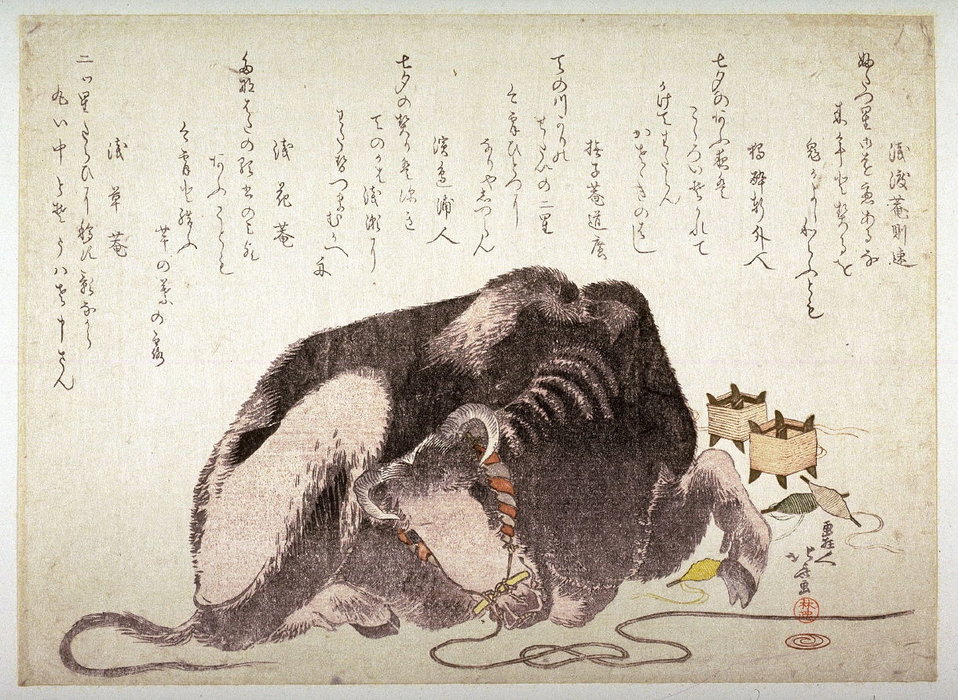
臥牛と糸巻き

 詳細を見る
詳細を見る
オンラインプレビューをはるかに凌ぐ、高解像度で鮮明なデジタル画像をご購入いただけます。
各ファイルは、社内の専門家が高度なツールと熟練した手作業によるレタッチを用いて、細心の注意を払って準備されています。すべての画像において、卓越した鮮明度、正確な色彩再現性、そして繊細なディテールを保証いたします。
最終ファイルは、プロフェッショナルな編集・印刷環境ですぐにご利用いただけるよう最適化された状態で、72時間以内にメールにてお届けいたします。これは、一流のデザインスタジオ、出版社、ギャラリーから信頼されているものと同等の品質です。
デジタル画像のご注文に付随する特典
高品質なデジタル画像配信を、確かな品質で。
ArtsDot.com を選ぶことは、単に画像を手に入れることではありません。それは、プロの手によって精密に仕上げられ、満足保証が付いた高品質なデジタルアートワークを受け取ることを意味します。ご注文いただいた際に自動的に付随する内容は、以下の通りです:

メールですぐにお届け
ご注文から72時間以内に、高解像度のデジタル画像ファイルがメールでお手元に届きます。すぐにそのままご利用いただけます。

AI技術で最適化されたデジタルファイル
お客様の作品は、高度なAIツールと専門家による手作業の編集を組み合わせてプロフェッショナルに最適化されており、細部のディテール、鮮明さ、そして正確な色再現性を最大限に引き出しています。

一生涯無料の再送サービス
ファイルを誤って削除したり、紛失してしまったりしましたか?ご安心ください。いつでも無料で再送いたします。

輸入手数料は一切かかりません
関税や手数料、配送料を気にすることなく、お気に入りのアートワークをすぐにお楽しみいただけます。デジタルダウンロードは常に免税です。

色彩再現の保証
プロ仕様のツールとカラーマネジメント技術を用いることで、デジタル画像が元の色を最大限に忠実に再現することを保証いたします。

60日間満足保証
ご購入いただいたデジタル画像にご満足いただけない場合は、60日以内であれば、修正または100%の返金(理由を問う必要はありません)をさせていただきます。

100% 返金保証
ご満足いただけない場合は、デジタルファイルを受け取ってから60日以内であれば、理由を問わず全額返金いたします。

まとめ買い割引
3枚購入で10%OFF - 5枚購入で15%OFF - 10枚以上購入で20%OFF。クリエイティブなプロジェクト、ギャラリー、エージェンシーに最適です。
Edo Serenity Captured: Decoding Katsushika Hokusai’s *Reclining Ox And Spools Of Thread*
Katsushika Hokusai’s *Reclining Ox And Spools Of Thread*, a cornerstone of Japanese artistic heritage, transcends mere visual representation; it embodies the very essence of Edo period aesthetics—a harmonious blend of philosophical contemplation and meticulous craftsmanship. Created sometime around 1830-1832 during Hokusai's prolific creative surge—a time when he arguably achieved unparalleled artistic mastery—this monochrome woodblock print stands as a testament to his profound understanding of both the natural world and human psychology. More than just a picturesque depiction of animals nestled amongst tranquil landscapes, it invites viewers into a carefully constructed dialogue about stability amidst change, mirroring the anxieties and aspirations of a society grappling with the twilight years of feudal Japan.- Subject Matter: The artwork centers on a serene tableau featuring a reclining ox—a symbol deeply rooted in Buddhist iconography representing longevity and unwavering resilience—positioned gracefully amongst spools of thread. This seemingly simple composition is imbued with considerable significance, reflecting not only the visual beauty of Edo-period art but also its underlying philosophical core. The ox embodies steadfastness – virtues cherished by Buddhist monks and embraced as emblems of enduring peace – while the spools subtly remind viewers that even amidst societal upheaval, fundamental truths remain immutable.
- Style: Hokusai’s distinctive artistic style—characterized by bold outlines, flattened perspective, and masterful tonal gradation—is immediately recognizable. Unlike Western art traditions prioritizing realism, Edo-period prints prioritized conveying emotion and atmosphere rather than precise anatomical accuracy. This deliberate stylistic choice elevates the artwork beyond mere visual observation, allowing it to resonate with viewers on a deeper emotional level. It’s a style that prioritizes capturing the spirit of its time—a spirit marked by both apprehension about impending change and an unwavering faith in enduring values.
- Technique: The printmaking process itself was a monumental undertaking requiring considerable skill and patience from Hokusai's workshop artisans. Beginning with meticulously carved woodblocks featuring intricate designs, each step demanded precision and dedication. Subsequently, ink pigments were applied with painstaking care—often utilizing techniques honed over decades—before transferring the image onto paper using damp cloths. This laborious process resulted in a surface texture that subtly enhances the artwork’s visual impact—a testament to the artistry of Edo-period craftsmanship and its commitment to achieving exceptional quality.
Historical Context: Shogunate Decline Amidst Artistic Flourishing
The print emerged during a pivotal moment in Japanese history—the waning years of the Tokugawa Shogunate, signaling the gradual erosion of feudal authority and ushering in an era of transformative modernization. Yet, *Reclining Ox And Spools Of Thread* speaks to something far deeper than mere chronological circumstance; it embodies the enduring spirit of Edo-period artistic sensibilities—a preoccupation with harmony between humanity and nature—and a profound appreciation for timeless beauty. The ox’s posture—relaxed yet alert—suggests not only physical comfort but also meditative contemplation – mirroring the spiritual aspirations of a society striving to preserve tradition amidst accelerating change.Symbolism: Harmony Between Earth and Spirit
Beyond its historical backdrop, *Reclining Ox And Spools Of Thread* operates on multiple symbolic levels. The ox is frequently associated with fertility and prosperity—representing not only physical well-being but also spiritual enlightenment – reflecting the Buddhist belief in reincarnation and striving for liberation from suffering. Its serene repose embodies tranquility and acceptance—values central to Zen Buddhism that profoundly influenced Edo-period artistic aesthetics. Conversely, the spools symbolize industriousness and craftsmanship—mirroring Hokusai’s own unwavering dedication to his craft—serving as a subtle reminder of the importance of perseverance in achieving excellence. Together, they encapsulate the harmonious relationship between humanity and nature – a core principle of Zen philosophy that continues to inspire artists today.Emotional Impact: A Moment of Quiet Reflection
Ultimately, *Reclining Ox And Spools Of Thread* transcends mere visual splendor; it evokes a palpable sense of serenity and contemplative stillness—a feeling that resonates deeply with viewers seeking solace or inspiration. The monochrome palette amplifies the artwork’s solemn mood—inviting contemplation on themes of resilience, acceptance, and enduring beauty. Like many masterpieces of ukiyo-e art, this print continues to captivate audiences across cultures and eras—serving as a poignant reminder that true artistic achievement lies not only in technical virtuosity but also in conveying profound emotional resonance. Its enduring appeal speaks to the universal human desire for harmony, balance, and connection with something larger than oneself – cementing its place as an iconic image of Edo Japan’s artistic legacy.関連作品
作家の略歴
葛飾北斎:浮世絵を超えた、時代と世界を映した巨匠
江戸時代の美術を語る上で、葛飾北斎(1760年~1849年)の名は欠かせない。その代表作『神奈川沖浪裏』は、今や日本を象徴するアイコンとして世界中で愛され、多くの人々に感動を与え続けている。しかし、北斎の芸術的探求は、単なる浮世絵師という枠を超えた、時代と世界との対話の軌跡であり、その生涯と作品群を深く理解することで、日本の美術史における彼の真価が明らかになるだろう。幼少期から絵を描く才能を発揮し、12歳で父の後を継ぎ、その後、浮世絵師勝川春洲の門下に入り、版画技術や役者絵などの基礎を学んだ北斎は、伝統的な浮世絵の世界に留まることなく、常に新しい表現方法を模索し続けた。変革と探求:多様な才能が開花する
春洲の弟子時代を経て、北斎は独自の道を歩み始める。役者絵から風景画へと主題を変え、大胆な構図や斬新な色彩感覚で、従来の浮世絵の枠を超えた作品を生み出した。特に注目すべきは、『富嶽三十六景』である。富士山を様々な角度から捉え、季節や時間帯の変化を描き出すこのシリーズは、北斎の風景画における卓越した技術と、自然に対する深い愛情を示すとともに、当時の旅行ブームに乗った作品群でもあった。また、『北斎漫画』は、人物、動物、風景など、多岐にわたるモチーフをスケッチブック形式で収録したものであり、その自由な発想と卓越した観察眼がうかがえる。この作品群は、後の漫画文化の源流とも言える存在であり、北斎の芸術的影響力の広がりを示す好例である。西洋絵画との邂逅:新たな表現への挑戦
北斎の芸術に大きな転換をもたらしたのは、オランダ絵画などの西洋美術との出会いだった。漂流物の持ち込みによって日本に入ってきたこれらの作品は、北斎に遠近法や陰影表現といった新しい技法を学ばせ、彼の作品に革新的な変化をもたらした。特に遠近法の導入は、浮世絵の構図に大きな影響を与え、奥行きのある風景描写を可能にした。また、西洋の色彩感覚も北斎の作品に取り入れられ、より鮮やかで豊かな色彩表現が実現された。これらの要素が融合することで、北斎の作品は、日本の伝統美と西洋の革新性が融合した、独創的な芸術へと昇華していったのである。後世への遺産:世界に影響を与えた巨匠
北斎の作品は、単なる美術作品としてだけでなく、文化的な交流の象徴としても重要な意味を持つ。19世紀後半になると、日本の美術品が欧米で人気を博し、「ジャポニスム」と呼ばれる現象が起こった。モネやドガといった印象派の画家たちは、北斎の作品から構図や色彩感覚、装飾性などを学び、自身の作品に取り入れ、その影響は絵画だけでなく、版画、デザインなど、様々な分野に及んだ。北斎の芸術は、東西文化の架け橋となり、世界中の人々に感動とインスピレーションを与え続けている。晩年は、90歳を超えるまで精力的に制作活動を続け、「老若中外無有乎(どんな年齢の人にも、あらゆる国の人にも、誰もが持っているもの)」という言葉に象徴されるように、北斎の芸術は、時代を超えて人々の心に深く刻まれ、今なおその輝きを失っていない。北斎の足跡:生涯と作品から読み解く
- 主な影響を受けた画家: 勝川春洲, 中国の山水画
- 代表作: 『富嶽三十六景』、『神奈川沖浪裏』、『北斎漫画』
- 晩年の言葉: 「老若中外無有乎」
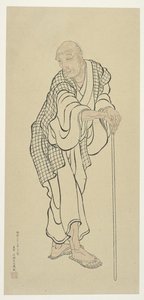
葛飾北斎 (Katsushika Hokusai)
1760 - 1849 , 日本
プロフィール概要
- フルネーム: 葛飾北斎
- 主な作品:
- 富嶽三十六景
- 神奈川沖浪裏
- 北斎漫画
- 出身地: 日本、東京都
- 国籍: 日本
- 影響を与えたアーティスト:
- 印象派
- ゴッホ
- 影響を受けたアーティスト: ['中国の山水画']
- 没年月日: 1849年5月10日
- 生年月日: 1760年10月31日
- 芸術運動またはスタイル: 浮世絵

