 プレビュー
プレビュー
 プリントを購入
 シェアする
シェアする シェアする
シェアする
 詳細を見る
詳細を見る

 ダウンロード
 似ている作品
 X線調査
X線調査 スライドショー
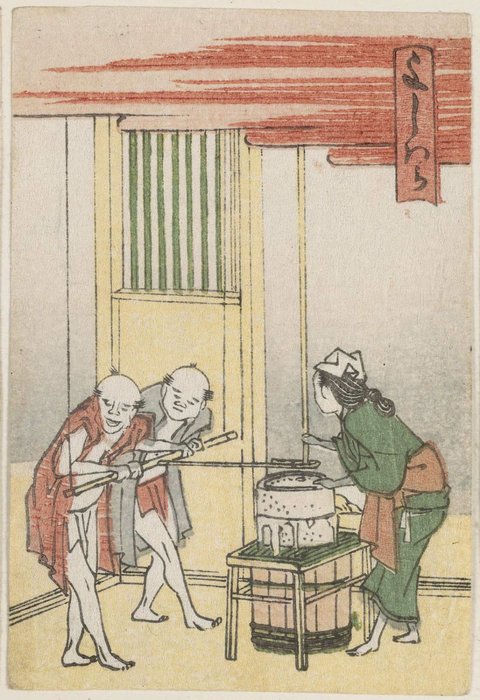
Yoshiwara, From The Series The Fifty-three Stations Of The Tôkaidô Road Printed In Color


 詳細を見る
詳細を見る




P118B $10

P118H $10

P118W $10

P438Z $10

P508JH $12

P508YH $12

P805H $10

P805Z $10

P919BZ $10

P919G $10

P919XJ $10

P959ZH $10

P968JZ $12

W106C $8

W218G $10

W218JH $8

W218Y $10

W307PJ $10

W316G $10

W316PJ $8

W316Y $10

W398PJ $8

W4111J $10

W500HY $15

W500JH $15

W692G $12

W849H $8

W940BG $15

W953PJ $8




作品のオリジナル比率に合わせた、当店の規定サイズからお選びください。

特定のフレームやスペースに合わせて、ご希望のサイズをご入力いただけます。選択されたサイズが元の画像の比率と異なる場合、アートワークをトリミングするか、手描きで要素を追加して絵画を拡張いたします。デジタルモックアップ を制作し、制作開始前にご確認(承認)をいただきます。
画面上のプレビューは、実際のトリミングや拡張を正確に反映しているものではありません。最終的な構図は、モックアップによってのみ正確にご確認いただけます。
カスタムサイズもご利用いただけますが、元の比率を維持するためには、あらかじめ用意されたリストからサイズを選択することをお勧めいたします。
ご注文後、ArtsDot.com チームより詳細な指示をお送りするとともに、仕上がりイメージ(モックアップ)をご提供いたします。


 ガラスオプションは、110cm未満のサイズでのみご利用いただけます。

Yoshiwara, From The Series The Fifty-three Stations Of The Tôkaidô Road Printed In Color
複製技法
複製画のサイズ
-


合計金額
$ 313
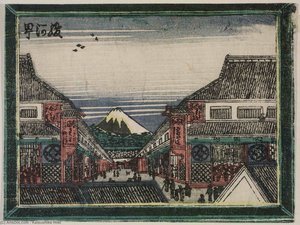
A Haunting Ritual: Katsushika Hokusai’s *Yoshiwara, From The Series The Fifty-three Stations Of The Tôkaidô Road Printed In Color*
Katsushika Hokusai's *Yoshiwara, From The Series The Fifty-Three Stations of the Tôkaidō Road Printed in Color* is more than a depiction of a scene; it’s an immersion into the heart of Japanese belief and artistic mastery. Executed in the signature style of ukiyo-e woodblock prints, this artwork transports us to a moment steeped in ritual, remembrance, and the profound contemplation of mortality. The image captures a tightly framed interior, likely within a teahouse or dwelling in the Yoshiwara district – a renowned entertainment area of Edo (modern Tokyo) – where three figures engage in what appears to be preparing a meal for a deceased individual. This isn't simply a snapshot of daily life; it’s a carefully constructed narrative laden with symbolic weight, reflecting Shinto and Buddhist practices surrounding death and the spirit world.
- The Ritualistic Scene: The composition immediately draws the eye to the central figures, their actions imbued with solemnity. Their meticulous preparation of food – a key element in honoring the dead – speaks volumes about the importance placed on maintaining connection with ancestors and ensuring their peaceful passage.
- Color & Composition: Hokusai’s masterful use of color is restrained yet powerful. The muted palette of reds, greens, browns, and creams creates an atmosphere of quiet reverence, while bold outlines define each element, characteristic of the woodblock printing technique. The flattened perspective, a hallmark of ukiyo-e, emphasizes the scene's composition over realistic depth, directing our focus to the emotional core of the image.
Technique & Materials: A Window into Ukiyo-e Mastery
This artwork is a testament to Hokusai’s unparalleled skill as a woodblock printer and his deep understanding of *sumi-e* (ink wash) and *kata-yōe* (pattern carving). The process itself was incredibly labor-intensive. First, Hokusai would meticulously carve a wooden block according to his design, creating the raised areas that would receive ink. Then, skilled artisans – known as *baren* – would apply the ink using delicate brushes, carefully controlling the flow and density of color. Finally, paper was laid over the inked block, and the excess ink was painstakingly wiped away, leaving behind the iconic graphic patterns. The resulting texture is deliberately flat, a consequence of this subtractive printing method, but subtle shading skillfully employed adds depth and modeling to the figures and objects.
- Sumi-e Influence: Hokusai’s use of *sumi-e*, characterized by its emphasis on ink washes and expressive brushstrokes, is evident in the artwork's tonal range and textural nuances.
- Kata-yōe Precision: The intricate patterns created through *kata-yōe* demonstrate Hokusai’s mastery of woodblock carving – a technique that required immense precision and patience.
Symbolism & Historical Context
*Yoshiwara, From The Series The Fifty-Three Stations of the Tôkaidō Road Printed in Color* is deeply rooted in Japanese cultural beliefs surrounding death and the afterlife. The act of preparing food for the deceased was a common practice, intended to nourish the spirit and facilitate its journey to the next world. The scene’s setting within Yoshiwara – a district known for its entertainment and transient population – adds another layer of complexity, suggesting that even in this vibrant environment, respect for tradition and ancestral veneration remained paramount. Hokusai, working during the Edo period (1603-1868), was a pivotal figure in Japanese art history, profoundly influencing subsequent generations of artists and shaping the nation’s visual identity. His work reflects not only his artistic genius but also the social and spiritual values of his time.
Emotional Impact & Artistic Legacy
Beyond its historical and technical significance, *Yoshiwara* possesses a haunting beauty that continues to captivate viewers today. The artwork's somber atmosphere, coupled with the enigmatic expressions of the figures, evokes a sense of quiet contemplation and invites us to reflect on our own mortality. Hokusai’s ability to convey complex emotions through simple imagery is a testament to his artistic genius – an enduring legacy that solidifies his place as one of Japan’s greatest artists.
関連作品
アーティストの略歴
葛飾北斎:浮世絵を超えた、時代と世界を映した巨匠
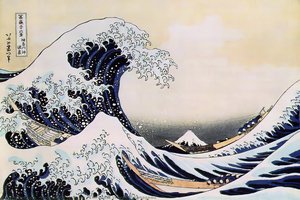
江戸時代の美術を語る上で、葛飾北斎(1760年~1849年)の名は欠かせない。その代表作『神奈川沖浪裏』は、今や日本を象徴するアイコンとして世界中で愛され、多くの人々に感動を与え続けている。しかし、北斎の芸術的探求は、単なる浮世絵師という枠を超えた、時代と世界との対話の軌跡であり、その生涯と作品群を深く理解することで、日本の美術史における彼の真価が明らかになるだろう。幼少期から絵を描く才能を発揮し、12歳で父の後を継ぎ、その後、浮世絵師勝川春洲の門下に入り、版画技術や役者絵などの基礎を学んだ北斎は、伝統的な浮世絵の世界に留まることなく、常に新しい表現方法を模索し続けた。変革と探求:多様な才能が開花する
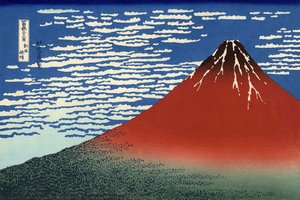
春洲の弟子時代を経て、北斎は独自の道を歩み始める。役者絵から風景画へと主題を変え、大胆な構図や斬新な色彩感覚で、従来の浮世絵の枠を超えた作品を生み出した。特に注目すべきは、『富嶽三十六景』である。富士山を様々な角度から捉え、季節や時間帯の変化を描き出すこのシリーズは、北斎の風景画における卓越した技術と、自然に対する深い愛情を示すとともに、当時の旅行ブームに乗った作品群でもあった。また、『北斎漫画』は、人物、動物、風景など、多岐にわたるモチーフをスケッチブック形式で収録したものであり、その自由な発想と卓越した観察眼がうかがえる。この作品群は、後の漫画文化の源流とも言える存在であり、北斎の芸術的影響力の広がりを示す好例である。西洋絵画との邂逅:新たな表現への挑戦
北斎の芸術に大きな転換をもたらしたのは、オランダ絵画などの西洋美術との出会いだった。漂流物の持ち込みによって日本に入ってきたこれらの作品は、北斎に遠近法や陰影表現といった新しい技法を学ばせ、彼の作品に革新的な変化をもたらした。特に遠近法の導入は、浮世絵の構図に大きな影響を与え、奥行きのある風景描写を可能にした。また、西洋の色彩感覚も北斎の作品に取り入れられ、より鮮やかで豊かな色彩表現が実現された。これらの要素が融合することで、北斎の作品は、日本の伝統美と西洋の革新性が融合した、独創的な芸術へと昇華していったのである。後世への遺産:世界に影響を与えた巨匠
北斎の作品は、単なる美術作品としてだけでなく、文化的な交流の象徴としても重要な意味を持つ。19世紀後半になると、日本の美術品が欧米で人気を博し、「ジャポニスム」と呼ばれる現象が起こった。モネやドガといった印象派の画家たちは、北斎の作品から構図や色彩感覚、装飾性などを学び、自身の作品に取り入れ、その影響は絵画だけでなく、版画、デザインなど、様々な分野に及んだ。北斎の芸術は、東西文化の架け橋となり、世界中の人々に感動とインスピレーションを与え続けている。晩年は、90歳を超えるまで精力的に制作活動を続け、「老若中外無有乎(どんな年齢の人にも、あらゆる国の人にも、誰もが持っているもの)」という言葉に象徴されるように、北斎の芸術は、時代を超えて人々の心に深く刻まれ、今なおその輝きを失っていない。北斎の足跡:生涯と作品から読み解く
- 主な影響を受けた画家: 勝川春洲, 中国の山水画
- 代表作: 『富嶽三十六景』、『神奈川沖浪裏』、『北斎漫画』
- 晩年の言葉: 「老若中外無有乎」
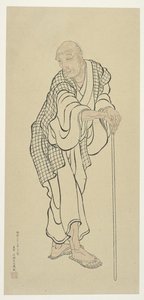
葛飾北斎 (Katsushika Hokusai)
1760 - 1849 , 日本
基本情報
- フルネーム: 葛飾北斎
- 主な作品:
- 富嶽三十六景
- 神奈川沖浪裏
- 北斎漫画
- 出身地: 日本、東京都
- 国籍: 日本
- 影響を与えたアーティスト:
- 印象派
- ゴッホ
- 影響を受けたアーティスト: ['中国の山水画']
- 没年月日: 1849年5月10日
- 生年月日: 1760年10月31日
- 芸術運動またはスタイル: 浮世絵
関連記事

葛飾北斎:25の傑作が語る浮世絵の世界 - ArtsDot
葛飾北斎の25選:『神奈川沖浪裏』や『富嶽三十六景』など、浮世絵の世界を深く探求。木版画の技法と日本美術の美をArtsDotで。高品質なアートプリントで空間に感動を。コレクションはこちら。
Floating World: The Captivating Art and Legacy of Japanese Ukiyo-e
Explore the profound beauty of Japanese Ukiyo-e. Discover the history, masters like Hokusai, and the enduring legacy of the 'Floating World' through an expert art-historical lens.
Ukiyo-e: Exploring Japan's Floating World & Enduring Artistic Legacy
Explore the captivating world of Ukiyo-e – Japan's iconic woodblock prints! Discover masters like Hokusai & Hiroshige, learn about Edo period culture, and find expert art collecting guidance at ArtsDot.
Japonisme: How Japanese Woodblock Prints Revolutionized Western Art
Explore the profound impact of Japonisme on Western art. Discover how Japanese ukiyo-e woodblock prints revolutionized perspective, color, and composition for masters like Monet and Van Gogh, forever changing the course of modern art history.
Serenity on Canvas: A Guide to the Timeless Beauty of Japanese Landscape Painting
Discover the serene beauty of Japanese landscape painting. From Hokusai's iconic woodblock prints to meditative sumi-e ink washes, explore a visual journey through the 'floating world' and learn how to bring this timeless Zen aesthetic into your modern home decor.