

 プレビュー
プレビュー
 シェアする
シェアする シェアする
シェアする
 詳細を見る
詳細を見る

 ダウンロード
 似ている作品
 X線調査
X線調査 スライドショー
 統計情報
統計情報Accordion, two-row melody keyboard with twelve basses


 詳細を見る
詳細を見る
オンラインプレビューをはるかに凌ぐ、高解像度で鮮明なデジタル画像をご購入いただけます。
各ファイルは、社内の専門家が高度なツールと熟練した手作業によるレタッチを用いて、細心の注意を払って準備されています。すべての画像において、卓越した鮮明度、正確な色彩再現性、そして繊細なディテールを保証いたします。
最終ファイルは、プロフェッショナルな編集・印刷環境ですぐにご利用いただけるよう最適化された状態で、72時間以内にメールにてお届けいたします。これは、一流のデザインスタジオ、出版社、ギャラリーから信頼されているものと同等の品質です。
デジタルアート
個人での鑑賞、印刷、クリエイティブなプロジェクト用に、高解像度ファイルをダウンロードできます。 ( プリント版に切り替え 手描きの絵画を購入)
デジタル画像のご注文に付随する特典
高品質なデジタル画像配信を、確かな品質で。
ArtsDot.com を選ぶことは、単に画像を手に入れることではありません。それは、プロの手によって精密に仕上げられ、満足保証が付いた高品質なデジタルアートワークを受け取ることを意味します。ご注文いただいた際に自動的に付随する内容は、以下の通りです:

メールですぐにお届け
ご注文から72時間以内に、高解像度のデジタル画像ファイルがメールでお手元に届きます。すぐにそのままご利用いただけます。

AI技術で最適化されたデジタルファイル
お客様の作品は、高度なAIツールと専門家による手作業の編集を組み合わせてプロフェッショナルに最適化されており、細部のディテール、鮮明さ、そして正確な色再現性を最大限に引き出しています。

一生涯無料の再送サービス
ファイルを誤って削除したり、紛失してしまったりしましたか?ご安心ください。いつでも無料で再送いたします。

輸入手数料は一切かかりません
関税や手数料、配送料を気にすることなく、お気に入りのアートワークをすぐにお楽しみいただけます。デジタルダウンロードは常に免税です。

色彩再現の保証
プロ仕様のツールとカラーマネジメント技術を用いることで、デジタル画像が元の色を最大限に忠実に再現することを保証いたします。

100日間満足保証
ご購入いただいたデジタル画像にご満足いただけない場合は、100日以内であれば、理由を問わず修正または100%の返金対応をさせていただきます。

100% 返金保証
ご満足いただけない場合は、デジタルファイルを受け取ってから100日以内であれば、理由を問わず全額返金いたします。

まとめ買い割引
3枚購入で10%OFF - 5枚購入で15%OFF - 10枚以上購入で20%OFF。クリエイティブなプロジェクト、ギャラリー、エージェンシーに最適です。
Kazimierz Ostrowski’s Reverent Portrait of a Polish Icon: The Accordion
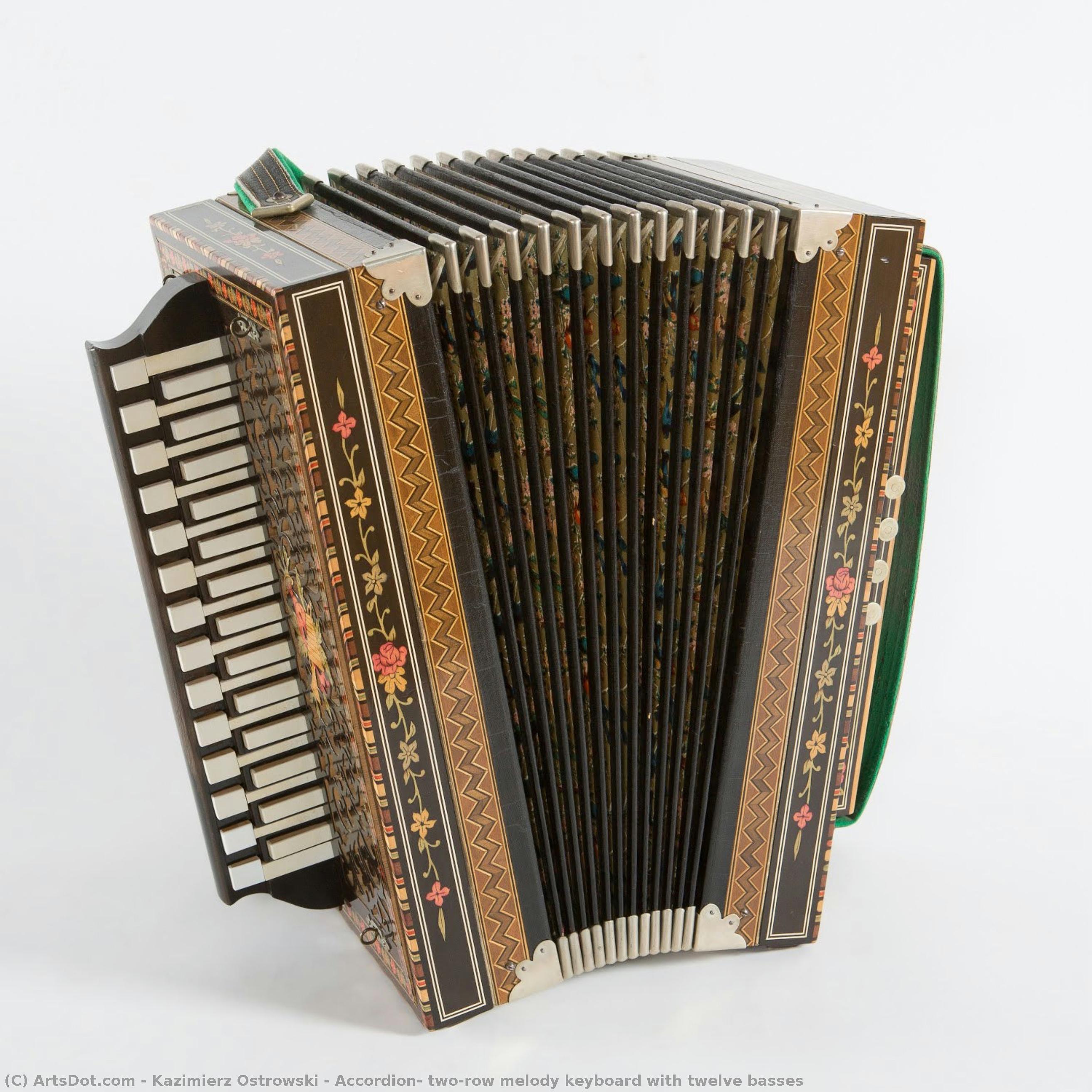
The meticulously rendered accordion, “Accordion, two-row melody keyboard with twelve basses,” by Kazimierz Ostrowski offers more than just a depiction of a musical instrument; it's a poignant snapshot of Polish cultural heritage and the enduring power of folk tradition. Painted in 1987, this artwork transcends mere representation, capturing the essence of the harmonist’s role within Mazovian society – a vital thread woven into the fabric of weddings, celebrations, and community life. Ostrowski's skill lies not just in his technical proficiency but in his ability to imbue the accordion with a sense of character, suggesting a history of melodies played and stories told.
- Subject Matter: The central focus is undeniably the two-row accordion, a prominent instrument within Polish folk music.
- Historical Context: Following World War I, the two-row harmony gained traction as a replacement for the bass, particularly in folk bands and celebrations. This piece reflects its peak popularity in regions like Łowicz and northern Małopolska.
- Instrumentation Details: The painting accurately portrays the instrument’s mechanics – the bellows, crucial for generating sound through vibrating metal tongues, and the distinct arrangement of keys and buttons reflecting the double-row German harmony.
A Symphony of Color and Decoration
Ostrowski's artistic approach is immediately striking. The accordion itself is rendered with a rich palette of browns, golds, and blacks, meticulously layered to create depth and texture. Intricate floral motifs adorn the instrument’s body, hinting at the decorative traditions prevalent in Polish folk art – a deliberate nod to the instrument’s role within community celebrations. The use of gold adds an element of opulence, suggesting the importance of music and performance within social gatherings. The artist's attention to detail extends to the bellows, mirroring the body’s design with similar floral patterns and reinforcing them with leather-like material, acknowledging the stresses of constant movement during play.
- Technique: Ostrowski employs a detailed brushstroke technique, building up layers of paint to achieve a tactile quality. The shading is particularly effective in conveying the form and texture of the instrument’s complex construction.
- Color Palette: The warm, earthy tones evoke a sense of nostalgia and tradition, aligning with the subject matter's historical roots.
The Artist and His Vision
Kazimierz Ostrowski (1917-1999), born in Berlin and later establishing himself as a significant Polish painter, brought a unique perspective to his work. Though primarily known for landscapes, this accordion piece demonstrates his versatility and ability to capture the essence of cultural objects. His training at the Academy of Fine Arts in Sopot, coupled with his scholarship in Paris, undoubtedly shaped his artistic sensibilities – blending influences from Romanticism, Impressionism, and the vibrant artistic currents of the European capital. The painting’s watermark clearly identifies Ostrowski as the artist and credits WahoolArt.com for its creation, solidifying its provenance and value.
- Artist Biography: Ostrowski's background reflects a journey through diverse artistic influences, ultimately culminating in a distinctive style characterized by meticulous detail and an appreciation for traditional subjects.
- Provenance: The watermark confirms the artwork’s authenticity and ownership by WahoolArt.com, adding to its collector appeal.
Emotional Resonance and Artistic Value
“Accordion, two-row melody keyboard with twelve basses” is more than just a beautiful painting; it's a window into Polish cultural identity. The image evokes feelings of warmth, nostalgia, and the joy of communal music-making. This hand-painted reproduction offers an exceptional opportunity to own a piece of art that celebrates a beloved instrument and its enduring legacy. Its size (31 x 19 cm) makes it suitable for a variety of interior spaces, while the intricate details and rich colors will undoubtedly become a focal point in any room. This artwork is ideal for collectors seeking pieces with historical significance or for interior designers looking to infuse their projects with a touch of Polish charm.
関連作品

作家の略歴
A Life Forged in Color and Tradition
The life of Kazimierz Ostrowski was a profound journey through the heart of twentieth-century European art, beginning in Berlin in 1917 and finding its ultimate resonance in Gdynia. His early years were marked by movement and adaptation; after his family relocated to Poznań in 1920, the young artist’s path eventually led him to the coastal vitality of Gdynia. Before he was a master of the brush, Ostrowski demonstrated a keen eye for detail through more practical endeavors, working alongside his brother Zygments to paint the names and insignias of great ships like the SS Kościuszko and MS Batory. This early exposure to the grand scale of maritime identity likely instilled in him a deep respect for form and precision that would later define his academic mastery.
Following the upheaval of World War II, Ostrowski’s dedication to the formal arts took center stage. In 1945, he began his rigorous studies at the Academy of Fine Arts in Sopot, a period of intense intellectual and creative growth. His talent was so unmistakable that it earned him a prestigious scholarship from the French government in 1949, whisking him away to the vibrant art scene of Paris. It was here, under the mentorship of the legendary Fernand Léger, that Ostrowski’s horizons expanded beyond traditional boundaries. Immersed in the avant-garde atmosphere of France, he absorbed the structural complexities of Cubism and the dreamlike depths of Surrealism, elements that would later infuse his Polish landscapes and still lifes with a sophisticated, modern sensibility.
The Mastery of Form and Spirit
Upon returning to Poland, Ostrowski did not merely practice art; he became a cornerstone of its academic foundation. Serving as a professor at the Academy of Fine Arts in Gdańsk from 1964 until 1987, he nurtured generations of artists, passing on a legacy of technical excellence and experimental courage. His teaching philosophy encouraged students to bridge the gap between classical training and contemporary innovation, much like his own evolution from the academic traditions of Sopot to the modernism of Paris.
His body of work is a breathtaking tapestry of diverse subjects, ranging from the quiet intimacy of still lifes to the sweeping narratives of landscapes. One can see his technical prowess in pieces such as “Accordion, two-row melody keyboard with twelve basses,” painted in 1987. In this work, he does more than depict an instrument; he captures a piece of Polish soul. Through a rich palette of golds, deep browns, and blacks, and the delicate application of floral motifs, he elevates a folk icon to a subject of high art, celebrating the cultural heartbeat of Mazovian society. Similarly, his “Compositions with Masks” reveals a more abstract side of his genius, utilizing intense blues and semi-abstract human and animal forms to explore the boundaries of shape and movement.
A Legacy of Excellence
The significance of Kazimierz Ostrowski extends far beyond the canvas, as evidenced by the numerous accolades that marked his illustrious career. His contributions were recognized through a multitude of prestigious honors, including:
- First prize for painting at the First Exhibition of Polish young painting, sculpture and graphics (1957).
- The Artistic Award of the City of Gdynia, recognizing his profound impact on his local community.
- The Golden Cross of Merit and various commemorative medals for his lifelong dedication to the cultural landscape of Gdynia.
- First prize from the Ministries of Culture and Arts (1982), cementing his status as a national treasure.
Today, Ostrowski’s influence continues to ripple through the art world, not only through his prolific exhibitions—numbering over sixty across Poland and abroad—but also through the Kazimierz Ostrowski Award. Established in 2002, this award honors excellence in Polish design and art, ensuring that the spirit of innovation and dedication he embodied remains a guiding light for contemporary creators. He remains a pivotal figure of mid-century European painting, a master who could capture both the grand scale of history and the delicate whisper of a folk melody.
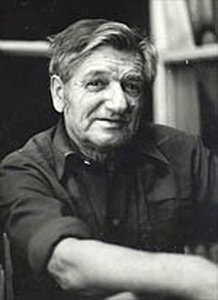
Kazimierz Ostrowski
1917 - 1999 , Germany
プロフィール概要
- Artistic Movement Or Style: Cubist
- Artists Or Movements Influenced By This Artist: ['European Painting']
- Artists Who Influenced This Artist: ['Fernand Leger']
- Date Of Birth: 1917 Berlin, Germany
- Date Of Death: 1999 Gdańsk, Poland
- Full Name: Kazimierz Ostrowski
- Nationality: Polish
- Notable Artworks: ['Compositions with Masks']
- Place Of Birth: Berlin