 プレビュー
プレビュー
 プリントを購入
 シェアする
シェアする シェアする
シェアする
 詳細を見る
詳細を見る

 ダウンロード
 似ている作品
 X線調査
X線調査 スライドショー
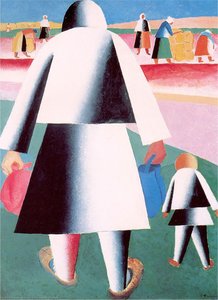
Girl in the Country


 詳細を見る
詳細を見る




P118B $10

P118H $10

P118W $10

P438Z $10

P508JH $12

P508YH $12

P805H $10

P805Z $10

P919BZ $10

P919G $10

P919XJ $10

P959ZH $10

P968JZ $12

W106C $8

W218G $10

W218JH $8

W218Y $10

W307PJ $10

W316G $10

W316PJ $8

W316Y $10

W398PJ $8

W4111J $10

W500HY $15

W500JH $15

W692G $12

W849H $8

W940BG $15

W953PJ $8




作品のオリジナル比率に合わせた、当店の規定サイズからお選びください。

特定のフレームやスペースに合わせて、ご希望のサイズをご入力いただけます。選択されたサイズが元の画像の比率と異なる場合、アートワークをトリミングするか、手描きで要素を追加して絵画を拡張いたします。デジタルモックアップ を制作し、制作開始前にご確認(承認)をいただきます。
画面上のプレビューは、実際のトリミングや拡張を正確に反映しているものではありません。最終的な構図は、モックアップによってのみ正確にご確認いただけます。
カスタムサイズもご利用いただけますが、元の比率を維持するためには、あらかじめ用意されたリストからサイズを選択することをお勧めいたします。
ご注文後、ArtsDot.com チームより詳細な指示をお送りするとともに、仕上がりイメージ(モックアップ)をご提供いたします。


 ガラスオプションは、110cm未満のサイズでのみご利用いただけます。

Girl in the Country
複製技法
複製画のサイズ
-


合計金額
$ 263
A Window into Suprematism’s Quiet Elegance
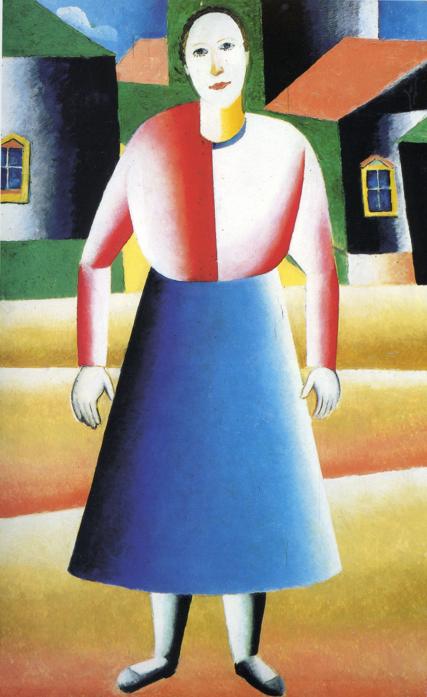
In the vast, often turbulent history of the twentieth-century avant-garde, Kazimir Malevich’s "Girl in the Country" (1929) emerges as a profound moment of stillness. While much of the era was defined by the explosive, fractured energy of Cubism or the mechanical frenzy of Futurism, this masterpiece offers a different kind of radicalism—one rooted in the understated power of Neo-Suprematism. It is a work that invites the viewer to step away from the noise of the modern world and enter a realm of pure contemplation. Here, Malevich does not merely depict a scene; he distills the very essence of existence into a language of color and geometry, creating an atmosphere that feels simultaneously grounded in the earth and elevated by the spirit.
The painting presents a deceptively simple composition that serves as a masterclass in visual balance. At its heart stands a woman, her figure positioned with a central prominence that commands attention without demanding it. Clad in a serene blue dress, she stands with arms crossed in a gesture of quiet introspection and composure. Behind her, the landscape is not rendered through traditional textures or naturalistic contours, but through a meticulous arrangement of overlapping rectangles and squares. A building with a striking red roof acts as a visual anchor, providing a sense of structural stability to the scene. This reductionist technique—transforming a rural setting into a rhythmic dance of shapes—is characteristic of Malevich’s genius, allowing him to bypass mere sensory perception to reach a deeper, more spiritual level of consciousness.
The Language of Color and Symbolism
Beyond its geometric structure, "Girl in the Country" is imbued with a profound symbolic weight that resonates long after the first glance. The palette is dominated by the warm, vibrant interplay of red and yellow, colors that carry deep spiritual connotations within the Suprematist philosophy. In this context, red often symbolizes divine energy and life force, while the golden hues of yellow evoke a sense of light and transcendence. These colors do not just decorate the canvas; they breathe life into the geometric forms, turning a flat arrangement of shapes into an emotive landscape of feeling.
The figure of the woman herself serves as a bridge between the abstract and the human. Often interpreted as a symbol of femininity, nurturing, and the enduring strength of nature, her stillness mirrors the tranquility of the geometric world around her. Even the presence of smaller, distant figures in the background adds a layer of narrative depth, suggesting a larger, interconnected ecosystem of life existing within this structured universe. For the collector or the interior designer, this painting offers more than just aesthetic beauty; it provides a focal point of meditative calm, making it an ideal centerpiece for spaces designed for reflection and intellectual engagement.
A Timeless Legacy for Modern Spaces
To possess a reproduction of "Girl in the Country" is to bring a piece of art history’s most radical revolution into the contemporary home. Malevich’s ability to strip away the "mask" of reality to reveal the skeletal truth underneath remains one of the most significant achievements in modern art. The painting’s clean lines, bold color blocks, and balanced composition make it an incredibly versatile choice for a variety of interior styles—from the minimalist and contemporary to the eclectic and mid-century modern.
Whether you are an art enthusiast seeking to deepen your connection to the Russian avant-garde or a designer looking to infuse a room with sophisticated, quiet elegance, this work stands as a testament to the supremacy of pure feeling. It is a rare find: a piece that possesses both the intellectual rigor of high abstraction and the emotional warmth of a cherished memory, inviting all who view it to find solace in its geometric embrace.
関連作品
アーティストの略歴
カジミール・マレーヴィチ:抽象芸術の先駆者
カジミール・セヴェリーノヴィチ・マレーヴィチは、1878年にウクライナのキエフ地方で生まれ、20世紀美術に革命をもたらした画家であり理論家です。彼の作品は、具象表現を完全に放棄し、純粋な感情と幾何学的な形のみを追求することで、抽象芸術の新たな地平を開きました。「至高主義(Suprematism)」という独自の芸術運動を創始し、その思想は美術の世界に深い影響を与え続けています。マレーヴィチの人生は、伝統からの脱却、芸術における精神性の探求、そして政治的な抑圧との闘いによって彩られています。幼少期と初期の影響
ウクライナの農村地帯で育ったマレーヴィチは、その風景や民俗文化に深く影響を受けました。幼少期から芸術への関心を抱き、キエフで美術を学びますが、すぐにモスクワへと進み、ヨーロッパのアバンギャルド運動に触れる機会を得ます。印象派、象徴主義、フォーヴィスム、そしてキュビスムなど、様々なスタイルを試しながらも、彼は常に伝統的な芸術表現からの脱却を目指していました。民俗芸術への愛着と、現代美術への渇望が、彼の独自の芸術的探求の原動力となりました。至高主義の誕生と展開
1915年、マレーヴィチは「至高主義」という画期的な芸術運動を宣言します。これは、対象物の描写を超越し、純粋な感情を表現することを目的としたものでした。彼は、色彩、線、形といった要素が、人間の精神に直接働きかけ、超越的な感覚をもたらすと信じていました。その象徴として生まれたのが、「黒方」です。この作品は、絵画における具象表現の終焉を宣言するものであり、美術史において非常に重要な転換点となりました。「白の中に白」シリーズに見られるように、マレーヴィチは純粋な形と色彩の組み合わせによって、抽象芸術の可能性を極限まで追求しました。主要作品とその意味
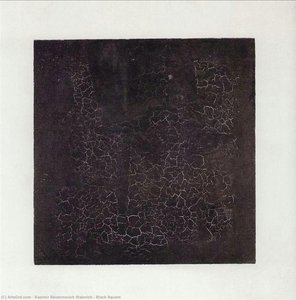
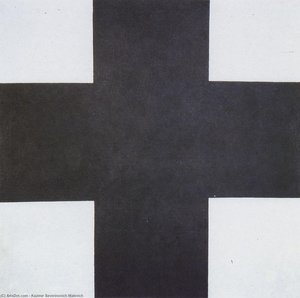
「黒方」は、マレーヴィチの至高主義を象徴する最も有名な作品です。真っ黒な四角形が白い背景に浮かび上がり、見る者に強烈な印象を与えます。これは単なる幾何学的な図形ではなく、宇宙の深淵や人間の精神における絶対性を表現しようとした試みでした。「白の中に白」は、さらに抽象化を推し進めた作品群であり、純粋な白色の四角形が白い背景に浮かび上がり、見る者の意識を静寂へと誘います。また、「家づくりの図」は、初期の至高主義作品であり、建築的な要素と幾何学的な形を組み合わせることで、新たな空間認識を提示しています。これらの作品を通して、マレーヴィチは絵画における表現の可能性を拡大し、抽象芸術の概念を再定義しました。美術史上の意義と遺産
マレーヴィチの至高主義は、20世紀の美術に多大な影響を与えました。ミニマリズムや構成主義といった後続の芸術運動にインスピレーションを与え、非客観的芸術の発展に大きく貢献しました。彼の理論的な著作もまた、美術家たちに大きな影響を与え、抽象芸術の概念を深く理解するための基盤となりました。政治的な抑圧の中で、彼の作品は一時的に忘れ去られてしまいましたが、20世紀後半には再評価され、現代美術における重要な存在として確固たる地位を確立しました。マレーヴィチの遺産は、今なお多くのアーティストに影響を与え続け、抽象芸術の可能性を追求する人々にインスピレーションを与えています。
カジミール・マレーヴィチ
1878 - 1935 , ウクライナ
基本情報
- フルネーム: カジミール・マレーヴィチ
- 主な作品:
- 黒い正方形
- 白と白
- 建設中の家
- 出生地: キーウ、ウクライナ
- 国籍: ウクライナ/ロシア
- 影響を与えたアーティスト:
- ミニマリズム
- 構成主義
- エル・リシツキー
- 影響を受けたアーティスト:
- キュビスム
- フォーヴィスム
- 印象派
- 死亡年月日: 1935年5月15日
- 生年月日: 1878年2月23日
- 芸術運動またはスタイル: 構成主義、抽象芸術
関連記事
カジミール・マレーヴィチ:至高の25選 - 抽象芸術の革命とホームデコレーション
カジミール・マレーヴィチの至高の25選。シュプレマティズムを代表する「ブラックスクエア」をはじめ、抽象芸術の革命的作品群を紐解きます。ロシア構成主義からミニマリズムまで、美術史に輝く傑作をArtsDot.comで。高品質なアートプリントとホームデコレーションの世界へ。今すぐコレクションをご覧ください。

幾何学的抽象絵画を定義した傑作10選|アート、アーティスト、インテリア装飾
モンドリアン、マレーヴィチ…幾何学的抽象絵画を代表する傑作10選。各作品の背景や色彩構成、アーティストの情熱に迫ります。美術館品質の複製画はArtsDot.comで。オンラインでアートコレクションをご覧ください。
Beyond Form & Color: Geometric Abstraction's Evolution in 20th/21st Century Art
Explore the evolution of geometric abstraction from Cubism to contemporary art. Discover key artists like Malevich & Mondrian, investment insights, and expert collecting advice at ArtsDot.
Beyond Form & Color: Geometric Abstraction's Enduring Legacy in Art History
Explore the captivating world of geometric abstraction! Discover its origins, key artists like Malevich & Mondrian, and why this movement remains highly valued by art collectors today. Expert insights at ArtsDot.
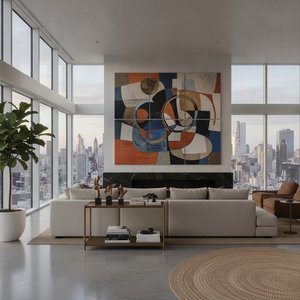
Designing Your Forever Space: An Expert Guide to Elevating Your New Home with Neo-Abstract Art
Elevate your first home with the bold energy of Neo-Abstract Art. Our expert guide helps newlyweds master modern geometric compositions, textures, and color palettes. Discover how custom hand-painted oils and multi-panel designs can transform your new space into a curated masterpiece.