 プレビュー
プレビュー
 シェアする
シェアする シェアする
シェアする
 詳細を見る
詳細を見る

 ダウンロード
 似ている作品
 X線調査
X線調査 スライドショー
 Stats
StatsMystic

 詳細を見る
詳細を見る
ジークレー/アートプリント
迅速な制作と多彩な仕上げオプションを備えた、ミュージアムクオリティのジークレーまたはキャンバスプリント。 ( 手描きの絵画を購入 Switch to Digital Image)




































作品のオリジナル比率に合わせた、当店の規定サイズからお選びください。

特定のフレームやスペースに合わせて、ご自身でサイズを指定することも可能です。選択されたサイズが元の画像の比率と一致しない場合、作品をトリミングするか、鏡面反射または単色での塗りつぶしによって画像を拡張いたします。制作を開始する前に、ご確認用のデジタルモックアップをお送りいたします。
画面上のプレビューには、実際のトリミングや拡張は反映されませんのでご注意ください。最終的な構図を正確に確認できるのは、モックアップのみとなります。
カスタムサイズも承っておりますが、元の比率を維持するためには、あらかじめ用意されたリストからサイズを選択することをお勧めいたします。


 ガラスオプションは、110cm未満のサイズでのみご利用いただけます。

Mystic
ジークレー/アートプリント
複製画のサイズ
-


合計金額
$ 62
Kazimir Malevich: A Pioneer of Abstract Art
Kazimir Severinovich Malevich (1879–1935) stands as an undeniable titan amongst the figures who reshaped the landscape of 20th-century art. Born in Kyiv Oblast, Ukraine, to a Polish family steeped in tradition, his formative years instilled within him a profound appreciation for folk artistry – an influence that subtly permeated his groundbreaking explorations into pure abstraction. Formal training commenced in Kyiv but swiftly propelled him toward Moscow and, crucially, the burgeoning avant-garde currents sweeping across Europe, particularly Paris where he encountered the revolutionary ideas of Cubism and Futurism. This exposure ignited a transformative process, propelling him away from representational depictions towards an uncompromising pursuit of artistic expression liberated from the constraints of natural form – a quest that ultimately yielded Suprematism, Malevich’s singular contribution to art history.- Early Influences: The Ukrainian landscape and folk traditions nurtured his initial artistic sensibilities, providing a bedrock for his later stylistic innovations.
- Parisian Exposure: A pivotal journey in 1912 introduced him to the vanguard of European artistic thought, fostering dialogue with movements like Cubism and Futurism.
- Suprematism's Genesis: Driven by an ardent desire to transcend realism, Malevich conceived Suprematism as a radical departure from traditional art forms, prioritizing pure feeling and spiritual contemplation.
The Composition of Mystic
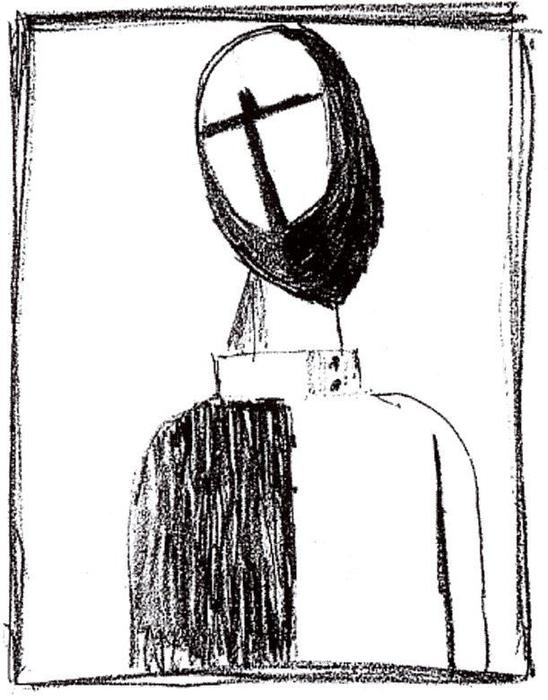
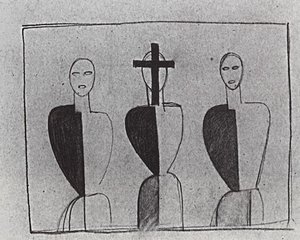
“Mystic,” executed in 1920-22, exemplifies Malevich’s Suprematist aesthetic with remarkable clarity. The artwork presents a sketch or study characterized by deliberate roughness—thick, uneven lines dominate the canvas, conveying an immediacy and expressive fervor characteristic of Expressionism. At its core lies a central humanoid figure positioned symmetrically within the frame, creating visual balance despite subtle asymmetries in detail. Notably, the head is dominated by a circle containing a cross – a motif imbued with potent religious symbolism reflecting Malevich’s spiritual convictions. The rectangular border surrounding the image serves to demarcate and frame the subject matter, emphasizing its isolation and conceptual purity.- Geometric Dominance: A circle—intersected by a cross—represents the central element of the composition, embodying geometric abstraction.
- Verticality & Circularity: The figure’s vertical posture contrasts sharply with the circular head shape, generating visual dynamism and enhancing compositional interest.
- Minimal Framing: The rectangular border reinforces the artwork's conceptual focus, minimizing extraneous elements and maximizing impact.
Color Palette & Technique
The monochrome palette—primarily black and white tones—underscores Malevich’s commitment to stripping away illusionistic color. Dramatic tonal variations create striking shadows and highlights, defining form through meticulous attention to light and dark values. The technique employed is drawing – likely executed with charcoal or pencil on paper – demonstrating a spontaneous approach prioritizing textural qualities and expressive marks. These visible strokes contribute to the artwork's raw aesthetic, mirroring the spirit of Expressionism’s emotive impulse. Malevich’s deliberate simplification of form aligns perfectly with Suprematism’s rejection of representational accuracy.- Monochrome Contrast: The stark black-and-white palette amplifies tonal contrasts and enhances visual impact.
- Charcoal Rendering: Charcoal pencil was used to create the artwork, resulting in a textured surface that captures Malevich’s expressive style.
- Geometric Simplification: Forms are reduced to their essential geometric shapes—circles and rectangles—reflecting Suprematism's core principles.
Symbolism & Emotional Resonance
“Mystic” transcends mere visual representation, resonating with profound symbolic significance rooted in Orthodox Christianity. The cross within the circle symbolizes faith, spirituality, and transcendence – concepts central to Malevich’s worldview. Overall, the artwork evokes feelings of introspection, contemplation, and perhaps a subtle sense of alienation—mirroring the anxieties prevalent during the turbulent years following the Russian Revolution. It stands as a testament to Malevich's unwavering conviction that art could serve as a conduit for accessing higher realms of consciousness.- Religious Symbolism: The cross symbolizes faith and spiritual enlightenment, reflecting Malevich’s Orthodox religious beliefs.
- Emotional Depth: The artwork conveys feelings of contemplation and introspection—characteristic of Suprematism's philosophical underpinning.
- Avant-garde Legacy: Malevich’s pioneering work continues to inspire artists today, cementing his place as a cornerstone of modern art history.
関連作品
アーティストの略歴
カジミール・マレーヴィチ:抽象芸術の先駆者
カジミール・セヴェリーノヴィチ・マレーヴィチは、1878年にウクライナのキエフ地方で生まれ、20世紀美術に革命をもたらした画家であり理論家です。彼の作品は、具象表現を完全に放棄し、純粋な感情と幾何学的な形のみを追求することで、抽象芸術の新たな地平を開きました。「至高主義(Suprematism)」という独自の芸術運動を創始し、その思想は美術の世界に深い影響を与え続けています。マレーヴィチの人生は、伝統からの脱却、芸術における精神性の探求、そして政治的な抑圧との闘いによって彩られています。幼少期と初期の影響
ウクライナの農村地帯で育ったマレーヴィチは、その風景や民俗文化に深く影響を受けました。幼少期から芸術への関心を抱き、キエフで美術を学びますが、すぐにモスクワへと進み、ヨーロッパのアバンギャルド運動に触れる機会を得ます。印象派、象徴主義、フォーヴィスム、そしてキュビスムなど、様々なスタイルを試しながらも、彼は常に伝統的な芸術表現からの脱却を目指していました。民俗芸術への愛着と、現代美術への渇望が、彼の独自の芸術的探求の原動力となりました。至高主義の誕生と展開
1915年、マレーヴィチは「至高主義」という画期的な芸術運動を宣言します。これは、対象物の描写を超越し、純粋な感情を表現することを目的としたものでした。彼は、色彩、線、形といった要素が、人間の精神に直接働きかけ、超越的な感覚をもたらすと信じていました。その象徴として生まれたのが、「黒方」です。この作品は、絵画における具象表現の終焉を宣言するものであり、美術史において非常に重要な転換点となりました。「白の中に白」シリーズに見られるように、マレーヴィチは純粋な形と色彩の組み合わせによって、抽象芸術の可能性を極限まで追求しました。主要作品とその意味
「黒方」は、マレーヴィチの至高主義を象徴する最も有名な作品です。真っ黒な四角形が白い背景に浮かび上がり、見る者に強烈な印象を与えます。これは単なる幾何学的な図形ではなく、宇宙の深淵や人間の精神における絶対性を表現しようとした試みでした。「白の中に白」は、さらに抽象化を推し進めた作品群であり、純粋な白色の四角形が白い背景に浮かび上がり、見る者の意識を静寂へと誘います。また、「家づくりの図」は、初期の至高主義作品であり、建築的な要素と幾何学的な形を組み合わせることで、新たな空間認識を提示しています。これらの作品を通して、マレーヴィチは絵画における表現の可能性を拡大し、抽象芸術の概念を再定義しました。美術史上の意義と遺産
マレーヴィチの至高主義は、20世紀の美術に多大な影響を与えました。ミニマリズムや構成主義といった後続の芸術運動にインスピレーションを与え、非客観的芸術の発展に大きく貢献しました。彼の理論的な著作もまた、美術家たちに大きな影響を与え、抽象芸術の概念を深く理解するための基盤となりました。政治的な抑圧の中で、彼の作品は一時的に忘れ去られてしまいましたが、20世紀後半には再評価され、現代美術における重要な存在として確固たる地位を確立しました。マレーヴィチの遺産は、今なお多くのアーティストに影響を与え続け、抽象芸術の可能性を追求する人々にインスピレーションを与えています。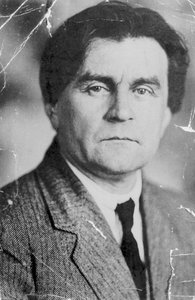
カジミール・マレーヴィチ
1878 - 1935 , ウクライナ
基本情報
- フルネーム: カジミール・マレーヴィチ
- 主な作品:
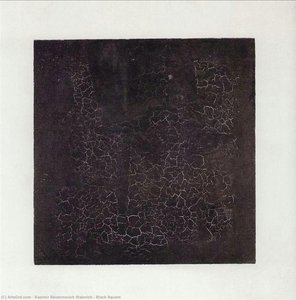
- 黒い正方形
- 白と白
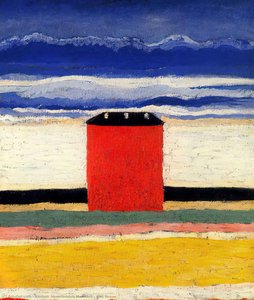
- 建設中の家
- 出生地: キーウ、ウクライナ
- 国籍: ウクライナ/ロシア
- 影響を与えたアーティスト:
- ミニマリズム
- 構成主義
- エル・リシツキー
- 影響を受けたアーティスト:
- キュビスム
- フォーヴィスム
- 印象派
- 死亡年月日: 1935年5月15日
- 生年月日: 1878年2月23日
- 芸術運動またはスタイル: 構成主義、抽象芸術
関連記事
カジミール・マレーヴィチ:至高の25選 - 抽象芸術の革命とホームデコレーション
カジミール・マレーヴィチの至高の25選。シュプレマティズムを代表する「ブラックスクエア」をはじめ、抽象芸術の革命的作品群を紐解きます。ロシア構成主義からミニマリズムまで、美術史に輝く傑作をArtsDot.comで。高品質なアートプリントとホームデコレーションの世界へ。今すぐコレクションをご覧ください。

幾何学的抽象絵画を定義した傑作10選|アート、アーティスト、インテリア装飾
モンドリアン、マレーヴィチ…幾何学的抽象絵画を代表する傑作10選。各作品の背景や色彩構成、アーティストの情熱に迫ります。美術館品質の複製画はArtsDot.comで。オンラインでアートコレクションをご覧ください。
Kazimir Malevich: Pioneering Suprematism & the Quest for Non-Objective Art
Explore the revolutionary art of Kazimir Malevich & his groundbreaking Suprematism movement. Discover the origins, core principles, and lasting impact of this pivotal force in modern abstract painting.
Beyond Representation: Exploring the Radical Geometry of Suprematism & Its Spiritual Foundations
Explore the revolutionary world of Suprematism with our expert guide. Discover Kazimir Malevich's groundbreaking art, its spiritual foundations & lasting influence on modern design. Learn about collecting this iconic movement.

Dark Masterpieces: 10 Iconic Paintings Dominated by Black Tones |
Explore 10 iconic paintings dominated by black tones, from Rembrandt’s chiaroscuro to Goya's dark expressions. Discover the stories behind these masterpieces & find museum-quality art reproductions for your home at .