

 プレビュー
プレビュー
 プリントを購入
 シェアする
シェアする シェアする
シェアする
 詳細を見る
詳細を見る

 ダウンロード
 似ている作品
 X線調査
X線調査 スライドショー
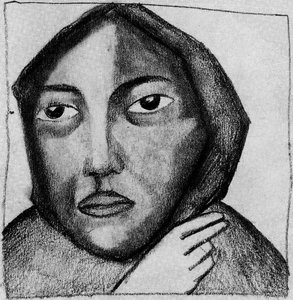
Praying Woman
 Charcoal
- WallArt
- Cubism
 1912
1912- High Medieval
 18.0 x 14.0 cm
 詳細を見る
詳細を見る
オンラインプレビューをはるかに凌ぐ、高解像度で鮮明なデジタル画像をご購入いただけます。
各ファイルは、社内の専門家が高度なツールと熟練した手作業によるレタッチを用いて、細心の注意を払って準備されています。すべての画像において、卓越した鮮明度、正確な色彩再現性、そして繊細なディテールを保証いたします。
最終ファイルは、プロフェッショナルな編集・印刷環境ですぐにご利用いただけるよう最適化された状態で、72時間以内にメールにてお届けいたします。これは、一流のデザインスタジオ、出版社、ギャラリーから信頼されているものと同等の品質です。
デジタル画像のご注文に付随する特典
高品質なデジタル画像配信を、確かな品質で。
ArtsDot.com を選ぶことは、単に画像を手に入れることではありません。それは、プロの手によって精密に仕上げられ、満足保証が付いた高品質なデジタルアートワークを受け取ることを意味します。ご注文いただいた際に自動的に付随する内容は、以下の通りです:

メールですぐにお届け
ご注文から72時間以内に、高解像度のデジタル画像ファイルがメールでお手元に届きます。すぐにそのままご利用いただけます。

AI技術で最適化されたデジタルファイル
お客様の作品は、高度なAIツールと専門家による手作業の編集を組み合わせてプロフェッショナルに最適化されており、細部のディテール、鮮明さ、そして正確な色再現性を最大限に引き出しています。

一生涯無料の再送サービス
ファイルを誤って削除したり、紛失してしまったりしましたか?ご安心ください。いつでも無料で再送いたします。

輸入手数料は一切かかりません
関税や手数料、配送料を気にすることなく、お気に入りのアートワークをすぐにお楽しみいただけます。デジタルダウンロードは常に免税です。

色彩再現の保証
プロ仕様のツールとカラーマネジメント技術を用いることで、デジタル画像が元の色を最大限に忠実に再現することを保証いたします。

60日間満足保証
ご購入いただいたデジタル画像にご満足いただけない場合は、60日以内であれば、修正または100%の返金(理由を問う必要はありません)をさせていただきます。

100% 返金保証
ご満足いただけない場合は、デジタルファイルを受け取ってから60日以内であれば、理由を問わず全額返金いたします。

まとめ買い割引
3枚購入で10%OFF - 5枚購入で15%OFF - 10枚以上購入で20%OFF。クリエイティブなプロジェクト、ギャラリー、エージェンシーに最適です。
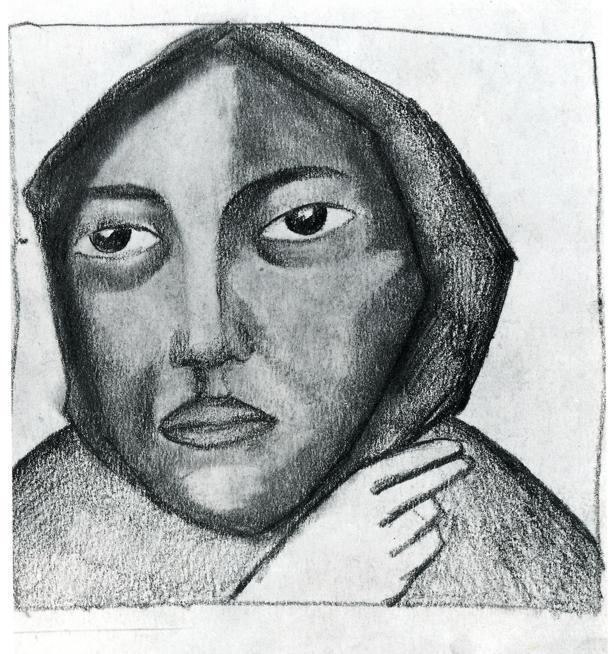
The Silent Prayer: An Exploration of Kazimir Malevich’s ‘Praying Woman’
Kazimir Malevich's “Praying Woman,” painted in 1912, isn’t merely a portrait; it’s a distilled essence of spirituality and introspection. Born into a Ukrainian family steeped in both Polish heritage and the vibrant culture of the region, Malevich’s early life instilled within him an appreciation for the quiet dignity of rural traditions – a sensibility that would profoundly shape his revolutionary approach to art. This particular work, rendered in charcoal on paper, stands as a pivotal moment in his artistic journey, marking a deliberate shift away from representational forms and towards the nascent principles of Suprematism. It’s a piece that invites prolonged contemplation, revealing layers of meaning through its stark simplicity and masterful use of line.
The image immediately commands attention with its monochromatic palette – a carefully orchestrated range of grays that evokes both solemnity and an almost ethereal quality. Malevich eschews color entirely, focusing instead on the expressive power of tone and texture. The composition is strikingly direct: a close-up portrait of a woman enveloped in a hooded garment, her face turned upwards in what appears to be fervent prayer or deep thought. The minimal background – suggested by simple, rectangular lines – serves only to amplify the subject’s presence, drawing the viewer's gaze directly to her expressive features. The deliberate lack of detail forces us to engage with the emotional core of the image rather than being distracted by superficial representation.
Deconstructing Form: Technique and Style
Malevich’s technique is characterized by a remarkable control over line and shading. He employs bold, decisive strokes to define the woman's face – her eyes, nose, and mouth are rendered with an almost geometric precision. The folds of her hood are suggested through subtle gradations of gray, creating a sense of volume and depth without resorting to traditional modeling techniques. The grainy texture of the charcoal lends a tactile quality to the image, hinting at the artist’s hand and the materiality of the medium. This deliberate roughness contrasts with the overall smoothness of the composition, adding another layer of visual interest.
Stylistically, “Praying Woman” aligns itself with the burgeoning Cubism movement, though Malevich quickly transcended its limitations. He wasn’t interested in dissecting objects into geometric fragments; rather, he sought to strip away all extraneous detail and reduce form to its essential elements. This pursuit of pure abstraction is a hallmark of Suprematism, a movement that Malevich would later define as a radical departure from traditional art. The image embodies this principle – it's not about depicting a specific woman but about conveying the universal experience of contemplation and spiritual yearning.
Symbolism and Emotional Resonance
The covered head is perhaps the most potent symbol within the painting. It immediately evokes notions of modesty, religious devotion, or even a desire for seclusion. The upward gaze – directed towards an unseen point beyond the frame – suggests supplication, aspiration, or a connection to something larger than oneself. This combination of elements creates a powerful sense of inner intensity and emotional vulnerability. “Praying Woman” isn’t simply a portrait; it's a meditation on faith, introspection, and the human condition.
Beyond its immediate symbolism, the painting resonates with a timeless quality. The woman’s expression is open to interpretation – she could be lost in prayer, wrestling with a difficult decision, or simply experiencing a moment of profound peace. This ambiguity invites viewers to project their own emotions and experiences onto the image, making it a deeply personal and evocative work of art. It's a testament to Malevich’s ability to capture not just a likeness but also the very essence of human feeling.
A Legacy of Abstraction
Created in 1912, “Praying Woman” represents a crucial turning point in the history of modern art. It foreshadowed the radical innovations that would characterize Suprematism and profoundly influenced generations of artists who followed. Reproductions of this iconic work continue to captivate audiences today, serving as a reminder of Malevich’s pioneering spirit and his unwavering commitment to exploring the boundaries of artistic expression. Whether displayed in a contemporary gallery or adorning a stylish interior, “Praying Woman” remains a powerful symbol of contemplation, spirituality, and the enduring allure of abstract art.
関連作品
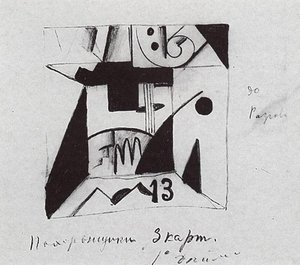
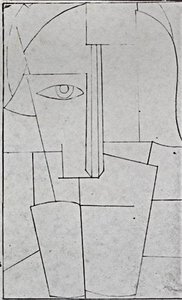
作家の略歴
カジミール・マレーヴィチ:抽象芸術の先駆者
カジミール・セヴェリーノヴィチ・マレーヴィチは、1878年にウクライナのキエフ地方で生まれ、20世紀美術に革命をもたらした画家であり理論家です。彼の作品は、具象表現を完全に放棄し、純粋な感情と幾何学的な形のみを追求することで、抽象芸術の新たな地平を開きました。「至高主義(Suprematism)」という独自の芸術運動を創始し、その思想は美術の世界に深い影響を与え続けています。マレーヴィチの人生は、伝統からの脱却、芸術における精神性の探求、そして政治的な抑圧との闘いによって彩られています。幼少期と初期の影響
ウクライナの農村地帯で育ったマレーヴィチは、その風景や民俗文化に深く影響を受けました。幼少期から芸術への関心を抱き、キエフで美術を学びますが、すぐにモスクワへと進み、ヨーロッパのアバンギャルド運動に触れる機会を得ます。印象派、象徴主義、フォーヴィスム、そしてキュビスムなど、様々なスタイルを試しながらも、彼は常に伝統的な芸術表現からの脱却を目指していました。民俗芸術への愛着と、現代美術への渇望が、彼の独自の芸術的探求の原動力となりました。至高主義の誕生と展開
1915年、マレーヴィチは「至高主義」という画期的な芸術運動を宣言します。これは、対象物の描写を超越し、純粋な感情を表現することを目的としたものでした。彼は、色彩、線、形といった要素が、人間の精神に直接働きかけ、超越的な感覚をもたらすと信じていました。その象徴として生まれたのが、「黒方」です。この作品は、絵画における具象表現の終焉を宣言するものであり、美術史において非常に重要な転換点となりました。「白の中に白」シリーズに見られるように、マレーヴィチは純粋な形と色彩の組み合わせによって、抽象芸術の可能性を極限まで追求しました。主要作品とその意味
「黒方」は、マレーヴィチの至高主義を象徴する最も有名な作品です。真っ黒な四角形が白い背景に浮かび上がり、見る者に強烈な印象を与えます。これは単なる幾何学的な図形ではなく、宇宙の深淵や人間の精神における絶対性を表現しようとした試みでした。「白の中に白」は、さらに抽象化を推し進めた作品群であり、純粋な白色の四角形が白い背景に浮かび上がり、見る者の意識を静寂へと誘います。また、「家づくりの図」は、初期の至高主義作品であり、建築的な要素と幾何学的な形を組み合わせることで、新たな空間認識を提示しています。これらの作品を通して、マレーヴィチは絵画における表現の可能性を拡大し、抽象芸術の概念を再定義しました。美術史上の意義と遺産
マレーヴィチの至高主義は、20世紀の美術に多大な影響を与えました。ミニマリズムや構成主義といった後続の芸術運動にインスピレーションを与え、非客観的芸術の発展に大きく貢献しました。彼の理論的な著作もまた、美術家たちに大きな影響を与え、抽象芸術の概念を深く理解するための基盤となりました。政治的な抑圧の中で、彼の作品は一時的に忘れ去られてしまいましたが、20世紀後半には再評価され、現代美術における重要な存在として確固たる地位を確立しました。マレーヴィチの遺産は、今なお多くのアーティストに影響を与え続け、抽象芸術の可能性を追求する人々にインスピレーションを与えています。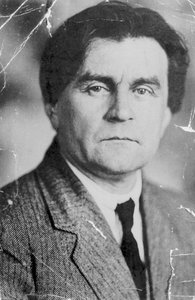
カジミール・マレーヴィチ
1878 - 1935 , ウクライナ
プロフィール概要
- フルネーム: カジミール・マレーヴィチ
- 主な作品:
- 黒い正方形
- 白と白
- 建設中の家
- 出生地: キーウ、ウクライナ
- 国籍: ウクライナ/ロシア
- 影響を与えたアーティスト:
- ミニマリズム
- 構成主義
- エル・リシツキー
- 影響を受けたアーティスト:
- キュビスム
- フォーヴィスム
- 印象派
- 死亡年月日: 1935年5月15日
- 生年月日: 1878年2月23日
- 芸術運動またはスタイル: 構成主義、抽象芸術

