

 プレビュー
プレビュー
 シェアする
シェアする シェアする
シェアする
 詳細を見る
詳細を見る

 ダウンロード
 似ている作品
 X線調査
X線調査 スライドショー
 Stats
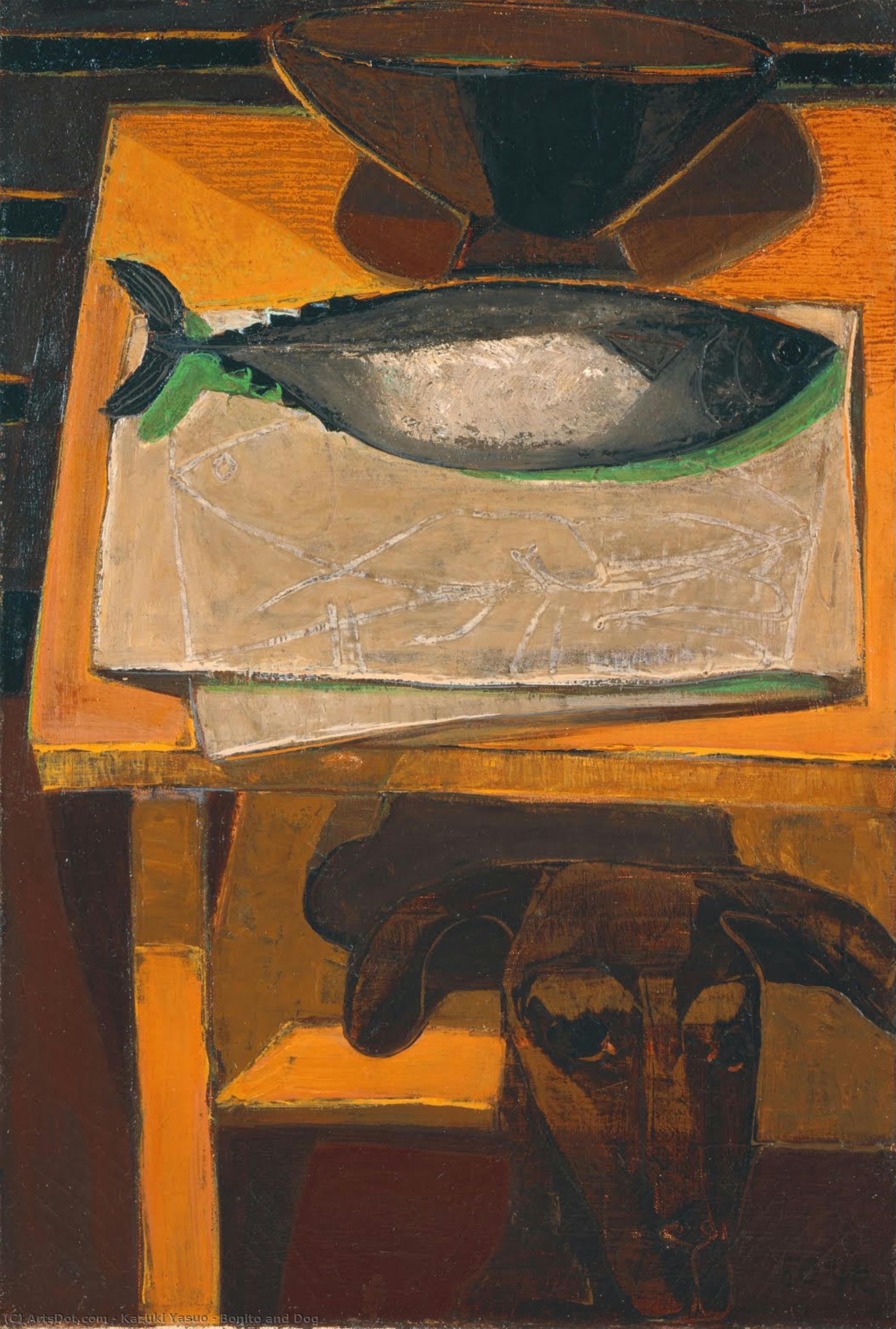
StatsBonito and Dog
 40.0 x 60.0 cm
 Iwami Art Museum
 詳細を見る
詳細を見る
ジークレー/アートプリント
迅速な制作と多彩な仕上げオプションを備えた、ミュージアムクオリティのジークレーまたはキャンバスプリント。 ( 手描きの絵画を購入 Switch to Digital Image)




































作品のオリジナル比率に合わせた、当店の規定サイズからお選びください。

特定のフレームやスペースに合わせて、ご自身でサイズを指定することも可能です。選択されたサイズが元の画像の比率と一致しない場合、作品をトリミングするか、鏡面反射または単色での塗りつぶしによって画像を拡張いたします。制作を開始する前に、ご確認用のデジタルモックアップをお送りいたします。
画面上のプレビューには、実際のトリミングや拡張は反映されませんのでご注意ください。最終的な構図を正確に確認できるのは、モックアップのみとなります。
カスタムサイズも承っておりますが、元の比率を維持するためには、あらかじめ用意されたリストからサイズを選択することをお勧めいたします。


 ガラスオプションは、110cm未満のサイズでのみご利用いただけます。

Bonito and Dog
ジークレー/アートプリント
複製画のサイズ
-


合計金額
$ 62
関連作品









アーティストの略歴
Louise Bourgeois: A Life Sculpted by Memory and Trauma
Louise Bourgeois, a name synonymous with raw emotion and unsettling beauty, was an artist whose life and work were inextricably linked to the echoes of her past. Born in Paris on December 25th, 1911, into a family steeped in the world of textiles – her parents ran a tapestry restoration workshop – Bourgeois’s early years were marked by profound loss and instability. The sudden death of her mother when she was just two years old, followed by a period spent in an orphanage and then with various relatives, forged within her a deep-seated sense of displacement and a lifelong preoccupation with themes of family, memory, and the unconscious. This formative experience would profoundly shape her artistic trajectory, informing the intensely personal and often disturbing nature of her sculptures, installations, and paintings. Bourgeois’s artistic journey began modestly, studying mathematics and geometry at the Sorbonne in Paris – subjects she found offered a sense of order and stability amidst the chaos of her childhood. However, it was her exposure to the burgeoning avant-garde art scene of the 1930s that truly ignited her creative spirit. She initially aligned herself with the abstract expressionists, exhibiting alongside artists like Jackson Pollock and Mark Rothko, yet she quickly developed a distinct voice, one characterized by a meticulous attention to detail, a fascination with the grotesque, and an exploration of deeply personal psychological themes. Her early work, often featuring delicate spider webs – a recurring motif in her oeuvre – hinted at both vulnerability and resilience, reflecting her own complex emotional landscape.The Rise of the Megalopolises and the Exploration of Trauma
The late 1960s witnessed a dramatic shift in Bourgeois’s artistic practice. She began creating monumental sculptures, known as “Megalopolises,” which were sprawling, labyrinthine structures reminiscent of futuristic cities or decaying ruins. These works, often constructed from steel and concrete, were imbued with a sense of claustrophobia and unease, mirroring the artist's own feelings of being trapped within her memories and anxieties. Simultaneously, she began to revisit earlier themes – particularly those related to her family – in a more direct and confrontational manner. The “Cells” series, for example, consisted of small, enclosed spaces filled with unsettling imagery, evoking a sense of confinement and psychological distress. These pieces were not merely decorative; they were meticulously crafted explorations of trauma, repression, and the enduring power of familial relationships.Influences and Artistic Techniques
Bourgeois’s artistic vocabulary was remarkably eclectic, drawing inspiration from a wide range of sources – from Byzantine mosaics and medieval tapestries to Surrealist automatism and the work of artists like Giorgio de Chirico and Henry Moore. She skillfully combined these influences, creating a unique visual language that was both unsettling and strangely beautiful. Her sculptures often featured rough textures, fragmented forms, and deliberately awkward proportions, reflecting her interest in exploring the darker aspects of human experience. Furthermore, she employed a variety of techniques – including assemblage, casting, and welding – to achieve the desired effect, demonstrating a remarkable versatility as an artist. The use of materials themselves—often industrial steel and concrete juxtaposed with delicate fabrics—created a powerful tension between strength and fragility.Legacy and Recognition
Louise Bourgeois died on May 31st, 2010, leaving behind a vast and complex body of work that continues to resonate deeply with audiences today. Her art has been widely exhibited around the world, and she is now recognized as one of the most important artists of the 20th century. Her willingness to confront difficult subjects—including childhood trauma, sexuality, and mortality—has paved the way for a new generation of artists who are unafraid to explore the darker corners of the human psyche. Bourgeois’s legacy extends beyond her individual artworks; she has become an icon of feminist art, demonstrating the power of personal expression as a means of challenging societal norms and reclaiming female experience. Her work remains a potent reminder of the enduring influence of memory, trauma, and the search for meaning in a world often characterized by chaos and uncertainty.
kazuki yasuo
1911 - 1974 , Japan
基本情報
- Artistic Movement Or Style: Sculpture, installation art
- Artists Who Influenced This Artist: ['Fernand Léger],\n "Artists or movements influenced by this artist": ["Surrealism", "Feminist art"]\n}']
- Date Of Birth: December 25, 1911
- Date Of Death: May 31, 2010
- Full Name: Louise Bourgeois
- Nationality: French-American
- Notable Artworks:
- Cells
- Cumul I
- The Destruction of the Father
- Place Of Birth: Paris, France