

 プレビュー
プレビュー
 シェアする
シェアする シェアする
シェアする
 詳細を見る
詳細を見る

 ダウンロード
 似ている作品
 X線調査
X線調査 スライドショー
 統計情報
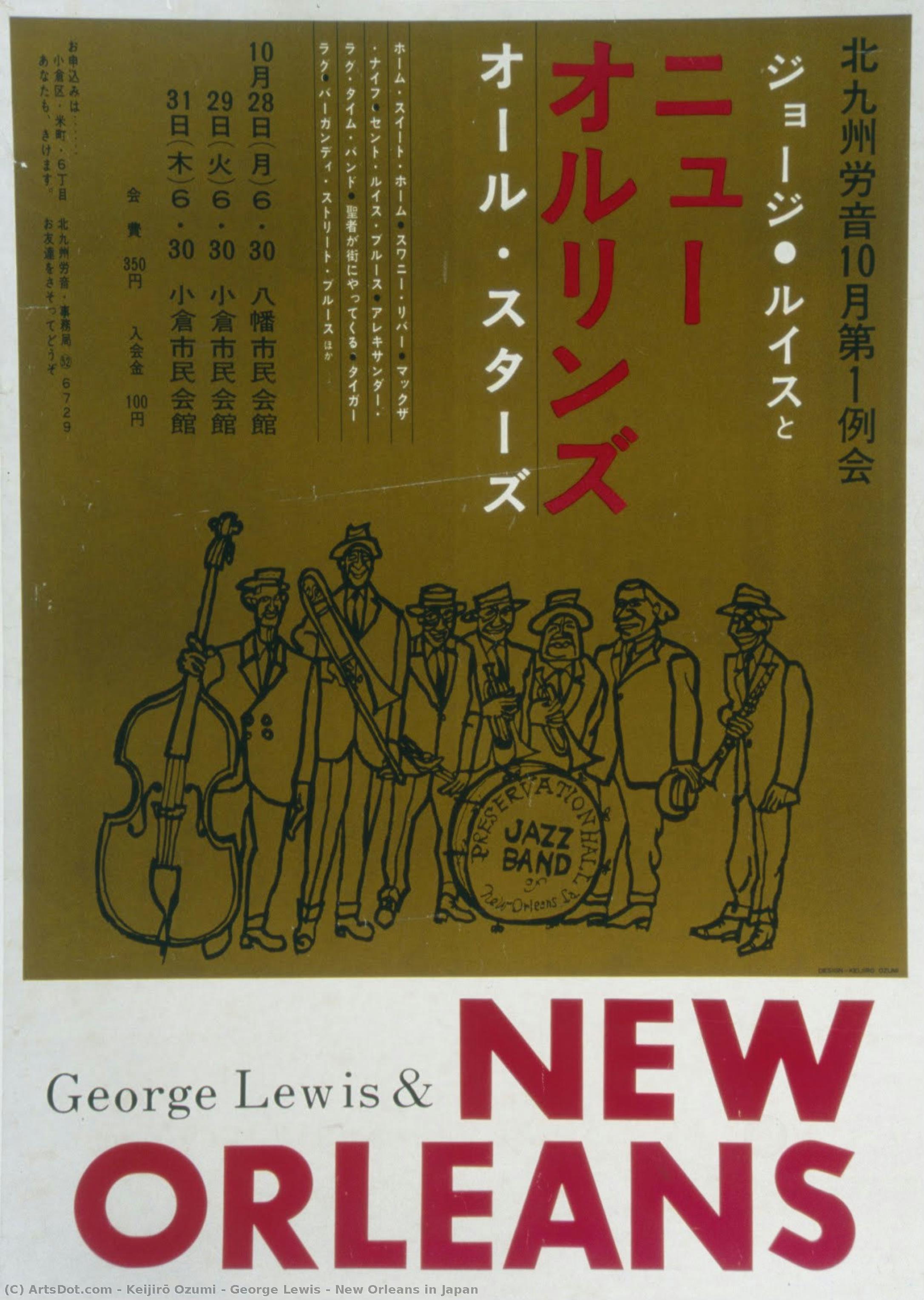
統計情報George Lewis & New Orleans in Japan


 詳細を見る
詳細を見る
ジークレー/アートプリント
迅速な制作と多彩な仕上げオプションを備えた、ミュージアムクオリティのジークレーまたはキャンバスプリント。 ( 手描きの絵画を購入 デジタル画像販売へ切り替え)




































作品のオリジナル比率に合わせた、当店の規定サイズからお選びください。

特定のフレームやスペースに合わせて、ご自身でサイズを指定することも可能です。選択されたサイズが元の画像の比率と一致しない場合、作品をトリミングするか、鏡面反射または単色での塗りつぶしによって画像を拡張いたします。制作を開始する前に、ご確認用のデジタルモックアップをお送りいたします。
画面上のプレビューには、実際のトリミングや拡張は反映されませんのでご注意ください。最終的な構図を正確に確認できるのは、モックアップのみとなります。
カスタムサイズも承っておりますが、元の比率を維持するためには、あらかじめ用意されたリストからサイズを選択することをお勧めいたします。


 ガラスオプションは、110cm未満のサイズでのみご利用いただけます。

George Lewis & New Orleans in Japan
ジークレー/アートプリント
複製画のサイズ
-


合計金額
$ 62
関連作品




アーティストの略歴
Keijirō Ozumi: The King of Speculation and a Patron of Japanese Art
Keijirō Ozumi, born in Tokyo in 1846, stands as a fascinating figure of late 19th-century Japan – a man whose life defied simple categorization. Often dubbed the ‘King of Speculators’ and the ‘Railroad King of the Meiji Era,’ Ozumi wasn't merely a businessman; he was an innovator, a risk-taker, and, surprisingly, a significant supporter of Japanese art. His story is one interwoven with the rapid modernization and burgeoning capitalism of Japan during this transformative period. Initially beginning his career as a street trader, demonstrating early entrepreneurial spirit, Ozumi quickly moved into the lucrative world of currency exchange and silver trading, establishing himself in Yokohama – a vital port for international commerce. This initial success fueled his ambition and laid the groundwork for his later ventures.Early Years and International Exposure
Ozumi’s journey took him abroad from 1876 to 1877, a crucial period of exposure to Western business practices and artistic sensibilities. His travels through the United States and Europe provided invaluable experience in international finance and exposed him to diverse cultural influences. Notably, he developed an appreciation for European art, particularly the intricate detail and symbolic depth found in works like Jan van Eyck’s *The Ghent Altarpiece* (1432), a masterpiece housed in the St Bavo Cathedral of Ghent, Belgium. This admiration for meticulous craftsmanship and narrative complexity would subtly inform his own approach to business and, perhaps, even influence his later patronage of Japanese artists. It's important to note that while Ozumi wasn’t himself an artist, this exposure shaped his understanding of value, aesthetics, and the power of visual storytelling – concepts he applied throughout his career.Business Ventures: From Flour Mills to Railroads
Ozumi’s business acumen blossomed in Japan, marked by a series of ambitious and often groundbreaking projects. He established a successful flour mill in Fukagawa, Tokyo, utilizing steam power—a relatively new technology at the time—demonstrating an early adoption of industrial innovation. This success propelled him into larger-scale development projects, most notably his initiative in Karuizawa in 1883. This venture combined agriculture and industry, mirroring the emerging model of integrated economic growth that characterized the Meiji Restoration. Ozumi’s strategic thinking involved adapting American models of land development to the Japanese context, reflecting a keen understanding of market forces and efficient resource utilization. He wasn't simply replicating Western ideas; he was applying them strategically within Japan’s unique social and economic landscape. His involvement in these ventures contributed significantly to the modernization of several regions of Japan.Patronage of Japanese Art and Legacy
Beyond his financial achievements, Ozumi played a quietly significant role as a patron of Japanese art. While details about specific commissions are scarce, it’s understood that he supported various artists during the Meiji era. This support wasn't driven by purely aesthetic appreciation; rather, it likely stemmed from a broader recognition of the value of cultural heritage and a desire to foster artistic development within Japan. His interest in works like Van Eyck’s *Ghent Altarpiece* suggests an understanding of the power of detailed representation and narrative – qualities he may have sought to encourage in Japanese artists. Ozumi's nickname, ‘King of Speculators,’ reflects not only his financial success but also his willingness to take calculated risks and invest in ambitious projects, shaping the economic landscape of Meiji Japan. He was a key figure within the Koshu Zaibatsu, a powerful merchant group that played a crucial role in Japan’s rapid industrialization. His legacy endures as a testament to the dynamism and entrepreneurial spirit of the Meiji era – a period defined by both unprecedented progress and significant social change.A Unique Artistic Connection: ‘George Lewis & New Orleans in Japan’
It's worth noting Ozumi’s involvement with George Lewis’s poster, *George Lewis & New Orleans in Japan* (1965). This striking piece, now housed at The Historic New Orleans Collection, showcases a blend of jazz and Japanese design. While the exact nature of Ozumi’s contribution is not fully documented, it highlights his continued interest in visual culture and his connection to both Japanese and American artistic traditions. It serves as a tangible reminder that Ozumi's influence extended beyond purely financial endeavors, encompassing a broader appreciation for diverse forms of creative expression.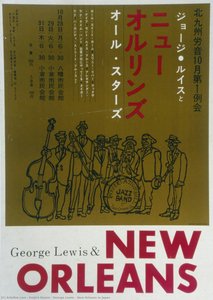
keijirō ozumi
1846 - 1911 , Japan
基本情報
- Artistic Movement Or Style: Entrepreneur/Investor
- Date Of Birth: October 24, 1846
- Date Of Death: 1911
- Full Name: Keijirō Ozumi
- Nationality: Japanese
- Notable Artworks: ['George Lewis & New Orleans in Japan']
- Place Of Birth: Tokyo, Japan
関連記事
ArtsDot.com F.A.Q.: ポスタープリントの耐久性、キャンバスとの比較、そしてエリートコレクターのためのサイズ選択について
ArtsDot.comがエリートコレクター向けに、ポスタープリントの耐久性、キャンバスとの比較、最適なサイズ選択について解説。高品質なアート作品を安心してコレクションするための情報をご提供します。

葛飾北斎:25の傑作が語る浮世絵の世界 - ArtsDot
葛飾北斎の25選:『神奈川沖浪裏』や『富嶽三十六景』など、浮世絵の世界を深く探求。木版画の技法と日本美術の美をArtsDotで。高品質なアートプリントで空間に感動を。コレクションはこちら。
Floating World: The Captivating Art and Legacy of Japanese Ukiyo-e
Explore the profound beauty of Japanese Ukiyo-e. Discover the history, masters like Hokusai, and the enduring legacy of the 'Floating World' through an expert art-historical lens.
Stuart Davis: Modernist Abstraction & the Vibrant Spirit of the Jazz Age
Explore the vibrant world of Stuart Davis, a pioneer of American Modernism. Discover his jazz-inspired paintings, signature style & investment potential. Expert insights for art collectors.
Serenity on Canvas: A Guide to the Timeless Beauty of Japanese Landscape Painting
Discover the serene beauty of Japanese landscape painting. From Hokusai's iconic woodblock prints to meditative sumi-e ink washes, explore a visual journey through the 'floating world' and learn how to bring this timeless Zen aesthetic into your modern home decor.