

 プレビュー
プレビュー
 シェアする
シェアする シェアする
シェアする
 詳細を見る
詳細を見る

 ダウンロード
 似ている作品
 X線調査
X線調査 スライドショー
 Stats
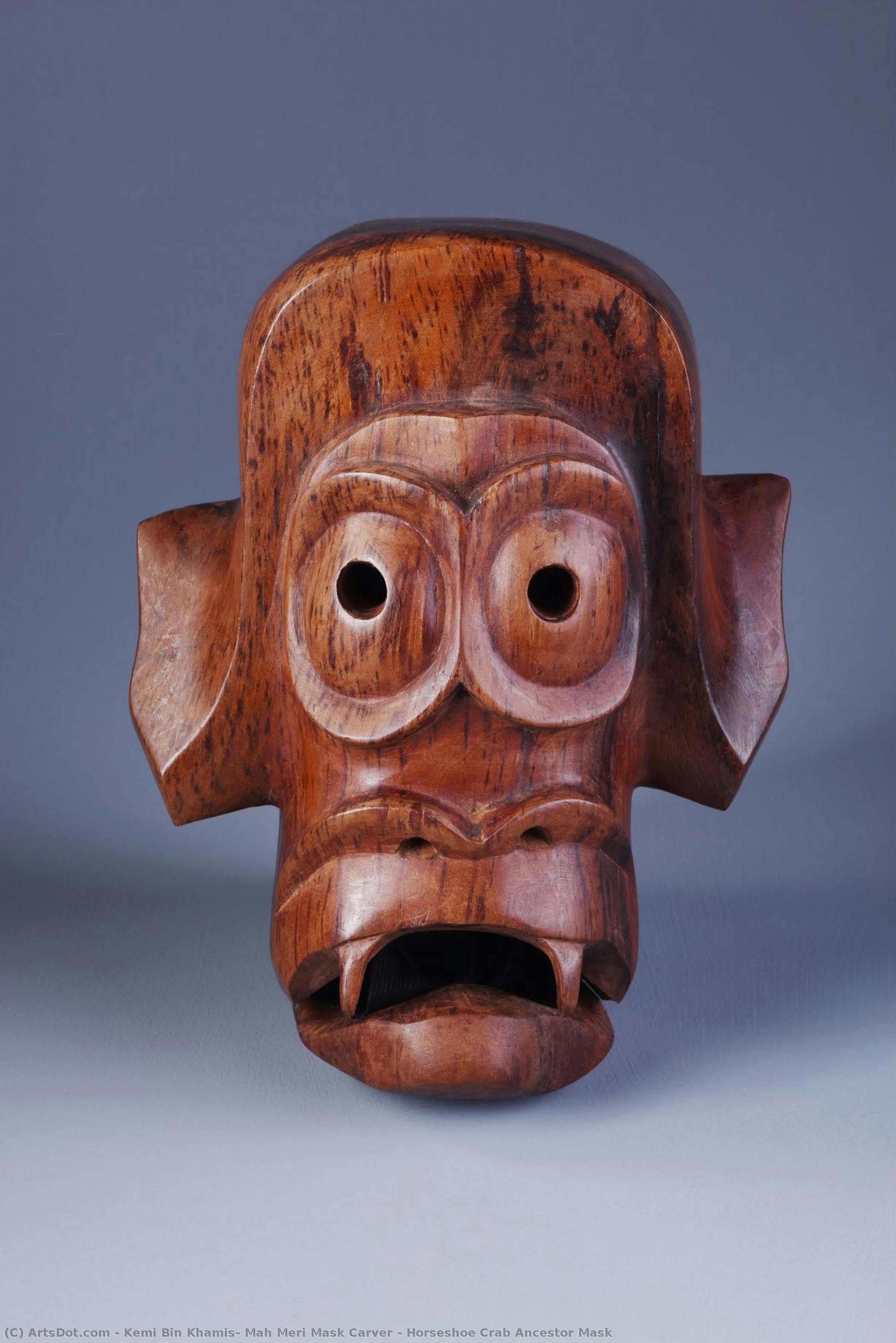
StatsHorseshoe Crab Ancestor Mask


 詳細を見る
詳細を見る
ジークレー/アートプリント
迅速な制作と多彩な仕上げオプションを備えた、ミュージアムクオリティのジークレーまたはキャンバスプリント。 ( 手描きの絵画を購入 Switch to Digital Image)




































作品のオリジナル比率に合わせた、当店の規定サイズからお選びください。

特定のフレームやスペースに合わせて、ご自身でサイズを指定することも可能です。選択されたサイズが元の画像の比率と一致しない場合、作品をトリミングするか、鏡面反射または単色での塗りつぶしによって画像を拡張いたします。制作を開始する前に、ご確認用のデジタルモックアップをお送りいたします。
画面上のプレビューには、実際のトリミングや拡張は反映されませんのでご注意ください。最終的な構図を正確に確認できるのは、モックアップのみとなります。
カスタムサイズも承っておりますが、元の比率を維持するためには、あらかじめ用意されたリストからサイズを選択することをお勧めいたします。


 ガラスオプションは、110cm未満のサイズでのみご利用いただけます。

Horseshoe Crab Ancestor Mask
ジークレー/アートプリント
複製画のサイズ
-


合計金額
$ 62
関連作品









アーティストの略歴
Kemi Bin Khamis: Weaver of Spirits – A Legacy Carved in Wood
Born in Sungai Bumbun, Malaysia, into the heart of the Mah Meri tribe, kemi bin khamis’s life is inextricably linked to a profound and ancient tradition. His story isn't simply that of an artist; it’s one of cultural preservation, spiritual connection, and the enduring power of ancestral storytelling manifested in exquisitely crafted wooden masks. The Mah Meri people, known as the Orang Asli – “the original people” – have long held a deep reverence for nature and the spirits inhabiting both the physical and unseen worlds. For generations, they’ve utilized intricate mask carving not merely as adornment, but as vital conduits to communicate with these ancestral entities during sacred rituals and ceremonies.
Kemi's journey began within this rich tapestry of tradition. Growing up immersed in the Mah Meri culture, he learned the art of mask making from his elders – a process passed down through countless generations. Unlike formal artistic training, Kemi’s education was rooted in observation, apprenticeship, and an intimate understanding of the materials themselves: primarily locally sourced hardwoods like teak and ebony. These woods, chosen for their strength, grain, and inherent beauty, are treated with respect and imbued with symbolic meaning before being shaped into the masks that represent a lineage of spirits.
The Language of the Masks
The masks created by Kemi Bin Khamis aren’t simply decorative objects; they are complex visual narratives. Each mask embodies a specific spirit, often linked to animals – particularly the horseshoe crab, which holds immense significance within Mah Meri cosmology. The horseshoe crab is revered as an ancestor, representing longevity, resilience, and connection to the ocean's depths. Kemi meticulously replicates the creature’s form, incorporating intricate details like its distinctive shell markings and segmented legs into the mask’s design. Beyond the animal representation, the masks are adorned with geometric patterns, stylized eyes, and carefully placed feathers – each element carrying a specific symbolic weight within the tribal lexicon.
The process of carving is itself a spiritual undertaking. Kemi works slowly and deliberately, often spending weeks or even months on a single mask. He uses traditional hand tools—gouges, knives, and files—to coax the wood into shape, guided by intuition and ancestral knowledge. The rhythmic sounds of the carving – the scrape of metal against wood – are believed to invoke the spirits themselves, ensuring that the masks resonate with authentic power.
Collaboration and Preservation
Recognizing the importance of documenting and safeguarding this vanishing tradition, Kemi has actively engaged in collaborative projects aimed at preserving Mah Meri cultural heritage. He partnered with Universiti Malaya Community Engagement Centre (UMcares) to meticulously record the stories behind each mask – tales passed down through oral traditions, detailing the spirits they represent and their roles within tribal ceremonies. This documentation is crucial for ensuring that these narratives aren’t lost to time.
Furthermore, Kemi has generously shared his skills through workshops, offering a rare opportunity for others to experience the profound connection between art, spirituality, and cultural identity. These intimate sessions allow him to transmit not just technical knowledge but also the deep respect and reverence that underpin Mah Meri mask carving. His work has garnered attention through exhibitions and publications, bringing increased visibility to Malaysia’s diverse indigenous cultures and highlighting the vital role of artists like Kemi in preserving them.
A Continuing Legacy
Kemi Bin Khamis's contribution extends far beyond the creation of beautiful masks; he is a living embodiment of his tribe’s heritage. His dedication to documenting, sharing, and teaching ensures that the traditions of the Mah Meri people – their stories, beliefs, and artistic practices – will continue to resonate for generations to come. His work stands as a powerful testament to the enduring strength of indigenous cultures and the profound beauty found in honoring ancestral wisdom. The “Horseshoe Crab Ancestor Mask” (D8J4XJ), showcased on ArtsDot.com, offers a glimpse into this remarkable artist’s world – a world where art is inextricably linked to spirituality, tradition, and the enduring spirit of Malaysia's Orang Asli people.
基本情報
- Artistic Movement Or Style: Mah Meri mask carving
- Date Of Birth: Sungai Bumbun, Malaysia
- Full Name: Kemi Bin Khamis
- Nationality: Malaysian
- Notable Artworks: ['Horseshoe Crab Ancestor Mask']
- Place Of Birth: Sungai Bumbun, Malaysia