

 プレビュー
プレビュー
 シェアする
シェアする シェアする
シェアする
 詳細を見る
詳細を見る

 ダウンロード
 似ている作品
 X線調査
X線調査 スライドショー
 Stats
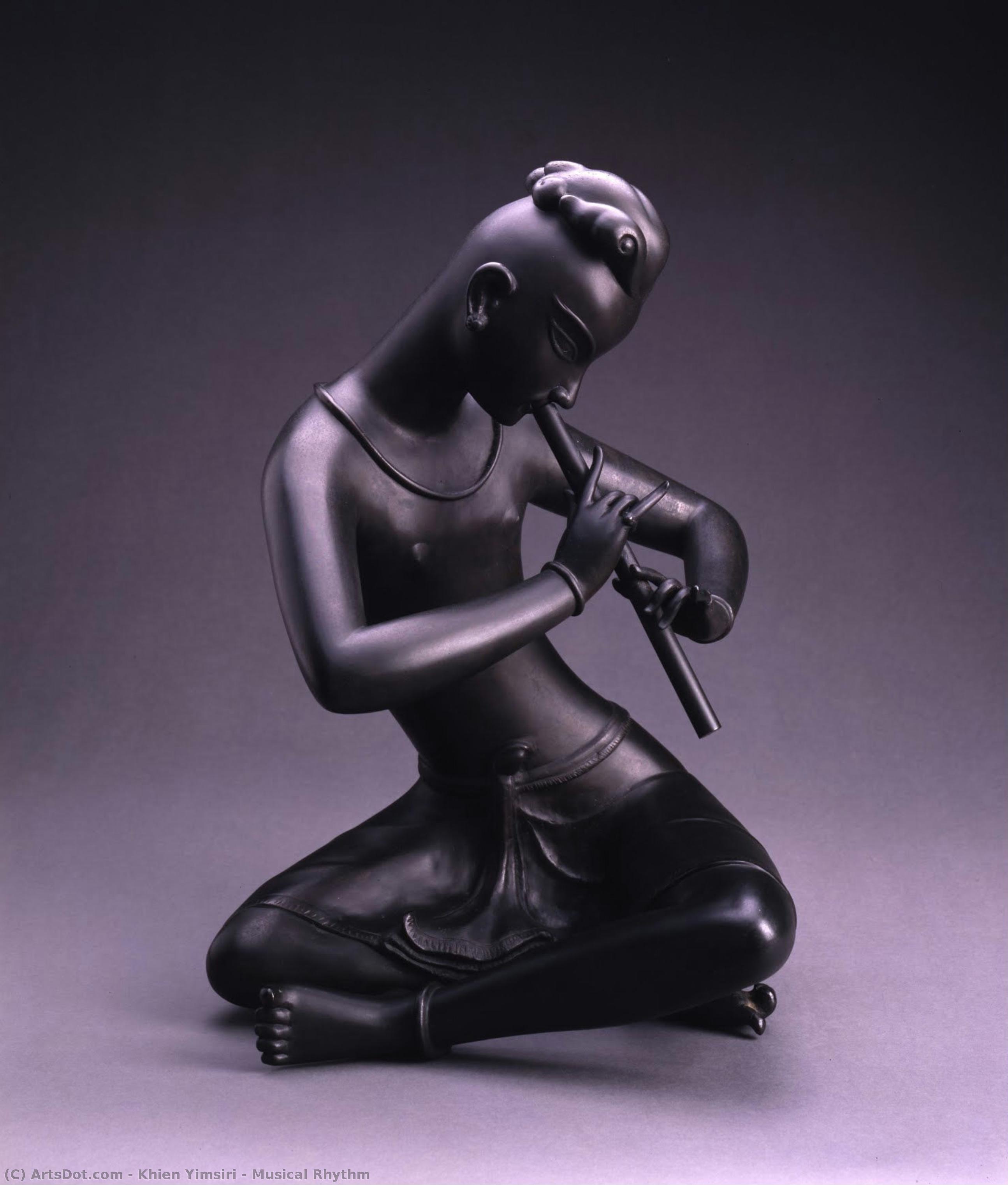
StatsMusical Rhythm
 39.0 x 53.0 cm
 福岡アジア美術館
 詳細を見る
詳細を見る
手描き油彩複製画
当社のアーティストが、お客様のご希望のサイズと額縁に合わせて、キャンバスに手描きで制作する油彩画です。 ( Switch to Print Switch to Digital Image)




































作品のオリジナル比率に合わせた、当店の規定サイズからお選びください。

特定のフレームやスペースに合わせて、ご希望のサイズをご入力いただけます。選択されたサイズが元の画像の比率と異なる場合、アートワークをトリミングするか、手描きで要素を追加して絵画を拡張いたします。デジタルモックアップ を制作し、制作開始前にご確認(承認)をいただきます。
画面上のプレビューは、実際のトリミングや拡張を正確に反映しているものではありません。最終的な構図は、モックアップによってのみ正確にご確認いただけます。
カスタムサイズもご利用いただけますが、元の比率を維持するためには、あらかじめ用意されたリストからサイズを選択することをお勧めいたします。
ご注文後、ArtsDot.com チームより詳細な指示をお送りするとともに、仕上がりイメージ(モックアップ)をご提供いたします。


 ガラスオプションは、110cm未満のサイズでのみご利用いただけます。

Musical Rhythm
複製技法
複製画のサイズ
-


合計金額
$ 263
関連作品








アーティストの略歴
Khien Yimsiri: A Rhythm of Thai Modernity
Born in Bangkok, Thailand in 1922, Khien Yimsiri’s life and artistic journey represent a pivotal moment in the evolution of Thai sculpture. He wasn't merely an artist; he was a teacher, a mentor, and a catalyst for change within the burgeoning field of modern art in his homeland. Yimsiri’s legacy extends far beyond the individual pieces he created, profoundly influencing generations of sculptors at Silpakorn University, Bangkok – the very institution that nurtured his own talent.
Yimsiri's artistic education began with a rigorous foundation at Rongrian Praneetsilapakam (School of Fine Arts, now Silpakorn University) in 1941. This early training instilled within him a deep appreciation for traditional Thai aesthetics and techniques. However, his ambition extended beyond simply preserving the past; he sought to synthesize these influences with the innovative currents sweeping through European art at the time. This desire led him to further his studies at the Academy of Fine Arts of Rome from 1953 to 1954, an experience that exposed him to a wealth of Western artistic traditions – particularly the semi-abstract sculptures gaining prominence during that era.
A significant turning point in Yimsiri’s career came with his time studying under Henry Moore at Chelsea College of Art and Design in London. This immersion in British modernism, characterized by its exploration of form and space, undoubtedly shaped his approach to sculpture. He was particularly drawn to the dynamic, often biomorphic forms that defined Moore's work – a departure from the more static representations prevalent in much of Thai art at the time.
The Language of Rhythm and Form
Yimsiri’s sculptures are immediately recognizable for their distinctive rhythmic quality. He masterfully employed repetition, variation, and asymmetry to create works that seem to pulse with an internal energy. His pieces aren't static objects; they invite the viewer to engage in a dynamic dialogue, interpreting the interplay of shapes and lines. This emphasis on rhythm is deeply rooted in Thai concepts of balance and harmony – principles often found within traditional dance and music.
Influenced by both Western abstraction and his native heritage, Yimsiri drew inspiration from a diverse range of sources. He frequently referenced elements of Buddhist iconography—Buddha statues, spiritual dolls, terracotta toys, and votive tablets—but transformed these familiar motifs into strikingly modern forms. The Sukhothai era (1238–1438) provided a rich source of imagery, with its intricate detailing and symbolic representations offering a compelling contrast to the more streamlined aesthetic of his Western influences.
A Bridge Between Tradition and Modernity
Khien Yimsiri’s work represents a crucial bridge between Thailand's rich artistic traditions and the burgeoning world of modern art. He skillfully navigated the complexities of cultural exchange, absorbing the lessons of European masters while retaining a distinctly Thai sensibility. His ability to synthesize these seemingly disparate influences is what truly sets his work apart.
During the 1940s, Thailand experienced a revival of traditionalism, and Yimsiri’s work at the Fine Art Department provided him with the opportunity to explore this heritage. He skillfully blended elements of Thai cultural heritage with Western semi-abstract sculptures, creating a unique artistic voice that resonated deeply within the Thai art community.
Legacy and Influence
Khien Yimsiri tragically died in 1971, but his impact on Thai sculpture remains profound. He wasn't just a sculptor; he was an educator who shaped the careers of countless students at Silpakorn University. His emphasis on experimentation, abstraction, and rhythmic form continues to inspire artists today. The research conducted by Thanavi Chotpradit highlights Yimsiri’s pivotal role in introducing modern sculptural techniques to Thailand, solidifying his place as a true pioneer of Thai art.
His work is documented through various sources, including Instagram posts that showcase the dynamism and expressive power of his sculptures. Further research available on Routledge Encyclopedia of Modernism confirms his status as a key figure in the development of modern Thai sculpture. His contribution to ArtBangkok.com provides valuable insight into his artistic practice and recognition within the local art scene.

khien yimsiri
1922 - 1971 , Thailand
基本情報
- Artistic Movement Or Style: Modern Thai Sculpture
- Artists Who Influenced This Artist:
- Henry Moore
- Silpa Bhirasri
- Date Of Birth: 1922
- Date Of Death: 1971
- Full Name: Khien Yimsiri
- Nationality: Thai
- Place Of Birth: Bangkok, Thailand