

 プレビュー
プレビュー
 プリントを購入
 シェアする
シェアする シェアする
シェアする
 詳細を見る
詳細を見る

 ダウンロード
 似ている作品
 X線調査
X線調査 スライドショー
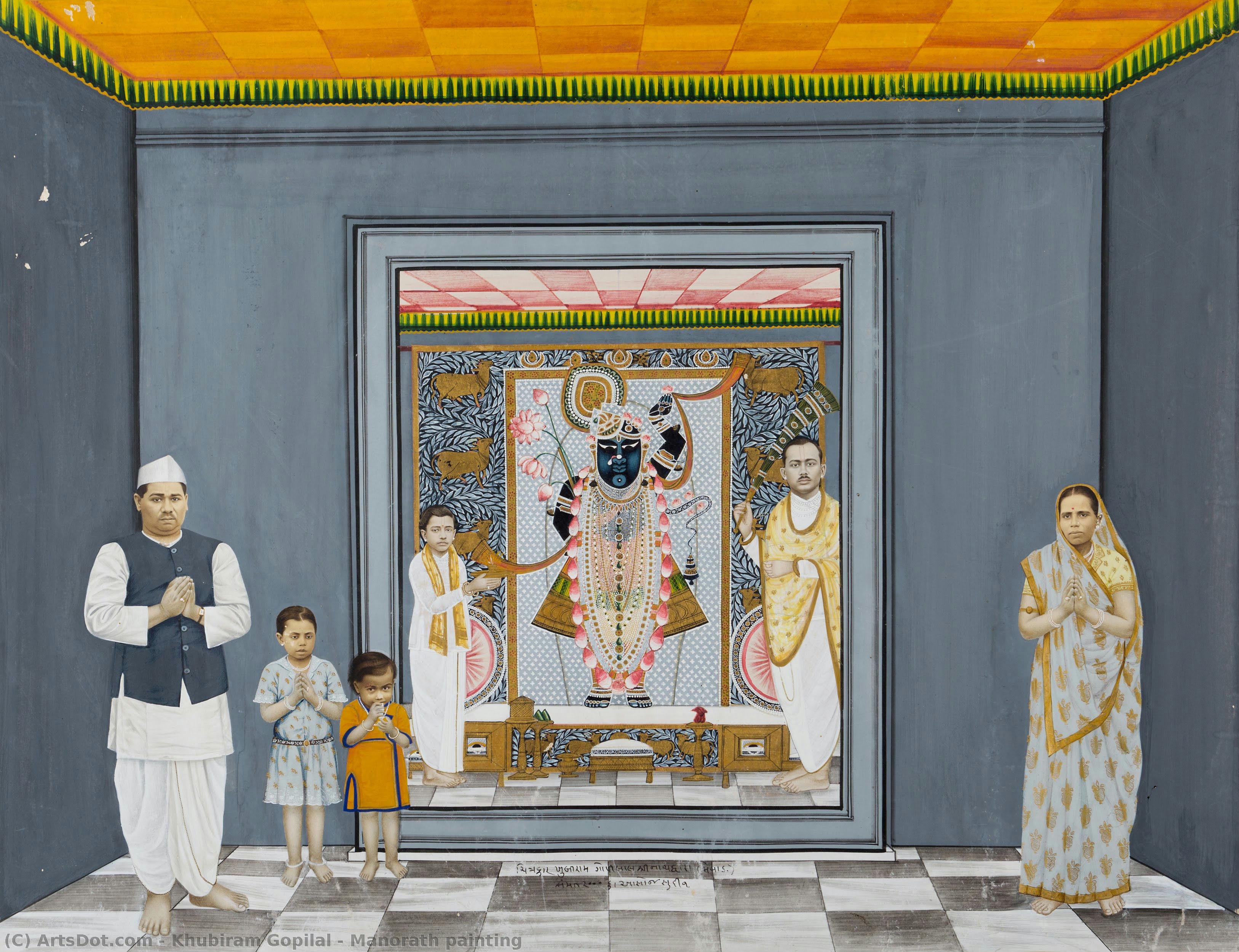
Manorath painting


 詳細を見る
詳細を見る




P118B $10

P118H $10

P118W $10

P438Z $10

P508JH $12

P508YH $12

P805H $10

P805Z $10

P919BZ $10

P919G $10

P919XJ $10

P959ZH $10

P968JZ $12

W106C $8

W218G $10

W218JH $8

W218Y $10

W307PJ $10

W316G $10

W316PJ $8

W316Y $10

W398PJ $8

W4111J $10

W500HY $15

W500JH $15

W692G $12

W849H $8

W940BG $15

W953PJ $8




作品のオリジナル比率に合わせた、当店の規定サイズからお選びください。

特定のフレームやスペースに合わせて、ご希望のサイズをご入力いただけます。選択されたサイズが元の画像の比率と異なる場合、アートワークをトリミングするか、手描きで要素を追加して絵画を拡張いたします。デジタルモックアップ を制作し、制作開始前にご確認(承認)をいただきます。
画面上のプレビューは、実際のトリミングや拡張を正確に反映しているものではありません。最終的な構図は、モックアップによってのみ正確にご確認いただけます。
カスタムサイズもご利用いただけますが、元の比率を維持するためには、あらかじめ用意されたリストからサイズを選択することをお勧めいたします。
ご注文後、ArtsDot.com チームより詳細な指示をお送りするとともに、仕上がりイメージ(モックアップ)をご提供いたします。


 ガラスオプションは、110cm未満のサイズでのみご利用いただけます。

Manorath painting
複製技法
複製画のサイズ
-


合計金額
$ 263
A Devotional Encounter: The Soul of Manorath Painting
In the quiet, sacred atmosphere of Nathdwara, there exists a unique intersection where the divine meets the personal through the medium of Manorath painting. This exquisite piece, dating from 1944, serves as more than just a visual representation; it is a profound act of devotion captured in pigment and collage. At its heart, the work depicts a family participating in the joyous Nanda festival, a celebration of the infant Krishna’s arrival into the care of Yashoda and Nanda. The painting captures a moment of darshan—the sacred viewing of the deity—where the boundaries between the earthly devotee and the divine Shrinathji begin to dissolve. Through the masterful hand of the Khubiram Gopilal studio, we are invited into a private, spiritual sanctuary where every brushstroke breathes with the rhythm of ancient ritual.
The composition is a breathtaking marriage of traditional Pichwai artistry and an early, experimental use of photographic collage. The central focus rests upon the donors, whose presence is felt through a technique that was revolutionary for its time: the figures of the family have been meticulously cut from photographs and pasted into the painted scene. This creates a startlingly intimate effect, as if the very people who commissioned the work have stepped out of time to stand eternally beside the Pichwai of Shrinathji. Surrounded by the delicate presence of birds and the domestic stillness of a room adorned with a simple clock and chair, the painting bridges the gap between the ephemeral human life and the eternal presence of the gods.
Technique and the Legacy of Khubiram Gopilal
The artistry behind this work is deeply rooted in the lineage of the Khubiram Gopilal studio, a name synonymous with the preservation of Nathdwara’s cultural heritage. The technique employed here is a sophisticated blend of painterly tradition and studio photography. As a master of both mediums, Gopilal utilized the precision of photographic elements to ground the spiritual narrative in reality, while using the lush, symbolic language of Indian miniature painting to elevate the scene. This duality allows the viewer to experience the painting not just as an object of art, but as a memento—a physical keepsake of a pilgrimage and a prayer.
For the discerning collector or interior designer, this reproduction offers a rare opportunity to possess a piece that embodies historical innovation. The interplay of textures—the smooth, pasted photographic portraits against the rich, detailed backdrop of the festival scene—provides a visual depth that is both intellectually stimulating and aesthetically soothing. It is a work that demands contemplation, offering a window into a 1940s India where tradition was not merely being preserved, but was actively evolving through new technologies. To display such a piece is to bring a sense of timelessness and sacred tranquility into a modern space, making it an incomparable centerpiece for those who value art with a profound spiritual heartbeat.
関連作品
アーティストの略歴
early life and career
khubiram gopilal, an indian artist, was born in 1891 in nathdwara, india, and passed away in 1970. his artistic journey began with a focus on portrait painting, specifically the style known as manorath paintings. these paintings were created for pilgrims visiting the temple at nathdwara as mementos of their worship of the young krishna.artistic style and significance
gopilal's work is characterized by its unique approach to portraiture, blending traditional indian elements with photographic techniques. as a painter, studio photographer, and collagist, he specialized in capturing the essence of his subjects. his version of lord shiva's portrait, released in 1930, is a notable example of his skill.notable works
* maha daan leela or the 'festival of the toll' in nathdwara: a large pichwai showcasing gopilal's mastery of capturing the spirit of indian culture. * featured in monash gallery of art and google arts & culturelegacy and impact
gopilal's contributions to indian art are undeniable. his work has been featured in prominent galleries, including the national gallery of modern art (india), highlighting his influence on modern indian painting.- his unique style has inspired generations of artists, both in india and globally.
- gopilal's work serves as a bridge between traditional indian art forms and modern photographic techniques.
- as an artist, he played a crucial role in promoting cultural diplomacy through his art.
conclusion
khubiram gopilal's artistic legacy is a testament to the power of indian art. through his manorath paintings, he has left an indelible mark on the world of art, inspiring future generations with his unique blend of traditional and modern techniques. recommended reading: * pablo picasso: the fool (symbolism, watercolour) * sandra ramos: a cuban contemporary painter exploring nationality, gender, and identity.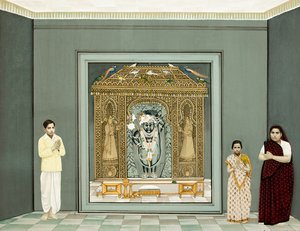
khubiram gopilal
1891 - 1970 , India
基本情報
- Artistic Movement Or Style: Regionalism
- Artists Or Movements Influenced By This Artist: ['American Regionalism']
- Artists Who Influenced This Artist: ['Paul Gauguin']
- Date Of Birth: February 13, 1891
- Date Of Death: 1970
- Full Name: Grant Wood
- Nationality: American
- Notable Artworks:
- Shrine Quartet
- July Fifteenth
- Tree Planting
- Place Of Birth: Anamosa, Iowa, USA
関連記事
クロード・モネ傑作25選:光と色彩の印象派を彩る名画の世界 | ArtsDot
クロード・モネの傑作25選。印象派を代表する光の画家、モネの世界を旅しませんか?睡蓮や風景画など、名画の背景にある物語と芸術技法をご紹介。ArtsDotで高品質な複製画とインテリアアートを見つけましょう。全コレクションはこちら。

ポール・セザンヌ:至高の25選 - 傑作と革新の軌跡 | ArtsDot
ポール・セザンヌの至高の25選。ポスト印象派を代表する画家、セザンヌの傑作と革新的な技法を紐解きます。ArtsDotで高品質な複製画やインテリアアートを見つけ、芸術の世界をご自宅に。今すぐコレクションをご覧ください。
ウィンスロー・ホーマー傑作25選:アメリカの魂を揺さぶる絵画の世界 | ArtsDot
ウィンスロー・ホーマーの傑作25選。アメリカ美術を代表する画家、風景画から海洋画まで、その感動的な絵画の世界を探求。ArtsDotで複製画やアートプリントを手に入れ、お部屋に名画の輝きを。コレクションはこちら: ArtsDot.com
Chrome Green Masterpieces: 10 Famous Paintings & Their Alluring Hues |
Explore 10 famous paintings where 'Chrome Green' reigns supreme! Discover Monet, Manet & Van Gogh’s masterpieces. Learn the stories behind these iconic artworks and find museum-quality art reproductions for your home at .

Sir Alfred Munnings' Masterpieces: 25 Paintings That Define Equine Art | ArtsDot
Explore 25 iconic Sir Alfred Munnings paintings! Discover the beauty of British Impressionism, equine art & rural England. Find museum-quality reproductions and elevate your home decor with ArtsDot. Explore the full collection online.