

 プレビュー
プレビュー
 プリントを購入
 シェアする
シェアする シェアする
シェアする
 詳細を見る
詳細を見る

 ダウンロード
 似ている作品
 X線調査
X線調査 スライドショー
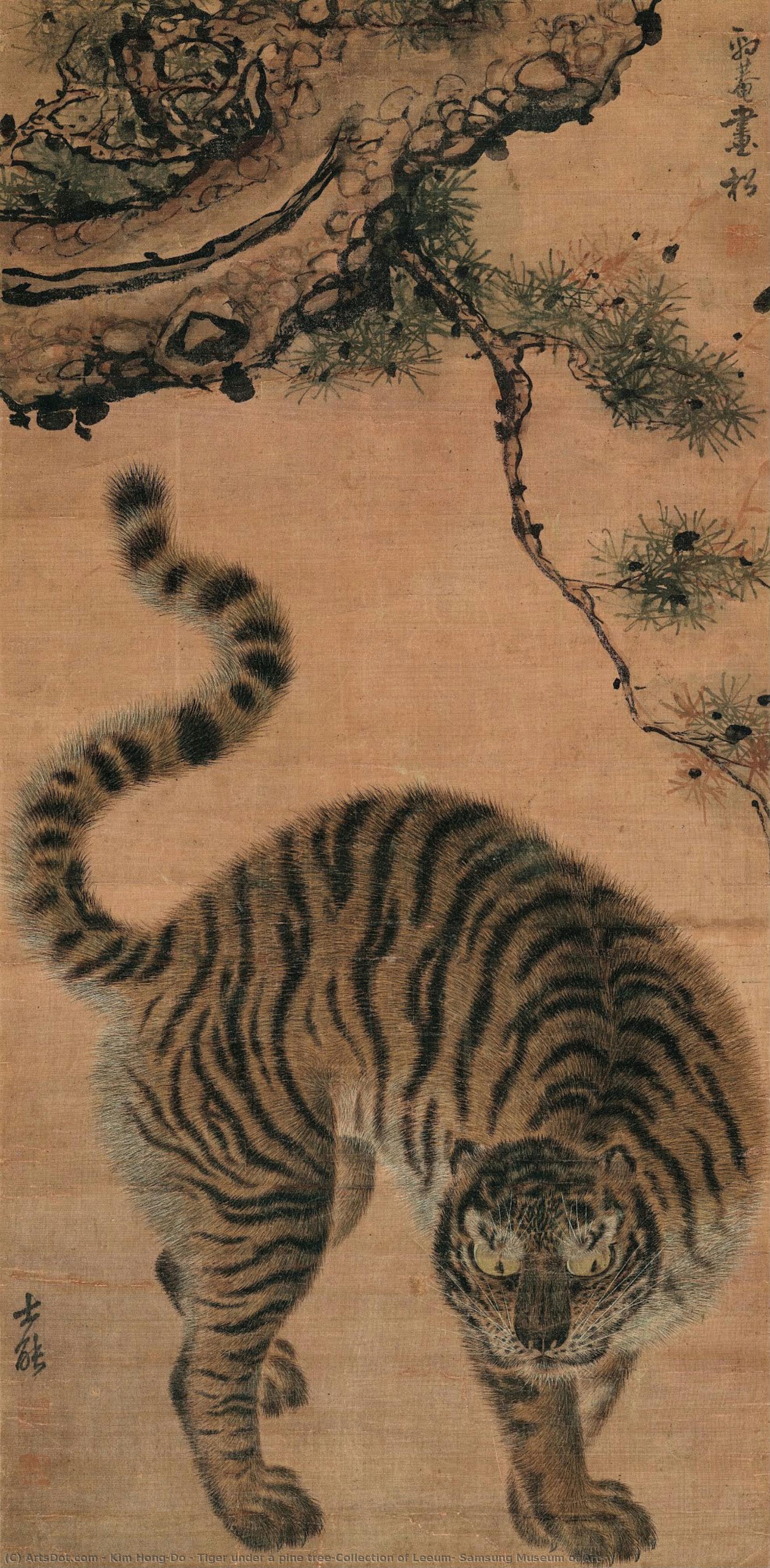
Tiger under a pine tree(Collection of Leeum, Samsung Museum of Art)
 Dutch Golden Age
 19th Century
 90.0 x 43.0 cm
 国立中央博物館
 詳細を見る
詳細を見る




P118B $10

P118H $10

P118W $10

P438Z $10

P508JH $12

P508YH $12

P805H $10

P805Z $10

P919BZ $10

P919G $10

P919XJ $10

P959ZH $10

P968JZ $12

W106C $8

W218G $10

W218JH $8

W218Y $10

W307PJ $10

W316G $10

W316PJ $8

W316Y $10

W398PJ $8

W4111J $10

W500HY $15

W500JH $15

W692G $12

W849H $8

W940BG $15

W953PJ $8




作品のオリジナル比率に合わせた、当店の規定サイズからお選びください。

特定のフレームやスペースに合わせて、ご希望のサイズをご入力いただけます。選択されたサイズが元の画像の比率と異なる場合、アートワークをトリミングするか、手描きで要素を追加して絵画を拡張いたします。デジタルモックアップ を制作し、制作開始前にご確認(承認)をいただきます。
画面上のプレビューは、実際のトリミングや拡張を正確に反映しているものではありません。最終的な構図は、モックアップによってのみ正確にご確認いただけます。
カスタムサイズもご利用いただけますが、元の比率を維持するためには、あらかじめ用意されたリストからサイズを選択することをお勧めいたします。
ご注文後、ArtsDot.com チームより詳細な指示をお送りするとともに、仕上がりイメージ(モックアップ)をご提供いたします。


 ガラスオプションは、110cm未満のサイズでのみご利用いただけます。

Tiger under a pine tree(Collection of Leeum, Samsung Museum of Art)
複製技法
複製画のサイズ
-


合計金額
$ 263
作品解説
A Portrait of Everyday Life: Exploring Kim Hong-do’s “Tiger Under a Pine Tree”
Kim Hong-do, born in Ansan in 1745 and passing away in 1806, stands as one of Korea's most celebrated genre painters of the Joseon Dynasty. His oeuvre embodies the spirit of the Dutch Golden Age – meticulous observation coupled with an empathetic portrayal of human experience—establishing him as a pivotal figure in Korean artistic history. This stunning silk artwork, “Tiger Under a Pine Tree,” housed within the Leeum Samsung Museum of Art’s collection, exemplifies his masterful technique and offers a profound glimpse into 18th-century Korean society.The Artist's Vision: Realism Rooted in Observation
Kim Hong-do’s artistic approach was fundamentally driven by realism, yet transcended mere replication. He meticulously documented the nuances of daily life—scenes from rural landscapes, portraits of ordinary people engaged in commonplace activities—transforming these subjects into narratives brimming with emotion and social commentary. His signature “danwon” (단원), signifying "single vessel," reflects his unwavering commitment to capturing the essence of human existence, mirroring the humanist ideals prevalent during his time. Unlike many artists preoccupied with grand mythological or historical themes, Kim Hong-do focused on elevating the dignity of ordinary individuals, presenting them not as mere figures but as complex characters imbued with inner life.Technique and Material: Silk Painting – A Legacy of Precision
The artwork itself is executed in silk painting—a technique favored by Joseon artists for its ability to achieve remarkable luminosity and textural detail. Kim Hong-do skillfully employed layering pigments onto the silk surface, utilizing a glazing method that builds up color gradually, resulting in an image rich with subtle gradations and shimmering hues. The artist’s meticulous attention to brushstrokes contributes significantly to the painting's visual impact, conveying both movement and stillness simultaneously. This careful craftsmanship speaks volumes about the artistic standards of the era and underscores Kim Hong-do’s dedication to achieving unparalleled realism.Symbolism Within Nature: Pine Trees and Tigers – Representations of Strength and Longevity
Beyond its technical prowess, “Tiger Under a Pine Tree” resonates with symbolic significance rooted in Confucian philosophy. The pine tree—a revered symbol representing longevity, resilience, and moral virtue—provides a grounding element against which the tiger’s posture is contrasted. Traditionally associated with courage and nobility, the tiger embodies power and vigilance, yet its downward gaze suggests contemplation and introspection. Together, these elements convey a harmonious balance between outward strength and inner reflection – themes central to Joseon artistic sensibilities and reflecting Kim Hong-do's profound understanding of human psychology.A Window into Korean Culture: Contextualizing Artistic Expression
Displayed prominently within the Leeum Samsung Museum of Art’s collection, “Tiger Under a Pine Tree” serves as an invaluable artifact for appreciating Korean cultural heritage. Its provenance underscores its importance within the broader artistic landscape of the Joseon Dynasty and highlights the museum's commitment to preserving and disseminating Korean art history. For interior designers seeking inspiration or collectors desiring to acquire a stunning reproduction, this artwork offers not only aesthetic beauty but also a connection to Korea’s rich artistic tradition—a testament to Kim Hong-do’s enduring legacy as a master of genre painting.関連作品
アーティストの略歴
韓国のジャンル絵画の巨匠
金弘道は、朝鮮王朝を代表する画家であり、その魅惑的なジャンル絵画によって美術界に消しがたい足跡を残しました。1745年に生まれた彼の作品は、細部への驚くべきこだわりと、日常生活のエッセンスを捉える能力に特徴づけられ、オランダ黄金時代との共通点を見出しています。芸術様式と影響
金弘道の画風は、その写実性と、ありふれた人々の機微を描き出す繊細さで際立っています。彼の号である檀園(だんえん)は、人間経験の複雑さを捉えようとする彼の献身を反映しています。このアプローチは、単に題材に人間味を与えるだけでなく、18世紀の韓国社会への独自の窓を提供してくれたのです。注目すべき作品とコレクション
ジャンル絵画のアルバム(韓国国立博物館、ソウル、韓国)は、金弘道のジャンル絵画における技術力の証であり、芸術を通して物語を語る彼の能力を示しています。金弘道:ジャンル絵画のアルバム(韓国国立博物館、ソウル、韓国、紙)は、作家の多様性と深みを見せています。
遺産と影響
- 韓国美術への影響: 金弘道の作品は、特にジャンル絵画の分野において、韓国美術の発展に大きく貢献してきました。
- 国際的な評価: 彼の絵画は今や世界の美術論の一部となっており、ArtsDot.comのようなプラットフォームで多くが紹介され、芸術愛好家や研究者双方に広範な作品群を提供しています。
- 文化的意義: 金の芸術は、朝鮮王朝時代の一般の人々の生活を垣間見せてくれる歴史的なスナップショットとして機能しているのです。
ArtsDotでさらに探求する
金弘道の世界と韓国美術のより広いスペクトルに深く分け入ることに興味がある方にとって、金弘道:ジャンル絵画のアルバム(韓国国立博物館、ソウル、韓国、紙)は素晴らしい出発点となるでしょう。この作品は単に金の技術を示すだけでなく、18世紀の韓国人の生活へと窓を開けてくれます。ArtsDotの金弘道ページを訪れることで、この多作な芸術家に関するさらなる作品や詳細な情報を得ることができます。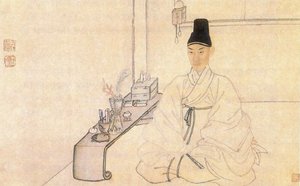
金弘道
1745 - 1806 , 韓国
基本情報
- Artistic Movement Or Style: 風俗画
- Artists Or Movements Influenced By This Artist: ['朝鮮王朝']
- Artists Who Influenced This Artist: ['オランダ黄金時代']
- Date Of Birth: 韓国安山 (1745年)
- Full Name: 金弘道
- Nationality: 韓国人
- Notable Artworks:
- 風俗画アルバム
- 金弘道:風俗画アルバム
- Place Of Birth: 安山
関連記事
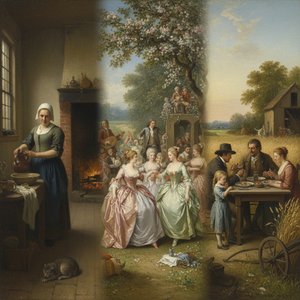
Scenes of Daily Life: A Comprehensive Exploration of Genre Painting Through History
Explore the rich history of genre painting! Discover Dutch Masters & European artists who captured everyday life with stunning realism. Learn about symbolism, techniques & lasting influence.
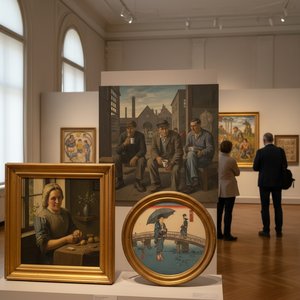
Reflections of the Mundane: Everyday Life in Art History
Explore the captivating world of genre painting! Discover how artists throughout history have depicted everyday life with stunning realism. Learn about key movements, famous painters & find art to reflect your own story.
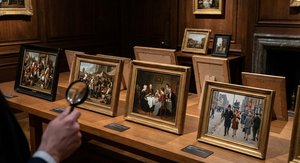
Echoes of Daily Life: Genre Painting & Societal Values Through the Ages
Explore the captivating world of genre painting! Discover Dutch Masters like Ostade & de Hooch, hidden symbolism, and social commentary in art history. Shop museum-quality reproductions at ArtsDot.
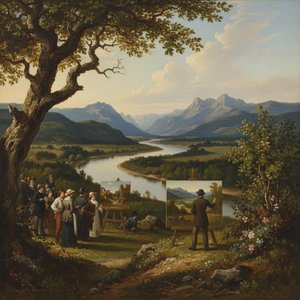
Thomas George Webster: Navigating Genre Boundaries & American Identity in 19th-Century Landscape Painting
Explore the captivating genre scenes of Thomas George Webster, a Victorian painter bridging British traditions with American themes. Discover his style, influences & legacy in 19th-century art history.
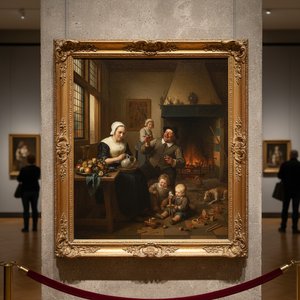
Genre Painting: A Window into Daily Life & Societal Values of the Dutch Golden Age
Explore the captivating world of Dutch Golden Age genre painting! Discover realistic depictions of daily life, masterful artists like Ostade & Metsu, and hidden symbolism. Learn about this influential art movement with ArtsDot.

