

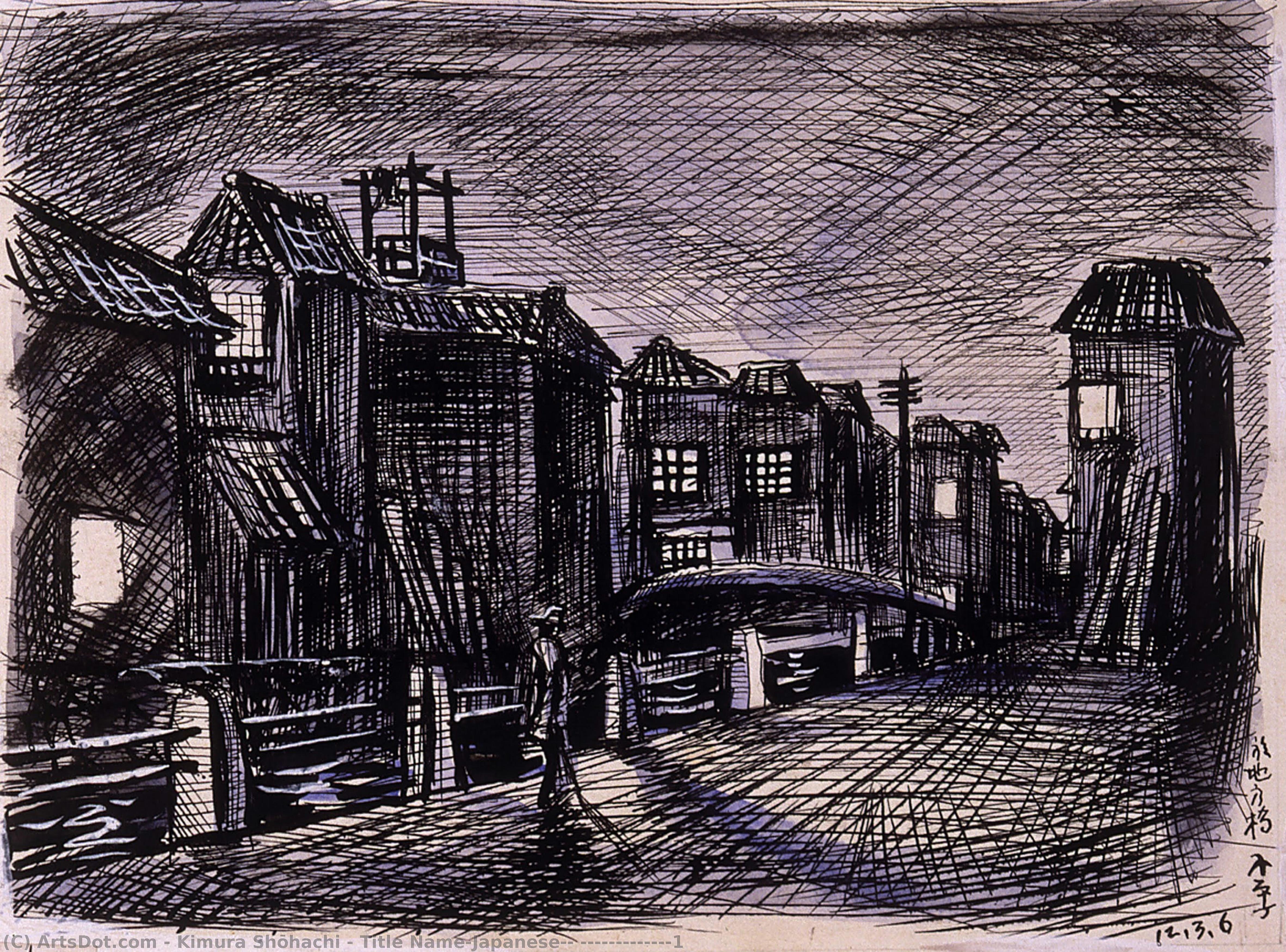
 プレビュー
プレビュー
 シェアする
シェアする シェアする
シェアする
 詳細を見る
詳細を見る

 ダウンロード
 似ている作品
 X線調査
X線調査 スライドショー
Title Name(Japanese): 永井荷風著『?東綺譚』挿絵1
 27.0 x 19.0 cm
 詳細を見る
詳細を見る
ジークレー/アートプリント
迅速な制作と多彩な仕上げオプションを備えた、ミュージアムクオリティのジークレーまたはキャンバスプリント。 ( 手描きの絵画を購入 画像を購入)




































作品のオリジナル比率に合わせた、当店の規定サイズからお選びください。

特定のフレームやスペースに合わせて、ご自身でサイズを指定することも可能です。選択されたサイズが元の画像の比率と一致しない場合、作品をトリミングするか、鏡面反射または単色での塗りつぶしによって画像を拡張いたします。制作を開始する前に、ご確認用のデジタルモックアップをお送りいたします。
画面上のプレビューには、実際のトリミングや拡張は反映されませんのでご注意ください。最終的な構図を正確に確認できるのは、モックアップのみとなります。
カスタムサイズも承っておりますが、元の比率を維持するためには、あらかじめ用意されたリストからサイズを選択することをお勧めいたします。


 ガラスオプションは、110cm未満のサイズでのみご利用いただけます。

Title Name(Japanese): 永井荷風著『?東綺譚』挿絵1
ジークレー/アートプリント
複製画のサイズ
-


合計金額
$ 62
関連作品








アーティストの略歴
Edvard Munch: A Soul Painted in Shadow and Light
Edvard Munch (December 12, 1863 – January 23, 1944) was a Norwegian painter and printmaker whose intensely evocative art explored the depths of human emotion—anxiety, despair, love, and death—making him one of the most influential figures in modern art. His work wasn’t merely about depicting reality; it was about translating inner experience onto canvas, forging a unique style that profoundly impacted Expressionism and continues to resonate with viewers today. Born into a family marked by illness and loss, Munch's early life shaped his artistic vision, imbuing his paintings with a palpable sense of vulnerability and psychological intensity.Early Life and Influences: A Foundation of Sorrow
Munch’s childhood was shadowed by tragedy. His mother died when he was only five years old, followed by the loss of his sister Johanne Sophie to tuberculosis at fourteen, and later his father, who succumbed to illness just a year before Munch's 21st birthday. These profound losses, coupled with the family’s history of mental instability – his uncle suffered from severe psychosis – created an atmosphere of pervasive anxiety and foreshadowed the themes that would dominate his oeuvre. He studied at the Royal School of Art and Design in Kristiania (now Oslo), but found academic training stifling. He sought inspiration outside traditional boundaries, immersing himself in the bohemian circles of the city and encountering figures like Hans Jæger, a nihilist writer who encouraged him to “paint his soul.” This philosophy—to express inner emotional states rather than external appearances—became central to Munch’s artistic approach. Crucially, he spent time in Paris, absorbing the influence of Impressionism, Post-Impressionism, and Symbolism – particularly the works of Paul Gauguin and Vincent van Gogh, whose bold colors and expressive brushstrokes offered a powerful alternative to academic realism.The Emergence of a Distinctive Style: ‘The Scream’ and Beyond
1893 marked a pivotal year for Munch, culminating in *The Scream* (originally titled *Der Schrei*), arguably his most famous work. The genesis of this iconic image—a figure frozen in an expression of primal terror against a blood-red sky—is famously recounted by Munch himself: he was walking along a fjord at sunset when he “heard the great, infinite scream in nature.” This experience wasn’t simply a visual observation; it was a visceral emotional response that became the foundation for much of his subsequent work. *The Scream* is not merely a depiction of fear but an embodiment of existential angst—a feeling of isolation and alienation at the heart of modern existence. Following this breakthrough, Munch embarked on *The Frieze of Life*, a series of fourteen paintings depicting stages of human experience: love, anxiety, joy, sin, sexuality, death, and ecstasy. These works are characterized by their raw emotionality, distorted figures, and unsettling color palettes—a deliberate departure from the prevailing aesthetic sensibilities of the time.Themes and Symbolism: Exploring the Darker Side of Humanity
Munch’s art is deeply rooted in psychological exploration. Recurring motifs include illness, death, sexuality, anxiety, and loneliness. He frequently employed symbolism to convey these complex emotions—often using distorted figures, exaggerated colors, and unsettling imagery. His paintings are not always easily deciphered; they invite viewers to confront uncomfortable truths about the human condition. The use of red, particularly in works like *The Blood Sacrifice* (1893-94), is often associated with violence, passion, and death. Similarly, his depictions of women—often rendered as pale, ethereal figures—explore themes of vulnerability, sexuality, and mortality. Munch’s work reflects a deep engagement with the philosophical ideas of his time, including Nietzsche's concept of the *Übermensch* (overman) and the growing interest in psychoanalysis.Legacy and Influence: A Lasting Impact on Art
Despite facing criticism and censorship during his lifetime—many of his works were deemed morally objectionable—Munch’s influence on 20th-century art is undeniable. He is considered a key precursor to Expressionism, paving the way for artists like Ernst Ludwig Kirchner and Emil Nolde. His exploration of psychological themes and his willingness to confront difficult subjects profoundly impacted the development of modern art. Furthermore, *The Scream* has transcended its artistic origins to become a universal symbol of anxiety and alienation—a potent image that continues to resonate with audiences worldwide. Today, Edvard Munch’s work is celebrated in museums around the globe, solidifying his place as one of the most important and enduring figures in art history. His legacy lies not only in his stunningly powerful paintings but also in his courageous exploration of the darkest corners of the human psyche.
kimura shōhachi
1893 - 1958 , Japan
基本情報
- Artistic Movement Or Style:
- Symbolism
- Expressionism
- Artists Or Movements Influenced By This Artist:
- Henri de Toulouse-Lautrec
- Expressionism
- Artists Who Influenced This Artist:
- Paul Gauguin
- Vincent van Gogh
- Date Of Birth: December 12, 1863
- Date Of Death: January 23, 1944
- Full Name: Edvard Munch
- Nationality: Norwegian
- Notable Artworks:
- The Scream
- Madonna
- Place Of Birth: Løten, Norway

