

 プレビュー
プレビュー
 シェアする
シェアする シェアする
シェアする
 詳細を見る
詳細を見る

 ダウンロード
 似ている作品
 X線調査
X線調査 スライドショー
 Stats
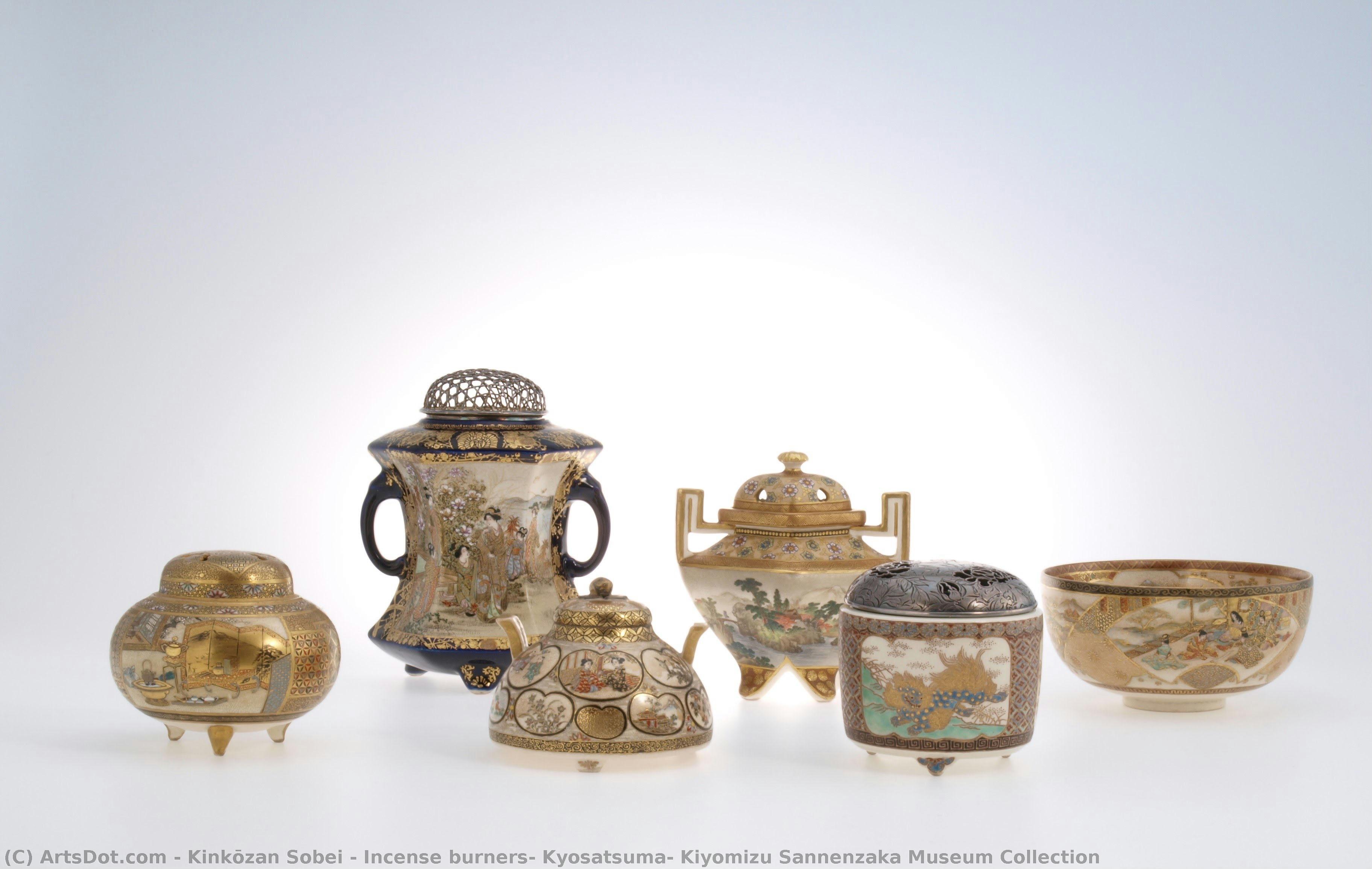
StatsIncense burners, Kyosatsuma, Kiyomizu Sannenzaka Museum Collection


 詳細を見る
詳細を見る
手描き油彩複製画
当社のアーティストが、お客様のご希望のサイズと額縁に合わせて、キャンバスに手描きで制作する油彩画です。 ( Switch to Print Switch to Digital Image)




































作品のオリジナル比率に合わせた、当店の規定サイズからお選びください。

特定のフレームやスペースに合わせて、ご希望のサイズをご入力いただけます。選択されたサイズが元の画像の比率と異なる場合、アートワークをトリミングするか、手描きで要素を追加して絵画を拡張いたします。デジタルモックアップ を制作し、制作開始前にご確認(承認)をいただきます。
画面上のプレビューは、実際のトリミングや拡張を正確に反映しているものではありません。最終的な構図は、モックアップによってのみ正確にご確認いただけます。
カスタムサイズもご利用いただけますが、元の比率を維持するためには、あらかじめ用意されたリストからサイズを選択することをお勧めいたします。
ご注文後、ArtsDot.com チームより詳細な指示をお送りするとともに、仕上がりイメージ(モックアップ)をご提供いたします。


 ガラスオプションは、110cm未満のサイズでのみご利用いただけます。

Incense burners, Kyosatsuma, Kiyomizu Sannenzaka Museum Collection
複製技法
複製画のサイズ
-


合計金額
$ 263
関連作品
アーティストの略歴
Kinkōzan Sobei (1825-1896): A Master of Kyoto’s Imperial Porcelain
Born in Kyoto, Japan, in 1825, Kinkōzan Sobei was more than just a potter; he was a pivotal figure in the evolution of Japanese ceramics and a key contributor to the international recognition of Satsuma ware. His life intertwined with the legacy of his family’s renowned workshop, the Kinkōzan, a lineage steeped in artistic tradition dating back to its founder, Kinkōzan Sōzui (1741-1818). Sobei's journey wasn't simply one of inheriting a craft; it was a deliberate and innovative response to changing times, ultimately shaping the distinctive aesthetic that would captivate Europe during the Meiji period.
His early life was deeply rooted in this established artistic heritage. As the son of Kinkōzan Sōzui, he received an unparalleled education in pottery techniques, mastering the intricacies of form, glaze, and decoration. The Kinkōzan workshop itself held a prestigious position, traditionally supplying ceramics to the imperial court and influential figures within the shogunate. This connection provided Sobei with access to rare clays, specialized firing methods, and a deep understanding of the symbolic language embedded in Japanese art – particularly the importance of auspicious motifs and refined elegance.
The Art of Satsuma: Innovation and Influence
Sobei’s true contribution lies in his pivotal role in developing and refining what became known as Kyō Satsuma ware. While the origins of Satsuma pottery itself trace back to the province of Kagoshima, Sobei and his successors in Kyoto elevated the style with a distinctive refinement and an emphasis on intricate detail that set it apart. The Kinkōzan workshop, under his guidance, began experimenting with new glazing techniques – particularly the development of the vibrant, layered colors characteristic of Kyō Satsuma – alongside the meticulous application of gold leaf (kinrande) and elaborate painted designs.
This innovation was directly influenced by Western artistic trends emerging during the Meiji Restoration. The opening of Japan to foreign trade in the mid-19th century exposed Japanese artisans to European art, particularly the opulent styles of Rococo and Baroque. Sobei skillfully adapted these influences, incorporating elements like floral motifs, arabesque patterns, and a heightened sense of decorative extravagance into his work. This fusion of traditional Japanese aesthetics with Western artistic sensibilities proved remarkably successful, propelling Kyō Satsuma ware onto the international stage.
A Global Stage: Exhibitions and Recognition
Sobei’s talent was quickly recognized on an international scale. His pieces were prominently featured at a series of prestigious exhibitions throughout the latter half of the 19th century, solidifying Kyō Satsuma's reputation as a premier art form. The Great Exhibition of 1862 in London showcased his exquisite craftsmanship, followed by the Exposition Universelle of 1867 in Paris and the Centennial Exposition of 1876 in Philadelphia. Perhaps most notably, his work was displayed at the World’s Columbian Exposition of 1893 in Chicago, cementing its place as a symbol of Japanese artistry within the global art market.
These exhibitions weren't merely displays; they were crucial moments for establishing Kyō Satsuma ware as a desirable commodity. Western collectors and connoisseurs were captivated by its vibrant colors, intricate designs, and perceived exoticism. The demand fueled production at the Kinkōzan workshop, transforming it into one of the most successful ceramic workshops in Japan during that era.
Legacy and Enduring Influence
Kinkōzan Sobei’s legacy extends far beyond his individual creations. He played a crucial role in shaping the trajectory of Japanese ceramics and fostering cross-cultural exchange between East and West. His innovations in glazing, design, and marketing techniques continue to inform contemporary ceramic artists. His work is now housed in museums around the world – including the Victoria and Albert Museum in London, the Guimet Museum of Asian Art in Paris, and the Philadelphia Museum of Art – serving as a testament to his skill and vision.
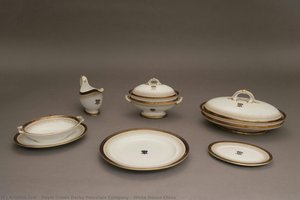
The Fujikawa Galleries in Japan remain a significant repository of Kinkōzan Sobei’s work, offering visitors a chance to appreciate the enduring beauty and historical significance of this remarkable artist. His influence can also be seen in the Kiyomizu Sannenzaka Museum Collection, where pieces like incense burners and tea sets exemplify the refined elegance that defined his artistic output.
Ultimately, Kinkōzan Sobei’s life represents a fascinating intersection of tradition and innovation—a testament to the power of an artist to adapt, evolve, and leave an indelible mark on the world of art.
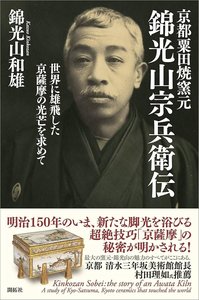
kinkōzan sobei
1825 - 1896 , Japan
基本情報
- Artistic Movement Or Style: Satsuma ware
- Artists Or Movements Influenced By This Artist: ['Meiji period art']
- Artists Who Influenced This Artist: ['Kinkōzan Sōzui']
- Date Of Birth: 1825
- Date Of Death: 1896
- Full Name: Kinkōzan Sobei
- Nationality: Japanese
- Notable Artworks:
- Incense burners
- Tea set chrysanthemums
- Place Of Birth: Kyoto, Japan
関連記事

Serenity on Canvas: A Guide to the Timeless Beauty of Japanese Landscape Painting
Discover the serene beauty of Japanese landscape painting. From Hokusai's iconic woodblock prints to meditative sumi-e ink washes, explore a visual journey through the 'floating world' and learn how to bring this timeless Zen aesthetic into your modern home decor.
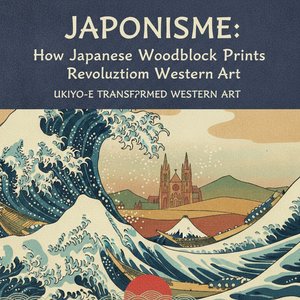
Japonisme: How Japanese Woodblock Prints Revolutionized Western Art
Explore the profound impact of Japonisme on Western art. Discover how Japanese ukiyo-e woodblock prints revolutionized perspective, color, and composition for masters like Monet and Van Gogh, forever changing the course of modern art history.

Floating World: The Captivating Art and Legacy of Japanese Ukiyo-e
Explore the profound beauty of Japanese Ukiyo-e. Discover the history, masters like Hokusai, and the enduring legacy of the 'Floating World' through an expert art-historical lens.

葛飾北斎:25の傑作が語る浮世絵の世界 - ArtsDot
葛飾北斎の25選:『神奈川沖浪裏』や『富嶽三十六景』など、浮世絵の世界を深く探求。木版画の技法と日本美術の美をArtsDotで。高品質なアートプリントで空間に感動を。コレクションはこちら。
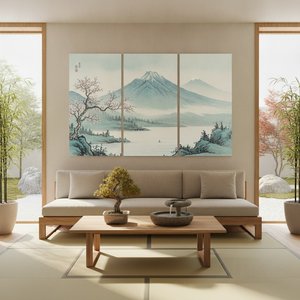
Serene Zen: Transforming Your New Home with the Timeless Elegance of Japanese Landscape Art
Transform your new home into a sanctuary of peace with stunning Japanese landscape art. Discover the beauty of Ukiyo-e and hand-painted Zen masterpieces designed to bring harmony and timeless elegance to your shared space. Expertly curated for modern lovers of fine art.