

 プリントを購入
 シェアする
シェアする シェアする
シェアする
 詳細を見る
詳細を見る

 ダウンロード
 似ている作品
 スライドショー
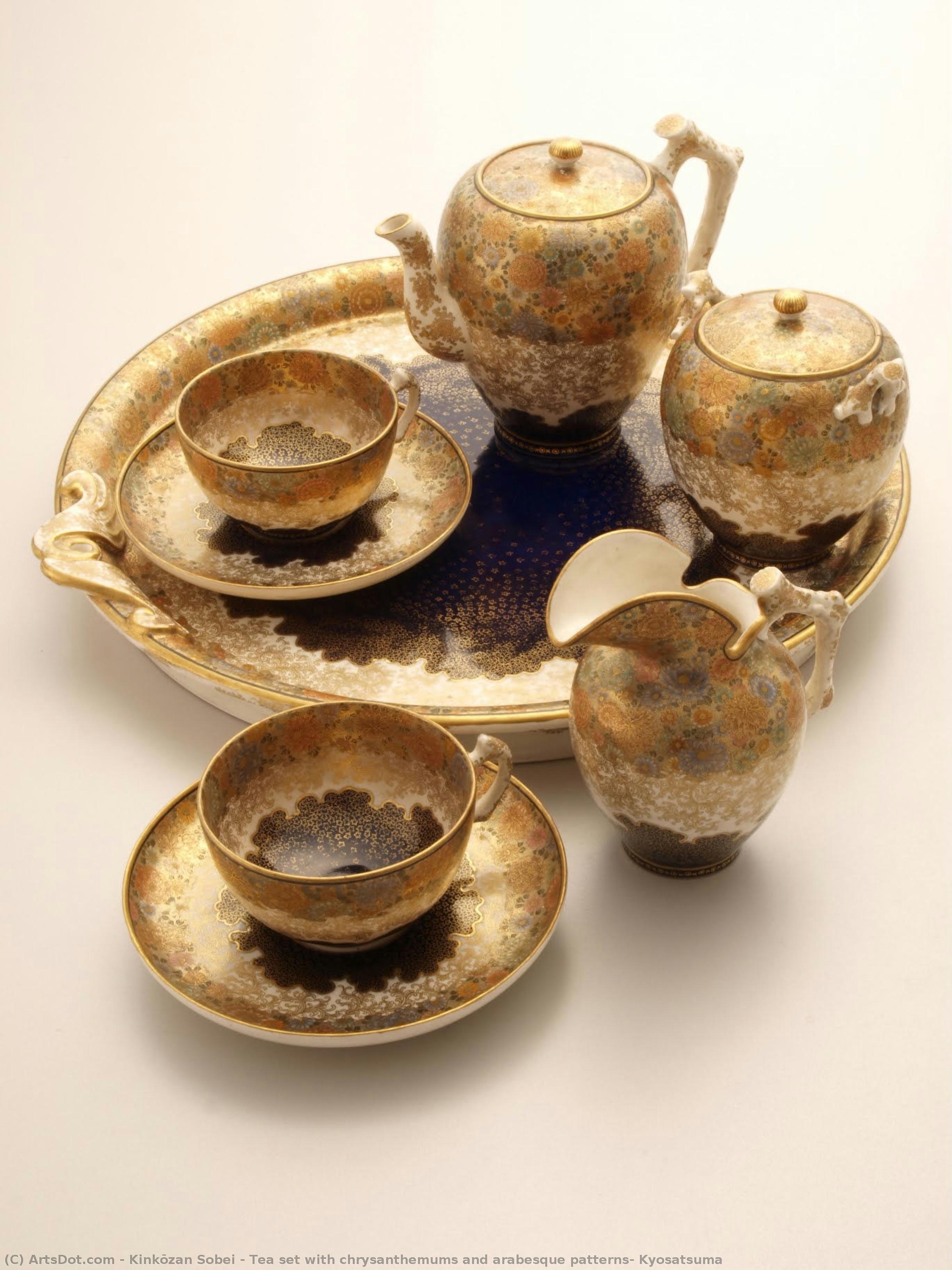
Tea set with chrysanthemums and arabesque patterns, Kyosatsuma
 Ceramics
- Other
 19th Century
 36.0 x 3.0 cm
 Art Research Center
 詳細を見る
詳細を見る
オンラインプレビューをはるかに凌ぐ、高解像度で鮮明なデジタル画像をご購入いただけます。
各ファイルは、社内の専門家が高度なツールと熟練した手作業によるレタッチを用いて、細心の注意を払って準備されています。すべての画像において、卓越した鮮明度、正確な色彩再現性、そして繊細なディテールを保証いたします。
最終ファイルは、プロフェッショナルな編集・印刷環境ですぐにご利用いただけるよう最適化された状態で、72時間以内にメールにてお届けいたします。これは、一流のデザインスタジオ、出版社、ギャラリーから信頼されているものと同等の品質です。
デジタル画像のご注文に付随する特典
高品質なデジタル画像配信を、確かな品質で。
ArtsDot.com を選ぶことは、単に画像を手に入れることではありません。それは、プロの手によって精密に仕上げられ、満足保証が付いた高品質なデジタルアートワークを受け取ることを意味します。ご注文いただいた際に自動的に付随する内容は、以下の通りです:

メールですぐにお届け
ご注文から72時間以内に、高解像度のデジタル画像ファイルがメールでお手元に届きます。すぐにそのままご利用いただけます。

AI技術で最適化されたデジタルファイル
お客様の作品は、高度なAIツールと専門家による手作業の編集を組み合わせてプロフェッショナルに最適化されており、細部のディテール、鮮明さ、そして正確な色再現性を最大限に引き出しています。

一生涯無料の再送サービス
ファイルを誤って削除したり、紛失してしまったりしましたか?ご安心ください。いつでも無料で再送いたします。

輸入手数料は一切かかりません
関税や手数料、配送料を気にすることなく、お気に入りのアートワークをすぐにお楽しみいただけます。デジタルダウンロードは常に免税です。

色彩再現の保証
プロ仕様のツールとカラーマネジメント技術を用いることで、デジタル画像が元の色を最大限に忠実に再現することを保証いたします。

100日間満足保証
ご購入いただいたデジタル画像にご満足いただけない場合は、100日以内であれば、理由を問わず修正または100%の返金対応をさせていただきます。

100% 返金保証
ご満足いただけない場合は、デジタルファイルを受け取ってから100日以内であれば、理由を問わず全額返金いたします。

まとめ買い割引
3枚購入で10%OFF - 5枚購入で15%OFF - 10枚以上購入で20%OFF。クリエイティブなプロジェクト、ギャラリー、エージェンシーに最適です。
A Symphony of Porcelain and Gold: The Elegance of Kinkōzan Sobei
In the quiet, refined world of the Japanese tea ceremony, every object tells a story of intention, grace, and seasonal reverence. The Tea set with chrysanthemums and arabesque patterns, Kyosatsuma, stands as a breathtaking testament to this philosophy. Created by the master Kinkōzan Sostei, this exquisite arrangement transcends mere utility, presenting itself as a meticulously composed still life of porcelain and light. At first glance, the viewer is enveloped by an atmosphere of profound serenity and luxury. The composition, centered around a teapot, two delicate cups, a creamer, and a small plate, rests upon a grand, ornate tray that anchors the scene with its weight and historical grandeur. The soft, diffused lighting dances across the surfaces, catching the subtle shimmer of gold leaf and highlighting the smooth, lustrous glaze of the porcelain, inviting the observer into a moment of meditative stillness.
The artistry of Sobei is most evident in the intricate marriage of organic beauty and geometric precision. The subject matter is defined by the rhythmic flow of chrysanthemums—symbols of longevity and rejuvenation in Japanese culture—intertwined with complex arabesque patterns that wind around the curves of the vessels like frozen silk. These motifs are not merely decorative; they represent a deep connection to the natural world, captured through a highly skilled rendering technique that emphasizes realism and texture. The artist’s ability to manipulate light and shadow creates a palpable sense of depth, where the overlapping elements of the tea set suggest a three-dimensional space that feels both intimate and monumental. For the collector or interior designer, this piece offers a masterclass in how fine detail can evoke a sense of timelessness and cultural heritage.
To understand the soul of this work, one must look to the legacy of the Kinkōzan workshop in Kyoto. Sobei, working within a lineage that served the imperial courts, brought a level of sophistication to Satsuma ware that would eventually captivate the Western world during the Meiji period. The warm color palette, dominated by rich golds and earthy tones, reflects the opulence of an era where craftsmanship was a sacred duty. Every line is smooth and curved, mirroring the organic shapes of the tea vessels, while the tray provides a structured, geometric counterpoint. This piece is more than a reproduction of a historical artifact; it is an emotional journey into the heart of Japanese aesthetic tradition, offering an unparalleled sense of refinement and peace to any space it inhabits.
関連作品
作家の略歴
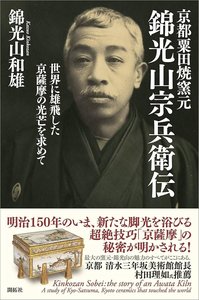
Kinkōzan Sobei (1825-1896): A Master of Kyoto’s Imperial Porcelain
Born in Kyoto, Japan, in 1825, Kinkōzan Sobei was more than just a potter; he was a pivotal figure in the evolution of Japanese ceramics and a key contributor to the international recognition of Satsuma ware. His life intertwined with the legacy of his family’s renowned workshop, the Kinkōzan, a lineage steeped in artistic tradition dating back to its founder, Kinkōzan Sōzui (1741-1818). Sobei's journey wasn't simply one of inheriting a craft; it was a deliberate and innovative response to changing times, ultimately shaping the distinctive aesthetic that would captivate Europe during the Meiji period.
His early life was deeply rooted in this established artistic heritage. As the son of Kinkōzan Sōzui, he received an unparalleled education in pottery techniques, mastering the intricacies of form, glaze, and decoration. The Kinkōzan workshop itself held a prestigious position, traditionally supplying ceramics to the imperial court and influential figures within the shogunate. This connection provided Sobei with access to rare clays, specialized firing methods, and a deep understanding of the symbolic language embedded in Japanese art – particularly the importance of auspicious motifs and refined elegance.
The Art of Satsuma: Innovation and Influence
Sobei’s true contribution lies in his pivotal role in developing and refining what became known as Kyō Satsuma ware. While the origins of Satsuma pottery itself trace back to the province of Kagoshima, Sobei and his successors in Kyoto elevated the style with a distinctive refinement and an emphasis on intricate detail that set it apart. The Kinkōzan workshop, under his guidance, began experimenting with new glazing techniques – particularly the development of the vibrant, layered colors characteristic of Kyō Satsuma – alongside the meticulous application of gold leaf (kinrande) and elaborate painted designs.
This innovation was directly influenced by Western artistic trends emerging during the Meiji Restoration. The opening of Japan to foreign trade in the mid-19th century exposed Japanese artisans to European art, particularly the opulent styles of Rococo and Baroque. Sobei skillfully adapted these influences, incorporating elements like floral motifs, arabesque patterns, and a heightened sense of decorative extravagance into his work. This fusion of traditional Japanese aesthetics with Western artistic sensibilities proved remarkably successful, propelling Kyō Satsuma ware onto the international stage.
A Global Stage: Exhibitions and Recognition
Sobei’s talent was quickly recognized on an international scale. His pieces were prominently featured at a series of prestigious exhibitions throughout the latter half of the 19th century, solidifying Kyō Satsuma's reputation as a premier art form. The Great Exhibition of 1862 in London showcased his exquisite craftsmanship, followed by the Exposition Universelle of 1867 in Paris and the Centennial Exposition of 1876 in Philadelphia. Perhaps most notably, his work was displayed at the World’s Columbian Exposition of 1893 in Chicago, cementing its place as a symbol of Japanese artistry within the global art market.
These exhibitions weren't merely displays; they were crucial moments for establishing Kyō Satsuma ware as a desirable commodity. Western collectors and connoisseurs were captivated by its vibrant colors, intricate designs, and perceived exoticism. The demand fueled production at the Kinkōzan workshop, transforming it into one of the most successful ceramic workshops in Japan during that era.
Legacy and Enduring Influence
Kinkōzan Sobei’s legacy extends far beyond his individual creations. He played a crucial role in shaping the trajectory of Japanese ceramics and fostering cross-cultural exchange between East and West. His innovations in glazing, design, and marketing techniques continue to inform contemporary ceramic artists. His work is now housed in museums around the world – including the Victoria and Albert Museum in London, the Guimet Museum of Asian Art in Paris, and the Philadelphia Museum of Art – serving as a testament to his skill and vision.
The Fujikawa Galleries in Japan remain a significant repository of Kinkōzan Sobei’s work, offering visitors a chance to appreciate the enduring beauty and historical significance of this remarkable artist. His influence can also be seen in the Kiyomizu Sannenzaka Museum Collection, where pieces like incense burners and tea sets exemplify the refined elegance that defined his artistic output.
Ultimately, Kinkōzan Sobei’s life represents a fascinating intersection of tradition and innovation—a testament to the power of an artist to adapt, evolve, and leave an indelible mark on the world of art.
kinkōzan sobei
1825 - 1896 , Japan
プロフィール概要
- Artistic Movement Or Style: Satsuma ware
- Artists Or Movements Influenced By This Artist: ['Meiji period art']
- Artists Who Influenced This Artist: ['Kinkōzan Sōzui']
- Date Of Birth: 1825
- Date Of Death: 1896
- Full Name: Kinkōzan Sobei
- Nationality: Japanese
- Notable Artworks:
- Incense burners
- Tea set chrysanthemums
- Place Of Birth: Kyoto, Japan