

 プレビュー
プレビュー
 プリントを購入
 シェアする
シェアする シェアする
シェアする
 詳細を見る
詳細を見る

 ダウンロード
 似ている作品
 X線調査
X線調査 スライドショー
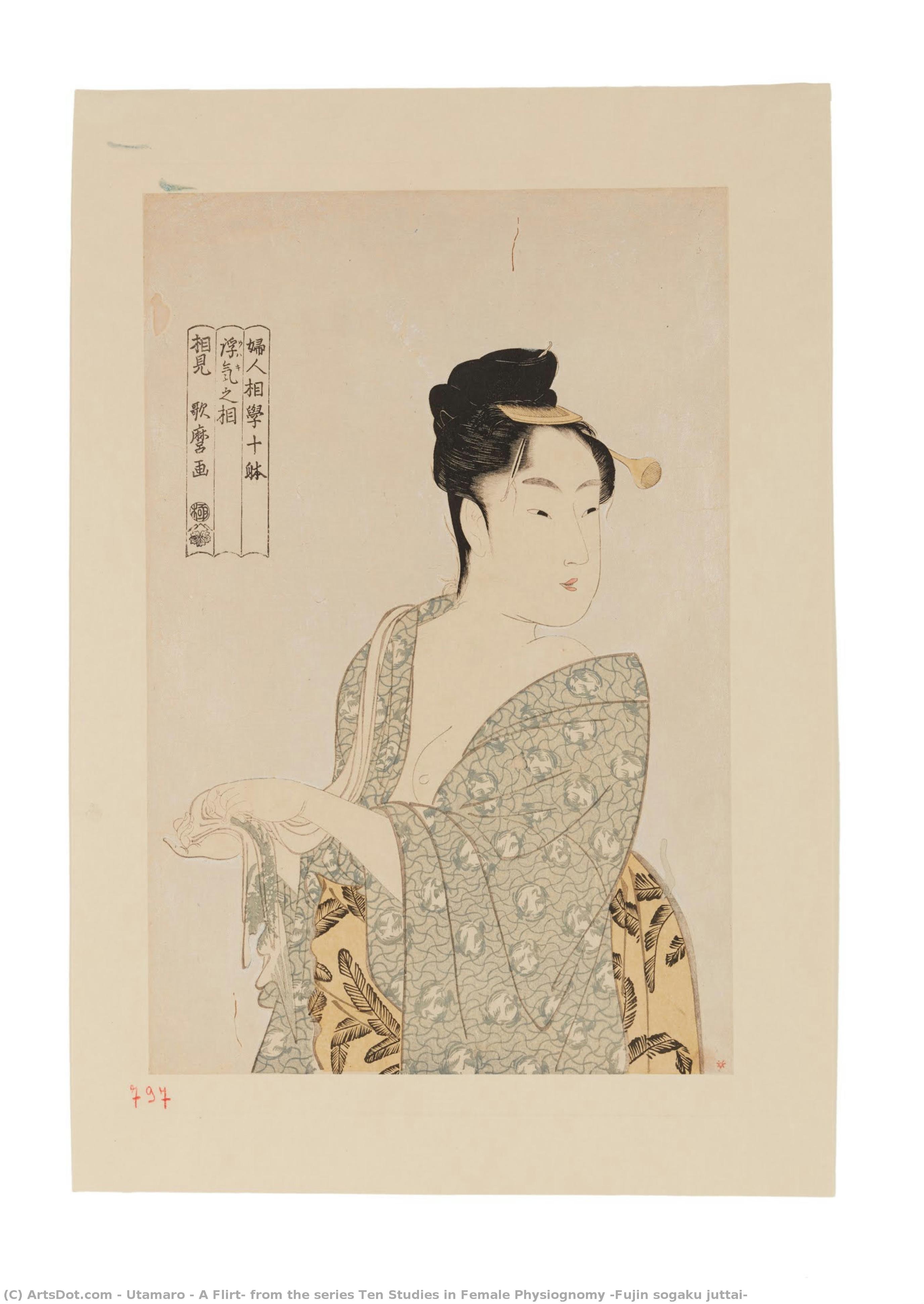
A Flirt, from the series Ten Studies in Female Physiognomy (Fujin sogaku juttai)


 詳細を見る
詳細を見る




P118B $10

P118H $10

P118W $10

P438Z $10

P508JH $12

P508YH $12

P805H $10

P805Z $10

P919BZ $10

P919G $10

P919XJ $10

P959ZH $10

P968JZ $12

W106C $8

W218G $10

W218JH $8

W218Y $10

W307PJ $10

W316G $10

W316PJ $8

W316Y $10

W398PJ $8

W4111J $10

W500HY $15

W500JH $15

W692G $12

W849H $8

W940BG $15

W953PJ $8




作品のオリジナル比率に合わせた、当店の規定サイズからお選びください。

特定のフレームやスペースに合わせて、ご希望のサイズをご入力いただけます。選択されたサイズが元の画像の比率と異なる場合、アートワークをトリミングするか、手描きで要素を追加して絵画を拡張いたします。デジタルモックアップ を制作し、制作開始前にご確認(承認)をいただきます。
画面上のプレビューは、実際のトリミングや拡張を正確に反映しているものではありません。最終的な構図は、モックアップによってのみ正確にご確認いただけます。
カスタムサイズもご利用いただけますが、元の比率を維持するためには、あらかじめ用意されたリストからサイズを選択することをお勧めいたします。
ご注文後、ArtsDot.com チームより詳細な指示をお送りするとともに、仕上がりイメージ(モックアップ)をご提供いたします。


 ガラスオプションは、110cm未満のサイズでのみご利用いただけます。

A Flirt, from the series Ten Studies in Female Physiognomy (Fujin sogaku juttai)
複製技法
複製画のサイズ
-


合計金額
$ 263
作品解説
A Portrait of Grace: Kitagawa Utamaro’s “A Flirt”
Kitagawa Utamaro's "A Flirt," from the series Ten Studies in Female Physiognomy (Fujin sogaku juttai), stands as a cornerstone of Edo-period bijin-ga artistry—a genre dedicated to portraying beautiful women with remarkable sensitivity and psychological depth. Published around 1792–93 by Tsutaya Jūzaburō, this woodblock print transcends mere visual representation; it embodies the spirit of its time and continues to resonate with audiences today thanks to Utamaro’s masterful command of technique and his profound understanding of human emotion. The image captures a young woman gazing intently outwards, her posture conveying both vulnerability and subtle defiance—a captivating glimpse into the complexities of female characterization that distinguishes Utamaro's work from earlier depictions.Composition and Technique: Mastering Illusion
Utamaro’s genius lies in his ability to convey emotion through meticulously crafted visual elements. The print is vertically oriented, prioritizing the woman’s face and upper torso—a deliberate choice reflecting the prevailing aesthetic conventions of the era where portraiture focused on conveying inner character rather than simply documenting physical appearance. Fine lines delineate facial features with exquisite precision, capturing nuances of expression that invite contemplation. Curved lines contribute to the graceful depiction of her form, mirroring the idealized beauty standards prevalent during Edo Japan. Crucially, Utamaro employed kirazuri—the application of mica dust—to create a shimmering background effect, adding an ethereal quality to the scene and elevating it beyond mere realism. This technique, combined with multiple woodblocks used for different colors, demonstrates Utamaro’s technical prowess and his commitment to achieving visual splendor.Historical Context: Edo Japan's Aesthetic Sensibilities
“A Flirt” emerged during a period of significant social and cultural transformation in Japan—the Edo Period (1615–1868). This era witnessed the rise of urban centers like Tokyo and Osaka, fueled by economic growth and facilitated by advancements in printing technology. The pleasure districts flourished, attracting artists, actors, and courtesans who shaped artistic trends and influenced popular culture. Bijin-ga prints served as a conduit for disseminating these cultural influences, reflecting both idealized notions of beauty and astute observations of human behavior. Utamaro’s series was particularly notable for its exploration of psychological states—a departure from earlier portraiture that prioritized formal elegance over nuanced emotion. The print's subtle gaze speaks to the spirit of the time, capturing a moment of quiet contemplation amidst the bustling urban landscape.Symbolism and Emotional Resonance: Beyond Surface Beauty
More than just aesthetically pleasing, “A Flirt” carries symbolic weight—a testament to Utamaro’s artistic vision. The woman's posture suggests both confidence and apprehension, hinting at the challenges faced by women navigating social expectations during Edo Japan. Her gaze directs attention outwards, conveying a desire for connection and engagement with the world beyond her immediate surroundings. The shimmering kirazuri background symbolizes refinement and aspiration—a visual metaphor for the idealized beauty standards of the period. Utamaro’s masterful use of color—soft greens, pinks, and creams accented by yellow and brown—creates a harmonious palette that enhances the emotional impact of the image. Ultimately, “A Flirt” invites viewers to contemplate themes of femininity, desire, and introspection—a timeless exploration of human psychology that continues to captivate audiences centuries later.Influence on Impressionism: A Legacy Enduring Through Time
The influence of Utamaro’s work extends far beyond Japan's borders, notably impacting the burgeoning Impressionist movement in France during the late 19th century. Artists like Claude Monet and Edgar Degas were drawn to Utamaro’s innovative compositional techniques—particularly his focus on capturing fleeting moments of emotion and atmosphere—and his masterful use of color—a bold departure from academic conventions. Utamaro's exploration of psychological states paved the way for Impressionists to prioritize subjective experience over objective representation, establishing a pivotal connection between Japanese art and Western artistic innovation. “A Flirt” remains an enduring emblem of artistic excellence—a testament to Utamaro’s genius and his lasting contribution to the history of visual culture.関連作品
![Untitled [uwaki No Sō (the Fickle Onethe Fickle One)] — 喜多川歌麿, Impressionistic Style](/media/artworks/images-thumb/46/8e/468eafb3b6da18ad90b6e962513246d1.jpg)
アーティストの略歴
喜多川歌麿:美人画の巨匠
- 生年: 日本、東京 (1753年)
- 没年: 1806年
喜多川歌麿は、浮世絵、とりわけ「美人画」の分野において比類なき足跡を残した日本の絵師です。江戸時代を代表する木版画および肉筆画の設計者として、彼は日本美術のみならず、西洋の印象派にも永続的な遺産を刻み込みました。
黎明期と修行の道
- 歌麿の幼少期については、確かな情報はほとんど残されていません。1753年頃に喜多川一太郎として生まれたとされていますが、その誕生の地については京都、大坂、江戸の吉原、あるいは川越など、諸説が分かれています。
- 彼は、浮世絵師でありながら上流階級の狩野派の技法も修めた鳥山石燕の指導を受けました。石燕は歌麿の類まれな才能を見出し、その芸術的な成長を育みました。
- 歌麿の最初の出版作品は1770年頃、俳諧のアンソロジーの挿絵として現れました。その後、彼は喜多川豊明の名で、大衆文学の挿絵や、時には歌舞伎役者の肖像画を手がけるようになりました。
隆盛:美人画の極致へ
- 1782年、歌麿は版元の蔦屋重三郎と手を組みます。これは彼のキャリアにおける決定的な転換点となりました。このパートナーシップによって革新的な作品が次々と生み出され、彼の名声は不動のものとなったのです。
- 1790年代初頭、歌麿独自のスタイルが確立されました。それは、女性の顔立ちを誇張し、細長く優美に描く肖像画です。これらの「美人画」は爆発的な人気を博し、彼を浮世絵界の主役へと押し上げました。
- 彼は従来の群像画から脱却し、単一の人物に焦点を当て、親密な瞬間を捉えることでジャンルに革新をもたらしました。衣類の質感、髪型、そして繊細な表情の描き込みにおけるその卓越した注意力は、見る者を圧倒します。
- 生涯を通じて2000点を超える作品を残したとされる歌麿の驚異的な生産性と、芸術的な多才さは、まさに伝説的と言えるでしょう。
影響と芸術的進化
- 清長: 1780年代に美人の肖像画で一世を風靡した鳥居清長から強い影響を受け、清長が確立した優雅な美学を継承しつつ、それをさらに洗練させていきました。
- 春章: また、勝川春章が導入した「大首絵(おおくびえ)」の様式からもインスピレーションを得て、それを女性の肖像画へと見事に適応させました。
- 西洋印象派: 歌麿の作品は、モネやカサットといったヨーロッパの印象派画家たちにも多大な影響を与えました。部分的な視点を用いた構図、光と影へのこだわり、そして日常的な主題への眼差しは、彼の技法を模倣しようとした西洋の芸術家たちの心に深く響いたのです。
晩年、波乱、そして不滅の遺産
- 1804年、歌麿は豊臣秀吉を描いた版画を制作したことで、政治的な問題に触れる禁忌を犯し、法的な困難に直面しました。彼は逮捕され、50日間にわたる手枷の刑を受けました。
- その2年後の1806年、彼はこの世を去りましたが、その後に残された芸術的遺産はあまりにも豊かでした。
- 19世紀半ば、歌麿の作品はヨーロッパで広く認知されるようになります。特にフランスにおいて、彼の芸術は「ジャポニスム」運動を加速させ、西洋美術の在り方を根本から変えるほどの影響を与えました。
- 彼の描いた美人画は、今なお江戸時代の美の象徴として君臨し続けており、その優雅さ、芸術性、そして文化的な重要性は、時代を超えて称賛され続けています。
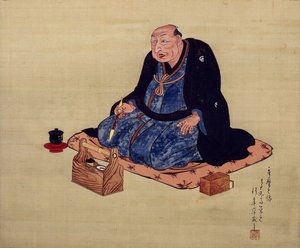
喜多川歌麿
1753 - 1806 , 日本
基本情報
- Artistic Movement Or Style: 浮世絵
- Artists Or Movements Influenced By This Artist:
- 印象派
- トゥールーズ=ロートレック
- Artists Who Influenced This Artist:
- 清長
- 春章
- Date Of Birth: 1753年
- Date Of Death: 1806年
- Full Name: 喜多川歌麿
- Nationality: 日本人
- Notable Artworks:
- 歌麿の置田
- プレイボーイの幻想的な旅
- Place Of Birth: 日本、東京
関連記事

葛飾北斎:25の傑作が語る浮世絵の世界 - ArtsDot
葛飾北斎の25選:『神奈川沖浪裏』や『富嶽三十六景』など、浮世絵の世界を深く探求。木版画の技法と日本美術の美をArtsDotで。高品質なアートプリントで空間に感動を。コレクションはこちら。
Ukiyo-e: Exploring Japan's Floating World & Enduring Artistic Legacy
Explore the captivating world of Ukiyo-e – Japan's iconic woodblock prints! Discover masters like Hokusai & Hiroshige, learn about Edo period culture, and find expert art collecting guidance at ArtsDot.
Suzuki Harunobu: Pioneering Ukiyo-e & the Refinement of Edo Period Printmaking
Discover the revolutionary world of Suzuki Harunobu, a pioneer of ukiyo-e printmaking. Explore his exquisite nishiki-e techniques, diverse subjects & lasting impact on Japanese art history. Learn more at ArtsDot.
The Enduring Legacy of Woodblock Printmaking: Technique, History & Artistic Expression
Explore the rich history of woodblock printmaking – from ancient techniques to Ukiyo-e masterpieces. Discover expert insights on collecting, preserving & appreciating this enduring art form.
Tsukioka Yoshitoshi: A Master of Ukiyo-e's Final Flourish – Narrative, Innovation, and the Meiji Transition
Explore the life & art of Tsukioka Yoshitoshi, the last great master of ukiyo-e woodblock printing. Discover his dramatic warrior prints, innovative series like 'One Hundred Aspects of the Moon,' and legacy reflecting Japan's Meiji transition.

