

 プレビュー
プレビュー
 プリントを購入
 シェアする
シェアする シェアする
シェアする
 詳細を見る
詳細を見る

 ダウンロード
 似ている作品
 X線調査
X線調査 スライドショー
Along the Shore of Yènoshim


 詳細を見る
詳細を見る




P118B $10

P118H $10

P118W $10

P438Z $10

P508JH $12

P508YH $12

P805H $10

P805Z $10

P919BZ $10

P919G $10

P919XJ $10

P959ZH $10

P968JZ $12

W106C $8

W218G $10

W218JH $8

W218Y $10

W307PJ $10

W316G $10

W316PJ $8

W316Y $10

W398PJ $8

W4111J $10

W500HY $15

W500JH $15

W692G $12

W849H $8

W940BG $15

W953PJ $8




作品のオリジナル比率に合わせた、当店の規定サイズからお選びください。

特定のフレームやスペースに合わせて、ご希望のサイズをご入力いただけます。選択されたサイズが元の画像の比率と異なる場合、アートワークをトリミングするか、手描きで要素を追加して絵画を拡張いたします。デジタルモックアップ を制作し、制作開始前にご確認(承認)をいただきます。
画面上のプレビューは、実際のトリミングや拡張を正確に反映しているものではありません。最終的な構図は、モックアップによってのみ正確にご確認いただけます。
カスタムサイズもご利用いただけますが、元の比率を維持するためには、あらかじめ用意されたリストからサイズを選択することをお勧めいたします。
ご注文後、ArtsDot.com チームより詳細な指示をお送りするとともに、仕上がりイメージ(モックアップ)をご提供いたします。


 ガラスオプションは、110cm未満のサイズでのみご利用いただけます。

Along the Shore of Yènoshim
複製技法
複製画のサイズ
-


合計金額
$ 313
作品解説
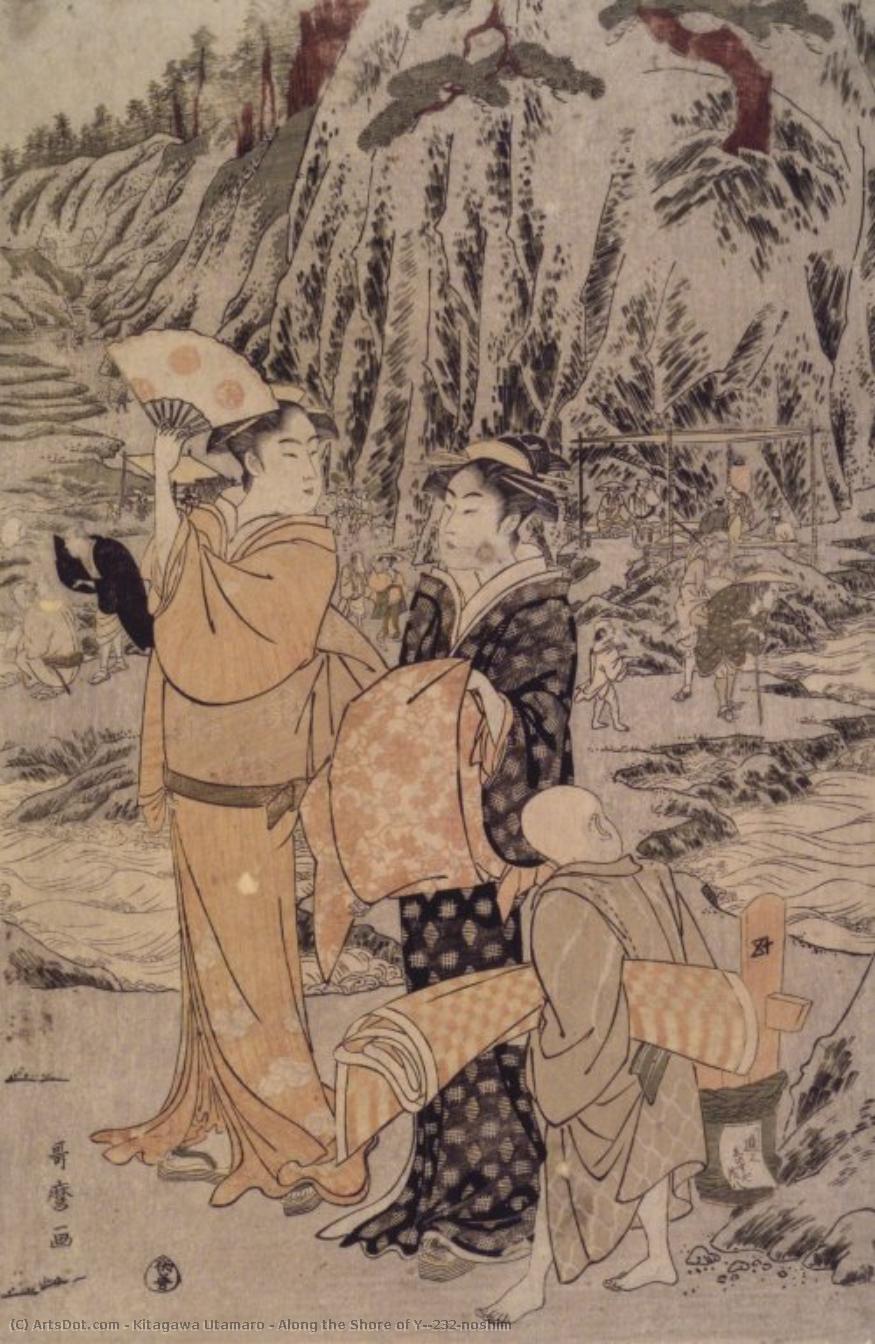
A Moment on the Shoreline: Kitagawa Utamaro’s “Along the Shore of Yènoshim”
Kitagawa Utamaro's "Along the Shore of Yènoshim," created around 1793, isn’t merely a depiction of a coastal scene; it’s a carefully constructed tableau brimming with understated elegance and quiet observation. This woodblock print, a cornerstone of the *bijin-ga* (pictures of beautiful women) genre that defined Utamaro's career, invites us into a fleeting moment along the shores of Yènoshim Bay – a place steeped in Japanese folklore and natural beauty.
The composition immediately draws the eye to the two central figures: a woman gracefully fanning herself, her posture suggesting both leisure and a subtle awareness of her surroundings, and another seated on a weathered rock. A third figure, likely a servant or attendant, kneels respectfully nearby, adding depth and narrative complexity to the scene. Beyond them, a pathway winds towards a distant temple or shrine, hinting at a journey or pilgrimage – a common theme in Japanese art reflecting a connection between earthly experience and spiritual aspiration. The background is dominated by the imposing presence of a rocky cliff face, draped with lush vegetation, creating a sense of both grandeur and intimacy.
The Language of Ukiyo-e: Technique and Style
Utamaro’s mastery lies in his precise execution within the conventions of *ukiyo-e*, the art of the floating world. The print is characterized by bold outlines that define each element with remarkable clarity, a hallmark of this style. Notice how the curves of the women's garments flow naturally, while the sharp lines of the rocks and buildings establish structure. Utamaro’s use of color is restrained – primarily muted tones of beige, brown, grey, punctuated by touches of red and green – reflecting the earthy palette favored in traditional Japanese prints. This deliberate restraint amplifies the impact of each element, forcing the viewer to truly consider its form and placement.
The technique itself involved a meticulous process: carving a design onto a wooden block, applying ink with precision, and then pressing the inked block firmly onto washi paper. Multiple blocks were used for different colors, allowing Utamaro to achieve subtle gradations and layering that add richness and depth to the image. The slight variations in line weight – thicker lines for outlines and thinner ones for details – create a tactile quality, inviting us to almost feel the texture of the clothing or the roughness of the stone.
Symbolism and Emotional Resonance
Beyond its aesthetic beauty, “Along the Shore of Yènoshim” is rich in symbolic meaning. The fan held by one of the women can be interpreted as a symbol of elegance, status, or perhaps even a subtle invitation to engage with the scene. The distant temple suggests a longing for spiritual fulfillment and a connection to something greater than oneself. The overall mood is one of tranquility and harmony – a reflection of the Japanese aesthetic ideal of *wabi-sabi*, which celebrates imperfection and the beauty of transience.
Utamaro’s work, particularly this series, offers a glimpse into Edo-period life, capturing the refined sensibilities of the wealthy elite who commissioned these prints. He wasn't simply documenting reality; he was crafting an idealized vision of beauty, leisure, and connection with nature – a vision that continues to resonate with viewers today.
A Legacy in Art and Inspiration
Kitagawa Utamaro’s influence extends far beyond the realm of Japanese art. His innovative approach to *bijin-ga* profoundly impacted Western artists during the Impressionist movement, particularly Edgar Degas, who was deeply inspired by Utamaro's focus on capturing fleeting moments of beauty and the subtle nuances of human expression. “Along the Shore of Yènoshim” stands as a testament to Utamaro’s genius – a timeless masterpiece that embodies both exquisite craftsmanship and profound artistic insight.
関連作品
アーティストの略歴
喜多川歌麿:美人画の巨匠
- 生年: 日本、東京 (1753年)
- 没年: 1806年
喜多川歌麿は、浮世絵、とりわけ「美人画」の分野において比類なき足跡を残した日本の絵師です。江戸時代を代表する木版画および肉筆画の設計者として、彼は日本美術のみならず、西洋の印象派にも永続的な遺産を刻み込みました。
黎明期と修行の道
- 歌麿の幼少期については、確かな情報はほとんど残されていません。1753年頃に喜多川一太郎として生まれたとされていますが、その誕生の地については京都、大坂、江戸の吉原、あるいは川越など、諸説が分かれています。
- 彼は、浮世絵師でありながら上流階級の狩野派の技法も修めた鳥山石燕の指導を受けました。石燕は歌麿の類まれな才能を見出し、その芸術的な成長を育みました。
- 歌麿の最初の出版作品は1770年頃、俳諧のアンソロジーの挿絵として現れました。その後、彼は喜多川豊明の名で、大衆文学の挿絵や、時には歌舞伎役者の肖像画を手がけるようになりました。
隆盛:美人画の極致へ
- 1782年、歌麿は版元の蔦屋重三郎と手を組みます。これは彼のキャリアにおける決定的な転換点となりました。このパートナーシップによって革新的な作品が次々と生み出され、彼の名声は不動のものとなったのです。
- 1790年代初頭、歌麿独自のスタイルが確立されました。それは、女性の顔立ちを誇張し、細長く優美に描く肖像画です。これらの「美人画」は爆発的な人気を博し、彼を浮世絵界の主役へと押し上げました。
- 彼は従来の群像画から脱却し、単一の人物に焦点を当て、親密な瞬間を捉えることでジャンルに革新をもたらしました。衣類の質感、髪型、そして繊細な表情の描き込みにおけるその卓越した注意力は、見る者を圧倒します。
- 生涯を通じて2000点を超える作品を残したとされる歌麿の驚異的な生産性と、芸術的な多才さは、まさに伝説的と言えるでしょう。
影響と芸術的進化
- 清長: 1780年代に美人の肖像画で一世を風靡した鳥居清長から強い影響を受け、清長が確立した優雅な美学を継承しつつ、それをさらに洗練させていきました。
- 春章: また、勝川春章が導入した「大首絵(おおくびえ)」の様式からもインスピレーションを得て、それを女性の肖像画へと見事に適応させました。
- 西洋印象派: 歌麿の作品は、モネやカサットといったヨーロッパの印象派画家たちにも多大な影響を与えました。部分的な視点を用いた構図、光と影へのこだわり、そして日常的な主題への眼差しは、彼の技法を模倣しようとした西洋の芸術家たちの心に深く響いたのです。
晩年、波乱、そして不滅の遺産
- 1804年、歌麿は豊臣秀吉を描いた版画を制作したことで、政治的な問題に触れる禁忌を犯し、法的な困難に直面しました。彼は逮捕され、50日間にわたる手枷の刑を受けました。
- その2年後の1806年、彼はこの世を去りましたが、その後に残された芸術的遺産はあまりにも豊かでした。
- 19世紀半ば、歌麿の作品はヨーロッパで広く認知されるようになります。特にフランスにおいて、彼の芸術は「ジャポニスム」運動を加速させ、西洋美術の在り方を根本から変えるほどの影響を与えました。
- 彼の描いた美人画は、今なお江戸時代の美の象徴として君臨し続けており、その優雅さ、芸術性、そして文化的な重要性は、時代を超えて称賛され続けています。
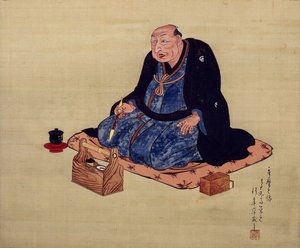
喜多川歌麿
1753 - 1806 , 日本
基本情報
- Artistic Movement Or Style: 浮世絵
- Artists Or Movements Influenced By This Artist:
- 印象派
- トゥールーズ=ロートレック
- Artists Who Influenced This Artist:
- 清長
- 春章
- Date Of Birth: 1753年
- Date Of Death: 1806年
- Full Name: 喜多川歌麿
- Nationality: 日本人
- Notable Artworks:
- 歌麿の置田
- プレイボーイの幻想的な旅
- Place Of Birth: 日本、東京
関連記事

葛飾北斎:25の傑作が語る浮世絵の世界 - ArtsDot
葛飾北斎の25選:『神奈川沖浪裏』や『富嶽三十六景』など、浮世絵の世界を深く探求。木版画の技法と日本美術の美をArtsDotで。高品質なアートプリントで空間に感動を。コレクションはこちら。
The Enduring Legacy of Woodblock Printmaking: Technique, History & Artistic Expression
Explore the rich history of woodblock printmaking – from ancient techniques to Ukiyo-e masterpieces. Discover expert insights on collecting, preserving & appreciating this enduring art form.
Japonisme: How Japanese Woodblock Prints Revolutionized Western Art
Explore the profound impact of Japonisme on Western art. Discover how Japanese ukiyo-e woodblock prints revolutionized perspective, color, and composition for masters like Monet and Van Gogh, forever changing the course of modern art history.
Ukiyo-e: Exploring Japan's Floating World & Enduring Artistic Legacy
Explore the captivating world of Ukiyo-e – Japan's iconic woodblock prints! Discover masters like Hokusai & Hiroshige, learn about Edo period culture, and find expert art collecting guidance at ArtsDot.
Tsukioka Yoshitoshi: A Master of Ukiyo-e's Final Flourish – Narrative, Innovation, and the Meiji Transition
Explore the life & art of Tsukioka Yoshitoshi, the last great master of ukiyo-e woodblock printing. Discover his dramatic warrior prints, innovative series like 'One Hundred Aspects of the Moon,' and legacy reflecting Japan's Meiji transition.

