

 プレビュー
プレビュー
 プリントを購入
 シェアする
シェアする シェアする
シェアする
 詳細を見る
詳細を見る

 ダウンロード
 似ている作品
 X線調査
X線調査 スライドショー
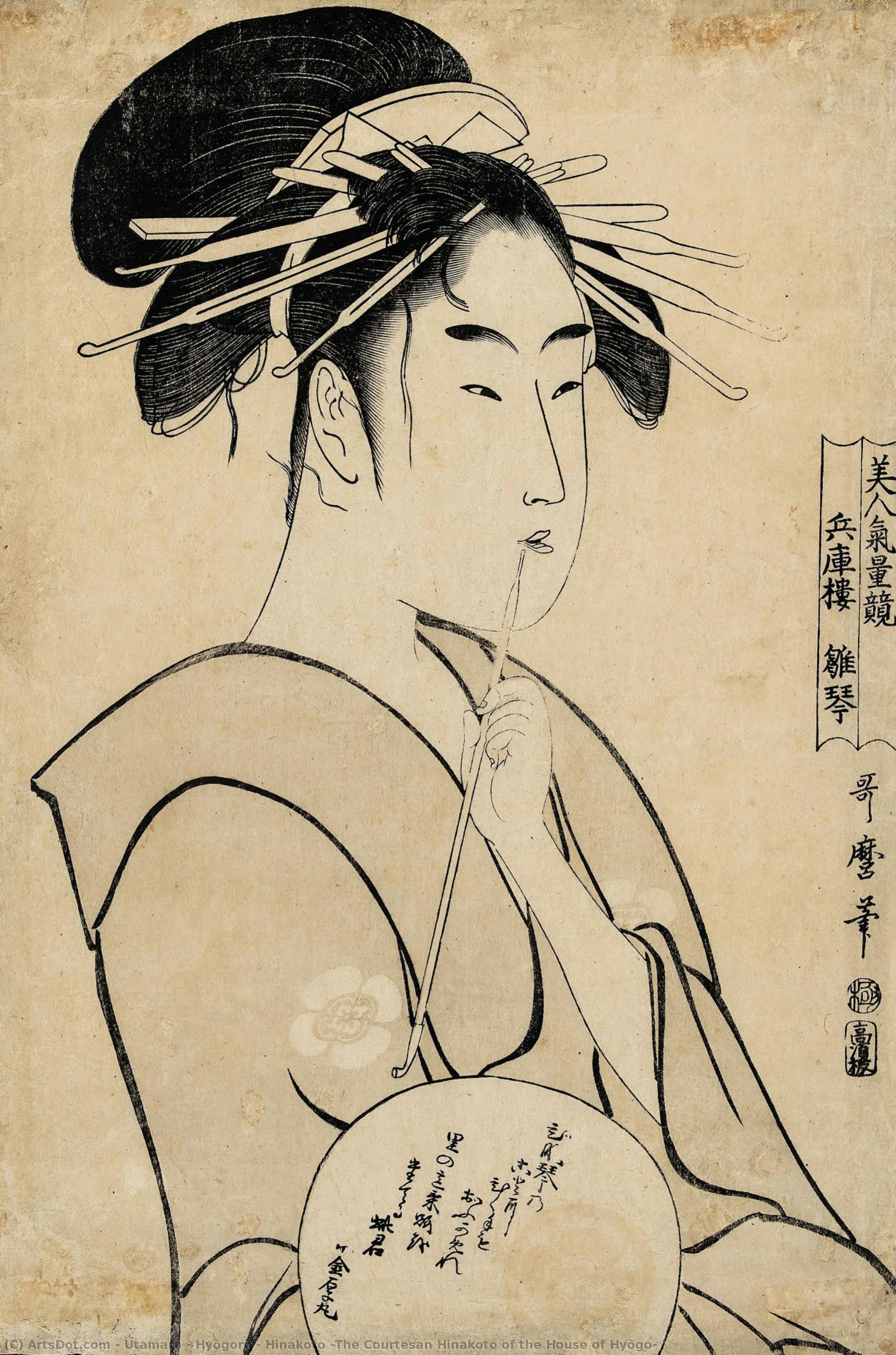
Hyōgorō / Hinakoto (The Courtesan Hinakoto of the House of Hyōgo)


 詳細を見る
詳細を見る
オンラインプレビューをはるかに凌ぐ、高解像度で鮮明なデジタル画像をご購入いただけます。
各ファイルは、社内の専門家が高度なツールと熟練した手作業によるレタッチを用いて、細心の注意を払って準備されています。すべての画像において、卓越した鮮明度、正確な色彩再現性、そして繊細なディテールを保証いたします。
最終ファイルは、プロフェッショナルな編集・印刷環境ですぐにご利用いただけるよう最適化された状態で、72時間以内にメールにてお届けいたします。これは、一流のデザインスタジオ、出版社、ギャラリーから信頼されているものと同等の品質です。
デジタル画像のご注文に付随する特典
高品質なデジタル画像配信を、確かな品質で。
ArtsDot.com を選ぶことは、単に画像を手に入れることではありません。それは、プロの手によって精密に仕上げられ、満足保証が付いた高品質なデジタルアートワークを受け取ることを意味します。ご注文いただいた際に自動的に付随する内容は、以下の通りです:

メールですぐにお届け
ご注文から72時間以内に、高解像度のデジタル画像ファイルがメールでお手元に届きます。すぐにそのままご利用いただけます。

AI技術で最適化されたデジタルファイル
お客様の作品は、高度なAIツールと専門家による手作業の編集を組み合わせてプロフェッショナルに最適化されており、細部のディテール、鮮明さ、そして正確な色再現性を最大限に引き出しています。

一生涯無料の再送サービス
ファイルを誤って削除したり、紛失してしまったりしましたか?ご安心ください。いつでも無料で再送いたします。

輸入手数料は一切かかりません
関税や手数料、配送料を気にすることなく、お気に入りのアートワークをすぐにお楽しみいただけます。デジタルダウンロードは常に免税です。

色彩再現の保証
プロ仕様のツールとカラーマネジメント技術を用いることで、デジタル画像が元の色を最大限に忠実に再現することを保証いたします。

60日間満足保証
ご購入いただいたデジタル画像にご満足いただけない場合は、60日以内であれば、修正または100%の返金(理由を問う必要はありません)をさせていただきます。

100% 返金保証
ご満足いただけない場合は、デジタルファイルを受け取ってから60日以内であれば、理由を問わず全額返金いたします。

まとめ買い割引
3枚購入で10%OFF - 5枚購入で15%OFF - 10枚以上購入で20%OFF。クリエイティブなプロジェクト、ギャラリー、エージェンシーに最適です。
A Portrait of Refined Elegance: Unveiling Kitagawa Utamaro’s *Bijin-ga*
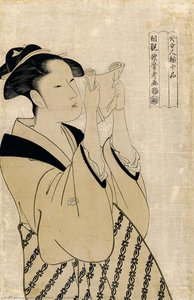
Kitagawa Utamaro's “Hyōgorō / Hinakoto (The Courtesan Hinakoto of the House of Hyōgo)” is more than just a woodblock print; it’s a window into the vibrant, complex world of Edo period Japan. Created around 1795, this exquisite *bijin-ga* – a genre dedicated to depicting beautiful women – stands as a testament to Utamaro's unparalleled skill in capturing not only physical beauty but also an elusive sense of inner grace and composure. The image presents a bust portrait of Hinakoto, a courtesan from the esteemed House of Hyōgo, rendered with a meticulous attention to detail that elevates this print beyond mere representation into a profound study of human expression.
Utamaro’s genius lies in his ability to distill the essence of his subject. He eschews the traditional group portraits favored by many of his contemporaries, instead focusing entirely on Hinakoto's upper body and face. This deliberate framing draws our attention to her serene gaze, a subtle hint of melancholy beneath a carefully constructed façade of composure. The composition is remarkably balanced, with the vertical column of Japanese text – likely detailing Hinakoto’s status and lineage – providing a grounding element while the subject dominates the frame. The strategically placed seals or stamps at the bottom, hallmarks of patronage and approval, subtly reinforce her position within the social hierarchy.
The Language of Line: Technique and Craftsmanship
The print’s monochromatic palette—primarily shades of brown and beige punctuated by black outlines—is a hallmark of Utamaro's style. He masterfully employs *hatching* – delicate, closely spaced lines – to create subtle gradations of tone and texture, lending depth and volume to the fabric of her kimono and the flowing strands of her hair. The strong, defined lines that outline the figure, clothing details, and facial features contribute to a graphic quality characteristic of ukiyo-e prints, yet they are executed with an astonishing level of refinement. The artist’s control over line is truly remarkable; it's not merely about outlining but about conveying form, texture, and even emotion through the precise application of these simple marks.
Utamaro’s use of *kawanami-e* techniques—a style emphasizing delicate details and subtle expressions—is particularly evident in Hinakoto’s face. The slight curve of her lips, the delicate shading around her eyes, and the suggestion of a wistful expression all contribute to a portrait that feels remarkably alive. The print was created using the traditional woodblock method: a design was meticulously carved into a wooden block, inked, and then pressed onto paper. Multiple blocks were likely used for different colors, although this particular example is primarily monochromatic, showcasing Utamaro’s mastery of tonal variation.
Symbolism and Context: A Glimpse into Edo Society
“Hyōgorō / Hinakoto” offers a fascinating glimpse into the world of Edo period courtesans. These women occupied a unique position in society, navigating a complex web of social expectations and artistic patronage. The print reflects this duality – portraying Hinakoto as both an object of beauty and a figure of considerable status. The presence of the seals suggests that the work was commissioned by a wealthy patron, likely a member of the merchant class or a high-ranking official who appreciated Utamaro’s artistry.
Beyond its aesthetic qualities, the print is deeply rooted in Japanese culture and symbolism. The courtesans themselves were often associated with themes of beauty, transience, and fleeting pleasure – concepts that resonated powerfully within the *ukiyo-e* tradition. The careful attention to detail—the elaborate hairstyle, the intricate kimono, the subtle gestures—all contribute to a sense of refined elegance and understated sophistication. Utamaro’s work is not simply a portrait; it's a carefully constructed narrative about beauty, status, and the complexities of life in Edo Japan.
A Legacy Enduring: Inspiration for Artists Across Cultures
Kitagawa Utamaro’s “Hyōgorō / Hinakoto” is celebrated not only for its artistic merit but also for its influence on Western art. The print's emphasis on partial views, the use of light and shadow, and the focus on everyday subjects resonated deeply with Impressionist painters like Monet and Cassatt, who were captivated by the beauty and subtlety of *ukiyo-e* prints. Utamaro’s work helped to pave the way for a greater appreciation of Japanese art in Europe, solidifying his place as one of the most important artists of the Edo period.
関連作品
![Untitled [uwaki No Sō (the Fickle Onethe Fickle One)] — 喜多川歌麿, Impressionistic Style](/media/artworks/images-thumb/46/8e/468eafb3b6da18ad90b6e962513246d1.jpg)
作家の略歴
喜多川歌麿:美人画の巨匠
- 生年: 日本、東京 (1753年)
- 没年: 1806年
喜多川歌麿は、浮世絵、とりわけ「美人画」の分野において比類なき足跡を残した日本の絵師です。江戸時代を代表する木版画および肉筆画の設計者として、彼は日本美術のみならず、西洋の印象派にも永続的な遺産を刻み込みました。
黎明期と修行の道
- 歌麿の幼少期については、確かな情報はほとんど残されていません。1753年頃に喜多川一太郎として生まれたとされていますが、その誕生の地については京都、大坂、江戸の吉原、あるいは川越など、諸説が分かれています。
- 彼は、浮世絵師でありながら上流階級の狩野派の技法も修めた鳥山石燕の指導を受けました。石燕は歌麿の類まれな才能を見出し、その芸術的な成長を育みました。
- 歌麿の最初の出版作品は1770年頃、俳諧のアンソロジーの挿絵として現れました。その後、彼は喜多川豊明の名で、大衆文学の挿絵や、時には歌舞伎役者の肖像画を手がけるようになりました。
隆盛:美人画の極致へ
- 1782年、歌麿は版元の蔦屋重三郎と手を組みます。これは彼のキャリアにおける決定的な転換点となりました。このパートナーシップによって革新的な作品が次々と生み出され、彼の名声は不動のものとなったのです。
- 1790年代初頭、歌麿独自のスタイルが確立されました。それは、女性の顔立ちを誇張し、細長く優美に描く肖像画です。これらの「美人画」は爆発的な人気を博し、彼を浮世絵界の主役へと押し上げました。
- 彼は従来の群像画から脱却し、単一の人物に焦点を当て、親密な瞬間を捉えることでジャンルに革新をもたらしました。衣類の質感、髪型、そして繊細な表情の描き込みにおけるその卓越した注意力は、見る者を圧倒します。
- 生涯を通じて2000点を超える作品を残したとされる歌麿の驚異的な生産性と、芸術的な多才さは、まさに伝説的と言えるでしょう。
影響と芸術的進化
- 清長: 1780年代に美人の肖像画で一世を風靡した鳥居清長から強い影響を受け、清長が確立した優雅な美学を継承しつつ、それをさらに洗練させていきました。
- 春章: また、勝川春章が導入した「大首絵(おおくびえ)」の様式からもインスピレーションを得て、それを女性の肖像画へと見事に適応させました。
- 西洋印象派: 歌麿の作品は、モネやカサットといったヨーロッパの印象派画家たちにも多大な影響を与えました。部分的な視点を用いた構図、光と影へのこだわり、そして日常的な主題への眼差しは、彼の技法を模倣しようとした西洋の芸術家たちの心に深く響いたのです。
晩年、波乱、そして不滅の遺産
- 1804年、歌麿は豊臣秀吉を描いた版画を制作したことで、政治的な問題に触れる禁忌を犯し、法的な困難に直面しました。彼は逮捕され、50日間にわたる手枷の刑を受けました。
- その2年後の1806年、彼はこの世を去りましたが、その後に残された芸術的遺産はあまりにも豊かでした。
- 19世紀半ば、歌麿の作品はヨーロッパで広く認知されるようになります。特にフランスにおいて、彼の芸術は「ジャポニスム」運動を加速させ、西洋美術の在り方を根本から変えるほどの影響を与えました。
- 彼の描いた美人画は、今なお江戸時代の美の象徴として君臨し続けており、その優雅さ、芸術性、そして文化的な重要性は、時代を超えて称賛され続けています。
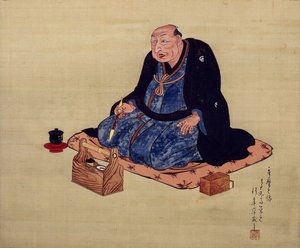
喜多川歌麿
1753 - 1806 , 日本
プロフィール概要
- Artistic Movement Or Style: 浮世絵
- Artists Or Movements Influenced By This Artist:
- 印象派
- トゥールーズ=ロートレック
- Artists Who Influenced This Artist:
- 清長
- 春章
- Date Of Birth: 1753年
- Date Of Death: 1806年
- Full Name: 喜多川歌麿
- Nationality: 日本人
- Notable Artworks:
- 歌麿の置田
- プレイボーイの幻想的な旅
- Place Of Birth: 日本、東京

