

 プレビュー
プレビュー
 シェアする
シェアする シェアする
シェアする
 詳細を見る
詳細を見る

 ダウンロード
 似ている作品
 X線調査
X線調査 スライドショー
 統計情報
統計情報Jiji Manga
 Woodblock Print
- Ukiyo-e
 1929
1929- Modern
 27.0 x 40.0 cm
 Bujalance Collection
 詳細を見る
詳細を見る
オンラインプレビューをはるかに凌ぐ、高解像度で鮮明なデジタル画像をご購入いただけます。
各ファイルは、社内の専門家が高度なツールと熟練した手作業によるレタッチを用いて、細心の注意を払って準備されています。すべての画像において、卓越した鮮明度、正確な色彩再現性、そして繊細なディテールを保証いたします。
最終ファイルは、プロフェッショナルな編集・印刷環境ですぐにご利用いただけるよう最適化された状態で、72時間以内にメールにてお届けいたします。これは、一流のデザインスタジオ、出版社、ギャラリーから信頼されているものと同等の品質です。
デジタルアート
個人での鑑賞、印刷、クリエイティブなプロジェクト用に、高解像度ファイルをダウンロードできます。 ( プリント版に切り替え 手描きの絵画を購入)
デジタル画像のご注文に付随する特典
高品質なデジタル画像配信を、確かな品質で。
ArtsDot.com を選ぶことは、単に画像を手に入れることではありません。それは、プロの手によって精密に仕上げられ、満足保証が付いた高品質なデジタルアートワークを受け取ることを意味します。ご注文いただいた際に自動的に付随する内容は、以下の通りです:

メールですぐにお届け
ご注文から72時間以内に、高解像度のデジタル画像ファイルがメールでお手元に届きます。すぐにそのままご利用いただけます。

AI技術で最適化されたデジタルファイル
お客様の作品は、高度なAIツールと専門家による手作業の編集を組み合わせてプロフェッショナルに最適化されており、細部のディテール、鮮明さ、そして正確な色再現性を最大限に引き出しています。

一生涯無料の再送サービス
ファイルを誤って削除したり、紛失してしまったりしましたか?ご安心ください。いつでも無料で再送いたします。

輸入手数料は一切かかりません
関税や手数料、配送料を気にすることなく、お気に入りのアートワークをすぐにお楽しみいただけます。デジタルダウンロードは常に免税です。

色彩再現の保証
プロ仕様のツールとカラーマネジメント技術を用いることで、デジタル画像が元の色を最大限に忠実に再現することを保証いたします。

100日間満足保証
ご購入いただいたデジタル画像にご満足いただけない場合は、100日以内であれば、理由を問わず修正または100%の返金対応をさせていただきます。

100% 返金保証
ご満足いただけない場合は、デジタルファイルを受け取ってから100日以内であれば、理由を問わず全額返金いたします。

まとめ買い割引
3枚購入で10%OFF - 5枚購入で15%OFF - 10枚以上購入で20%OFF。クリエイティブなプロジェクト、ギャラリー、エージェンシーに最適です。
A Window into the Dawn of Modern Manga
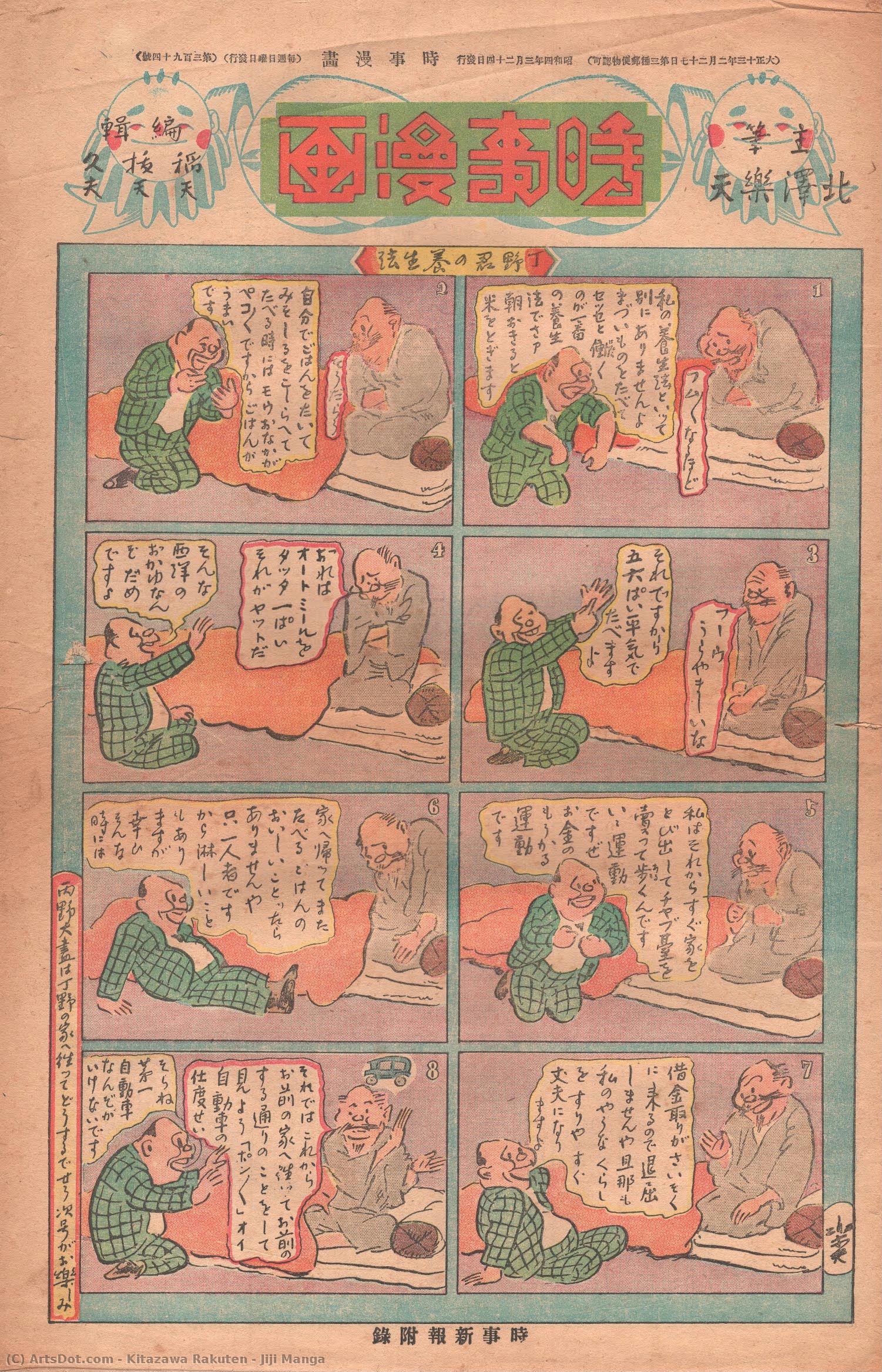
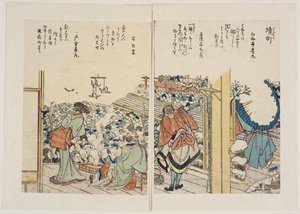
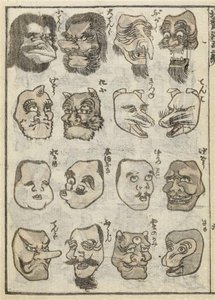
In the vibrant tapestry of Japanese art history, few works capture the electric transition from tradition to modernity as vividly as Kitazawa Rakuten’s Jiji Manga. Created in 1929, this multi-panel woodblock print serves as a breathtaking time capsule, capturing the whimsical and burgeoning spirit of early Shōwa era storytelling. At first glance, the viewer is swept into a rhythmic, cinematic experience; the six distinct panels function much like a contemporary comic strip, guiding the eye through a lively, interconnected narrative. Each scene is a miniature stage where characters engage in spirited exchanges, their gestures and expressions frozen in a moment of humorous, everyday drama. The artwork does not merely depict a story; it invites the observer to participate in a social dance, making it an irresistible piece for those who appreciate art that breathes with life and movement.
The technical mastery behind Jiji Manga lies in its seamless marriage of ancient ukiyo-e techniques with the emerging language of sequential art. Rakuten utilizes the traditional woodblock printing method, a process requiring immense precision to carve intricate designs into wooden blocks before applying rich, Japanese inks. This layering process creates a beautiful, tactile texture—a subtle graininess that lends the piece an organic, soulful quality. The color palette is strikingly vibrant yet harmoniously balanced, utilizing bold hues that define each character and action without overwhelming the delicate linework. The flattened perspective, a hallmark of the ukiyo-e tradition, prioritizes narrative clarity and emotional impact over realistic depth, allowing the humor and the kinetic energy of the characters to take center stage.
The Legacy of a Visionary Pioneer
To understand the profound significance of this work, one must look toward the man behind the ink. Kitazawa Rakuten is widely revered as the "father of modern manga," a visionary who bridged the gap between the classical woodblock prints of the past and the global phenomenon of Japanese comics today. Jiji Manga represents a pivotal moment in this evolution, where the satirical edge of Meiji-era art began to merge with the more structured, character-driven storytelling of the early 20th century. The integration of Japanese script throughout the panels is not merely decorative; it is an essential narrative component that weaves text and image into a singular, inseparable experience. This synthesis of word and picture laid the groundwork for the visual literacy that defines much of Japan's cultural export today.
For the discerning collector or interior designer, a high-quality reproduction of Jiji Manga offers more than just aesthetic beauty; it provides a sophisticated conversation piece that celebrates historical innovation. The artwork’s dynamic composition and rhythmic flow make it an ideal focal point for a contemporary space, adding a layer of intellectual depth and cultural richness to any room. Whether placed in a curated gallery setting or used to add a touch of avant-garde history to a modern living space, this print evokes a sense of nostalgia and wonder. It is a celebration of the moment when art stepped off the traditional scrolls and into the fast-paced, expressive world of the modern era, making it an enduring treasure for those who cherish the roots of visual storytelling.
関連作品

作家の略歴
The Genesis of Manga: Kitazawa Rakuten’s Pioneering Vision
Kitazawa Rakuten (1876-1955), a name synonymous with the birth of modern manga, stands as an undeniable figure in Japanese artistic history. Born in Tokyo amidst the burgeoning industrialization and cultural dynamism of the late Meiji era, Rakuten’s journey from humble beginnings to international acclaim exemplifies unwavering dedication to his craft and a profound understanding of visual storytelling—a skillset that would irrevocably reshape Japan's artistic landscape. He wasn’t merely an artist; he was arguably the first professional cartoonist in Japan, establishing himself as a visionary who championed innovation and challenged conventional artistic boundaries.- Early Life & Artistic Training:
- The Founding Father of Manga:
- Notable Works: Jiji Manga & Beyond:
- Influence on Subsequent Artists:
- Legacy and Historical Significance:
Early Life & Artistic Training
Rakuten’s formative years were steeped in traditional Nihonga painting, the Japanese style emphasizing subtle tonal gradations and expressive brushwork. Trained under renowned masters like Hiroshi Yoshida, he absorbed the principles of capturing atmospheric landscapes and conveying emotion through nuanced visual cues—skills that would later inform his distinctive approach to comic illustration. This grounding in classical aesthetics provided him with a foundational understanding of composition, color theory, and artistic technique – elements crucial for communicating narratives effectively.The Founding Father of Manga
Rakuten’s contribution to art history transcends mere stylistic innovation; he fundamentally redefined what constituted “art.” In 1908, he established ‘Jiji Manga,’ a satirical comic strip published in the Tokyo Puck magazine—a groundbreaking endeavor that cemented his place as the inaugural professional cartoonist in Japan. More importantly, he coined the term 'manga' itself – originally referring to "pictures" or "drawings," Rakuten skillfully adapted it into its current form, encapsulating the essence of serialized visual storytelling and establishing a genre that would dominate Japanese popular culture for decades to come. He recognized the potential of combining narrative with illustration, anticipating the future direction of artistic expression.Notable Works: Jiji Manga & Beyond
‘Jiji Manga’ remains Rakuten's most celebrated achievement, lauded for its witty commentary on social issues and its masterful execution of ukiyo-e techniques. The series tackled subjects ranging from political corruption to urban life, utilizing humor and caricature to provoke thought and engage audiences. However, Rakuten’s artistic output extended far beyond this single project. He continued to produce editorial cartoons throughout the tumultuous years of World War I and the interwar period, consistently demonstrating his ability to capture the zeitgeist of his time while maintaining a steadfast commitment to artistic excellence. His work appeared in publications like ‘Jiji Manga Series,’ showcasing his versatility and enduring appeal.Influence on Subsequent Artists
Rakuten’s pioneering spirit ignited the imaginations of countless younger artists who would come to define the trajectory of manga as we know it today. He championed a style characterized by bold lines, vibrant colors, and dynamic compositions—elements that became hallmarks of the genre's aesthetic language. His insistence on storytelling alongside visual artistry served as an inspiration for generations of creators, shaping the very DNA of anime and manga production.Legacy and Historical Significance
Kitazawa Rakuten’s legacy extends beyond his artistic accomplishments; he represents a pivotal moment in Japanese cultural history—the genesis of a global phenomenon. He irrevocably altered perceptions of art and storytelling, establishing manga as a powerful medium for social commentary and entertainment. His influence continues to resonate within the contemporary anime and manga industry, securing his place as an icon among artists and cementing his status as ‘The Father of Manga,’ a title justly earned through unwavering dedication to innovation and artistic vision.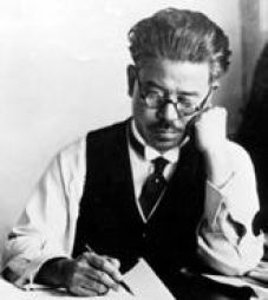
kitazawa rakuten
1876 - 1955 , Japan
プロフィール概要
- Artistic Movement Or Style: Manga & Nihonga
- Date Of Birth: Tokyo, Japan (1876)
- Date Of Death: 1955
- Full Name: Kitazawa Rakuten
- Nationality: Japanese
- Notable Artworks: ['Jiji Manga']
- Place Of Birth: Tokyo