

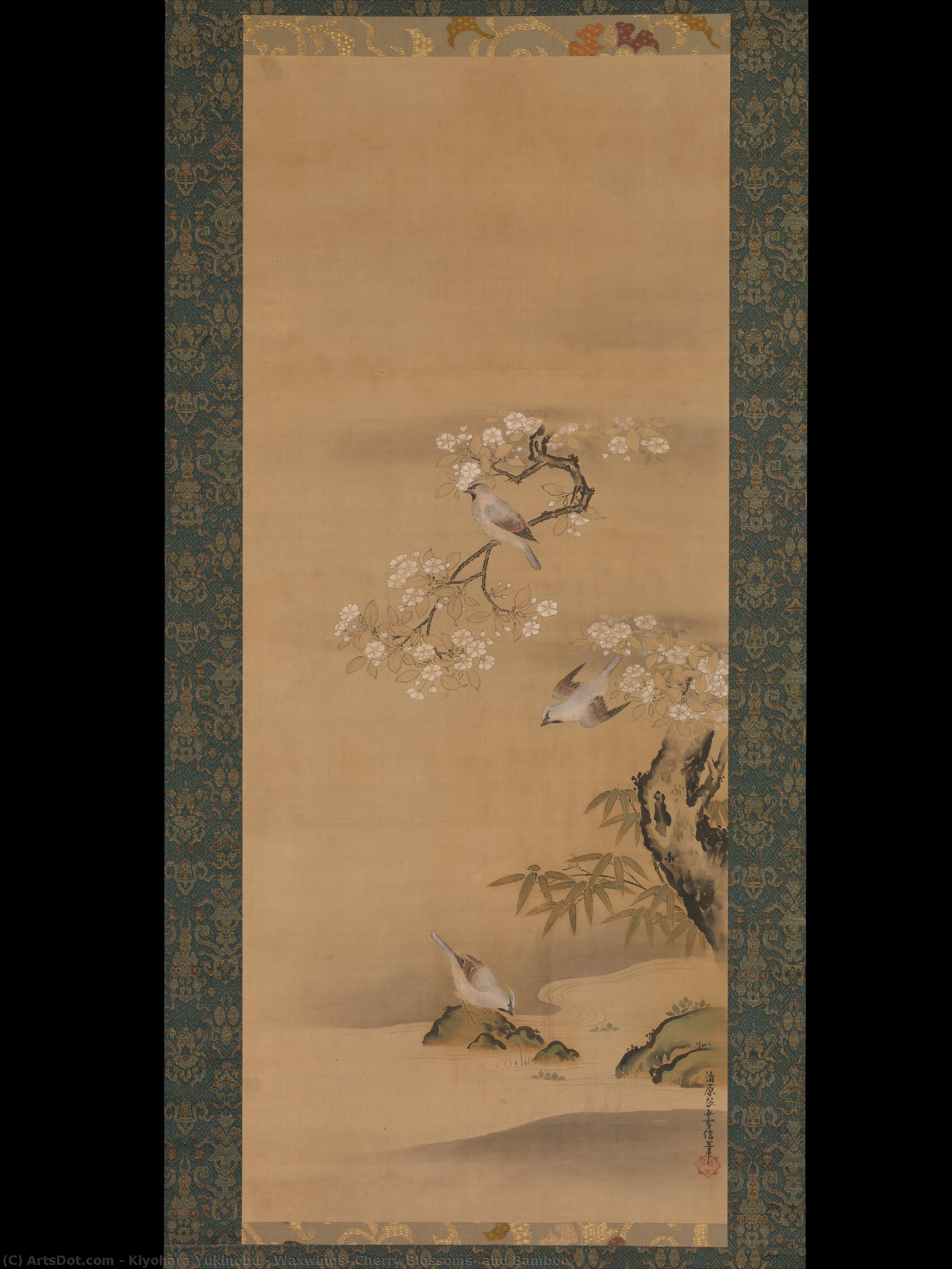
 プレビュー
プレビュー
 シェアする
シェアする シェアする
シェアする
 詳細を見る
詳細を見る

 ダウンロード
 似ている作品
 X線調査
X線調査 スライドショー
Waxwings, Cherry Blossoms, and Bamboo
 601
601 99.0cm x 42.0cm
 詳細を見る
詳細を見る
ジークレー/アートプリント
迅速な制作と多彩な仕上げオプションを備えた、ミュージアムクオリティのジークレーまたはキャンバスプリント。 ( 手描きの絵画を購入 画像を購入)




































作品のオリジナル比率に合わせた、当店の規定サイズからお選びください。

特定のフレームやスペースに合わせて、ご自身でサイズを指定することも可能です。選択されたサイズが元の画像の比率と一致しない場合、作品をトリミングするか、鏡面反射または単色での塗りつぶしによって画像を拡張いたします。制作を開始する前に、ご確認用のデジタルモックアップをお送りいたします。
画面上のプレビューには、実際のトリミングや拡張は反映されませんのでご注意ください。最終的な構図を正確に確認できるのは、モックアップのみとなります。
カスタムサイズも承っておりますが、元の比率を維持するためには、あらかじめ用意されたリストからサイズを選択することをお勧めいたします。


 ガラスオプションは、110cm未満のサイズでのみご利用いただけます。

Waxwings, Cherry Blossoms, and Bamboo
ジークレー/アートプリント
複製画のサイズ
-


合計金額
$ 62
作品詳細説明
関連作品










アーティストの略歴
Godfried Schalcken: Master of Candlelight and Dutch Refinement
Born in Dordrecht in 1643, Godfried Schalcken emerged as a significant figure within the vibrant artistic landscape of the Dutch Golden Age. While often overshadowed by his more celebrated contemporaries like Rembrandt and Vermeer, Schalcken’s unique contribution lies in his exquisite depictions of genre scenes and portraits, particularly his masterful manipulation of light – specifically, the subtle glow of candlelight – that became his signature style. His life was marked by a dedication to meticulous technique, a deep appreciation for the nuances of observation, and a persistent pursuit of refined elegance, characteristics that firmly rooted him within the circle of the “Leiden fijnschilders,” a group renowned for their polished realism and exquisite detail.
Schalcken’s artistic journey began under the tutelage of Samuel van Hoogstraten in Dordrecht, an influential teacher known for his emphasis on disegno – a meticulous approach to drawing that prioritized line and form. This early training laid the foundation for Schalcken's painstaking attention to detail and his commitment to rendering surfaces with remarkable accuracy. He subsequently moved to Leiden, where he spent several years studying under Gerard Dou (1613-1675), one of Rembrandt’s most esteemed pupils. The influence of Dou is readily apparent in Schalcken’s early works, which closely mimic the artist's signature style: small, intimate scenes bathed in soft light, often featuring domestic settings and figures engaged in quiet activities. These initial paintings demonstrate a remarkable ability to capture fleeting moments of everyday life with an almost photographic realism.
Schalcken’s artistic development wasn’t solely defined by his early apprenticeship. He spent time in the service of Johann Wilhelm, Elector Palatine in Düsseldorf during 1703-1706, a period that exposed him to different artistic influences and broadened his experience. However, he ultimately returned to The Hague, where he continued to paint until his death in 1706. His later work, while retaining the hallmarks of his earlier style, began to exhibit a subtle shift towards a more generalized approach, reflecting perhaps a growing weariness or a desire to move beyond imitation. Despite this evolution, Schalcken’s technical skill and artistic sensibility remained consistently high.
A Palette of Light: Techniques and Style
Schalcken's most distinctive characteristic was undoubtedly his extraordinary ability to render the effects of candlelight. He achieved this through a complex layering of translucent glazes, carefully controlled brushwork, and an acute understanding of how light interacts with different surfaces. His paintings are not simply illuminated; they *feel* as though one is standing within a room lit by flickering flames. This technique wasn’t merely decorative; it served to create a sense of intimacy, drama, and psychological depth.
He was part of the Leiden fijnschilders group, known for their refined style and meticulous attention to detail. This group valued precision, clarity, and an almost photographic realism. Schalcken’s work embodies these values perfectly, showcasing a remarkable ability to capture the subtle nuances of texture, color, and light. His compositions are typically small and intimate, often featuring single figures or small groups engaged in quiet activities. The use of muted colors and soft lighting contributes to the overall atmosphere of serenity and refinement.
Schalcken’s skill extended beyond mere imitation; he possessed a keen eye for detail and an innate understanding of human psychology. His portraits, in particular, are remarkably lifelike, capturing not only the physical appearance of his subjects but also their personalities and emotions. He was adept at conveying subtle expressions of joy, sorrow, or contemplation through carefully rendered gestures and facial features.
Notable Works and Legacy
Among Schalcken’s most celebrated works are several portraits that have become prized possessions in prestigious collections worldwide. The half-length portrait of William III of England, now housed in the Rijksmuseum in Amsterdam, is a prime example of his technical skill and artistic sensibility. His paintings also reside in Buckingham Palace, the Louvre, Vienna, and Dresden, testament to their enduring appeal.
Schalcken’s influence extends beyond his individual works. He was a respected teacher and mentor, passing on his knowledge and techniques to subsequent generations of artists. His meticulous approach to painting – particularly his emphasis on disegno and his mastery of light – had a lasting impact on the development of Dutch genre painting.
Despite not achieving the same level of fame as some of his contemporaries, Godfried Schalcken remains a significant figure in the history of Dutch art. His exquisite depictions of candlelight, combined with his refined style and psychological insight, continue to captivate viewers today. He represents a subtle yet vital thread in the rich tapestry of the Dutch Golden Age, a testament to the power of observation, technique, and artistic refinement.
Connections to Other Artists
Schalcken’s early work bears a striking resemblance to that of Gerard Dou, his mentor. Both artists shared a commitment to capturing fleeting moments of light and shadow with remarkable realism. However, Schalcken gradually developed his own distinctive style, characterized by a greater emphasis on composition and psychological depth.
His association with Rembrandt is also noteworthy. While he never directly worked for Rembrandt, Schalcken was deeply influenced by the artist’s innovative use of light and shadow. Rembrandt's influence can be seen in Schalcken’s early paintings, particularly his depictions of domestic scenes.
Furthermore, Schalcken’s work reflects the broader artistic trends of the Dutch Golden Age, including the rise of genre painting and the increasing interest in realism and naturalism. He was part of a vibrant artistic community that fostered innovation and experimentation, contributing to the flourishing of art in the Netherlands during the 17th century.
kiyohara yukinobu
1643 - 1682 , Japan
基本情報
- Artistic Movement Or Style: Leiden fijnschilders
- Artists Or Movements Influenced By This Artist: ['Rembrandt']
- Artists Who Influenced This Artist: ['Gerard Dou']
- Date Of Birth: 1643-10-08
- Date Of Death: 1706-11-16
- Full Name: Godfried van Schalcken
- Nationality: Dutch
- Notable Artworks:
- Lady, Come into the Garden
- Old Woman Scouring a Pan
- Place Of Birth: Dordrecht, Netherlands

