

 プレビュー
プレビュー
 シェアする
シェアする シェアする
シェアする
 詳細を見る
詳細を見る

 ダウンロード
 似ている作品
 X線調査
X線調査 スライドショー
 統計情報
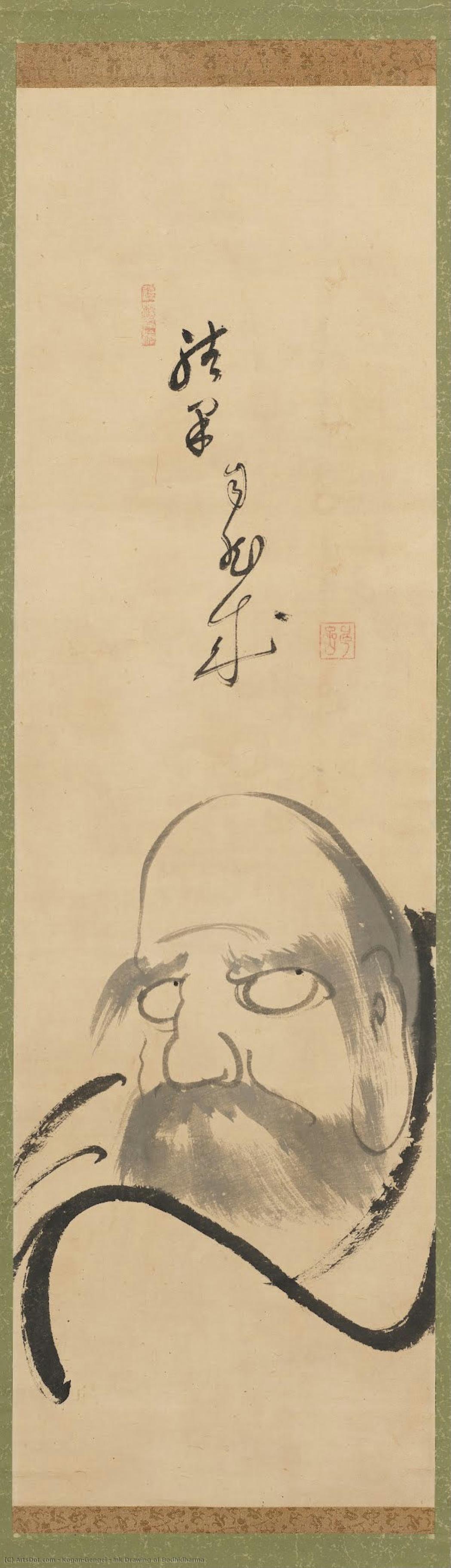
統計情報Ink Drawing of Bodhidharma


 詳細を見る
詳細を見る
手描き油彩複製画
当社のアーティストが、お客様のご希望のサイズと額縁に合わせて、キャンバスに手描きで制作する油彩画です。 ( プリント版に切り替え デジタル画像販売へ切り替え)




P118B $10

P118H $10

P118W $10

P438Z $10

P508JH $12

P508YH $12

P805H $10

P805Z $10

P919BZ $10

P919G $10

P919XJ $10

P959ZH $10

P968JZ $12

W106C $8

W218G $10

W218JH $8

W218Y $10

W307PJ $10

W316G $10

W316PJ $8

W316Y $10

W398PJ $8

W4111J $10

W500HY $15

W500JH $15

W692G $12

W849H $8

W940BG $15

W953PJ $8




作品のオリジナル比率に合わせた、当店の規定サイズからお選びください。

特定のフレームやスペースに合わせて、ご希望のサイズをご入力いただけます。選択されたサイズが元の画像の比率と異なる場合、アートワークをトリミングするか、手描きで要素を追加して絵画を拡張いたします。デジタルモックアップ を制作し、制作開始前にご確認(承認)をいただきます。
画面上のプレビューは、実際のトリミングや拡張を正確に反映しているものではありません。最終的な構図は、モックアップによってのみ正確にご確認いただけます。
カスタムサイズもご利用いただけますが、元の比率を維持するためには、あらかじめ用意されたリストからサイズを選択することをお勧めいたします。
ご注文後、ArtsDot.com チームより詳細な指示をお送りするとともに、仕上がりイメージ(モックアップ)をご提供いたします。


 ガラスオプションは、110cm未満のサイズでのみご利用いただけます。

Ink Drawing of Bodhidharma
複製技法
複製画のサイズ
-


合計金額
$ 263
関連作品
アーティストの略歴
The Serene Vision of Kogan-gengei: A Zen Monk’s Artistic Legacy
Kogan-gengei, born in Niigata, Japan, in 1748, was more than simply a monk; he was a conduit for the profound stillness of Zen Buddhism expressed through the delicate dance of ink and brush. His life, spanning from his birth to his passing in 1821, unfolded within the rich tapestry of Edo-period Japan, a time of both artistic flourishing and deep spiritual contemplation. He navigated the complex world of Buddhist practice, ultimately finding fulfillment as abbot of Kōgenji temple in Hyogo Prefecture – a position he held with quiet dignity from 1789 onwards. This role provided him not only with administrative responsibilities but also with an unparalleled opportunity to immerse himself in the artistic traditions that shaped his unique vision.A Spiritual Foundation: Hakuin Ekaku and the Influence of Zen
Kogan-gengei’s artistic journey was inextricably linked to the teachings and practices of Hakuin Ekaku, a towering figure in 18th-century Japanese Buddhism. Hakuin, known for his rigorous approach to meditation and his emphasis on *kenshō* – direct insight – profoundly influenced Kogan-gengei’s artistic philosophy. The core tenets of Zen, particularly the importance of emptiness (*sunyata*) and the realization of one's true nature through introspection, permeated every aspect of Kogan-gengei’s work. This spiritual grounding is evident in his depictions, which are not merely representations of subject matter but rather attempts to capture a fleeting moment of enlightenment, a glimpse beyond the mundane into the realm of pure awareness. The influence of Hakuin's own artistic style—characterized by bold brushstrokes and a focus on capturing the essence of forms—is readily apparent in Kogan-gengei’s compositions.The Art of Bodhidharma: A Central Motif
Perhaps the most recognizable element of Kogan-gengei's oeuvre is his recurring portrayal of Bodhidharma, the legendary founder of Zen Buddhism. This figure, often depicted as a gaunt, ascetic monk with a flowing beard and piercing gaze, embodies the ideal of the solitary practitioner dedicated to achieving enlightenment. Kogan-gengei’s depictions of Bodhidharma are not literal portraits but rather symbolic representations of the path itself—a journey of self-discovery and spiritual transformation. He frequently portrays Bodhidharma seated in meditation, his posture conveying both profound stillness and dynamic energy. The use of negative space – *ma* – is particularly significant; it allows the viewer to contemplate the vastness of emptiness and the potential for enlightenment within themselves. These works are not about illustrating a historical figure but rather evoking the *experience* of Zen practice.Calligraphy and Ink Painting: A Unified Practice
Kogan-gengei’s artistic talents extended beyond painting to encompass calligraphy, demonstrating a deep understanding of both mediums. For him, calligraphy was not simply an art form but a spiritual discipline—a means of cultivating mindfulness and channeling inner energy. He viewed the brush as an extension of his own being, using it to express the essence of Zen teachings with precision and grace. His ink paintings often incorporated calligraphic elements, seamlessly blending visual imagery with written text. This integration reflects the interconnectedness he saw within Buddhist philosophy—the unity of mind, body, and spirit. The subtle variations in brushstroke, the careful selection of ink tones, and the deliberate placement of each element all contribute to a sense of harmony and balance.Legacy and Historical Significance
Kogan-gengei’s contribution to Japanese art lies not in grand, monumental works but rather in his quietly profound depictions of Zen themes. His focus on simplicity, introspection, and the pursuit of enlightenment resonated deeply with his contemporaries and continues to inspire viewers today. He stands as a testament to the power of art as a vehicle for spiritual expression—a reminder that beauty can be found not only in outward appearances but also in the depths of inner experience. The works attributed to him are now held within prestigious collections, offering a rare glimpse into the artistic sensibilities of a dedicated Zen monk and a significant figure in the history of Japanese ink painting. His legacy endures through his ability to capture the essence of Zen philosophy on paper, inviting contemplation and reminding us of the timeless pursuit of enlightenment.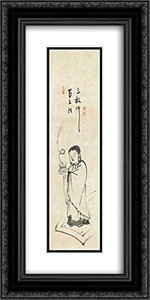
kogan-gengei
1748 - 1821 , Japan
基本情報
- Artistic Movement Or Style: Zen Buddhist art
- Artists Who Influenced This Artist: ['Hakuin Ekaku']
- Date Of Birth: 1748
- Date Of Death: 1821
- Full Name: Kogan-gengei
- Nationality: Japanese
- Notable Artworks: ['Bodhidharma']
- Place Of Birth: Niigata, Japan
関連記事
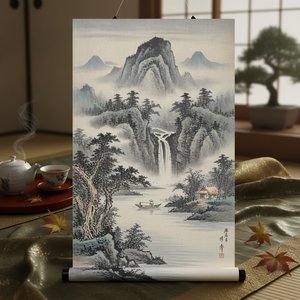
Serenity on Canvas: A Guide to the Timeless Beauty of Japanese Landscape Painting
Discover the serene beauty of Japanese landscape painting. From Hokusai's iconic woodblock prints to meditative sumi-e ink washes, explore a visual journey through the 'floating world' and learn how to bring this timeless Zen aesthetic into your modern home decor.
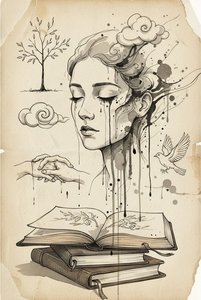
Ephemeral Lines: Exploring Emotional Resonance in Ink Sketching Traditions
Explore the profound art of ink sketching! Discover techniques to express emotion, master line work, and cultivate artistic sensitivity. Learn from historical masters & unlock your creative potential.
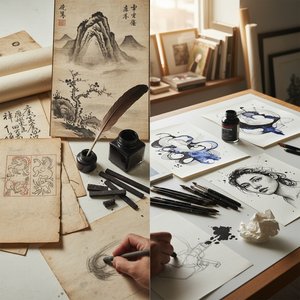
Ephemeral Expressions: Exploring the Nuances of Ink on Paper Through History & Contemporary Art
Explore the captivating world of ink wash painting – from its ancient origins to contemporary masters. Discover techniques, symbolism & conservation insights with ArtsDot.com.

葛飾北斎:25の傑作が語る浮世絵の世界 - ArtsDot
葛飾北斎の25選:『神奈川沖浪裏』や『富嶽三十六景』など、浮世絵の世界を深く探求。木版画の技法と日本美術の美をArtsDotで。高品質なアートプリントで空間に感動を。コレクションはこちら。
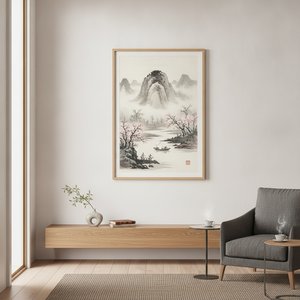
The Beauty of Ink Wash: Discover Serene & Soulful Art for Your Home
Discover the tranquil beauty of ink wash painting. Explore how Sumi-e and monochrome landscapes bring Zen-inspired serenity and soulful elegance to your home decor through expert curation and timeless East Asian aesthetics.