

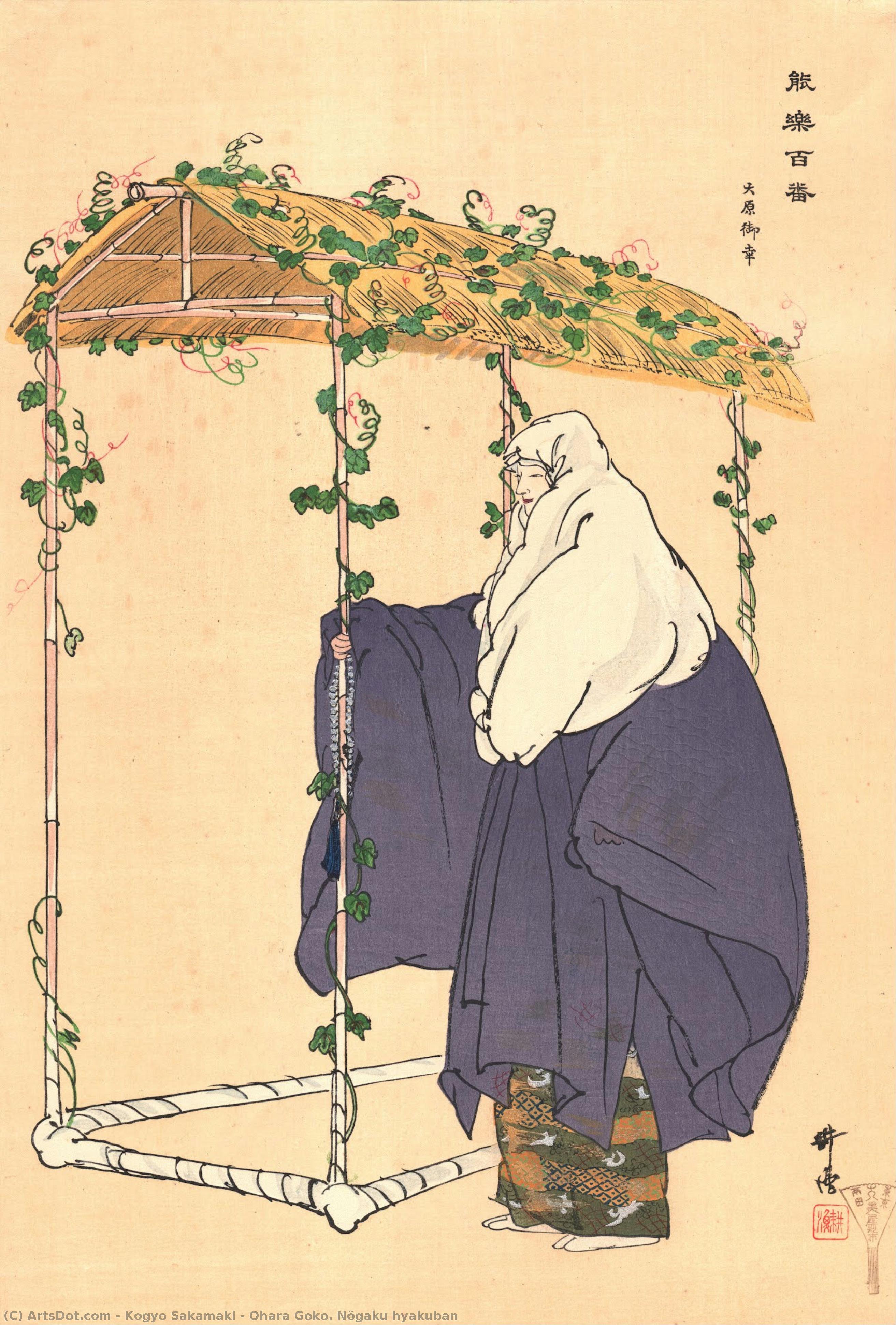
 プレビュー
プレビュー
 シェアする
シェアする シェアする
シェアする
 詳細を見る
詳細を見る

 ダウンロード
 似ている作品
 X線調査
X線調査 スライドショー
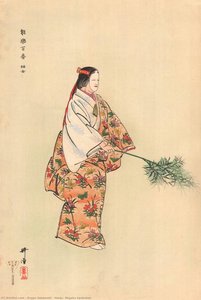
Ohara Goko. Nögaku hyakuban
 Woodblock Print
- Ukiyo-e
 1923
1923- 19th Century
 36.0 x 26.0 cm
 Bujalance Collection
 詳細を見る
詳細を見る
ジークレー/アートプリント
迅速な制作と多彩な仕上げオプションを備えた、ミュージアムクオリティのジークレーまたはキャンバスプリント。 ( 手描きの絵画を購入 画像を購入)




P118B $10

P118H $10

P118W $10

P438Z $10

P508JH $12

P508YH $12

P805H $10

P805Z $10

P919BZ $10

P919G $10

P919XJ $10

P959ZH $10

P968JZ $12

W106C $8

W218G $10

W218JH $8

W218Y $10

W307PJ $10

W316G $10

W316PJ $8

W316Y $10

W398PJ $8

W4111J $10

W500HY $15

W500JH $15

W692G $12

W849H $8

W940BG $15

W953PJ $8




作品のオリジナル比率に合わせた、当店の規定サイズからお選びください。

特定のフレームやスペースに合わせて、ご自身でサイズを指定することも可能です。選択されたサイズが元の画像の比率と一致しない場合、作品をトリミングするか、鏡面反射または単色での塗りつぶしによって画像を拡張いたします。制作を開始する前に、ご確認用のデジタルモックアップをお送りいたします。
画面上のプレビューには、実際のトリミングや拡張は反映されませんのでご注意ください。最終的な構図を正確に確認できるのは、モックアップのみとなります。
カスタムサイズも承っておりますが、元の比率を維持するためには、あらかじめ用意されたリストからサイズを選択することをお勧めいたします。


 ガラスオプションは、110cm未満のサイズでのみご利用いただけます。

Ohara Goko. Nögaku hyakuban
ジークレー/アートプリント
複製画のサイズ
-


合計金額
$ 62
関連作品
![Neko No Shibai 猫の芝居 [cat Theatre] — Utagawa Kunimasa, Ukiyo-e](/media/artworks/images-thumb/94/a5/94a54e4879ac44853d6307509f6732d0.jpg)
アーティストの略歴
Kōgyo Sakamaki (1869–1927): The Poet of Noh
Kōgyo Sakamaki, whose name translates to “Moonlit Harvest,” stands as one of Japan’s most revered printmakers of the Meiji era (1868–1912), a period marked by rapid modernization and cultural introspection. Born Henyu Bennosuke in Nihonbashi, Tokyo—a bustling district at the heart of Edo’s commercial center—his artistic journey began under the tutelage of Tsukioka Yoshitoshi, arguably Japan's foremost ukiyo-e artist, a figure who profoundly shaped Sakamaki’s aesthetic sensibilities and lifelong devotion to Noh theatre. This dedication would define his oeuvre, resulting in over 550 prints that capture the essence of this ancient Japanese dramatic tradition with unparalleled sensitivity and artistry.- Early Life & Training: Sakamaki's formative years were spent assisting his father in running an inn while simultaneously immersing himself in pottery painting under his uncle’s guidance—a grounding experience that instilled a meticulous attention to detail and craftsmanship. Crucially, he enrolled at Tokyo School of Fine Arts at the age of fifteen, where he honed his artistic skills alongside Yoshitoshi, absorbing the master's techniques and fostering an appreciation for Western influences alongside traditional Japanese aesthetics.
- The Influence of Yoshitoshi: Yoshitoshi’s marriage to Sakamaki’s mother cemented their familial bond and provided Sakamaki with invaluable mentorship. Yoshitoshi championed Noh theatre as a form of artistic expression, recognizing its profound connection to Japanese culture and history—a conviction that ignited Sakamaki's own passion for the genre.
- Collaboration with Gekkō: Following Yoshitoshi’s death in 1892, Sakamaki continued his artistic pursuits under the guidance of Ogata Gekkō, another titan of Meiji printmaking. Gekkō encouraged Sakamaki to explore watercolor techniques and synthesize Western influences with traditional Japanese sensibilities—a stylistic fusion that would become a hallmark of Sakamaki’s distinctive visual language.
Noh Theatre Prints: A Legacy of Observation & Emotion
Sakamaki's artistic focus centered on Noh theatre, a ritualistic form of drama characterized by stylized movements, chanting, and masks—a tradition that had undergone significant transformation since its origins in feudal Japan. Recognizing the challenges faced by Noh as it navigated the pressures of modernization, Sakamaki sought to preserve its cultural heritage through meticulously crafted prints. He undertook extensive research into Noh performance practices, documenting costumes, postures, and facial expressions with remarkable precision.- Series Creation: Sakamaki produced three monumental print series—*Hanjo*, *Ikarikazuki*, and *Fuji*—each representing a comprehensive portrayal of Noh plays. These prints are not merely reproductions; they are imbued with palpable emotion and convey the spirit of Noh’s rituals and aesthetics.
- Technique & Style: Sakamaki employed a distinctive watercolor-like technique, layering translucent washes to achieve luminous effects that captured the subtle nuances of Noh theatre—a stylistic innovation that distinguished him from his contemporaries.
Critical Recognition & Artistic Significance
Sakamaki’s work garnered widespread acclaim both in Japan and internationally. He was awarded a prize at the Panama Pacific International Exposition in San Francisco in 1915 for his woodcut “The Horse Market at Kiso,” cementing his reputation as one of Japan's foremost printmakers. His prints continue to be studied by scholars and admired by collectors alike, serving as invaluable documents of Noh theatre’s cultural history and embodying the artistic ideals of the Meiji era—a testament to Sakamaki’s enduring legacy as a master of ukiyo-e and a poet of Japanese tradition.Posthumous Legacy & Continued Appreciation
Despite his untimely death in 1927, Sakamaki's influence persists through the work of his student, Sufo, who continued to produce prints inspired by Sakamaki’s vision—a continuation of his artistic spirit that ensures his contribution to Japanese art history remains vibrant and relevant. His prints reside in major collections worldwide, including the University of Pittsburgh, where they are celebrated as masterpieces of ukiyo-e artistry and embodiments of Japan's cultural heritage.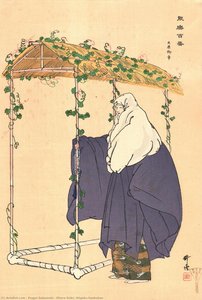
kogyo sakamaki
1869 - 1927 , Japan
基本情報
- Artistic Movement Or Style: Noh Theatre Prints
- Artists Or Movements Influenced By This Artist: ['Ukiyo-e']
- Artists Who Influenced This Artist:
- Tsukioka Yoshitoshi
- Ogata Gekkō
- Date Of Death: 1927
- Full Name: Tsukioka Kōgyo 月岡耕漁
- Nationality: Japanese
- Notable Artworks:
- Hanjo. Nögaku hyakuban
- Ikarikazuki. Nögaku Zue
- Fuji. Nögaku Zue
- Place Of Birth: Tokyo, Japan
関連記事

葛飾北斎:25の傑作が語る浮世絵の世界 - ArtsDot
葛飾北斎の25選:『神奈川沖浪裏』や『富嶽三十六景』など、浮世絵の世界を深く探求。木版画の技法と日本美術の美をArtsDotで。高品質なアートプリントで空間に感動を。コレクションはこちら。
Serenity on Canvas: A Guide to the Timeless Beauty of Japanese Landscape Painting
Discover the serene beauty of Japanese landscape painting. From Hokusai's iconic woodblock prints to meditative sumi-e ink washes, explore a visual journey through the 'floating world' and learn how to bring this timeless Zen aesthetic into your modern home decor.
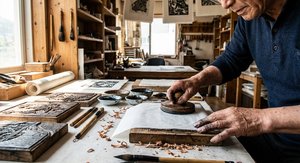
The Enduring Legacy of Woodblock Printmaking: Technique, History & Artistic Expression
Explore the rich history of woodblock printmaking – from ancient techniques to Ukiyo-e masterpieces. Discover expert insights on collecting, preserving & appreciating this enduring art form.
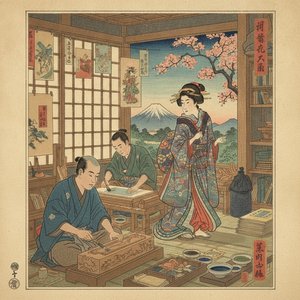
Floating World: The Captivating Art and Legacy of Japanese Ukiyo-e
Explore the profound beauty of Japanese Ukiyo-e. Discover the history, masters like Hokusai, and the enduring legacy of the 'Floating World' through an expert art-historical lens.
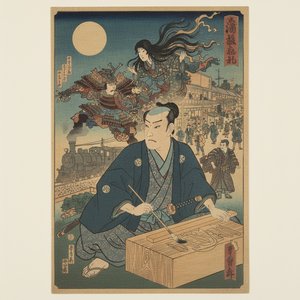
Tsukioka Yoshitoshi: A Master of Ukiyo-e's Final Flourish – Narrative, Innovation, and the Meiji Transition
Explore the life & art of Tsukioka Yoshitoshi, the last great master of ukiyo-e woodblock printing. Discover his dramatic warrior prints, innovative series like 'One Hundred Aspects of the Moon,' and legacy reflecting Japan's Meiji transition.

