

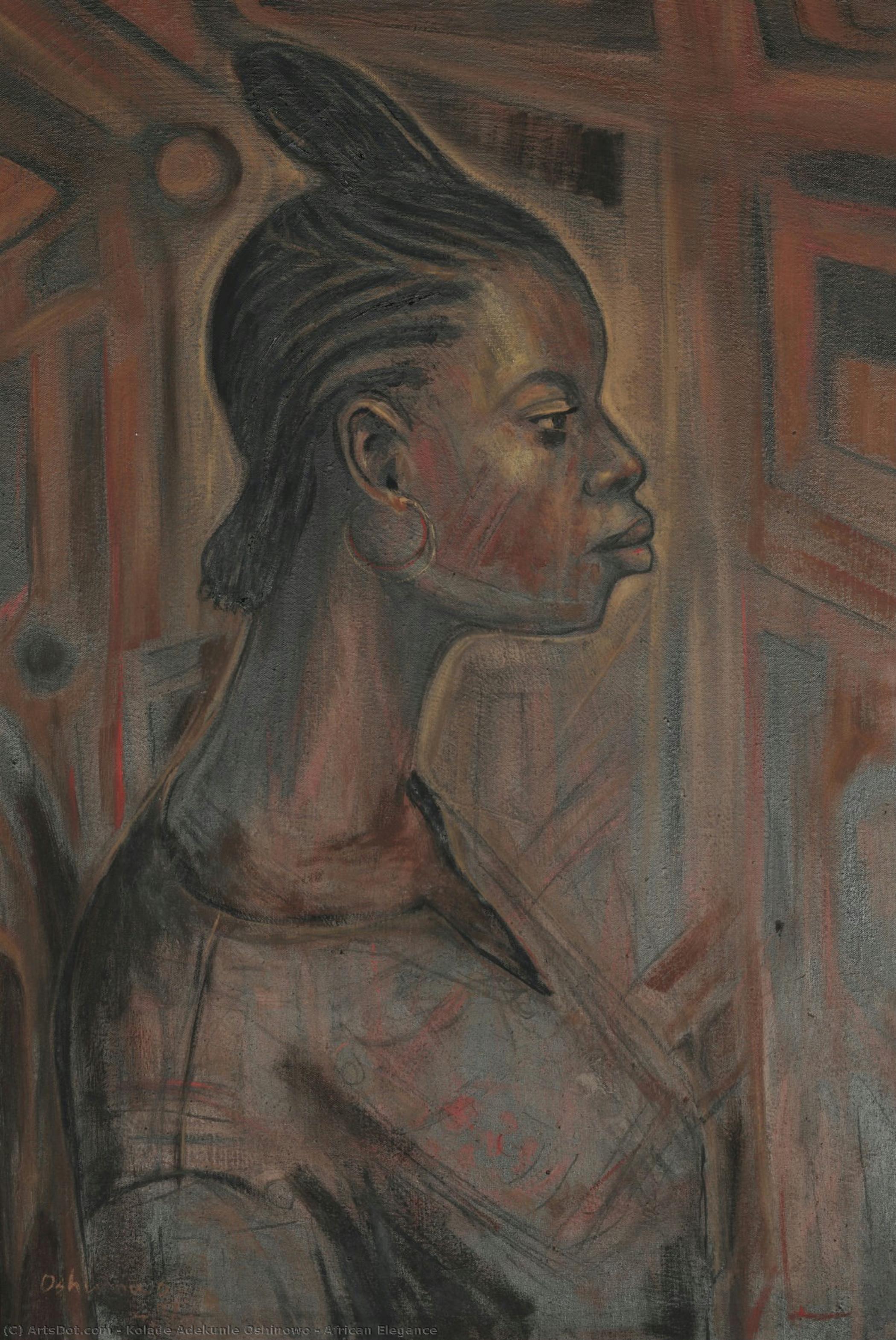
 プレビュー
プレビュー
 シェアする
シェアする シェアする
シェアする
 詳細を見る
詳細を見る

 ダウンロード
 似ている作品
 X線調査
X線調査 スライドショー
 Stats
StatsAfrican Elegance
 Contemporary Realism
 2007
2007 92.0 x 61.0 cm
 Yemisi Shyllon Museum of Art
 詳細を見る
詳細を見る
ジークレー/アートプリント
迅速な制作と多彩な仕上げオプションを備えた、ミュージアムクオリティのジークレーまたはキャンバスプリント。 ( 手描きの絵画を購入 Switch to Digital Image)




P118B $10

P118H $10

P118W $10

P438Z $10

P508JH $12

P508YH $12

P805H $10

P805Z $10

P919BZ $10

P919G $10

P919XJ $10

P959ZH $10

P968JZ $12

W106C $8

W218G $10

W218JH $8

W218Y $10

W307PJ $10

W316G $10

W316PJ $8

W316Y $10

W398PJ $8

W4111J $10

W500HY $15

W500JH $15

W692G $12

W849H $8

W940BG $15

W953PJ $8




作品のオリジナル比率に合わせた、当店の規定サイズからお選びください。

特定のフレームやスペースに合わせて、ご自身でサイズを指定することも可能です。選択されたサイズが元の画像の比率と一致しない場合、作品をトリミングするか、鏡面反射または単色での塗りつぶしによって画像を拡張いたします。制作を開始する前に、ご確認用のデジタルモックアップをお送りいたします。
画面上のプレビューには、実際のトリミングや拡張は反映されませんのでご注意ください。最終的な構図を正確に確認できるのは、モックアップのみとなります。
カスタムサイズも承っておりますが、元の比率を維持するためには、あらかじめ用意されたリストからサイズを選択することをお勧めいたします。


 ガラスオプションは、110cm未満のサイズでのみご利用いただけます。

African Elegance
ジークレー/アートプリント
複製画のサイズ
-


合計金額
$ 62
関連作品


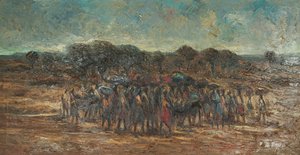
アーティストの略歴
Early Life and Artistic Beginnings
Itzhak Avraham ben Zeev Spiegelman, better known as Art Spiegelman, was born in Brooklyn, New York, on February 15, 1948 – a date that would profoundly shape his life and artistic trajectory. His early years were marked by the shadow of his father, Oma, a Holocaust survivor whose experiences became the cornerstone of Spiegelman’s most celebrated work, *Maus*. Spiegelman's childhood was far from idyllic; he grew up in a household grappling with the lingering trauma of war and displacement, an environment that instilled in him a deep sense of empathy and a critical perspective on history. Initially drawn to the vibrant world of comic books and advertising art, Spiegelman began his professional career in the mid-1960s at Topps Company, where he honed his skills creating parodic series like *Wacky Packages* and later contributed to the wildly popular *Garbage Pail Kids*. These early ventures provided a crucial financial foundation while simultaneously exposing him to the collaborative nature of commercial art and the power of visual storytelling. It was during this period that Spiegelman began experimenting with unconventional techniques, foreshadowing his later embrace of process-oriented approaches to artmaking.The Underground Comix Scene and *Breakdowns*
The late 1970s witnessed a burgeoning underground comix scene in New York City – a countercultural movement challenging the established norms of mainstream comics. Spiegelman became deeply involved, collaborating with artists like Charles Burns and Ben Katchor, contributing to magazines such as *Zap Comix*, and exploring autobiographical themes through short, experimental strips. This period was characterized by a raw honesty and a willingness to confront difficult subjects – a direct contrast to the often sanitized narratives of traditional comics. Crucially, it was during this time that Spiegelman began working on *Breakdowns*, a deeply personal graphic novel chronicling his complex relationship with his father. The book wasn’t conceived as a straightforward biography; instead, it utilized a postmodern structure, interweaving Spiegelman's recollections with fictionalized accounts of Oma’s wartime experiences. This innovative approach, combined with its unflinching portrayal of trauma and the challenges of familial communication, established *Breakdowns* as a landmark achievement in autobiographical comics.The Creation of *Maus* and Critical Acclaim
1980 marked a turning point for Spiegelman – the beginning of a monumental undertaking that would cement his place in art history: *Maus*. This Pulitzer Prize-winning graphic novel, depicting Jews as mice and Nazis as cats, is arguably the most influential work of the 20th century. The choice of animal metaphors was deliberate, aiming to transcend simplistic allegories and explore the universal themes of persecution, prejudice, and memory. *Maus* wasn’t merely a historical account; it was a deeply emotional exploration of family secrets, unresolved grief, and the enduring legacy of trauma. The sheer scale of the project – spanning over a decade and demanding meticulous research – underscored Spiegelman's commitment to his subject matter. The book’s success sparked widespread critical acclaim and opened up new avenues for exploring complex historical narratives through the medium of comics. It demonstrated the power of sequential art to convey profound truths and engage readers on an emotional level.Collaboration with Françoise Mouly and *Raw*
Alongside his artistic pursuits, Spiegelman forged a significant professional partnership with designer and editor Françoise Mouly. Together, they co-founded and edited *Raw*, an oversized comics magazine that emerged in the early 1980s as a vital platform for alternative comic artists. *Raw* was more than just a publication; it was a community—a space where emerging talents like Charles Burns, Chris Ware, and Ben Katchor could showcase their work and connect with a wider audience. Spiegelman and Mouly’s editorial vision championed experimentation, encouraged diverse voices, and pushed the boundaries of what comics could be. Their involvement in *The New Yorker* beginning in the 1990s further solidified their influence on contemporary art and journalism, demonstrating the evolving role of comics as a legitimate form of artistic expression.Legacy and Recognition
Art Spiegelman’s work has had an immeasurable impact on the world of comics and beyond. *Maus* alone is considered a cornerstone of the medium, influencing countless artists and writers. His advocacy for comics literacy and his commitment to exploring difficult subjects with honesty and empathy have earned him widespread respect and admiration. In 2022, he was awarded the National Book Foundation’s Medal for Distinguished Contribution to American Letters – a testament to his enduring legacy as a visionary artist and cultural commentator. Spiegelman continues to create and explore new ideas, demonstrating an unwavering dedication to pushing the boundaries of storytelling and challenging conventional perspectives. His work serves as a powerful reminder of the importance of confronting history, honoring memory, and fostering understanding through art.
kolade adekunle oshinowo
1948 - , Nigeria
基本情報
- Artistic Movement Or Style: Comics, Graphic novel
- Artists Or Movements Influenced By This Artist:
- Underground comix
- Alternative comics
- Artists Who Influenced This Artist: ['Paul Jackson Pollock']
- Date Of Birth: February 15, 1948
- Full Name: Itzhak Avraham ben Zeev Spiegelman
- Nationality: American
- Notable Artworks:
- Maus
- Arcade
- Raw
- Place Of Birth: Ontario, Canada
関連記事

Henry Ossawa Tanner: Pioneering African American Representation in 19th-Century Art
Explore the life and groundbreaking work of Henry Ossawa Tanner, a pioneering African American artist who achieved international acclaim with his deeply spiritual and realistic paintings. Discover his legacy at ArtsDot.
キャンバスを奪還する:女性アーティストの歴史的台頭と現代への影響
美術史に埋もれた女性アーティストの才能を再発見。ArtsDot.comでは高品質な油絵複製、カスタムポートレート、専門家によるアートコンサルテーションを提供し、コレクションを豊かにします。
Ethel Walker: A Scottish Impressionist Championing Female Artistic Independence
Discover the life and art of Ethel Walker (1861-1951), a pioneering Scottish Impressionist painter. Explore her captivating portraits, challenge to artistic norms, and lasting legacy with ArtsDot.

Harmonizing Heritage: A Cross-Cultural Approach to Interior Design with Asian, European, and African Art Reproductions
Discover the art of cross-cultural interior design with ArtsDot.com. Explore museum-quality reproductions & expert guidance to create a globally inspired, sophisticated home. Shop now!
The Enduring Muse: Female Representation & Evolution in Art History
Explore the rich history of women in art – from iconic muses to groundbreaking artists. Discover feminist movements & reclaim female narratives with ArtsDot. Expert insights for discerning collectors.