

 プレビュー
プレビュー
 プリントを購入
 シェアする
シェアする シェアする
シェアする
 詳細を見る
詳細を見る

 ダウンロード
 似ている作品
 X線調査
X線調査 スライドショー
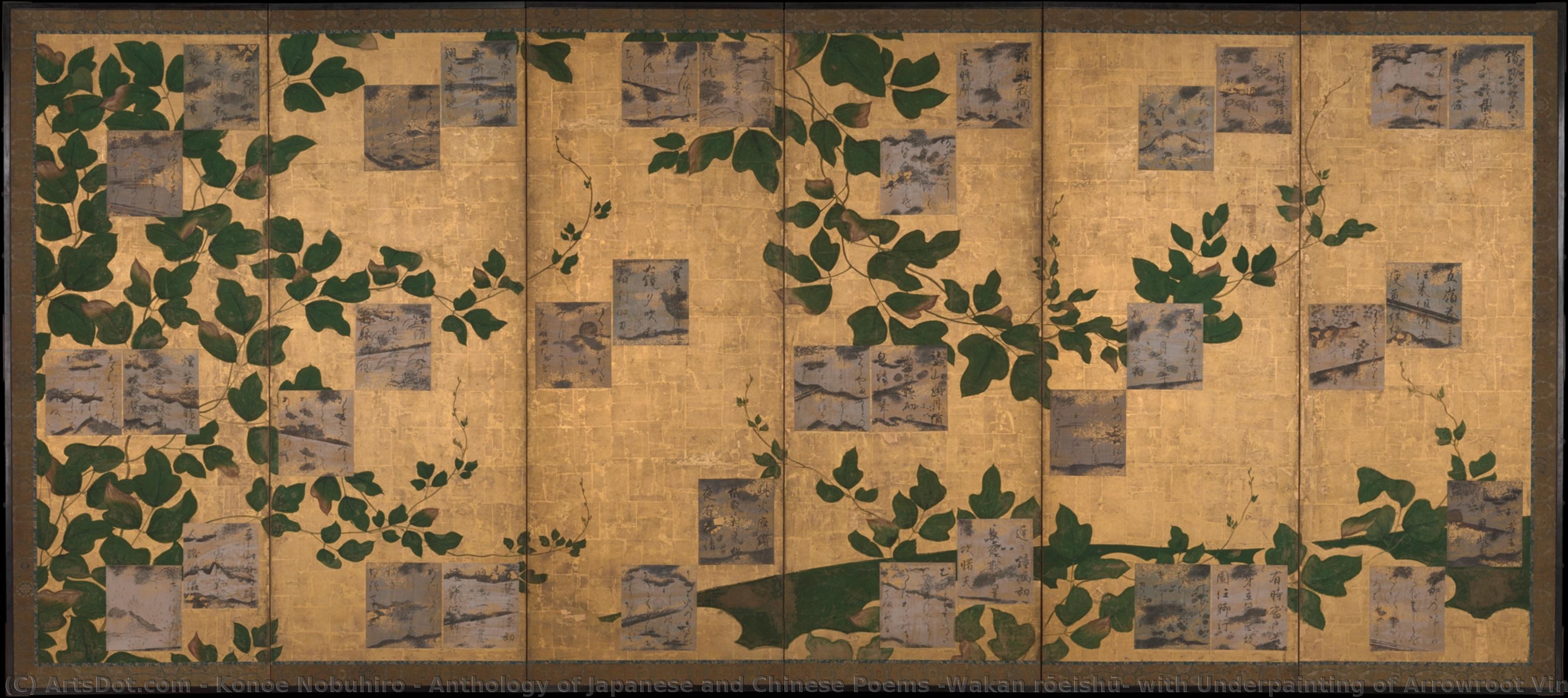
Anthology of Japanese and Chinese Poems (Wakan rōeishū) with Underpainting of Arrowroot Vines


 詳細を見る
詳細を見る
オンラインプレビューをはるかに凌ぐ、高解像度で鮮明なデジタル画像をご購入いただけます。
各ファイルは、社内の専門家が高度なツールと熟練した手作業によるレタッチを用いて、細心の注意を払って準備されています。すべての画像において、卓越した鮮明度、正確な色彩再現性、そして繊細なディテールを保証いたします。
最終ファイルは、プロフェッショナルな編集・印刷環境ですぐにご利用いただけるよう最適化された状態で、72時間以内にメールにてお届けいたします。これは、一流のデザインスタジオ、出版社、ギャラリーから信頼されているものと同等の品質です。
デジタル画像のご注文に付随する特典
高品質なデジタル画像配信を、確かな品質で。
ArtsDot.com を選ぶことは、単に画像を手に入れることではありません。それは、プロの手によって精密に仕上げられ、満足保証が付いた高品質なデジタルアートワークを受け取ることを意味します。ご注文いただいた際に自動的に付随する内容は、以下の通りです:

メールですぐにお届け
ご注文から72時間以内に、高解像度のデジタル画像ファイルがメールでお手元に届きます。すぐにそのままご利用いただけます。

AI技術で最適化されたデジタルファイル
お客様の作品は、高度なAIツールと専門家による手作業の編集を組み合わせてプロフェッショナルに最適化されており、細部のディテール、鮮明さ、そして正確な色再現性を最大限に引き出しています。

一生涯無料の再送サービス
ファイルを誤って削除したり、紛失してしまったりしましたか?ご安心ください。いつでも無料で再送いたします。

輸入手数料は一切かかりません
関税や手数料、配送料を気にすることなく、お気に入りのアートワークをすぐにお楽しみいただけます。デジタルダウンロードは常に免税です。

色彩再現の保証
プロ仕様のツールとカラーマネジメント技術を用いることで、デジタル画像が元の色を最大限に忠実に再現することを保証いたします。

60日間満足保証
ご購入いただいたデジタル画像にご満足いただけない場合は、60日以内であれば、修正または100%の返金(理由を問う必要はありません)をさせていただきます。

100% 返金保証
ご満足いただけない場合は、デジタルファイルを受け取ってから60日以内であれば、理由を問わず全額返金いたします。

まとめ買い割引
3枚購入で10%OFF - 5枚購入で15%OFF - 10枚以上購入で20%OFF。クリエイティブなプロジェクト、ギャラリー、エージェンシーに最適です。
関連作品




作家の略歴
Diego Velázquez: The Master of Light and Observation
Diego Rodríguez de Silva y Velázquez, a name synonymous with artistic mastery in the 17th century, remains one of the most revered figures in Western art history. Born in Seville in 1599, his life was inextricably linked to the court of King Philip IV of Spain, and it was within those gilded walls that he honed his extraordinary talent – a talent characterized by an unparalleled ability to capture not just appearances but also the very essence of human experience. Velázquez’s legacy isn't simply one of technical skill; it’s a testament to his profound understanding of light, shadow, and the subtle nuances of observation, qualities that continue to inspire artists centuries later.
Early Life and Artistic Training
Velázquez’s early life remains somewhat shrouded in mystery. He was baptized on June 6, 1599, in Seville, the firstborn son of Juan Rodríguez de Silva y Velázquez, a notary, and Jerónima Velázquez. His family's origins were complex; his paternal grandparents were Portuguese conversos – Jews who had converted to Christianity – adding an intriguing layer to his lineage. He received his initial artistic training under the tutelage of Francisco Pacheco, a local painter whose studio served as a vibrant hub for aspiring artists. Pacheco’s approach emphasized naturalism and meticulous detail, providing Velázquez with a solid foundation in traditional techniques. However, it was Pacheco's own style – characterized by idealized portraits and religious scenes – that Velázquez quickly sought to transcend, embarking on a journey toward a more direct and emotionally resonant representation of reality.
The Court Painter and the Development of His Style
Velázquez’s career truly took flight when he was summoned to Madrid in 1623 to paint a portrait of King Philip IV. This commission proved pivotal, catapulting him into the heart of the Spanish court and establishing his position as the king's official painter. Over the next four decades, he served as a tireless chronicler of royal life, producing an astonishing array of portraits – not just of the royal family but also of courtiers, servants, dwarves, and even stray dogs. Initially influenced by the Venetian painters whose works were housed in the Spanish Royal Collection, Velázquez gradually developed his own distinctive style, characterized by a masterful use of *tenebrismo*—a dramatic contrast between light and dark—and loose, expressive brushwork. He moved away from the polished surfaces favored by earlier generations, embracing a more tactile and immediate approach to painting.
Key Works and Artistic Innovations
Velázquez’s oeuvre is remarkably diverse, encompassing historical scenes, mythological subjects, still lifes, and, most famously, portraits. *Las Meninas* (1656), arguably his masterpiece, remains a subject of endless fascination and scholarly debate. This complex and layered painting depicts the Infanta Margarita being attended by her maids of honor, with King Philip IV and Queen Mariana observing from a mirror. It’s a brilliant exploration of perspective, illusion, and the very act of representation – questioning who is truly being painted and what constitutes reality within the scene. Other significant works include *The Surrender at Breda* (1634-35), a monumental depiction of the end of the Eighty Years' War, and numerous portraits of Philip IV and his family, each capturing the sitter’s personality with remarkable insight. His still lifes, particularly those depicting kitchen scenes, are equally compelling, showcasing his ability to render textures and details with astonishing precision.
Legacy and Influence
Diego Velázquez's influence on subsequent generations of artists is immeasurable. His innovative use of light, shadow, and brushwork paved the way for Impressionism in the 19th century, inspiring figures like Édouard Manet, Claude Monet, and Paul Cézanne. Artists as diverse as Pablo Picasso, Salvador Dalí, and Francis Bacon have repeatedly turned to Velázquez’s work for inspiration, reinterpreting his iconic images and exploring their psychological depth. Today, his paintings reside primarily in the Museo del Prado in Madrid, where they continue to draw millions of visitors each year. Velázquez's legacy extends beyond the realm of art; he is remembered as a master observer, a keen psychologist, and one of the greatest painters who ever lived – a testament to the power of seeing, capturing, and conveying the world around us with unparalleled skill and sensitivity.
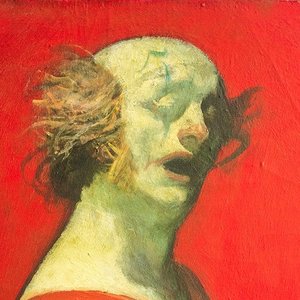
konoe nobuhiro
1599 - 1649 , Japan
プロフィール概要
- Artistic Movement Or Style: Baroque, Tenebrism
- Artists Or Movements Influenced By This Artist:
- Realism
- Impressionism
- Artists Who Influenced This Artist:
- Caravaggio
- Venetian painting
- Date Of Birth: June 6, 1599
- Date Of Death: August 6, 1660
- Full Name: Diego Rodríguez de Silva y Velázquez
- Nationality: Spanish
- Notable Artworks:
- Las Meninas
- Philip IV
- Venus at Her Mirror
- Place Of Birth: Seville, Spain

