 プレビュー
プレビュー
 プリントを購入
 シェアする
シェアする シェアする
シェアする
 詳細を見る
詳細を見る

 ダウンロード
 似ている作品
 X線調査
X線調査 スライドショー
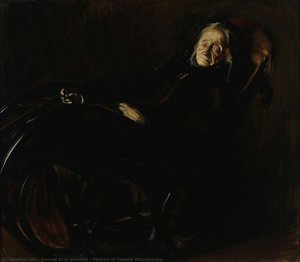
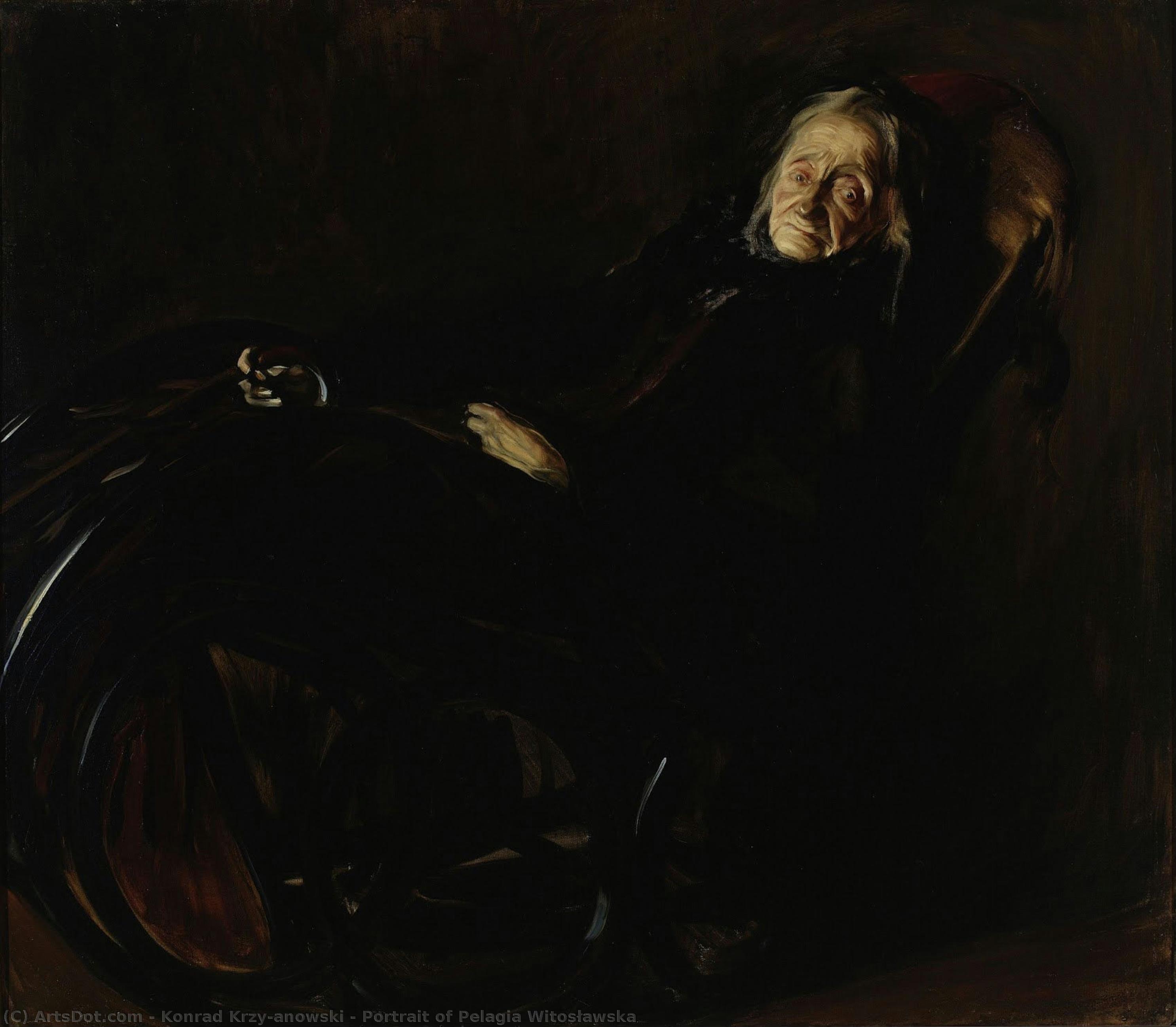
ペラジア・ヴィトスワスカの肖像画
 キャンバスに油彩
- ウォールアート
- Expressionist Realism
 125.0 x 112.0 cm
 ワルシャワ国立美術館
 詳細を見る
詳細を見る




P118B $10

P118H $10

P118W $10

P438Z $10

P508JH $12

P508YH $12

P805H $10

P805Z $10

P919BZ $10

P919G $10

P919XJ $10

P959ZH $10

P968JZ $12

W106C $8

W218G $10

W218JH $8

W218Y $10

W307PJ $10

W316G $10

W316PJ $8

W316Y $10

W398PJ $8

W4111J $10

W500HY $15

W500JH $15

W692G $12

W849H $8

W940BG $15

W953PJ $8




作品のオリジナル比率に合わせた、当店の規定サイズからお選びください。

特定のフレームやスペースに合わせて、ご希望のサイズをご入力いただけます。選択されたサイズが元の画像の比率と異なる場合、アートワークをトリミングするか、手描きで要素を追加して絵画を拡張いたします。デジタルモックアップ を制作し、制作開始前にご確認(承認)をいただきます。
画面上のプレビューは、実際のトリミングや拡張を正確に反映しているものではありません。最終的な構図は、モックアップによってのみ正確にご確認いただけます。
カスタムサイズもご利用いただけますが、元の比率を維持するためには、あらかじめ用意されたリストからサイズを選択することをお勧めいたします。
ご注文後、ArtsDot.com チームより詳細な指示をお送りするとともに、仕上がりイメージ(モックアップ)をご提供いたします。


 ガラスオプションは、110cm未満のサイズでのみご利用いただけます。

ペラジア・ヴィトスワスカの肖像画
複製技法
複製画のサイズ
-


合計金額
$ 263
Portrait of Pelagia Witosławska - Sebuah Refleksi Filosofis tentang Kematian dan Keindahan
Konrad Krzyżanowski adalah seorang pelukis Polandia yang lahir pada tahun 1872 dan meninggal pada tahun 1922. Ia dikenal sebagai tokoh kunci dalam perkembangan ekspresionisme Polandia awal, sebuah gerakan seni yang menekankan emosi subjektif dan pernyataan pribadi terhadap dunia luar. Karya Krzyżanowski sering kali mencerminkan ketegangan antara kehidupan dan kematian, serta eksplorasi kondisi manusia yang mendalam. Dalam artikel ini, kita akan menyelami karya seni ikoniknya “Portrait of Pelagia Witosławska” untuk memahami makna estetika dan filosofisnya secara lebih komprehensif.- Latar Belakang Historis: Ekspresionisme Polandia Krzyżanowski muncul pada masa ekspresionisme Polandia, sebuah gerakan seni yang lahir sebagai reaksi terhadap perubahan sosial dan politik pada akhir abad XIX dan awal abad XX. Ekspresionisme berusaha untuk menangkap pengalaman subjektif dari kehidupan sehari-hari dengan cara yang jujur dan sering kali menyakitkan, menggunakan warna gelap dan komposisi dramatis untuk menyampaikan emosi yang kuat. Krzyżanowski adalah salah satu tokoh penting dalam gerakan ini, bersama dengan Kazimierz Stabrowski dan Ludwik Konarzewski.
- Deskripsi Karya Seni “Portrait of Pelagia Witosławska” adalah sebuah lukisan minyak pada kanvas yang menggambarkan seorang wanita tua bernama Pelagia Witosławska. Lukisan ini menampilkan ekspresi wajah yang menyakitkan dan penuh ketakutan, serta komposisi yang menekankan kepala dan tangan wanita tersebut sebagai titik fokus utama. Krzyżanowski menggunakan teknik ekspresif realistis untuk menangkap kondisi fisik dan psikologis wanita itu dengan presisi tinggi.
- Teknik Ekspresif Realisme Krzyżanowski dikenal karena penggunaan teknik ekspresif realisme yang khasnya melibatkan penggunaan warna gelap dan komposisi dramatis untuk menyampaikan emosi yang kuat. Dalam lukisan ini, ia menggunakan garis-garis cepat dan tekstur kasar untuk menciptakan kesan urgensi dan ketegangan visual. Teknik ini memungkinkan Krzyżanowski untuk menangkap kondisi manusia dengan cara yang mendalam dan menyentuh hati.
- Simbolisme Filosofis Lukisan tersebut bukan hanya sekadar penggambaran fisik seorang wanita tua, tetapi juga mengandung simbolisme filosofis yang signifikan. Ekspresi wajah Pelagia Witosławska mencerminkan ketakutan akan kematian dan kondisi manusia secara keseluruhan. Krzyżanowski menggunakan chiaroscuro yang kontras untuk menekankan perbedaan antara cahaya dan kegelapan, menciptakan efek dramatis yang membangkitkan rasa simpaty terhadap subjeknya.
- Pengaruh pada Seni Modern Karya Krzyżanowski memiliki pengaruh besar pada perkembangan seni modern di Polandia dan Eropa secara keseluruhan. Ekspresionisme Polandia menjadi gerakan seni yang berpengaruh dalam abad XX, mendorong para seniman untuk mengeksplorasi tema-tema seperti kematian, penyakit, dan kondisi manusia dengan cara yang inovatif dan jujur. Krzyżanowski adalah salah satu tokoh kunci dalam gerakan ini, meninggalkan warisan seni yang abadi.
関連作品



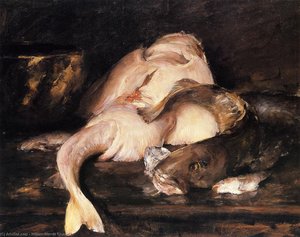
アーティストの略歴
Konrad Krzyżanowski: A Pioneer of Polish Expressionism
Konrad Krzyżanowski (1872-1922) stands as a pivotal, yet often overlooked, figure in the early development of Polish Expressionism. Born in Kremenchuk, Ukraine – a region steeped in artistic and cultural exchange – his journey to becoming a celebrated painter was marked by both brilliance and hardship. His formative years in Kyiv instilled within him a deep appreciation for art, leading him to pursue formal training at the Kyiv Drawing School under the tutelage of Mykola Murashko, a respected figure in Ukrainian art. This initial foundation proved crucial as he later enrolled at the Imperial Academy of Arts in Saint Petersburg, an institution renowned for its rigorous curriculum and influential alumni. However, his time there was tragically cut short; a clash with the academy’s conservative teaching methods resulted in his expulsion, forcing him to seek new horizons. This pivotal moment propelled Krzyżanowski towards Munich in 1897, where he immersed himself in the vibrant artistic scene of the burgeoning German Expressionist movement. Under the guidance of Simon Hollósy, a prominent figure known for his bold color palettes and psychological explorations, he honed his skills and began to develop his distinctive style. It was in Munich that Krzyżanowski truly embraced the tenets of Expressionism – prioritizing emotional intensity and subjective experience over strict adherence to representational accuracy. Three years later, he settled in Warsaw, establishing a painting school alongside Kazimierz Stabrowski, a collaboration that would significantly shape the artistic landscape of Poland. This period wasn’t merely about instruction; it was a deliberate effort to cultivate a new generation of artists attuned to the anxieties and complexities of the modern world.Artistic Style and Influences
Krzyżanowski's artistic style is immediately recognizable for its intense, psychologically charged portraits. He possessed an extraordinary ability to capture not just physical likeness but also the inner turmoil and emotional state of his subjects. His brushwork was characterized by a dynamic energy – bold strokes, fragmented forms, and a deliberate manipulation of color that conveyed a sense of urgency and unrest. While undeniably influenced by Expressionism’s emphasis on distortion and subjective experience, Krzyżanowski's work also drew inspiration from Post-Impressionism, particularly the works of Van Gogh and Gauguin, who similarly sought to imbue their paintings with emotional resonance. He skillfully blended these influences, creating a uniquely Polish interpretation of the movement. His portraits weren’t simply representations; they were windows into the souls of his sitters, revealing hidden anxieties, unspoken desires, and moments of profound vulnerability.Notable Works and Students
Among Krzyżanowski's most celebrated works is “Portrait of Pelagia Witosławska,” a powerful depiction that exemplifies his signature style – a masterful blend of psychological depth and dramatic intensity. His influence extended far beyond his own creations, as he nurtured the talents of several promising young artists who went on to become significant figures in Polish art. Tadeusz Pruszkowski, Ludwik Konarzewski, and Krystyna Wróblewska were among his most notable students, each carrying forward elements of Krzyżanowski’s expressive approach into their own distinct artistic voices. His dedication to fostering talent is a testament to his belief in the transformative power of art education.Legacy and Historical Significance
Konrad Krzyżanowski's life was tragically cut short by illness in Warsaw in 1922, but his legacy continues to resonate within the Polish artistic community. He played a crucial role in introducing Expressionism to Poland, paving the way for future generations of artists to explore new modes of expression. His work is now housed in museums across Ukraine and Poland, including the Kharkiv Museum of Art, ensuring that his contributions to art history are recognized and appreciated. More than just a painter, Krzyżanowski was a visionary who challenged conventional artistic norms and pushed the boundaries of emotional representation. He remains an important figure for understanding the evolution of Polish modernism and the enduring power of psychological portraiture.Further Resources
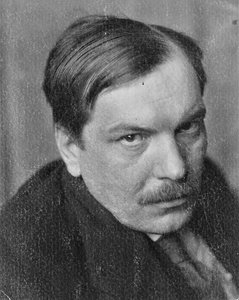
Konrad Krzyżanowski
1872 - 1922 , Ukraine
基本情報
- Artistic Movement Or Style: Expressionism, Portraiture
- Artists Or Movements Influenced By This Artist: ['Post-Impressionism']
- Artists Who Influenced This Artist:
- Mykola Murashko
- Simon Hollósy
- Date Of Birth: 1872-02-15
- Date Of Death: 1922-05-25
- Full Name: Konrad Krzyżanowski
- Nationality: Polish
- Notable Artworks: ['Portrait of Pelagia Witosławska']
- Place Of Birth: Kremenchuk, Ukraine
関連記事
Stanisław Wyspiański: Symbolism, National Identity & the Polish Secession
Explore the life & work of Stanisław Wyspiański, a pivotal figure in Polish Symbolism and the Young Poland movement. Discover his iconic paintings, dramas, and stained glass designs reflecting national identity & artistic innovation.
Cubist Expressionism's 10 Defining Masterpieces | Art for Your Home
Explore 10 defining Cubist Expressionism masterpieces by Picasso, Braque & more. Discover the stories behind these bold, geometric paintings and bring museum-quality art to your home with ArtsDot.com. Explore the full collection online.

黄金世紀の巨匠たち:バロック絵画が彩る10選|ArtsDot
オランダ黄金時代の10大傑作を紐解く!レンブラント、フェルメール…バロック絵画の魅力と時代背景を深く探求。ArtsDotで、至高のアートコレクションと空間演出のヒントを見つけよう。高品質なアートプリントで、お部屋を華やかに。
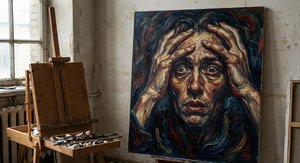
Figurative Expressionism: Emotional Intensity & Subjective Reality in 20th-Century Art
Explore the powerful world of Figurative Expressionism with ArtsDot. Discover key artists like Kirchner & Beckmann, understand its emotional depth, and learn how to collect this influential 20th-century art movement.
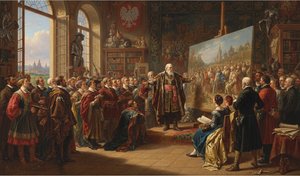
Jan Matejko: Historical Narrative & National Identity in 19th-Century Polish Painting
Explore the powerful historical paintings of Jan Matejko, Poland's national artist. Discover his iconic works & learn how he shaped Polish identity in the 19th century. High-quality reproductions available.