

 プレビュー
プレビュー
 プリントを購入
 シェアする
シェアする シェアする
シェアする
 詳細を見る
詳細を見る

 ダウンロード
 似ている作品
 X線調査
X線調査 スライドショー
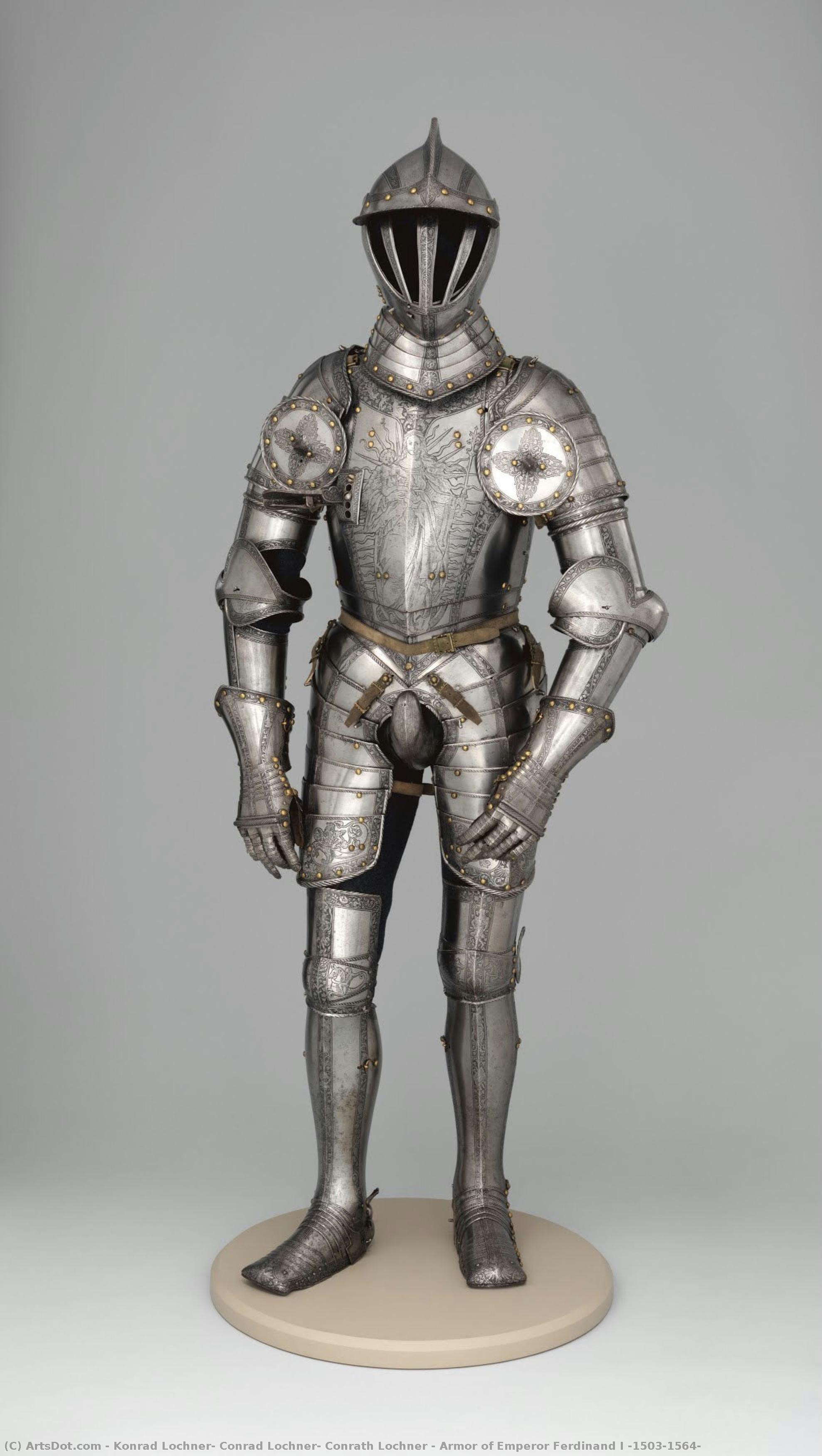
Armor of Emperor Ferdinand I (1503–1564)


 詳細を見る
詳細を見る
オンラインプレビューをはるかに凌ぐ、高解像度で鮮明なデジタル画像をご購入いただけます。
各ファイルは、社内の専門家が高度なツールと熟練した手作業によるレタッチを用いて、細心の注意を払って準備されています。すべての画像において、卓越した鮮明度、正確な色彩再現性、そして繊細なディテールを保証いたします。
最終ファイルは、プロフェッショナルな編集・印刷環境ですぐにご利用いただけるよう最適化された状態で、72時間以内にメールにてお届けいたします。これは、一流のデザインスタジオ、出版社、ギャラリーから信頼されているものと同等の品質です。
デジタル画像のご注文に付随する特典
高品質なデジタル画像配信を、確かな品質で。
ArtsDot.com を選ぶことは、単に画像を手に入れることではありません。それは、プロの手によって精密に仕上げられ、満足保証が付いた高品質なデジタルアートワークを受け取ることを意味します。ご注文いただいた際に自動的に付随する内容は、以下の通りです:

メールですぐにお届け
ご注文から72時間以内に、高解像度のデジタル画像ファイルがメールでお手元に届きます。すぐにそのままご利用いただけます。

AI技術で最適化されたデジタルファイル
お客様の作品は、高度なAIツールと専門家による手作業の編集を組み合わせてプロフェッショナルに最適化されており、細部のディテール、鮮明さ、そして正確な色再現性を最大限に引き出しています。

一生涯無料の再送サービス
ファイルを誤って削除したり、紛失してしまったりしましたか?ご安心ください。いつでも無料で再送いたします。

輸入手数料は一切かかりません
関税や手数料、配送料を気にすることなく、お気に入りのアートワークをすぐにお楽しみいただけます。デジタルダウンロードは常に免税です。

色彩再現の保証
プロ仕様のツールとカラーマネジメント技術を用いることで、デジタル画像が元の色を最大限に忠実に再現することを保証いたします。

60日間満足保証
ご購入いただいたデジタル画像にご満足いただけない場合は、60日以内であれば、修正または100%の返金(理由を問う必要はありません)をさせていただきます。

100% 返金保証
ご満足いただけない場合は、デジタルファイルを受け取ってから60日以内であれば、理由を問わず全額返金いたします。

まとめ買い割引
3枚購入で10%OFF - 5枚購入で15%OFF - 10枚以上購入で20%OFF。クリエイティブなプロジェクト、ギャラリー、エージェンシーに最適です。
A Chronicle in Steel: The Armor of Emperor Ferdinand I
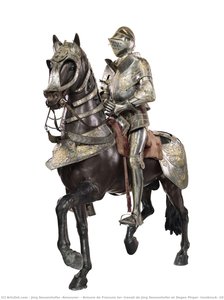
The Armor of Emperor Ferdinand I, crafted by the masterful Kunz Lochner in 1549, isn’t merely a suit of plate; it's a tangible embodiment of power, faith, and the tumultuous era of the Holy Roman Empire. This extraordinary piece transcends its function as military equipment, evolving into a complex visual narrative—a testament to Ferdinand’s position as both king and emperor, and a poignant reflection on the religious conflicts shaping Europe at the time. The armor itself is a remarkable feat of engineering and artistry, showcasing Lochner's unparalleled skill in manipulating metal to achieve both defensive strength and breathtaking aesthetic detail.
Lochner’s workshop in Nuremberg was renowned throughout Europe for its production of exquisite armor, catering to royalty, nobility, and even the military. The Armor of Ferdinand I stands as a pinnacle of this legacy—a meticulously constructed suit designed not just for protection but also for projecting an image of authority and divine sanction. The sheer scale of the piece is impressive, reflecting the status of its wearer; however, it’s the intricate details that truly captivate: the subtly hammered surfaces, the precisely fitted plates, and most notably, the elaborate etchings that adorn nearly every surface.
A Tapestry of Symbolism
The armor is a veritable encyclopedia of symbolism, each element carefully chosen to reinforce Ferdinand’s authority and ideological stance. Dominating the breastplate is an arresting image: the Virgin Mary as Woman of the Apocalypse, a motif directly borrowed from Albert V, Duke of Bavaria, Ferdinand's brother-in-law. This imagery immediately connects Ferdinand to the Catholic faith and positions him as a defender of Christendom against the rising tide of Protestantism. Below this powerful emblem, a fiery saltire—a Burgundian symbol representing Philip the Good—suggests his lineage and connection to the wealthy and influential Duchy of Burgundy. The inclusion of Saints Peter and Paul, rendered in architectural settings, further emphasizes Ferdinand’s role as a pious ruler upholding traditional values.
The crowned Reichsadler eagle, prominently displayed on the toe caps of the sabatons (the armored footwear), is perhaps the most significant symbol. This emblem represents the Holy Roman Empire—a complex and often fragmented entity ruled by Ferdinand. Its presence underscores his claim to imperial authority and his role as a unifying force amidst political instability. The repeated stamping of the date “1549” across the armor serves as a reminder of its creation, solidifying its status as a symbol of a specific moment in history—a time of both opportunity and peril for the Habsburg dynasty.
Craftsmanship and Technique
The Armor of Ferdinand I is a testament to Lochner’s mastery of plate armor construction. The pieces are meticulously shaped, hammered, and fitted together with an astonishing degree of precision. What sets this armor apart from many of its contemporaries is the extensive use of etching—a technique that allowed for incredibly detailed imagery to be incorporated directly into the metal surface. This wasn't merely decorative; it was a practical solution for conveying complex symbolism without compromising the armor’s protective capabilities.
The etched designs are remarkably vibrant, achieved through a process of carefully controlled acid application. The swirling patterns, intricate figures, and symbolic motifs appear to almost leap from the metal itself—a remarkable feat of craftsmanship that speaks volumes about Lochner's skill and artistic vision. The subtle variations in tone across the surface – areas of polished sheen juxtaposed with slightly rougher textures – further enhance the visual impact, creating a dynamic interplay of light and shadow.
A Legacy Enduring
Today, preserved within the Metropolitan Museum of Art, the Armor of Emperor Ferdinand I remains a captivating artifact—a window into a pivotal moment in European history. It’s more than just a suit of armor; it's a powerful symbol of faith, power, and artistic achievement. Reproductions of this iconic piece offer an opportunity to bring its grandeur and symbolism into any setting, serving as a striking centerpiece for collectors, art enthusiasts, or those seeking to evoke the spirit of the Renaissance.
関連作品

作家の略歴
Kunz Lochner: The Master Armorer of Nuremberg’s Renaissance
Kunz Lochner (1510-1567) stands as a titan amongst the craftsmen of his era, an undisputed master armourer whose workshops produced some of the most breathtaking examples of Renaissance artistry and engineering. Born in Nuremberg, Germany—a city renowned for its burgeoning artistic patronage—Lochner’s legacy extends far beyond mere metalwork; it embodies the spirit of innovation and grandeur that characterized the Holy Roman Empire during its golden age. His father, also a skilled armourer, instilled in him a profound understanding of metallurgy and craftsmanship, shaping Lochner into an artist driven by both technical precision and aesthetic vision.- Early Life & Training: Lochner’s formative years were spent honing his skills alongside his brothers, Heinrich and Hans, all dedicated to the art of armour making. This familial tradition ensured that Lochner received a comprehensive education in blacksmithing techniques and the intricacies of shaping metal into functional and decorative forms.
- The Imperial Patronage: Lochner’s career ascended dramatically when he secured commissions from Emperor Ferdinand I and subsequently Maximilian II, marking him as one of the most sought-after artisans of his time. These royal patrons recognized Lochner's exceptional talent and entrusted him with crafting armour for military campaigns and ceremonial occasions—a testament to his reputation for excellence.
A Legacy Forged in Steel: Lochner’s Artistic Style & Technique
Lochner’s workshop produced armor that transcended mere protection; it was sculpture incarnate. He employed techniques honed over generations of armourers, utilizing cruciform hammering and chasing to achieve unparalleled levels of detail and surface texture. His designs incorporated flowing lines and elegant curves—a departure from the more rigid forms favored by earlier armourers—reflecting the humanist ideals prevalent in Renaissance art. Lochner’s meticulous attention to ornamentation included embossing, engraving, and inlaying precious metals like gold and silver, transforming armor into wearable masterpieces.- Notable Commissions: Among Lochner's most celebrated achievements were commissions for Ferdinand I and Maximilian II, resulting in iconic pieces that exemplify the grandeur of the Habsburg court. The “Armor of Emperor Ferdinand I” remains a stunning demonstration of Lochner’s mastery—a testament to his ability to blend practicality with artistic brilliance.
- Materials & Methods: Lochner skillfully utilized iron ore and coal, transforming raw materials into durable plates adorned with intricate designs. His blacksmithing prowess allowed him to forge components with remarkable strength and precision, while his silversmithing skills added shimmering accents of gold and silver—enhancing the visual impact of each creation.
Preserved Glory: Lochner’s Armor in Museums Worldwide
The enduring beauty and craftsmanship of Lochner's armor continue to inspire awe today. Specimens are housed in prestigious institutions across Europe, including the Royal Armoury in Stockholm, Dresden State Art Collections, the Army Museum in Paris, and The Metropolitan Museum of Art in New York City. These museums offer visitors a rare opportunity to examine firsthand the extraordinary artistry of Lochner—a symbol of Nuremberg’s artistic heritage and a cornerstone of Renaissance armour production.- Museum Collections: Examining Lochner's armor within these collections allows scholars to appreciate the meticulous detail and innovative techniques employed by this master craftsman. The preservation of these pieces ensures that Lochner’s legacy will endure for generations to come—a reminder of Nuremberg’s contribution to European art history.
Historical Significance & Enduring Influence
Kunz Lochner's work represents more than just exceptional craftsmanship; it embodies the cultural dynamism of the Renaissance. His armor served as a visual embodiment of imperial power and prestige, reflecting the artistic sensibilities of his time. Lochner’s influence extended beyond his immediate commissions, shaping armour production standards for decades to come—establishing him as one of the most influential figures in the history of European metalwork.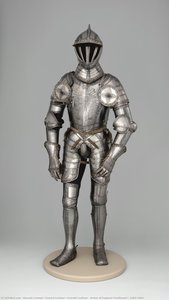
konrad lochner, conrad lochner, conrath lochner
1510 - 1567 , Germany
プロフィール概要
- Artistic Movement Or Style: Renaissance Armor
- Artists Or Movements Influenced By This Artist: ['']
- Artists Who Influenced This Artist: ['']
- Date Of Birth: 1510 Nuremberg Germany
- Date Of Death: 1567
- Full Name: Kunz Lochner
- Nationality: German
- Notable Artworks:
- Armor of Emperor Ferdinand I
- The King
- Place Of Birth: Nuremberg Germany

