

 プレビュー
プレビュー
 シェアする
シェアする シェアする
シェアする
 詳細を見る
詳細を見る

 ダウンロード
 似ている作品
 X線調査
X線調査 スライドショー
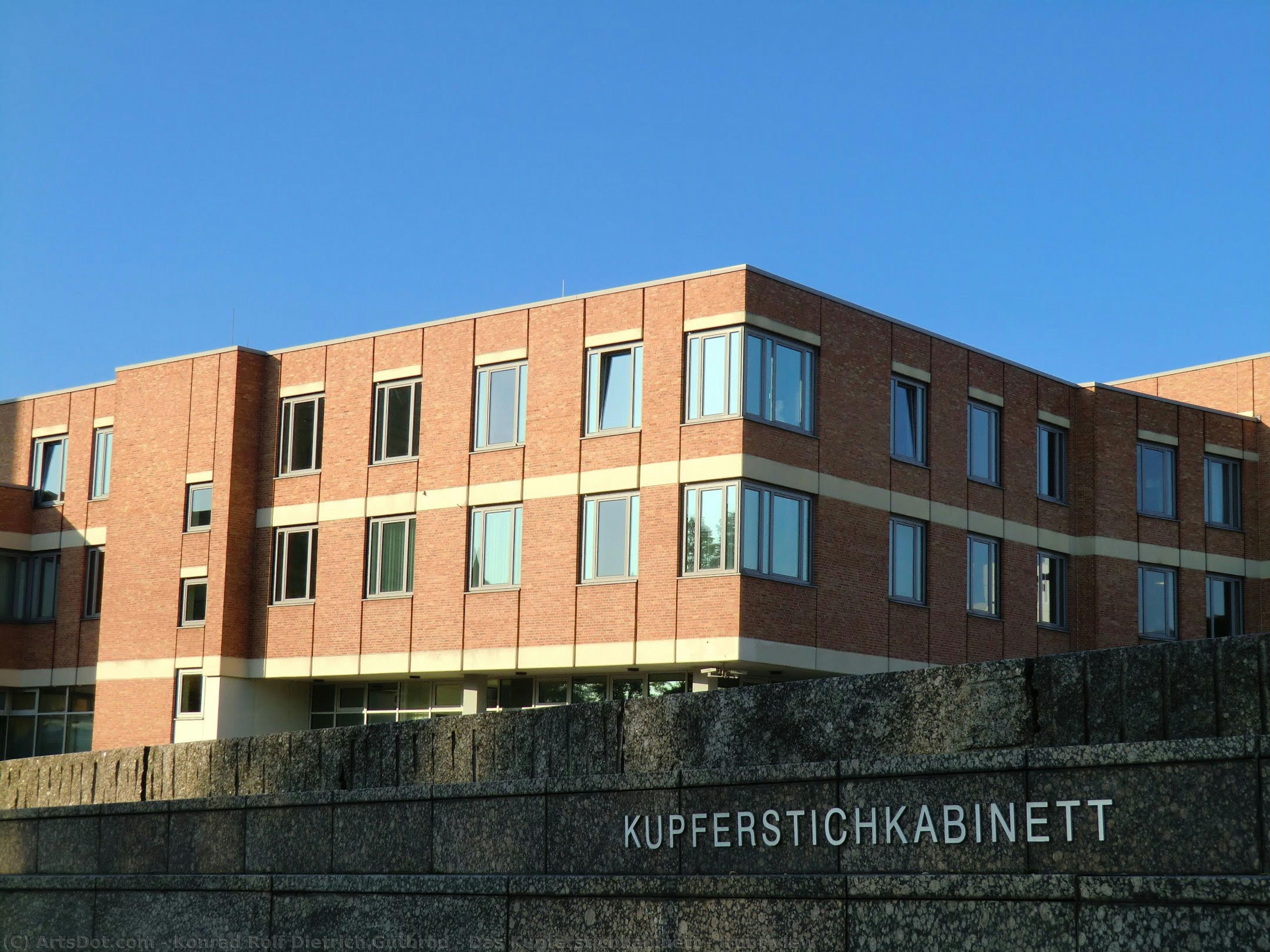
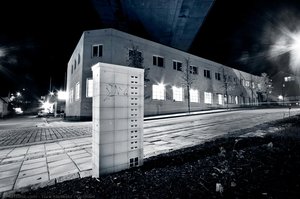
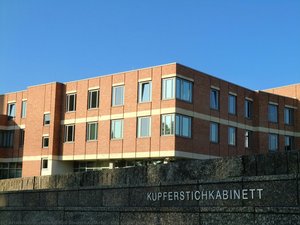
Das Kupferstichkabinett - front view


 詳細を見る
詳細を見る
ジークレー/アートプリント
迅速な制作と多彩な仕上げオプションを備えた、ミュージアムクオリティのジークレーまたはキャンバスプリント。 ( 手描きの絵画を購入 画像を購入)




P118B $10

P118H $10

P118W $10

P438Z $10

P508JH $12

P508YH $12

P805H $10

P805Z $10

P919BZ $10

P919G $10

P919XJ $10

P959ZH $10

P968JZ $12

W106C $8

W218G $10

W218JH $8

W218Y $10

W307PJ $10

W316G $10

W316PJ $8

W316Y $10

W398PJ $8

W4111J $10

W500HY $15

W500JH $15

W692G $12

W849H $8

W940BG $15

W953PJ $8




作品のオリジナル比率に合わせた、当店の規定サイズからお選びください。

特定のフレームやスペースに合わせて、ご自身でサイズを指定することも可能です。選択されたサイズが元の画像の比率と一致しない場合、作品をトリミングするか、鏡面反射または単色での塗りつぶしによって画像を拡張いたします。制作を開始する前に、ご確認用のデジタルモックアップをお送りいたします。
画面上のプレビューには、実際のトリミングや拡張は反映されませんのでご注意ください。最終的な構図を正確に確認できるのは、モックアップのみとなります。
カスタムサイズも承っておりますが、元の比率を維持するためには、あらかじめ用意されたリストからサイズを選択することをお勧めいたします。


 ガラスオプションは、110cm未満のサイズでのみご利用いただけます。

Das Kupferstichkabinett - front view
ジークレー/アートプリント
複製画のサイズ
-


合計金額
$ 62
関連作品
アーティストの略歴
Early Life and Influences (1910 – Early 1930s)
Tyrus Wong, born in 1910 in Canton, China, arrived in America as a young boy during the early years of the 20th century. His family sought refuge in Los Angeles, immersing themselves within a vibrant Chinese-American community. This formative period profoundly shaped his artistic sensibilities – not through formal training, but through direct engagement with the rich tapestry of Chinese folklore, calligraphy, and traditional visual arts. Wong’s childhood was steeped in color, pattern, and symbolic imagery, elements that would later become hallmarks of his distinctive style. Early exposure to the vibrant hues of Chinese silk paintings and the flowing strokes of calligraphy instilled a deep appreciation for expressive mark-making and the power of suggestion. The bustling streets of Chinatown, with their intricate storefronts and lively commerce, provided an endless source of visual inspiration – a constant stream of color, texture, and human interaction that fueled his burgeoning artistic imagination. His early work reflected this immersion, often depicting scenes from Chinese mythology and daily life with a remarkable sensitivity to color and atmosphere.Walt Disney’s Bambi and the Dawn of Visual Development
Wong's career took an unexpected turn in 1938 when he was seeking steady employment and landed a position at Walt Disney Studios as an inbetweener. This role, typically involving filling in gaps between animators’ drawings, provided him with invaluable access to the creative process behind one of Disney’s most ambitious projects: *Bambi*. It was during this time that Wong's unique artistic vision truly began to shine through. Rather than meticulously detailing every aspect of the forest environment, he focused on capturing its essence – the mood, atmosphere, and emotional resonance of the scene. His evocative color palettes and fluid brushstrokes created a dreamlike quality, imbuing *Bambi* with a sense of wonder and enchantment that resonated deeply with audiences. Notably, Wong’s work was instrumental in establishing the concept of “visual development,” a crucial process where an artist creates preliminary sketches and paintings to guide the overall look and feel of a film – a technique that would revolutionize animation and become integral to modern filmmaking.A Shift Towards Illustration and Personal Expression
Following his influential work on *Bambi*, Wong continued to contribute to Disney’s productions, primarily as a storyboard artist and illustrator. However, he increasingly sought opportunities to pursue his own artistic interests independently. He spent much of the 1940s and 50s working in illustration for Warner Brothers, creating storyboards and concept sketches for live-action films like *The Adventures of Robin Hood* and *Buckaroo Banjon*. This period saw a further refinement of his distinctive style – characterized by bold colors, loose brushwork, and a focus on capturing the spirit of a scene rather than its literal representation. During this time, Wong began to experiment with various mediums, including watercolor and gouache, exploring new ways to translate his visual ideas onto paper.Late Career and Legacy
In 1983, at the remarkable age of 73, Tyrus Wong retired from professional artmaking, dedicating himself to a lifelong passion: kite-flying off the Santa Monica piers. Despite a relatively quiet later life, Wong’s influence on animation and visual arts is undeniable. His pioneering work on *Bambi* helped establish the field of visual development, paving the way for countless artists who followed in his footsteps. His distinctive style—characterized by its vibrant colors, expressive brushwork, and evocative atmosphere—continues to inspire artists today. In 2016, a retrospective exhibition at the San Francisco Museum of Modern Art celebrated Wong’s extraordinary career, solidifying his place as one of America's most important and influential visual artists. His legacy lies not only in his stunning artwork but also in his unwavering commitment to artistic expression and his ability to capture the beauty and wonder of the world around him.Key Characteristics of Tyrus Wong’s Art
- Color Palette:** Wong is renowned for his use of bold, saturated colors—often employing a limited palette that creates a striking visual impact.
- Brushwork:* His paintings are characterized by loose, expressive brushstrokes that convey movement and emotion. He avoided precise detail, prioritizing the overall feeling of a scene.
- Atmosphere & Mood:** Wong’s work excels at capturing atmosphere and mood—creating a sense of wonder, mystery, or tranquility through color and composition.
- Symbolism:* He frequently incorporated symbolic imagery drawn from Chinese folklore and mythology into his paintings, adding layers of meaning and resonance to his work.
konrad rolf dietrich gutbrod
1910 - 1999 , Germany
基本情報
- Artistic Movement Or Style: Visual development
- Artists Or Movements Influenced By This Artist: ['Walt Disney Studios']
- Artists Who Influenced This Artist: ['Winslow Homer']
- Date Of Birth: 1910
- Full Name: Tyrus Wong
- Nationality: American
- Notable Artworks: ['Bambi (concept paintings)']
- Place Of Birth: China
関連記事
Beyond the Lens: Photography's Enduring Influence on Modern & Contemporary Art
Explore photography's pivotal role in shaping modern & contemporary art. Discover key movements, influential artists like Stieglitz, and expert collecting advice from ArtsDot.

Monochrome Visions: Exploring the Aesthetic & Historical Significance of Black & White Photography
Explore the rich history & artistic power of black and white photography. From early techniques to iconic masters like Ansel Adams, discover why monochrome continues to captivate art lovers today. Expert insights for collectors.
ベルリン国立美術館の至宝25選:名画と芸術の物語 | ArtsDot
ベルリン国立美術館の至宝25選。ネフェルティティ像、ペルガモン祭壇など、名画と芸術作品の物語を紐解きます。シンケルの建築美も堪能。ArtsDot.comで高品質な複製画やインテリアアートを探求し、お部屋に永遠の輝きを。
Pictorialism: A Search for Artistic Photography's Soul – Aesthetics, Techniques & Legacy
Explore the captivating world of Pictorialism – a pivotal movement that transformed photography into fine art. Discover key artists like Stieglitz & Käsebier, techniques, and collecting tips from experts.

Witnessing History Through Lens & Light: Documentary Photography's Enduring Legacy
Explore the powerful history of documentary photography – from its origins to contemporary masters like Gordon Parks & W. Eugene Smith. Discover how this art form shapes our understanding of society and witness pivotal moments in time.

