

 プレビュー
プレビュー
 シェアする
シェアする シェアする
シェアする
 詳細を見る
詳細を見る

 ダウンロード
 似ている作品
 X線調査
X線調査 スライドショー
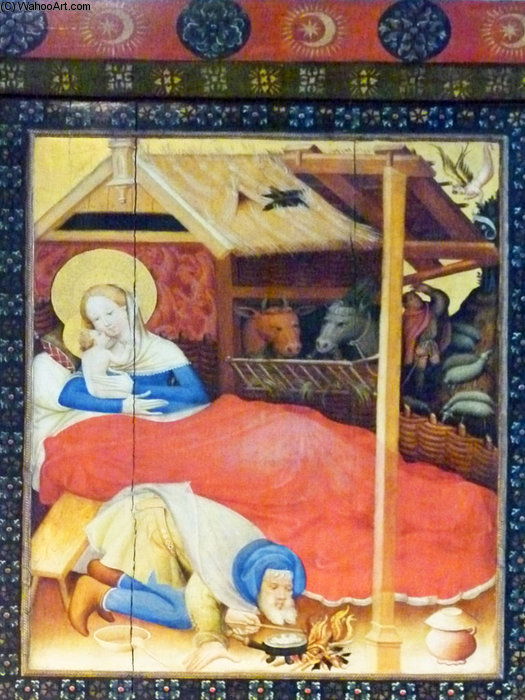
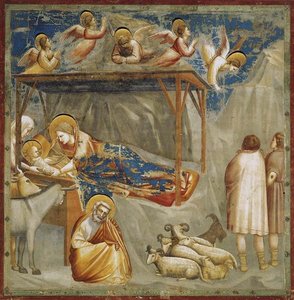
Geburt Christi Wildunger Altar Konrad Von Goes

 詳細を見る
詳細を見る
ジークレー/アートプリント
迅速な制作と多彩な仕上げオプションを備えた、ミュージアムクオリティのジークレーまたはキャンバスプリント。 ( 手描きの絵画を購入 画像を購入)




































作品のオリジナル比率に合わせた、当店の規定サイズからお選びください。

特定のフレームやスペースに合わせて、ご自身でサイズを指定することも可能です。選択されたサイズが元の画像の比率と一致しない場合、作品をトリミングするか、鏡面反射または単色での塗りつぶしによって画像を拡張いたします。制作を開始する前に、ご確認用のデジタルモックアップをお送りいたします。
画面上のプレビューには、実際のトリミングや拡張は反映されませんのでご注意ください。最終的な構図を正確に確認できるのは、モックアップのみとなります。
カスタムサイズも承っておりますが、元の比率を維持するためには、あらかじめ用意されたリストからサイズを選択することをお勧めいたします。


 ガラスオプションは、110cm未満のサイズでのみご利用いただけます。

Geburt Christi Wildunger Altar Konrad Von Goes
ジークレー/アートプリント
複製画のサイズ
-


合計金額
$ 62
Birth of Christ Wildunger Altar by Konrad von Soest: A Glimpse into Medieval Devotion
- Artist: Konrad von Soest
- Date: Unknown (likely early 15th century)
- Origin: Germany
This captivating painting, "Birth of Christ Wildunger Altar," is a remarkable example of German Gothic art attributed to Konrad von Soest. Part of the larger Wildungen Altarpiece, this panel depicts the Nativity scene with characteristic medieval vibrancy and detail. The artwork offers a window into the religious sensibilities and artistic conventions of 15th-century Germany.
Subject Matter & Composition
The central focus is undeniably the birth of Christ. Mary tenderly cradles the infant Jesus, who is bathed in a soft light and distinguished by a radiant halo symbolizing his divinity. Surrounding them are figures that likely represent angels, shepherds, and other members of the Holy Family, all engaged in acts of reverence and adoration. The composition adheres to traditional Nativity iconography, with the scene set within a humble stable or barn, emphasizing the simplicity and humility of Christ's birth.
- Key Elements: Mary holding the infant Jesus, angels, shepherds, halo, stable setting
- Dynamic Details: The inclusion of birds in flight adds a touch of dynamism to the otherwise serene scene.
Style & Technique
The painting exemplifies the International Gothic style prevalent during Konrad von Soest's time. This style is characterized by its rich color palette, elegant figures, and intricate detailing. Von Soest’s technique showcases a mastery of layering colors to create depth and luminosity. The use of gold leaf (though not explicitly visible in the provided image) was common in altarpieces of this period, further enhancing the spiritual significance of the scene.
- Style: International Gothic
- Technique: Layered colors, detailed rendering, likely use of gold leaf.
- Color Palette: Rich reds, blues, yellows, and greens contribute to the painting's vibrancy.
Historical Context & Symbolism
The Wildungen Altarpiece, of which this panel is a part, was created for the Collegiate Church of St. George in Wildungen, Germany. Altarpieces were central to medieval religious life, serving as focal points for worship and visual narratives of biblical stories. The Nativity scene itself holds profound symbolic meaning within Christian theology – representing hope, salvation, and God's incarnation into human form.
- Historical Significance: Part of the Wildungen Altarpiece, a significant work in German Gothic art.
- Symbolism: The halo represents divinity; the stable signifies humility; the adoration symbolizes reverence for Christ.
Emotional Impact & Artistic Legacy
“Birth of Christ Wildunger Altar” evokes a sense of peace, reverence, and wonder. The soft aesthetic and detailed rendering characteristic of Konrad von Soest’s work create an emotionally engaging experience for the viewer. Von Soest's influence on Northern European art is undeniable, and this painting stands as a testament to his skill and artistic vision. Owning a reproduction allows one to appreciate the beauty and spiritual depth of this important medieval masterpiece.
関連作品
関連記事

フラ・アンジェリコの傑作25選:ルネサンス美術の神髄と至高の装飾 | ArtsDot
フラ・アンジェリコの傑作25選。ルネサンス美術の神髄を紐解き、天使のような静謐な色彩と宗教画の世界へ誘います。壁画やフレスコ画の技法、修道院に息づく祈りの絵…ArtsDotで至高のアートプリントをお手軽に。コレクションを探索する。
Eugen von Blaas: Capturing Alpine Life & Sentiment in 19th-Century Austrian Painting
Discover the captivating world of Eugen von Blaas! Explore his exquisite 19th-century paintings capturing Venetian life & Alpine beauty. Learn about his Academic Classicism style and find museum-quality reproductions at ArtsDot.
Franz von Stuck: Symbolism, Decadence & the Pursuit of Ideal Beauty
Explore the captivating world of Franz von Stuck, a leading Symbolist painter. Discover his mythological masterpieces, decadent themes, & investment potential. Expert analysis for discerning collectors.
Sir Hubert von Herkomer: A Life Painted with Realism, Ambition & Victorian Art
Explore the life & art of Sir Hubert von Herkomer, a pivotal Victorian realist painter. Discover his powerful portraits, social commentary & pioneering film work. Learn about his legacy and find high-quality reproductions at ArtsDot.
Hans von Aachen: Mannerism's Courtly Visionary & Imperial Portraiture
Explore the captivating world of Hans von Aachen, a leading Mannerist painter renowned for his exquisite imperial portraits & mythological scenes. Discover his legacy and influence on 16th-century European art.

