

 プレビュー
プレビュー
 プリントを購入
 シェアする
シェアする シェアする
シェアする
 詳細を見る
詳細を見る

 ダウンロード
 似ている作品
 X線調査
X線調査 スライドショー
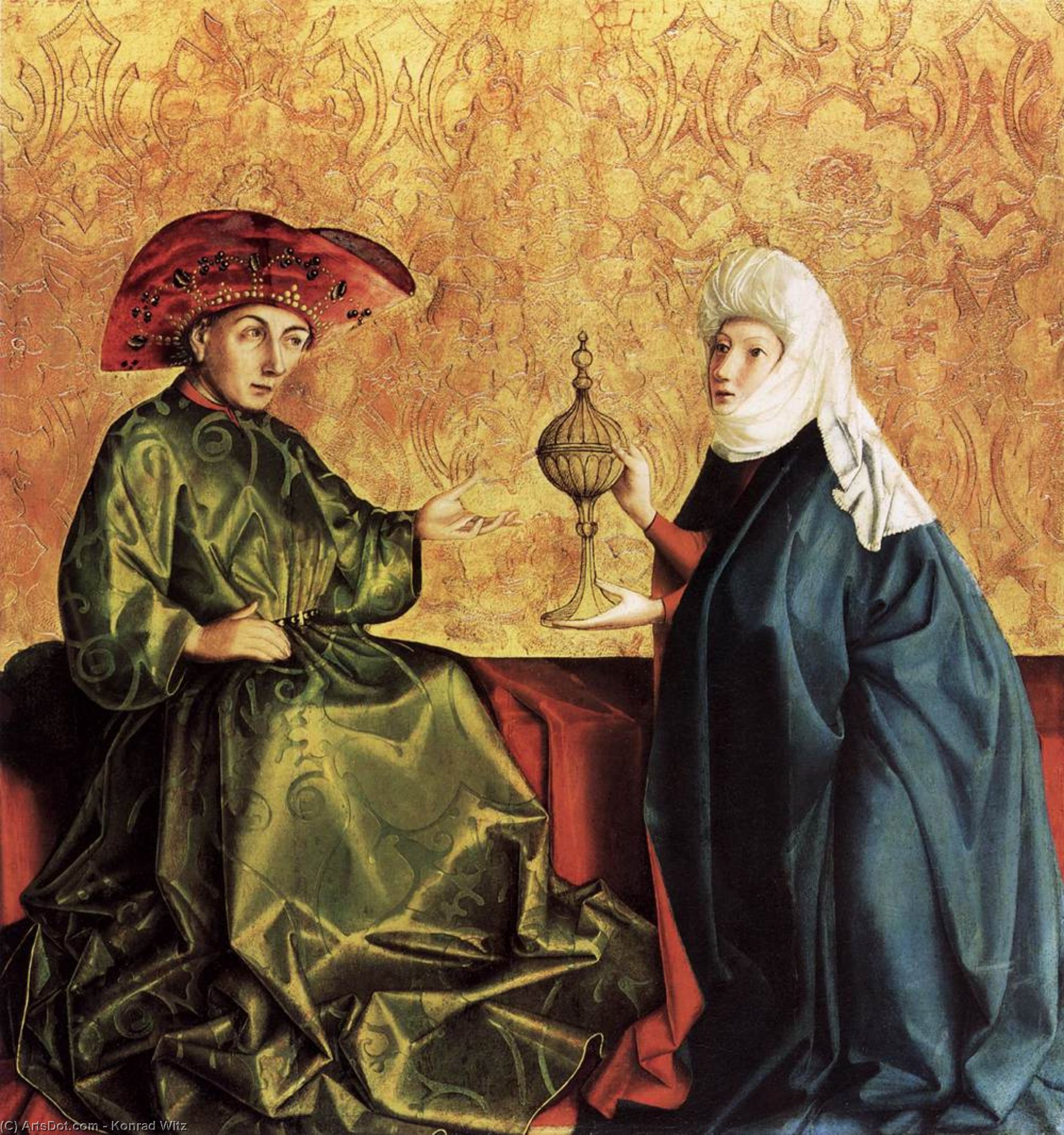
King Solomon and the Queen of Sheba
 Acrylic On Canvas
- WallArt
- Northern Renaissance
 1435
1435 84.0 x 79.0 cm
 国立博物館群
 詳細を見る
詳細を見る




P118B $10

P118H $10

P118W $10

P438Z $10

P508JH $12

P508YH $12

P805H $10

P805Z $10

P919BZ $10

P919G $10

P919XJ $10

P959ZH $10

P968JZ $12

W106C $8

W218G $10

W218JH $8

W218Y $10

W307PJ $10

W316G $10

W316PJ $8

W316Y $10

W398PJ $8

W4111J $10

W500HY $15

W500JH $15

W692G $12

W849H $8

W940BG $15

W953PJ $8




作品のオリジナル比率に合わせた、当店の規定サイズからお選びください。

特定のフレームやスペースに合わせて、ご希望のサイズをご入力いただけます。選択されたサイズが元の画像の比率と異なる場合、アートワークをトリミングするか、手描きで要素を追加して絵画を拡張いたします。デジタルモックアップ を制作し、制作開始前にご確認(承認)をいただきます。
画面上のプレビューは、実際のトリミングや拡張を正確に反映しているものではありません。最終的な構図は、モックアップによってのみ正確にご確認いただけます。
カスタムサイズもご利用いただけますが、元の比率を維持するためには、あらかじめ用意されたリストからサイズを選択することをお勧めいたします。
ご注文後、ArtsDot.com チームより詳細な指示をお送りするとともに、仕上がりイメージ(モックアップ)をご提供いたします。


 ガラスオプションは、110cm未満のサイズでのみご利用いただけます。

King Solomon and the Queen of Sheba
複製技法
複製画のサイズ
-


合計金額
$ 263
The Majesty of Solomon: A Renaissance Vision
Konrad Witz’s “King Solomon and the Queen of Sheba” is not merely a depiction of an ancient biblical narrative; it's a profound meditation on power, wisdom, and the allure of the exotic. Painted in 1435 during the flourishing of Northern Renaissance art in Basel, Switzerland, this panel—part of the ambitious Heilspiegel Altarpiece—offers a glimpse into a world where religious piety intertwined with burgeoning humanist ideals. Witz, a pioneer recognized for his groundbreaking landscape depictions, elevates the story beyond simple chronology, imbuing it with an atmosphere of opulent grandeur and subtle psychological depth.
The scene unfolds within a richly ornamented interior, dominated by a commanding gold background—a technique borrowed from Byzantine iconography but masterfully adapted by Witz. This shimmering backdrop isn’t simply decorative; it serves to amplify the figures themselves, casting them in an almost ethereal light. The use of cast shadows and carefully rendered textures – particularly evident in Solomon's robes and the Queen’s elaborate headdress – demonstrates Witz’s meticulous attention to detail and his commitment to creating a tangible sense of realism within a stylized framework. Notice how the artist uses subtle color variations—the deep blues, vibrant reds, and earthy greens—to establish a clear hierarchy, emphasizing Solomon’s regal bearing while simultaneously highlighting the Queen's exotic beauty.
A Story of Diplomacy and Desire
The narrative itself is a complex tapestry woven from biblical accounts. The story centers on King Solomon’s legendary diplomatic mission to the Queen of Sheba, a figure shrouded in mystery and often interpreted as representing foreign wisdom and wealth. Witz doesn't shy away from the sensual elements of the tale—the Queen’s arrival with her caravan laden with gifts, the lavish banquet, and ultimately, the burgeoning romance between the two rulers. However, this is not a simple love story; it’s a carefully constructed allegory about the dangers of unchecked desire and the potential for corruption within power. The panel subtly hints at the political machinations at play—the Queen's initial intentions to test Solomon’s wisdom, his subsequent bewitchment, and the ensuing disruption of his reign.
The composition is deliberately balanced, reflecting the equilibrium between diplomacy and temptation. Solomon, seated on a chair with hands folded in a gesture of contemplative authority, embodies regal dignity. The Queen stands beside him, holding a small object—its nature intentionally ambiguous, perhaps symbolizing a precious gift or a token of her affection. Her posture suggests both confidence and vulnerability, capturing the essence of a powerful woman navigating a complex political landscape. The inclusion of a dining table in the background, adorned with a vase, subtly references the lavish feasts that characterized Solomon’s court—a symbol of wealth, abundance, and ultimately, excess.
The Legacy of Witz: A Pioneer of Landscape
While “King Solomon and the Queen of Sheba” is celebrated for its masterful depiction of human figures and its opulent setting, it's also significant for Witz’s pioneering approach to landscape. As scholars have noted, this panel represents one of the earliest examples of a faithful topographical scene in Western painting—a crucial step towards the development of landscape as an independent genre. The background isn’t merely a backdrop; it’s a carefully constructed representation of space, imbued with depth and perspective. Witz's understanding of light and shadow, combined with his keen observation of nature, elevates this panel beyond a simple narrative illustration to a sophisticated work of art that anticipates the innovations of later Renaissance masters.
Konrad Witz’s “King Solomon and the Queen of Sheba” is more than just a beautiful painting; it's a window into a pivotal moment in European art history. It speaks to the enduring fascination with biblical stories, the complexities of human relationships, and the power of visual representation to convey profound ideas. Reproductions offer an opportunity to appreciate Witz’s artistic genius and bring this captivating scene into your own home or office—a testament to the timeless beauty and intellectual richness of Northern Renaissance art.
関連作品







アーティストの略歴
リアリズムの黎明:コンラート・ヴィッツの生涯と遺産
15世紀という、ヨーロッパ美術が激動の中にあった時代において、ゴシック様式の伝統からルネサンス的な自然主義への転換期に、コンラート・ヴィッツほど長く深い足跡を残した人物は稀といえるでしょう。1400年頃、ドイツのローテンブルク・アム・ネッカーにて生を受けたヴィッツは、中世特有の様式化された抽象表現を剥ぎ取り、その下に息づく質感豊かな世界を露わにした先見的な画家として登場しました。彼の初期の生涯については歴史の霧に包まれている部分も多いものの、スイスのバーゼルにおける活動は詳細な記録が残っており、当時の権威あるギルド制度の中で花開いた巨匠であったことが分かります。その芸術的旅路は、後期ゴシック美術の厳格な形式主義から、地形学的な正確さと感情の深淵への、かつてない献身へと向かう、深遠なる技術的進化の過程でもありました。
ヴィッツの真の天才性は、聖なる物語と、物理的な世界の確かな現実とを融合させる能力に宿っています。彼は風景画における先駆的な役割で最も高く評価されており、その偉業は傑作『奇跡の魚の網』に象徴されています。この作品において、学術的な視点からは、西洋美術史上極めて初期の、忠実かつ特定可能な地形的場面の描写の一つであると見なされています。単なる記号的で抽象的な背景を提示するのではなく、ヴィッツはある場所の固有の真髄を捉え、鑑賞者を既知の環境へと誘い込んだのです。この革新によって、風景は宗教劇のための単なる舞台から、空気感や光、そして奥行きを伝えることができる「生きた主人公」へと変貌を遂げたのです。
信仰と細部が織りなす傑作群
ヴィッツの作品群は、息を呑むような二面性を特徴としています。それは、壮大で複雑な祭壇画を完成させる力と、小規模な信心具としての場面において繊細かつ心を打つ筆致を維持する力の共存です。彼の代表作であるハイルシュピーゲル祭壇画は、そのキャリアにおける金字塔であり、高位の教会からの依頼に求められる緻密な職人技を体現しています。精巧に彫り込まれたパネルと鮮やかなフレスコ画を通じて、ヴィッツは聖書の物語と聖人たちを、畏敬の念を抱かせるほどの細部へと編み上げました。この作品は、彼が次代の世紀を定義することになる勃興期のリアリズムを実験し始めた時期にあっても、後期ゴシック様式を極めていたことの証左となっています。
祭壇画の壮大なスケールを超えて、人間の感情を捉えるヴィッツの才能は、『十字架上のキリスト』といった作品において深く顕著に現れています。ここでは、ゴシック的なドラマと初期の生々しいリアリズムが融合し、繊細な陰影と表現豊かなジェスチャーが深い哀愁(パトス)を呼び起こします。同様に、『ソロモン王とシバの女王』の描写においても、豊かな細部と風景の革新を通じた物語る力が示されており、ルネサンス的な芸術性のレンズを通して聖書の壮大さを描き出しています。聖人の静かな悲しみであれ、君主たちの威厳ある邂逅であれ、ヴィッツは光と形を用いることで、神聖な領域と人間の経験との隔たりを埋めようとしたのです。
歴史的意義と芸術的進化
コンラート・ヴィッツの歴史的重要性を過小評価することはできません。彼は二つの時代を繋ぐ極めて重要な導管としての役割を果たしました。彼の発展は、14世紀の象徴的な言語から、ルネサンスの観察科学へと向かう、緩やかで意図的な動きを象徴しています。認識可能な風景や自然な質感を宗教的図像学へと統合することで、彼は後の北欧の画家たちが自然界の美を探求するための道を切り拓いたのです。
彼の不朽の遺産は、以下の芸術的な節目に見出すことができます:
- 風景画の革新: 地形学的な正確さを導入し、環境を物語画の中心的な要素へと昇華させたこと。
- 技術的習熟: 後期ゴシックの装飾的な優雅さと、初期ルネサンスの自然主義および光の操作を継ぎ目なく融合させたこと。
- 感情の深み: 聖書の登場人物をより人間らしく表現豊かなものへと描き変え、鑑賞者とのより深い感情的な繋がりを育んだこと。
彼の生涯は1446年頃に終わり、比較的短いものでしたが、コンラート・ヴィッツの影響は西洋絵画の礎に深く刻み込まれたままです。彼は、地上の風景や空をより近くで見つめるよう、私たちの目に教え込みました。私たちが住むこの世界の細部の中にこそ、聖なるものを見出すことができるのだと。

コンラート・ヴィッツ
1400 - 1446 , ドイツ
基本情報
- Artistic Movement Or Style: 後期ゴシック写実主義
- Date Of Birth: 1400年頃
- Date Of Death: 1446年
- Full Name: コンラート・ヴィッツ
- Nationality: ドイツ人
- Notable Artworks:
- 魚の奇跡的な網
- ハイルシュピーゲル祭壇画
- 聖母の祭壇画
- サンピエトロ祭壇画
- アンブラザー宮廷狩猟劇
- Place Of Birth: ロットヴァイル、ドイツ
関連記事

Charles Bird King: Capturing Native American Dignity Through Portraiture & Cultural Exchange
Explore the captivating portraits of Charles Bird King, renowned for his depictions of Native American leaders. Discover the historical context, artistic techniques, and collecting value of these significant 19th-century artworks.
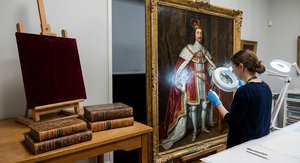
The Majesty of Representation: Exploring Regal Imagery in Art History
Explore the captivating history of royal portraiture with ArtsDot. Discover the symbolism, artistry, and enduring legacy of regal imagery in art. Expert insights for collectors & enthusiasts.

Bronze Age to Modern Masters: 10 Sculptures That Redefined Art | ArtsDot
Journey through art history with 10 legendary bronze sculptures – from Michelangelo's David to Rodin’s Thinker. Explore the stories, techniques & timeless beauty of these masterpieces. Find museum-quality reproductions & elevate your home decor on ArtsDot.com.
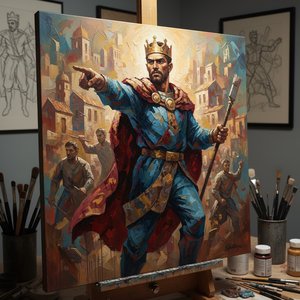
Gunning King: Narrative & Technique in Contemporary Figurative Painting
Explore the captivating world of contemporary figurative painting. Discover key artists, techniques & collecting insights. Expert analysis for discerning art lovers. ArtsDot.

