

 プレビュー
プレビュー
 プリントを購入
 シェアする
シェアする シェアする
シェアする
 詳細を見る
詳細を見る

 ダウンロード
 似ている作品
 X線調査
X線調査 スライドショー
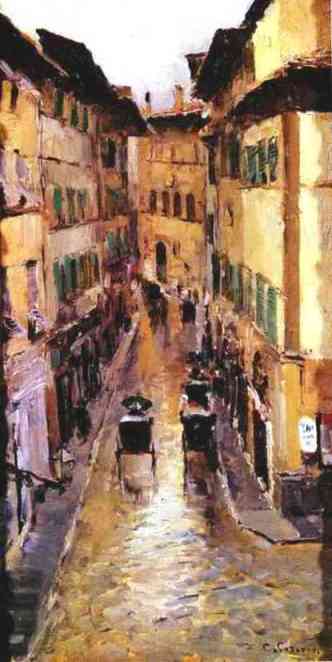
A Florence Street in the Rain.


 詳細を見る
詳細を見る




P118B $10

P118H $10

P118W $10

P438Z $10

P508JH $12

P508YH $12

P805H $10

P805Z $10

P919BZ $10

P919G $10

P919XJ $10

P959ZH $10

P968JZ $12

W106C $8

W218G $10

W218JH $8

W218Y $10

W307PJ $10

W316G $10

W316PJ $8

W316Y $10

W398PJ $8

W4111J $10

W500HY $15

W500JH $15

W692G $12

W849H $8

W940BG $15

W953PJ $8




作品のオリジナル比率に合わせた、当店の規定サイズからお選びください。

特定のフレームやスペースに合わせて、ご希望のサイズをご入力いただけます。選択されたサイズが元の画像の比率と異なる場合、アートワークをトリミングするか、手描きで要素を追加して絵画を拡張いたします。デジタルモックアップ を制作し、制作開始前にご確認(承認)をいただきます。
画面上のプレビューは、実際のトリミングや拡張を正確に反映しているものではありません。最終的な構図は、モックアップによってのみ正確にご確認いただけます。
カスタムサイズもご利用いただけますが、元の比率を維持するためには、あらかじめ用意されたリストからサイズを選択することをお勧めいたします。
ご注文後、ArtsDot.com チームより詳細な指示をお送りするとともに、仕上がりイメージ(モックアップ)をご提供いたします。


 ガラスオプションは、110cm未満のサイズでのみご利用いただけます。

A Florence Street in the Rain.
複製技法
複製画のサイズ
-


合計金額
$ 288
A Moment Frozen in Rain: Korovin’s “A Florence Street in the Rain”
Konstantin Alexeievitch Korovin's "A Florence Street in the Rain," painted in 1888, isn’t merely a depiction of a rainy street; it’s a carefully constructed evocation of atmosphere and mood. This work, rendered with the hallmarks of Russian Impressionism, transports us to a specific moment – a quiet, contemplative scene bathed in the diffused light of an overcast Florentine day. Korovin, born in Moscow in 1861, navigated the evolving artistic landscape of his time, skillfully blending academic training with a fervent embrace of modern techniques, ultimately establishing a style that beautifully captured both the ephemeral quality of light and the spirit of a nation undergoing significant change.
The painting immediately draws the eye down a narrow street, its buildings leaning inwards as if whispering secrets. The perspective is subtly elevated, offering a slightly voyeuristic view into this intimate urban space. Korovin masterfully employs atmospheric perspective – the further back a building recedes, the paler and less distinct it appears – creating a convincing sense of depth that anchors the composition. The figures scattered throughout the scene are not dramatic subjects; they’re simply inhabitants caught in the rhythm of daily life, adding to the painting's quiet realism without disrupting its overall mood.
Decoding the Palette and Technique
Korovin’s brushwork is deliberately loose and visible, a defining characteristic of Impressionism. He doesn’t strive for photographic accuracy but instead focuses on capturing the *impression* of light and color. The dominant palette – yellows, ochres, browns, and muted oranges – reflects the way sunlight filters through the rain clouds, casting a warm glow upon the wet cobblestones and buildings. Cool greens from the window shutters provide a subtle counterpoint, adding visual interest and depth. Notice how he uses short, broken strokes to render the reflections on the street; these shimmering highlights aren’t meticulously detailed but rather suggest the play of light with an intuitive grace.
The technique itself leans heavily into optical blending – Korovin mixed colors primarily on the canvas rather than on his palette, allowing them to mingle and create subtle nuances. This approach contributes significantly to the painting's luminous quality. The layering of paint is evident in the rich textural surface, a testament to the artist’s deliberate application of medium.
Symbolism and Emotional Resonance
The rain, of course, carries significant symbolic weight. It’s not simply weather; it’s a metaphor for melancholy, introspection, or perhaps even a sense of longing. The narrowness of the street creates an enclosed feeling, suggesting intimacy and seclusion. The scene feels suspended in time – a fleeting moment captured before moving on. There's a quiet dignity to this ordinary urban setting, elevated by Korovin’s skillful rendering of light and atmosphere.
Considering the historical context—1888—we can appreciate how Korovin was part of a movement that sought to break away from rigid academic traditions and embrace a more subjective approach to art. He wasn't interested in grand narratives or heroic subjects; instead, he found beauty in the everyday, in the subtle details of urban life.
A Timeless Masterpiece for Collectors and Designers
"A Florence Street in the Rain" is more than just a beautiful painting; it’s a window into a specific time and place. Its evocative atmosphere and masterful technique make it a compelling addition to any art collection. The work's inherent sense of tranquility and quiet observation also makes it an ideal choice for interior design, bringing a touch of understated elegance and contemplative beauty to any space. Reproductions offer a wonderful opportunity to experience the painting’s magic firsthand, allowing its subtle nuances and emotional depth to resonate with viewers long after they’ve first encountered it.
関連作品
アーティストの略歴
光彩を織りなす人生:コンスタンチン・コロヴィンの世界
1861年12月5日、モスクワに生まれたコンスタンチン・アレクセーエヴィチ・コロヴィンは、ロシア印象派の開花期において重要な役割を果たした画家です。彼の生涯は、アカデミックな訓練と近代的な芸術潮流への情熱的な傾倒が織り交ざったものであり、光の移ろいゆく美しさと変容するロシアの魂を捉えた独自のスタイルを築き上げました。商家の家庭に生まれながらも、父は大学の学位を持ち、商業よりも芸術を好んだため、コロヴィンの道は創造的な探求へと自然と導かれました。兄のセルゲイ・コロヴィンもまた著名な写実主義画家であり、その環境はさらに彼の才能を育みました。幼い頃から芸術の種が蒔かれ、14歳でモスクワ絵画彫刻建築学校に入学し、ヴァシリー・ペローフとアレクセイ・サヴラソフに師事しました。この時期、ヴァレンティン・セローフやイサーク・レヴィタンとの親交が始まり、生涯を通じて彼の芸術的旅を支える絆となりました。これらの初期のつながりは、コロヴィンの美的感覚を形成し、芽生えつつあるロシア美術界における強力なネットワークを提供しました。アカデミックな基盤から印象派への視覚
コロヴィンの初期のアカデミックな訓練は確かな基礎を与えましたが、サンクトペテルブルクの帝国芸術アカデミーでの短い留学が不満の芽生えとなりました。アカデミーの方法論を窮屈で時代遅れだと感じた彼はモスクワに戻り、ヴァシリー・ポレノフのもとで学び続けました。これは転換点となりました。ポレノフはコロヴィンをサヴァ・マモントフのアブラムツェヴォ円に紹介し、ロシア独自の芸術的アイデンティティの育成に専念する芸術家、職人、知識人の避難所へと導きました。この活気に満ちたコミュニティの中で、コロヴィンは真に開花しました。彼の旅は視野を広げました。1885年のパリへの旅行は特に大きな影響を与えました。フランス印象派に出会い、彼らの作品の中に自身の芸術的欲求と共鳴する自由と表現力を認識したのです。しかし、この出会いは単なる模倣ではありませんでした。コロヴィンは印象主義のスタイルを無条件に受け入れるのではなく、ロシアの感性を通してそれを濾過し、独自のものを創造しました。初期の作品は、光、色彩、大気への高まる習熟を示し、この融合を反映し始めました。北方の風景と演劇的革新
19世紀後半、コロヴィンは自身の芸術的アウトプットに大きな影響を与えた一連の旅に出ました。北部の荒涼とした美しさに魅了された彼は、1888年にノルウェーへ、そして1894年にはヴァレンティン・セローフと共に北部鉄道建設中に再びノルウェーを訪れました。これらの遠征は、『ノルウェーの港』、『ペチェンガの聖トリフォン川』、『ハンメルフェスト:オーロラ』、『ムルマンスク海岸』など、北極地域の生々しい力と幽玄な質を捉えた素晴らしいコレクションを生み出しました。特にオーロラは反復するモチーフとなり、コロヴィンが光と色彩の相互作用を探求するための息を呑むような効果的な手段となりました。同時に、コロヴィンの才能はキャンバスを超えて演劇デザインの世界にも広がりました。彼はサヴァ・マモントフのオペラ会社で働き始め、純粋に描写的なセットからパフォーマンスの本質的な感情を伝える「ムードデコール」へと舞台装置を革命的に変革しました。この革新的なアプローチは彼をロシアの演劇デザインにおけるリーダーとしての地位を確立し、次世代の芸術家に影響を与えました。遺産と永続的な影響
1905年、コロヴィンは絵画アカデミー会員という名誉ある称号を獲得し、ロシア美術界における彼の地位をさらに確固たるものにしました。彼は1909年から1913年までモスクワ絵画彫刻建築学校で教鞭を取り、自身の知識と情熱を新しい世代の芸術家に伝えました。しかし、その後の人生は亡命や苦難の時期によって特徴づけられました。ロシア革命後、パリに滞在しましたが、コロヴィンの芸術的遺産は揺るぎませんでした。彼の絵画は鮮やかな色彩、大気的な深み、そして喚起力のある力で観客を魅了し続けています。1939年9月11日に彼は亡くなりましたが、ロシア印象派への独自のビジョンと永続的な貢献を示す作品群を残しました。コンスタンチン・コロヴィンは単なる風景画家や舞台装置デザイナーではありませんでした。彼は移ろいゆく瞬間を捉え、光と色彩を通して感情を伝え、芸術的伝統と近代的な革新の間の架け橋となったのです。彼の才能は無数の後続の芸術家に影響を与え、ロシアで最も愛され、重要な画家の1人としての地位を確固たるものにしました。シーンに感情的な共鳴を吹き込む彼の能力は、今もなお畏敬と賞賛の念を起こさせています。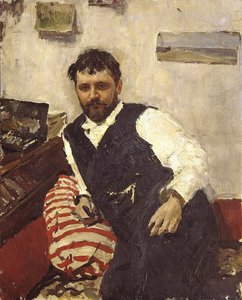
コンスタンティン・アレクセーエヴィチ・コロヴィン
1861 - 1939 , 日本国
基本情報
- Artistic Movement Or Style: 印象派
- Artists Or Movements Influenced By This Artist: ['ロシア印象派']
- Artists Who Influenced This Artist:
- ヴァシリー・ペローフ
- アレクセイ・サヴラソフ
- ヴァシリー・ポレノフ
- Date Of Birth: 1861年12月5日
- Date Of Death: 1939年9月11日
- Full Name: コンスタンチン・アレクセーヴィチ・コロヴィン
- Nationality: ロシア人
- Notable Artworks (List Of Titles):
- バルコニーにて
- スペインの女性たち
- パリのカフェ
- Place Of Birth (City And Country): モスクワ、ロシア
関連記事
Konstantin Korovin: A Master of Russian Impressionism & Evocative Light
Explore the captivating world of Konstantin Korovin, a leading Russian Impressionist painter renowned for his vibrant landscapes & innovative theater designs. Discover his life, legacy, and enduring artistic impact.

Impressionism's Masterpieces: 10 Paintings That Defined a Movement | ArtsDot
Journey through Impressionism's heart with 10 iconic paintings by Monet, Renoir & Degas. Explore light, color & the stories behind these masterpieces. Find museum-quality art reproductions and elevate your home decor on ArtsDot.com.
印象派を定義する至宝:時代を超えた10傑 – 美術、画家、そして洗練された空間演出
印象派を代表する10傑の世界へ。モネ、ルノワールら巨匠の技と色彩が織りなす至高の名作を紐解きます。美術、インテリアに新たなインスピレーションを。ArtsDot.comで、博物館品質のアート複製と洗練された空間演出を見つけましょう。
光と色彩の彼方:知的な収集家のための印象派とポスト印象派
印象派とポスト印象派の傑作を深く理解し、知的なコレクションを築くための情報を提供。ArtsDotでは、高品質な油絵複製やカスタムアートをご用意。専門家が最適な作品選びをお手伝いします。

ポール・セザンヌ:至高の25選 - 傑作と革新の軌跡 | ArtsDot
ポール・セザンヌの至高の25選。ポスト印象派を代表する画家、セザンヌの傑作と革新的な技法を紐解きます。ArtsDotで高品質な複製画やインテリアアートを見つけ、芸術の世界をご自宅に。今すぐコレクションをご覧ください。

