

 プレビュー
プレビュー
 プリントを購入
 シェアする
シェアする シェアする
シェアする
 詳細を見る
詳細を見る

 ダウンロード
 似ている作品
 X線調査
X線調査 スライドショー
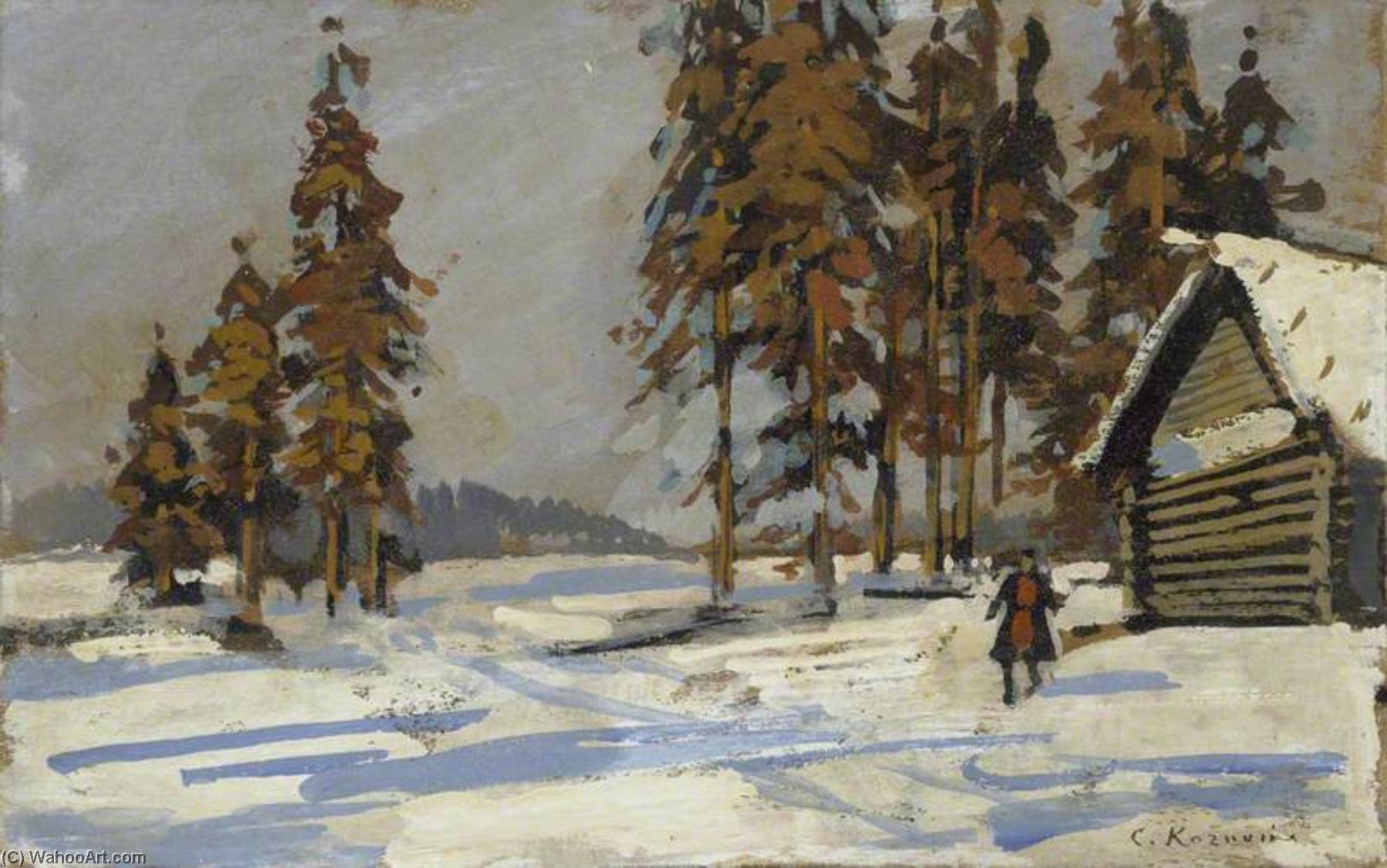
Winter Landscape
 Oil On Canvas
- WallArt
- Impressionism
 Modern
 12.0 x 18.0 cm
 アシュモリアン美術館
 詳細を見る
詳細を見る




P118B $10

P118H $10

P118W $10

P438Z $10

P508JH $12

P508YH $12

P805H $10

P805Z $10

P919BZ $10

P919G $10

P919XJ $10

P959ZH $10

P968JZ $12

W106C $8

W218G $10

W218JH $8

W218Y $10

W307PJ $10

W316G $10

W316PJ $8

W316Y $10

W398PJ $8

W4111J $10

W500HY $15

W500JH $15

W692G $12

W849H $8

W940BG $15

W953PJ $8




作品のオリジナル比率に合わせた、当店の規定サイズからお選びください。

特定のフレームやスペースに合わせて、ご希望のサイズをご入力いただけます。選択されたサイズが元の画像の比率と異なる場合、アートワークをトリミングするか、手描きで要素を追加して絵画を拡張いたします。デジタルモックアップ を制作し、制作開始前にご確認(承認)をいただきます。
画面上のプレビューは、実際のトリミングや拡張を正確に反映しているものではありません。最終的な構図は、モックアップによってのみ正確にご確認いただけます。
カスタムサイズもご利用いただけますが、元の比率を維持するためには、あらかじめ用意されたリストからサイズを選択することをお勧めいたします。
ご注文後、ArtsDot.com チームより詳細な指示をお送りするとともに、仕上がりイメージ(モックアップ)をご提供いたします。


 ガラスオプションは、110cm未満のサイズでのみご利用いただけます。

Winter Landscape
複製技法
複製画のサイズ
-


合計金額
$ 263
作品解説
Konstantin Alexeievitch Korovin: A Pioneer of Russian Impressionism
Korovin’s artistic journey began amidst the vibrant intellectual ferment of Moscow in the late 1860s, shaped profoundly by the influence of his brother Sergei, a fellow realist painter who instilled in him a dedication to meticulous observation and truthful representation. This formative connection established a bedrock for Korovin's subsequent explorations into Impressionistic principles – specifically capturing fleeting moments of light and color—a stylistic choice that would define his oeuvre and solidify his place as one of Russia’s foremost artists of the era. His formal training at the Moscow School of Painting, Sculpture and Architecture provided invaluable grounding in academic tradition alongside exposure to groundbreaking artistic ideas championed by Perov and Savrasov, fostering a synthesis that distinguishes Korovin's work from purely stylistic imitators.Winter Landscape: A Symphony of Light and Texture
“Winter Landscape,” created circa 1930, exemplifies Korovin’s masterful ability to distill the essence of Russian winter into a single evocative image. Painted in Impressionistic style—a movement that prioritized capturing atmospheric conditions over precise detail—the canvas presents a serene tableau of snow-covered pines and birch trees against a muted sky. The artist skillfully employs loose brushstrokes and blended pigments, prioritizing tonal variations and shimmering highlights to convey the diffused luminescence characteristic of winter days. This technique isn’t merely decorative; it serves as a conduit for conveying the profound stillness and beauty inherent in the natural world—a sentiment deeply rooted in Korovin's artistic vision.Technique and Material Considerations
Korovin favored oil paints on canvas, utilizing a layering process that allowed him to build up texture and depth while maintaining luminous color palettes. He meticulously studied the effects of light on surfaces, painstakingly recreating the subtle gradations of shade produced by snow reflecting sunlight. The artist’s meticulous attention to detail—evident in the rendering of individual pine needles and branches—underscores his commitment to realism tempered with Impressionistic sensitivity. Furthermore, Korovin's use of color is notable for its harmonious blend of blues, greens, and yellows, creating a visual experience that resonates with tranquility and warmth despite the dominant presence of snow.Historical Context: Embracing Modernity Amidst Tradition
Korovin’s artistic output coincided with Russia’s burgeoning engagement with European intellectual currents during the early 20th century—a period marked by significant social and cultural transformations. While firmly rooted in Russian Realism, Korovin actively embraced Impressionistic ideals, aligning himself with a movement that sought to liberate art from academic constraints and prioritize subjective perception. This stylistic choice reflects a broader trend toward artistic experimentation and innovation within Russia at the time, signaling a desire to engage with contemporary aesthetic sensibilities while retaining core artistic values.Symbolic Resonance: The Quiet Beauty of Winter
The landscape depicted in “Winter Landscape” transcends mere visual representation; it embodies deeper symbolic meanings associated with Russian culture and spirituality. Pine trees, traditionally symbolizing resilience and longevity, stand as emblems of enduring strength amidst the harshness of winter—a motif frequently explored by Korovin throughout his career. The snow itself represents purity and spiritual contemplation, inviting viewers to pause and appreciate the sublime grandeur of nature’s seasonal cycle. Ultimately, Korovin's painting speaks to a profound appreciation for the transformative power of beauty and invites reflection on themes of solitude, introspection, and connection with the natural world.関連作品
アーティストの略歴
光彩を織りなす人生:コンスタンチン・コロヴィンの世界
1861年12月5日、モスクワに生まれたコンスタンチン・アレクセーエヴィチ・コロヴィンは、ロシア印象派の開花期において重要な役割を果たした画家です。彼の生涯は、アカデミックな訓練と近代的な芸術潮流への情熱的な傾倒が織り交ざったものであり、光の移ろいゆく美しさと変容するロシアの魂を捉えた独自のスタイルを築き上げました。商家の家庭に生まれながらも、父は大学の学位を持ち、商業よりも芸術を好んだため、コロヴィンの道は創造的な探求へと自然と導かれました。兄のセルゲイ・コロヴィンもまた著名な写実主義画家であり、その環境はさらに彼の才能を育みました。幼い頃から芸術の種が蒔かれ、14歳でモスクワ絵画彫刻建築学校に入学し、ヴァシリー・ペローフとアレクセイ・サヴラソフに師事しました。この時期、ヴァレンティン・セローフやイサーク・レヴィタンとの親交が始まり、生涯を通じて彼の芸術的旅を支える絆となりました。これらの初期のつながりは、コロヴィンの美的感覚を形成し、芽生えつつあるロシア美術界における強力なネットワークを提供しました。アカデミックな基盤から印象派への視覚
コロヴィンの初期のアカデミックな訓練は確かな基礎を与えましたが、サンクトペテルブルクの帝国芸術アカデミーでの短い留学が不満の芽生えとなりました。アカデミーの方法論を窮屈で時代遅れだと感じた彼はモスクワに戻り、ヴァシリー・ポレノフのもとで学び続けました。これは転換点となりました。ポレノフはコロヴィンをサヴァ・マモントフのアブラムツェヴォ円に紹介し、ロシア独自の芸術的アイデンティティの育成に専念する芸術家、職人、知識人の避難所へと導きました。この活気に満ちたコミュニティの中で、コロヴィンは真に開花しました。彼の旅は視野を広げました。1885年のパリへの旅行は特に大きな影響を与えました。フランス印象派に出会い、彼らの作品の中に自身の芸術的欲求と共鳴する自由と表現力を認識したのです。しかし、この出会いは単なる模倣ではありませんでした。コロヴィンは印象主義のスタイルを無条件に受け入れるのではなく、ロシアの感性を通してそれを濾過し、独自のものを創造しました。初期の作品は、光、色彩、大気への高まる習熟を示し、この融合を反映し始めました。北方の風景と演劇的革新
19世紀後半、コロヴィンは自身の芸術的アウトプットに大きな影響を与えた一連の旅に出ました。北部の荒涼とした美しさに魅了された彼は、1888年にノルウェーへ、そして1894年にはヴァレンティン・セローフと共に北部鉄道建設中に再びノルウェーを訪れました。これらの遠征は、『ノルウェーの港』、『ペチェンガの聖トリフォン川』、『ハンメルフェスト:オーロラ』、『ムルマンスク海岸』など、北極地域の生々しい力と幽玄な質を捉えた素晴らしいコレクションを生み出しました。特にオーロラは反復するモチーフとなり、コロヴィンが光と色彩の相互作用を探求するための息を呑むような効果的な手段となりました。同時に、コロヴィンの才能はキャンバスを超えて演劇デザインの世界にも広がりました。彼はサヴァ・マモントフのオペラ会社で働き始め、純粋に描写的なセットからパフォーマンスの本質的な感情を伝える「ムードデコール」へと舞台装置を革命的に変革しました。この革新的なアプローチは彼をロシアの演劇デザインにおけるリーダーとしての地位を確立し、次世代の芸術家に影響を与えました。遺産と永続的な影響
1905年、コロヴィンは絵画アカデミー会員という名誉ある称号を獲得し、ロシア美術界における彼の地位をさらに確固たるものにしました。彼は1909年から1913年までモスクワ絵画彫刻建築学校で教鞭を取り、自身の知識と情熱を新しい世代の芸術家に伝えました。しかし、その後の人生は亡命や苦難の時期によって特徴づけられました。ロシア革命後、パリに滞在しましたが、コロヴィンの芸術的遺産は揺るぎませんでした。彼の絵画は鮮やかな色彩、大気的な深み、そして喚起力のある力で観客を魅了し続けています。1939年9月11日に彼は亡くなりましたが、ロシア印象派への独自のビジョンと永続的な貢献を示す作品群を残しました。コンスタンチン・コロヴィンは単なる風景画家や舞台装置デザイナーではありませんでした。彼は移ろいゆく瞬間を捉え、光と色彩を通して感情を伝え、芸術的伝統と近代的な革新の間の架け橋となったのです。彼の才能は無数の後続の芸術家に影響を与え、ロシアで最も愛され、重要な画家の1人としての地位を確固たるものにしました。シーンに感情的な共鳴を吹き込む彼の能力は、今もなお畏敬と賞賛の念を起こさせています。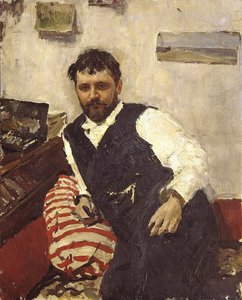
コンスタンティン・アレクセーエヴィチ・コロヴィン
1861 - 1939 , 日本国
基本情報
- Artistic Movement Or Style: 印象派
- Artists Or Movements Influenced By This Artist: ['ロシア印象派']
- Artists Who Influenced This Artist:
- ヴァシリー・ペローフ
- アレクセイ・サヴラソフ
- ヴァシリー・ポレノフ
- Date Of Birth: 1861年12月5日
- Date Of Death: 1939年9月11日
- Full Name: コンスタンチン・アレクセーヴィチ・コロヴィン
- Nationality: ロシア人
- Notable Artworks (List Of Titles):
- バルコニーにて
- スペインの女性たち
- パリのカフェ
- Place Of Birth (City And Country): モスクワ、ロシア
関連記事

ポール・セザンヌ:至高の25選 - 傑作と革新の軌跡 | ArtsDot
ポール・セザンヌの至高の25選。ポスト印象派を代表する画家、セザンヌの傑作と革新的な技法を紐解きます。ArtsDotで高品質な複製画やインテリアアートを見つけ、芸術の世界をご自宅に。今すぐコレクションをご覧ください。
Vasily Polenov: A Pioneer of Landscape Impressionism & Russian National Identity
Explore the captivating landscapes of Vasily Polenov, a pivotal figure in Russian art history. Discover his lyrical realism, biblical series & influence on Impressionism. Learn about the 'Knight of Beauty' and his enduring legacy.

Evocations of Place: A Historical Journey Through Landscape Art
Explore the rich history of landscape art with ArtsDot. Discover renowned artists, movements like Impressionism & Romanticism, and expert guidance for collecting timeless pieces. Find your perfect serene escape today!
Arboreal Echoes: A Historical & Artistic Exploration of Trees in Painting
Explore the rich history of trees in painting! Discover symbolism, Romantic masterpieces by Caspar David Friedrich & beyond. A curated journey for art enthusiasts.
Evocations of Place: A Historical Journey Through Landscape Art
Explore the rich history of landscape art with ArtsDot. Discover renowned artists, movements like Impressionism & tonalism, and expert guidance for collecting timeless pieces. Find your perfect serene escape today!

