

 プレビュー
プレビュー
 プリントを購入
 シェアする
シェアする シェアする
シェアする
 詳細を見る
詳細を見る

 ダウンロード
 似ている作品
 X線調査
X線調査 スライドショー
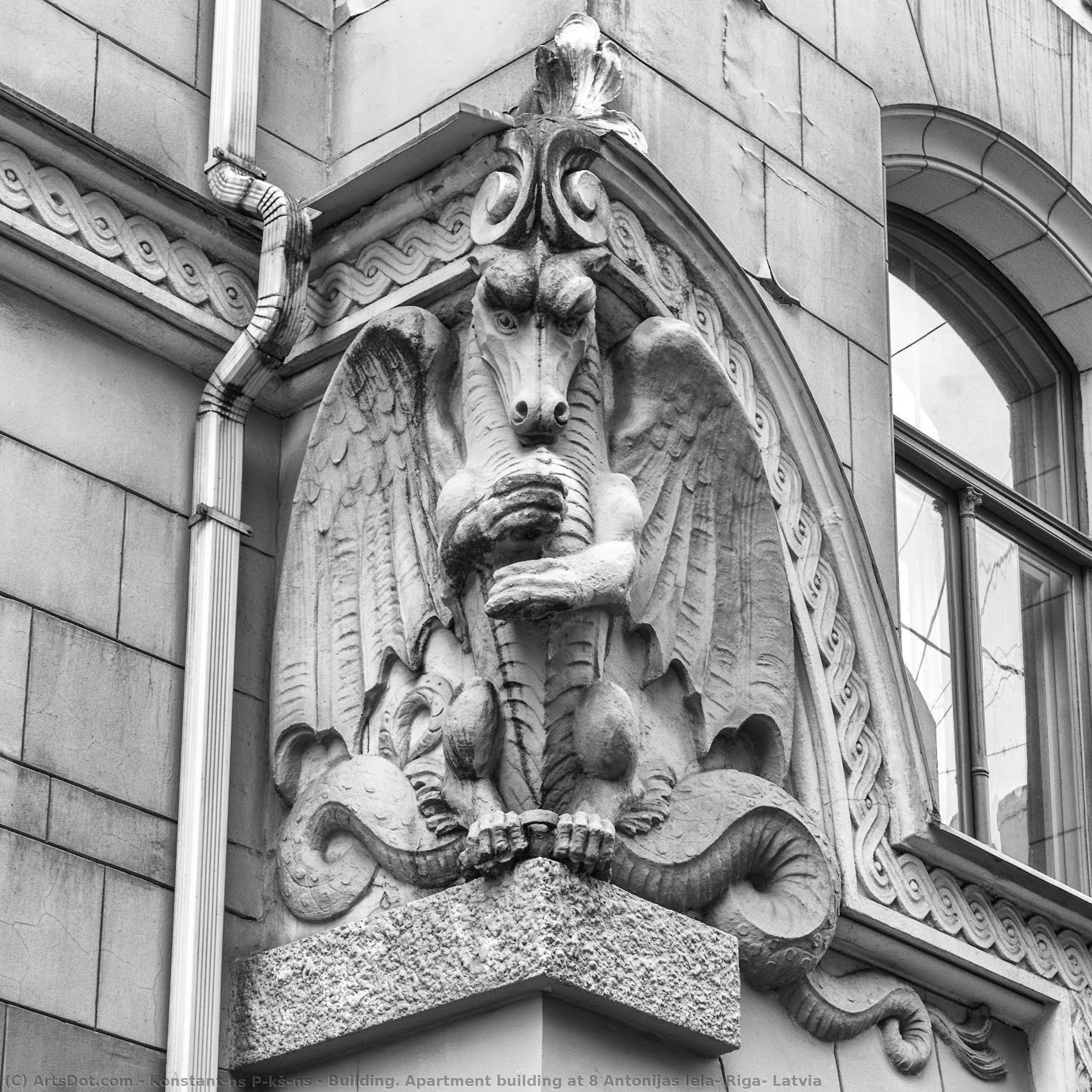
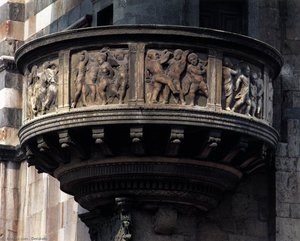
Building. Apartment building at 8 Antonijas Iela, Riga, Latvia

 詳細を見る
詳細を見る
オンラインプレビューをはるかに凌ぐ、高解像度で鮮明なデジタル画像をご購入いただけます。
各ファイルは、社内の専門家が高度なツールと熟練した手作業によるレタッチを用いて、細心の注意を払って準備されています。すべての画像において、卓越した鮮明度、正確な色彩再現性、そして繊細なディテールを保証いたします。
最終ファイルは、プロフェッショナルな編集・印刷環境ですぐにご利用いただけるよう最適化された状態で、72時間以内にメールにてお届けいたします。これは、一流のデザインスタジオ、出版社、ギャラリーから信頼されているものと同等の品質です。
デジタル画像のご注文に付随する特典
高品質なデジタル画像配信を、確かな品質で。
ArtsDot.com を選ぶことは、単に画像を手に入れることではありません。それは、プロの手によって精密に仕上げられ、満足保証が付いた高品質なデジタルアートワークを受け取ることを意味します。ご注文いただいた際に自動的に付随する内容は、以下の通りです:

メールですぐにお届け
ご注文から72時間以内に、高解像度のデジタル画像ファイルがメールでお手元に届きます。すぐにそのままご利用いただけます。

AI技術で最適化されたデジタルファイル
お客様の作品は、高度なAIツールと専門家による手作業の編集を組み合わせてプロフェッショナルに最適化されており、細部のディテール、鮮明さ、そして正確な色再現性を最大限に引き出しています。

一生涯無料の再送サービス
ファイルを誤って削除したり、紛失してしまったりしましたか?ご安心ください。いつでも無料で再送いたします。

輸入手数料は一切かかりません
関税や手数料、配送料を気にすることなく、お気に入りのアートワークをすぐにお楽しみいただけます。デジタルダウンロードは常に免税です。

色彩再現の保証
プロ仕様のツールとカラーマネジメント技術を用いることで、デジタル画像が元の色を最大限に忠実に再現することを保証いたします。

60日間満足保証
ご購入いただいたデジタル画像にご満足いただけない場合は、60日以内であれば、修正または100%の返金(理由を問う必要はありません)をさせていただきます。

100% 返金保証
ご満足いただけない場合は、デジタルファイルを受け取ってから60日以内であれば、理由を問わず全額返金いたします。

まとめ買い割引
3枚購入で10%OFF - 5枚購入で15%OFF - 10枚以上購入で20%OFF。クリエイティブなプロジェクト、ギャラリー、エージェンシーに最適です。
関連作品






作家の略歴
Konstantīns Pēkšēns: Architect of Riga’s Soul
Konstantīns Pēkšēns, born in Mazsalacas Municipality, Latvia, in 1859, stands as one of the most profoundly influential architects in Latvian history. Often considered the second generation following Jānis Baumanis, he shaped not just buildings but the very character and urban landscape of Riga and beyond. His legacy is woven into the fabric of countless Latvian cities and towns, with Riga boasting over 250 multi-story brick structures and a wealth of beautifully crafted wooden houses all bearing his distinctive mark. Pēkšēns’ work represents a pivotal moment in Latvian architectural identity, blending functional design with an exquisite sensitivity to ornamentation and symbolism—a hallmark of the Art Nouveau movement.Early Life and Training
Pēkšēns's early life was rooted in the rural countryside near Mazsalaca, but his ambition led him to Riga in 1896, where he joined his family. He began his architectural studies at the Riga Polytechnical Institute in 1875, initially pursuing a path in engineering before transitioning to architecture in 1880. His time at the institute was marked by active participation in student life, including membership in the prestigious *Selonija* fraternity and involvement in sports—reflecting a well-rounded personality that would later inform his approach to design. He graduated in 1885 and quickly established himself as an apprentice under Jānis Baumanis, one of Latvia’s most celebrated architects, gaining invaluable experience within the office of a master. This formative period instilled in him a deep understanding of classical principles while simultaneously exposing him to innovative approaches to building design.The Rise of an Architectural Star
Pēkšēns formally opened his own architectural practice in 1889, quickly establishing himself as a respected figure within the Latvian architectural community. He played a crucial role in revitalizing the Riga Architects Society, which had dissolved earlier, and actively engaged with civic organizations such as the Riga Latvian Society and various credit institutions. His influence extended beyond purely professional circles; he served on the Riga City Council from 1909, demonstrating his commitment to shaping the city’s future. His diverse experience—from construction management to public service—allowed him to contribute significantly to debates surrounding post-World War I reconstruction efforts in Riga. Notably, Pēkšēns's company also excelled in plumbing works, becoming a leading provider of central heating systems for the city prior to the war, showcasing his broad skillset and entrepreneurial spirit.Art Nouveau Masterpieces: A Celebration of Form and Ornament
Pēkšēns’s career truly flourished during the Art Nouveau era (roughly 1890-1914), a period characterized by its emphasis on organic forms, intricate ornamentation, and a rejection of industrial mass production. His buildings are renowned for their exquisite detailing, incorporating elements inspired by nature—particularly the peacock, which became a recurring motif in his designs. The house at 6 Strēlnieku Street is perhaps the most iconic example, featuring stunning stone reliefs depicting peacocks that adorn the facades. The “Miss Riga” sculpture, a particularly striking hermas figure, stands as a testament to Pēkšēns’s artistic vision and his ability to transform architectural elements into works of art. Other notable Art Nouveau buildings include those at 13 Kaļķu Street and 2 Smilšu Street, each showcasing unique decorative schemes and reflecting the artist's meticulous attention to detail. His designs prioritized a rational approach to Art Nouveau—beauty derived not from superficial embellishments but from the harmonious integration of form and function.Key Architectural Achievements & Legacy
Throughout his career, Pēkšēns was involved in numerous competitions and design projects, often collaborating with other prominent architects such as Eižens Laube, Arthur Moedlinger, and Aleksandrs Vanags. His contributions to Riga’s urban fabric are immense, encompassing residential buildings, apartment houses, commercial structures, and public spaces. The 14 Tērbatas Street bank building, the 46 Brīvības Street house, and the 14 Ausekļa Street apartment block are just a few examples of his enduring impact. Konstantīns Pēkšēns’s work is not merely about constructing buildings; it's about creating spaces that reflect Latvian identity, celebrate artistic expression, and enhance the quality of life for its inhabitants. His legacy continues to inspire architects and urban planners today, solidifying his place as a true visionary in Latvian architectural history.A Final Journey
Konstantīns Pēkšēns passed away on June 23, 1928, in Bad Kissingen, Germany, while seeking treatment for declining health. His death was deeply felt throughout Latvia, and he was laid to rest at the Forest Cemetery in Riga. His life’s work—a testament to his skill, creativity, and dedication—remains a vibrant part of Latvia's cultural heritage, visible in the beautiful buildings that grace its cities and towns.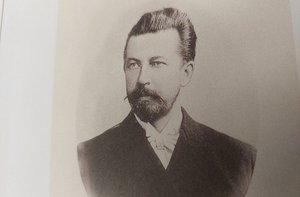
Konstantīns Pēkšēns
1859 - 1928 , Latvia
プロフィール概要
- Artistic Movement Or Style: Art Nouveau
- Artists Or Movements Influenced By This Artist: ['Latvian architecture']
- Artists Who Influenced This Artist: ['Jānis Baumanis']
- Date Of Birth: 1859, Mazsalaca, Latvia
- Date Of Death: 1928
- Full Name: Konstantīns Pēkšēns
- Nationality: Latvian
- Notable Artworks:
- 2 Smilšu iela building
- Riga apartment buildings
- Place Of Birth: Mazsalaca Municipality, Latvia

