

 プレビュー
プレビュー
 シェアする
シェアする シェアする
シェアする
 詳細を見る
詳細を見る

 ダウンロード
 似ている作品
 X線調査
X線調査 スライドショー
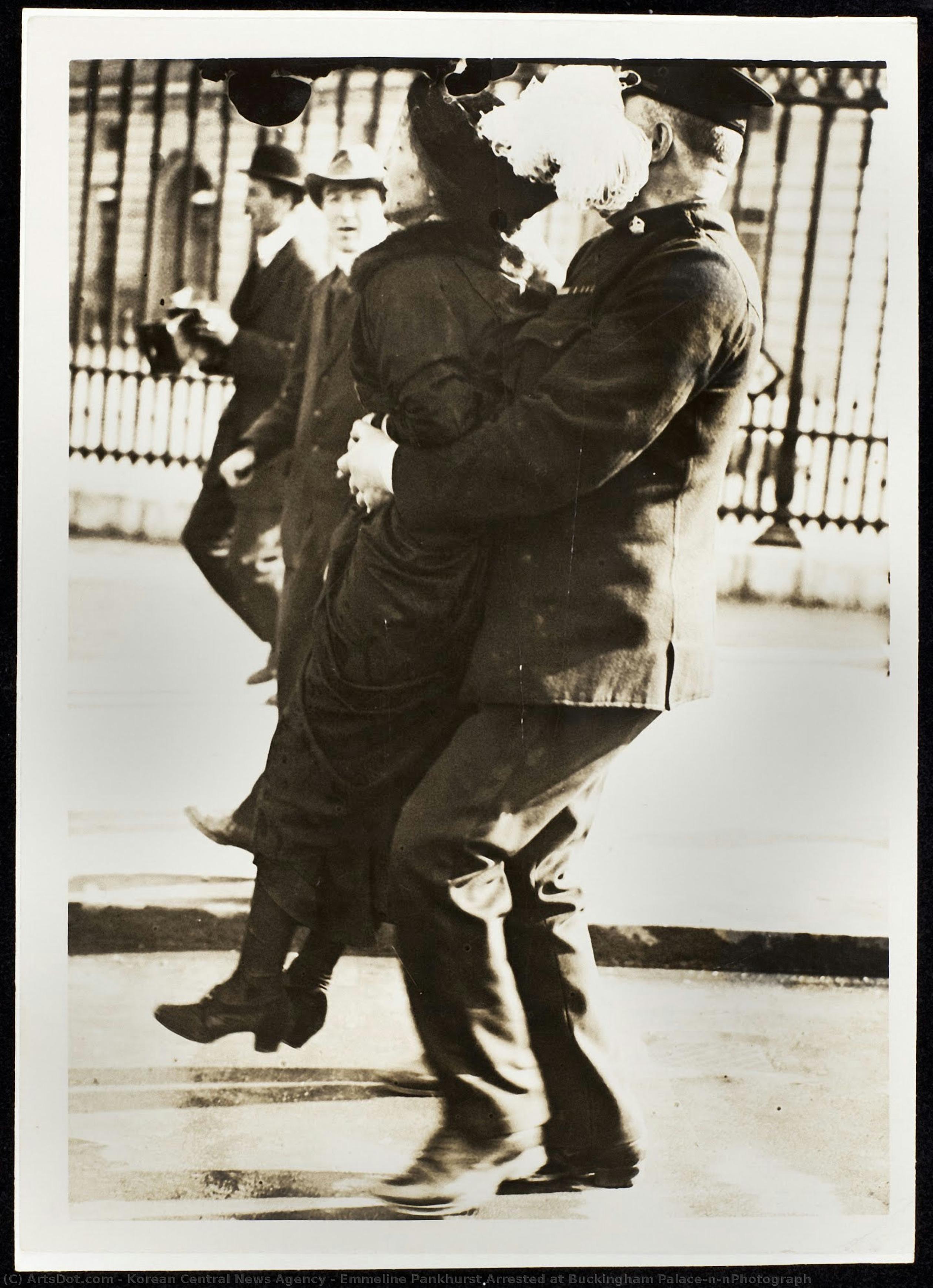
Emmeline Pankhurst Arrested at Buckingham Palace\n\nPhotograph


 詳細を見る
詳細を見る
ジークレー/アートプリント
迅速な制作と多彩な仕上げオプションを備えた、ミュージアムクオリティのジークレーまたはキャンバスプリント。 ( 手描きの絵画を購入 画像を購入)




































作品のオリジナル比率に合わせた、当店の規定サイズからお選びください。

特定のフレームやスペースに合わせて、ご自身でサイズを指定することも可能です。選択されたサイズが元の画像の比率と一致しない場合、作品をトリミングするか、鏡面反射または単色での塗りつぶしによって画像を拡張いたします。制作を開始する前に、ご確認用のデジタルモックアップをお送りいたします。
画面上のプレビューには、実際のトリミングや拡張は反映されませんのでご注意ください。最終的な構図を正確に確認できるのは、モックアップのみとなります。
カスタムサイズも承っておりますが、元の比率を維持するためには、あらかじめ用意されたリストからサイズを選択することをお勧めいたします。


 ガラスオプションは、110cm未満のサイズでのみご利用いただけます。

Emmeline Pankhurst Arrested at Buckingham Palace\n\nPhotograph
ジークレー/アートプリント
複製画のサイズ
-


合計金額
$ 62
関連作品





アーティストの略歴
Korean Central News Agency: The Voice of Pyongyang
The Korean Central News Agency (KCNA), established in December 1946, stands as North Korea’s singular conduit for disseminating information – a carefully curated narrative crafted to solidify the regime's authority and project its worldview onto both domestic audiences and international observers. More than simply reporting events; KCNA operates as an instrument of propaganda, meticulously shaping perceptions and reinforcing ideological convictions. Its enduring presence online since 1996 underscores its continued importance in maintaining control over public discourse.- Origins & Formation: Born from the ashes of Korean independence struggles, KCNA emerged during a period of intense geopolitical tension following World War II. Initially tasked with bolstering national unity and countering Japanese influence, the agency quickly adopted a role as the primary mouthpiece for Kim Il Sung’s leadership – a position it has maintained throughout his reign and beyond.
- Organizational Structure: KCNA operates under the umbrella of the Korean Central Broadcasting Committee, reflecting the pervasive influence of the Workers' Party of Korea. The Propaganda and Agitation Department exerts direct oversight, ensuring that all reporting aligns with the party’s ideological framework.
- Early Years & Photographic Style: Early KCNA publications prioritized documentary photography – images depicting pivotal moments in Korean history and showcasing the accomplishments of Kim Il Sung's government. These photographs were characterized by a distinctive aesthetic: bold compositions, saturated colors, and an unwavering focus on glorifying leadership and portraying Pyongyang as a beacon of socialist progress.
Evolution of Photographic Technique & Artistic Vision
Throughout the decades, KCNA’s photographic style has undergone subtle refinements while retaining its core commitment to conveying official narratives. While maintaining a predominantly celebratory tone, photographers have increasingly incorporated elements of realism and staged scenes designed to evoke emotion and reinforce ideological messages. The agency's visual language reflects broader trends in socialist art – emphasizing grandeur, heroism, and the collective triumph over adversity.- Influence of Socialist Realism: KCNA’s photographic aesthetic is deeply rooted in Socialist Realism—an artistic movement championed by Stalin that prioritizes portraying subjects as idealized representations of reality. This stylistic approach emphasizes clarity, emotional impact, and the depiction of ordinary Koreans engaged in productive labor or celebrating national achievements.
- Contemporary Imagery: In recent years, KCNA’s photographic output has expanded beyond monumental celebrations to encompass coverage of everyday life in Pyongyang—images intended to portray a prosperous and harmonious society under Kim Jong Un's leadership. These photographs utilize modern techniques – digital editing and manipulation – to enhance visual appeal and reinforce the agency’s carefully crafted image.
Notable Achievements & Historical Significance
KCNA has played an indispensable role in shaping North Korean history and culture. Its images have documented key events—from military victories to national anniversaries—serving as powerful tools for mobilizing public opinion and bolstering morale during times of crisis. Furthermore, KCNA’s consistent dissemination of propaganda has contributed to constructing a narrative of Kim Il Sung's leadership as benevolent protector and visionary architect of Korean socialism – a narrative that continues to underpin the regime’s legitimacy.- Documentation of Major Events: KCNA’s photographs have captured iconic moments in North Korean history, including parades commemorating Kim Il Sung’s birthday, military deployments during border disputes, and celebrations marking significant milestones in Pyongyang's development.
- Reinforcing Ideological Narrative: By presenting a consistently optimistic portrayal of Pyongyang and its citizens—coupled with depictions of heroic deeds—KCNA has effectively reinforced the dominant ideological narrative surrounding Kim Jong Un’s rule.
Ongoing Role & Future Prospects
Despite facing challenges in accessing international media outlets, KCNA maintains a robust online presence and continues to produce images that serve as instruments of state communication. Its future endeavors will undoubtedly prioritize bolstering Pyongyang's image as a symbol of resilience and stability—a mission underpinned by the enduring legacy of its photographic tradition.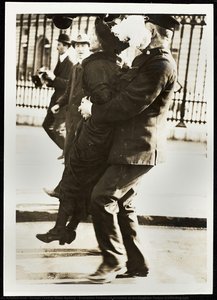
korean central news agency
1946 - , Democratic People's Republic of Korea
基本情報
- Artistic Movement Or Style: Propaganda art
- Date Of Birth: Pyongyang, Democratic People's Republic of Korea (1946)
- Full Name: Korean Central News Agency
- Nationality: North Korean
- Notable Artworks: ['Emmeline Pankhurst Arrested at Buckingham Palace']
- Place Of Birth: Pyongyang