

 プレビュー
プレビュー
 シェアする
シェアする シェアする
シェアする
 詳細を見る
詳細を見る

 ダウンロード
 似ている作品
 X線調査
X線調査 スライドショー
 Stats
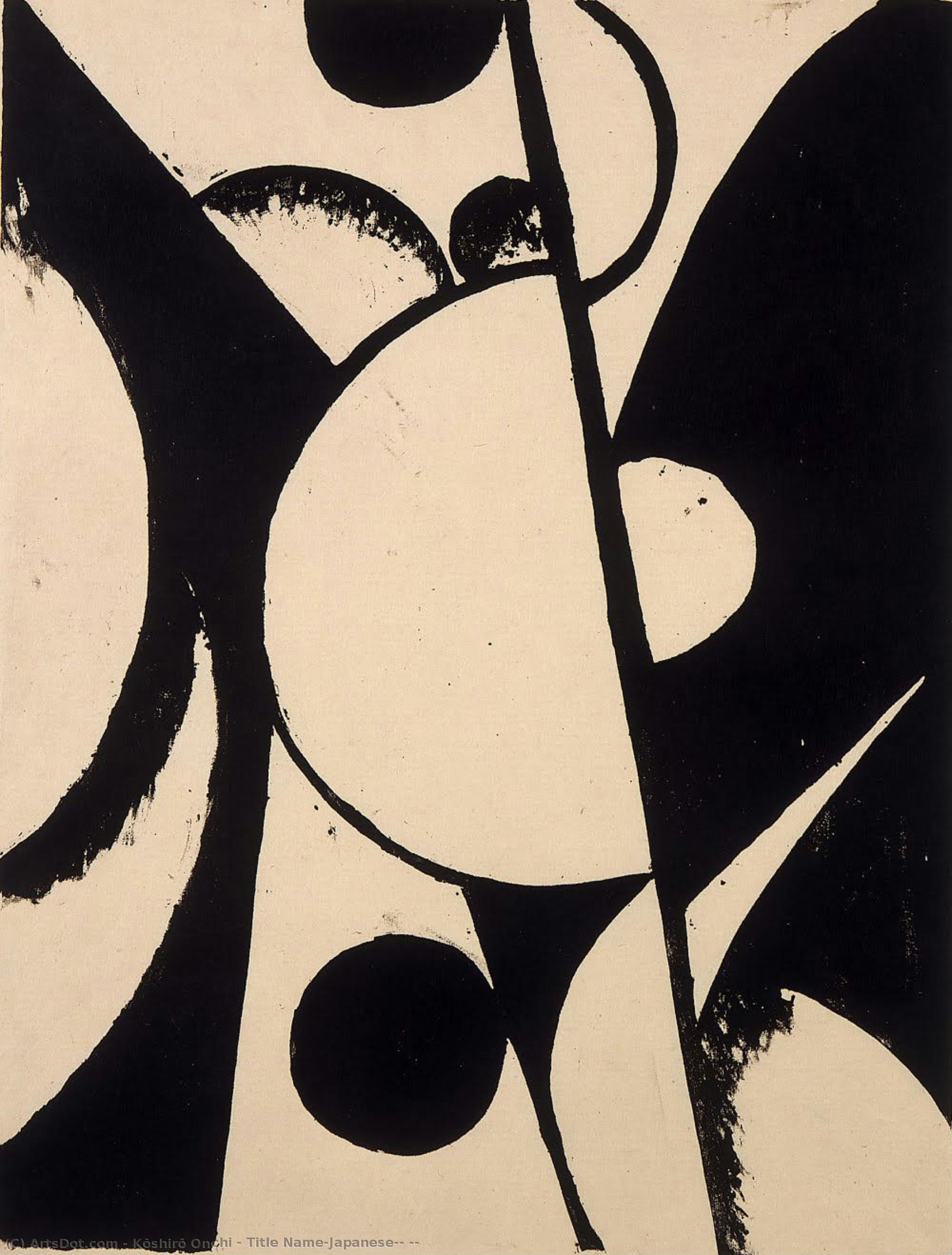
StatsTitle Name(Japanese): 人体
 1924
1924 23.0 x 31.0 cm
 詳細を見る
詳細を見る
ジークレー/アートプリント
迅速な制作と多彩な仕上げオプションを備えた、ミュージアムクオリティのジークレーまたはキャンバスプリント。 ( 手描きの絵画を購入 Switch to Digital Image)




































作品のオリジナル比率に合わせた、当店の規定サイズからお選びください。

特定のフレームやスペースに合わせて、ご自身でサイズを指定することも可能です。選択されたサイズが元の画像の比率と一致しない場合、作品をトリミングするか、鏡面反射または単色での塗りつぶしによって画像を拡張いたします。制作を開始する前に、ご確認用のデジタルモックアップをお送りいたします。
画面上のプレビューには、実際のトリミングや拡張は反映されませんのでご注意ください。最終的な構図を正確に確認できるのは、モックアップのみとなります。
カスタムサイズも承っておりますが、元の比率を維持するためには、あらかじめ用意されたリストからサイズを選択することをお勧めいたします。


 ガラスオプションは、110cm未満のサイズでのみご利用いただけます。

Title Name(Japanese): 人体
ジークレー/アートプリント
複製画のサイズ
-


合計金額
$ 62
関連作品









アーティストの略歴
The Architect of Modern Impression
Born into the refined atmosphere of an aristocratic Tokyo lineage, Kōshirō Onchi was destined for a life where tradition and innovation would eternally collide.His early education, steeped in the delicate precision of Japanese calligraphy, provided a foundational grace that would later inform his most radical departures from convention. Yet, it was his encounter with the vibrant energy of Western art—specifically the Impressionist and Post-Impressionist movements—that ignited a transformative fire within him. Studying at the Tokyo School of Fine Arts, Onchi began to bridge the gap between the ancient aesthetics of his heritage and the burgeoning avant-garde spirit of the twentieth century.
The Sōsaku-hanga Revolution
At the heart of Onchi’s legacy lies a profound rebellion against the established order of Japanese printmaking. Before his emergence, the ukiyo-e tradition relied on a collaborative division of labor between publisher, carver, and printer. Onchi sought to shatter this separation, championing the concept of sōsaku-hanga, or "creative prints," where the artist’s hand personally executed every stage of the process.Through his leadership in groups such as the Nihon Sōsaku Hanga Kyōkai and the First Thursday Society, he empowered a new generation of creators to view the woodblock not merely as a medium for reproduction, but as a direct extension of the individual soul. His multifaceted identity was central to this movement:
- The Visionary Leader: Establishing associations that redefined Japanese printmaking through collective experimentation.
- The Literary Pioneer: Founding the Tsukubue magazine to blend poetry with visual art.
- The Master Illustrator: Bringing modern aesthetics to over a thousand published books throughout his career.
Abstract Echoes and Lyrical Light
As his career matured, Onchi’s work drifted toward the ethereal realms of abstraction, drawing striking parallels to the spiritual intensity of Wassily Kandinsky. His prints became landscapes of light and form, where color and texture danced in a lyrical, often experimental, rhythm. Beyond the woodblock, he explored the boundaries of photography and book design, utilizing techniques like photograms to capture the unseen essence of his surroundings.Whether through the starkness of a photographic experiment or the delicate lines of a poem, Onchi’s oeuvre remains a testament to the power of the multidisciplinary mind. He left behind a legacy that continues to resonate, reminding us that true art is found in the courageous pursuit of one's own unique, unmediated expression.
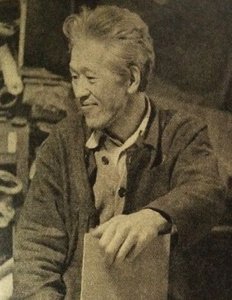
kōshirō onchi
1891 - 1955 , Japan
基本情報
- Artistic Movement Or Style: Sōsaku-hanga
- Artists Or Movements Influenced By This Artist:
- Wassily Kandinsky
- Edvard Munch
- Artists Who Influenced This Artist: ['takehisa yumeji']
- Date Of Birth: Tokyo, Japan (1891)
- Date Of Death: 1955
- Full Name: kōshirō onchi
- Nationality: Japanese
- Notable Artworks:
- Title Name(Japanese): 人体
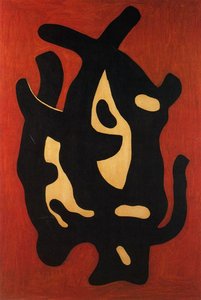
- Title Name(Japanese): 抒情 『あかるい時』
- Place Of Birth: Tokyo