

 プレビュー
プレビュー
 プリントを購入
 シェアする
シェアする シェアする
シェアする
 詳細を見る
詳細を見る

 ダウンロード
 似ている作品
 X線調査
X線調査 スライドショー
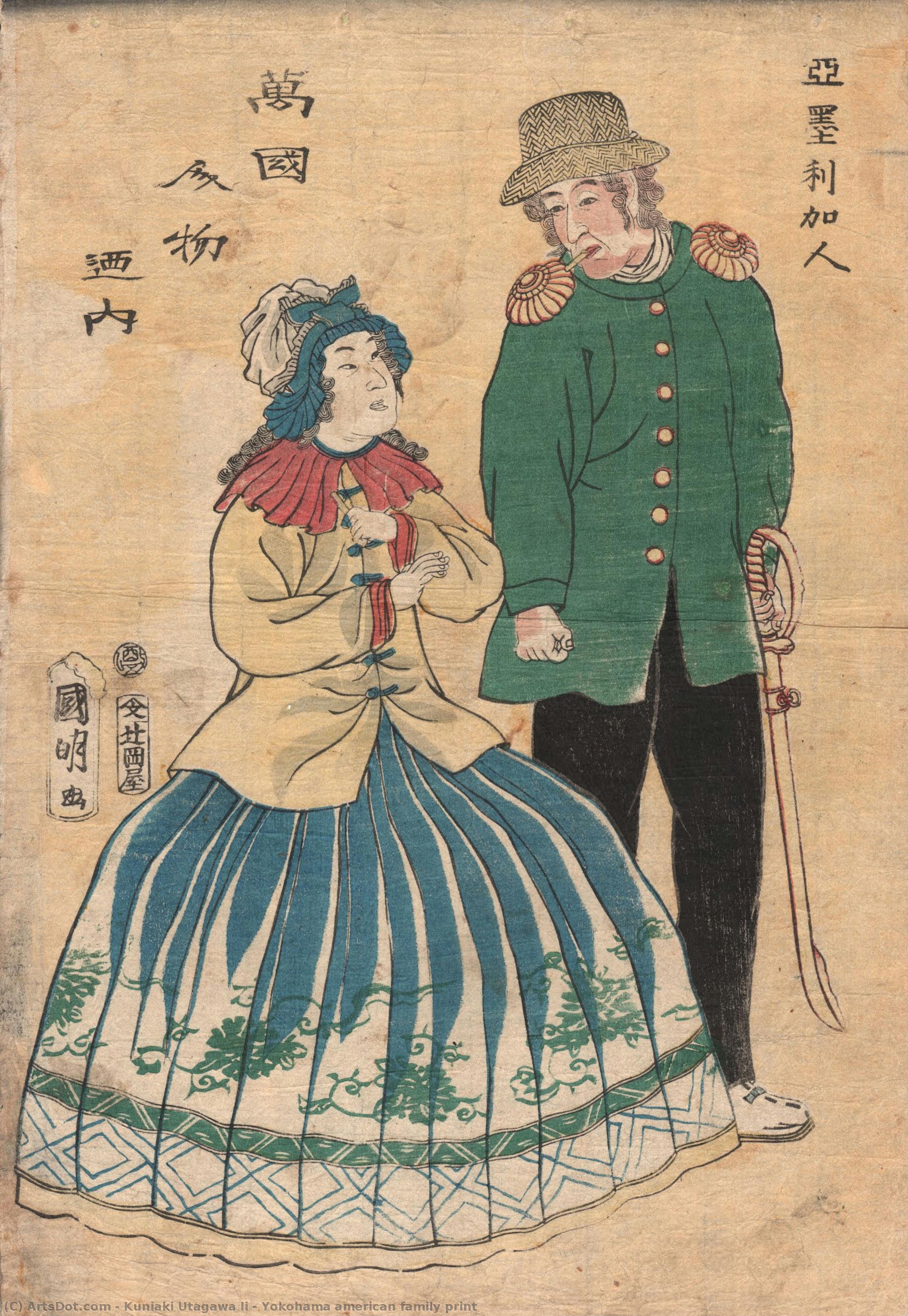
Yokohama american family print
 Woodblock Print
- Ukiyo-e
 1861
1861- 19th Century
 36.0 x 26.0 cm
 Bujalance Collection
 詳細を見る
詳細を見る
オンラインプレビューをはるかに凌ぐ、高解像度で鮮明なデジタル画像をご購入いただけます。
各ファイルは、社内の専門家が高度なツールと熟練した手作業によるレタッチを用いて、細心の注意を払って準備されています。すべての画像において、卓越した鮮明度、正確な色彩再現性、そして繊細なディテールを保証いたします。
最終ファイルは、プロフェッショナルな編集・印刷環境ですぐにご利用いただけるよう最適化された状態で、72時間以内にメールにてお届けいたします。これは、一流のデザインスタジオ、出版社、ギャラリーから信頼されているものと同等の品質です。
デジタル画像のご注文に付随する特典
高品質なデジタル画像配信を、確かな品質で。
ArtsDot.com を選ぶことは、単に画像を手に入れることではありません。それは、プロの手によって精密に仕上げられ、満足保証が付いた高品質なデジタルアートワークを受け取ることを意味します。ご注文いただいた際に自動的に付随する内容は、以下の通りです:

メールですぐにお届け
ご注文から72時間以内に、高解像度のデジタル画像ファイルがメールでお手元に届きます。すぐにそのままご利用いただけます。

AI技術で最適化されたデジタルファイル
お客様の作品は、高度なAIツールと専門家による手作業の編集を組み合わせてプロフェッショナルに最適化されており、細部のディテール、鮮明さ、そして正確な色再現性を最大限に引き出しています。

一生涯無料の再送サービス
ファイルを誤って削除したり、紛失してしまったりしましたか?ご安心ください。いつでも無料で再送いたします。

輸入手数料は一切かかりません
関税や手数料、配送料を気にすることなく、お気に入りのアートワークをすぐにお楽しみいただけます。デジタルダウンロードは常に免税です。

色彩再現の保証
プロ仕様のツールとカラーマネジメント技術を用いることで、デジタル画像が元の色を最大限に忠実に再現することを保証いたします。

60日間満足保証
ご購入いただいたデジタル画像にご満足いただけない場合は、60日以内であれば、修正または100%の返金(理由を問う必要はありません)をさせていただきます。

100% 返金保証
ご満足いただけない場合は、デジタルファイルを受け取ってから60日以内であれば、理由を問わず全額返金いたします。

まとめ買い割引
3枚購入で10%OFF - 5枚購入で15%OFF - 10枚以上購入で20%OFF。クリエイティブなプロジェクト、ギャラリー、エージェンシーに最適です。
A Window into a Changing World
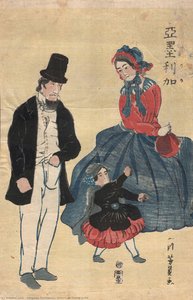
In the delicate lines of the Yokohama American Family print, we find ourselves transported to a pivotal moment in Japanese history, where the ancient traditions of the Edo period began to dance with the encroaching influences of the West. Created in 1861 by the talented Kuniaki Utagawa II, this exquisite ukiyo-e woodblock print captures the profound cultural intersection that defined the opening of Japan's ports. The scene presents a captivating tableau of two figures standing side by side—a man clad in the structured, formal attire of a Western military uniform and a woman draped in the flowing, graceful layers of traditional Japanese dress. This visual juxtaposition serves as a silent but powerful dialogue between two worlds, illustrating the curiosity and the quiet tension of an era defined by rapid modernization.
The artistry of the Utagawa school is on full display here, through a technique that balances meticulous detail with evocative atmosphere. The artist employs the classic ukiyo-e method to render textures that feel almost tactile: the crispness of the man's military tie and the soft, rhythmic folds of the woman's kimono. Every stroke of the woodblock carries an intentionality designed to guide the viewer's eye across the composition, from the subtle presence of a handbag to the delicate Japanese characters etched into the background. These calligraphic elements do more than provide context; they anchor the piece in its historical reality, reminding us that this was a time when the written word and the visual image were inseparable components of a shifting social identity.
The Soul of Yokohama-e
Beyond its technical mastery, this print belongs to the fascinating genre of Yokohama-e, a specialized subset of ukiyo-e that emerged specifically to document the arrival of foreigners in the port of Yokohama. During the mid-19th century, a wave of fascination swept through Japan, driving artists to produce hundreds of prints depicting the "exotic" customs, clothing, and people from distant lands. This particular work captures the essence of that curiosity. There is an emotional intimacy in the way the subjects are positioned; they appear engaged in a shared moment of observation, perhaps looking out upon the bustling harbor or reflecting on the changing landscape around them. It is a piece that evokes a sense of nostalgia for a lost era of discovery.
For the discerning collector or interior designer, this reproduction offers much more than mere decoration; it serves as a sophisticated conversation piece. The print’s muted yet rich palette and its historical depth make it an ideal centerpiece for a curated gallery wall or a thoughtful accent in a study lined with books. It brings a sense of worldly elegance and intellectual intrigue to any space, inviting guests to linger over the details of its storytelling. To possess such a work is to hold a fragment of history—a beautifully preserved snapshot of the moment when the sun began to rise on a new, globalized Japan.
関連作品
作家の略歴
Kuniaki Utagawa II: Bridging Tradition and Modernity in Edo & Meiji Era Prints
Kuniaki Utagawa II (1835–1868), also known as Hachisuka Kuniaki, stands as a pivotal figure within the Utagawa school of Japanese art—a lineage that profoundly shaped the visual culture of Japan during its twilight years and nascent modernization. Born into the Hirasawa clan, he later embraced the patronage of the influential Hachisuka family, marking him at birth with connections to one of Japan’s most prominent samurai lineages. This familial background undoubtedly instilled a sense of discipline and artistic ambition that would propel him toward becoming a celebrated ukiyo-e artist—a profession simultaneously rooted in centuries-old craftsmanship and increasingly receptive to Western aesthetic ideas.- Early Life & Training: Kuniaki’s formative years were spent under the tutelage of Utagawa Kunisada I (1786–1865), arguably the most dominant artist of his time, whose stylistic innovations established a benchmark for subsequent generations. This mentorship wasn't merely about mastering technique; it was about absorbing Kunisada’s ethos—a commitment to dramatic composition and emotionally resonant storytelling—principles that would permeate Kuniaki’s own artistic endeavors.
- Artistic Style & Genre Preferences: Kuniaki II distinguished himself through a remarkable versatility across various genres, reflecting the multifaceted tastes of his era. He excelled in bijin-ga (pictures of beautiful women), capturing idealized portraits with meticulous detail and luminous color palettes—a hallmark of Utagawa school aesthetics. Equally adept was he at yakusha-e (kabuki actor prints), where he skillfully conveyed the dynamism and theatrical grandeur of performances, utilizing bold lines and expressive poses to convey emotion. Furthermore, Kuniaki produced impactful sumo wrestler prints, depicting wrestling matches with visceral energy and capturing the physicality of these ritualistic contests.
The Influence of Kunisada I & The Satsuma Rebellion
Kunisada’s influence extended far beyond mere stylistic imitation; it encompassed a broader philosophical underpinning—a belief in art as a vehicle for conveying moral lessons and capturing the spirit of the times. Kuniaki II internalized this conviction, channeling his artistic talent into documenting significant historical events, notably the Satsuma Rebellion (1877–1878)—a dramatic uprising against imperial authority that galvanized nationalist sentiment and provided fertile ground for artistic commentary. His prints from this period exemplify the Utagawa school’s willingness to engage with contemporary issues while maintaining its core aesthetic values—a testament to Kuniaki II's ability to synthesize tradition and innovation.Notable Achievements & Legacy
Kuniaki II’s prolific output solidified his reputation as one of Japan’s foremost ukiyo-e artists, securing his place within the canon of artistic excellence. His prints are celebrated for their technical mastery—particularly the vibrant hues achieved through meticulous layering of pigments—and for their expressive power—capturing fleeting moments of emotion and conveying profound narratives. Beyond individual artworks, Kuniaki II’s contribution to the Utagawa school's overall stylistic trajectory is undeniable; he helped propel it into a new era, adapting its conventions to resonate with audiences eager for depictions of both idealized beauty and momentous historical occurrences.A Synthesis of Tradition & Modernity
Ultimately, Kuniaki II’s artistic legacy resides in his embodiment of the tensions inherent within Japan's transformation from Edo feudalism to Meiji constitutional monarchy. His prints stand as a compelling record of this pivotal period—a testament to the enduring power of Japanese art to grapple with complex social and political realities while upholding timeless aesthetic ideals. Studying Kuniaki II’s oeuvre offers invaluable insight into the artistic sensibilities of his time, illuminating the path from classical Utagawa craftsmanship to the burgeoning visual culture of a nation embracing Western influences—a journey that continues to inspire artists and scholars alike.
kuniaki utagawa ii
1835 - 1888 , Japan
プロフィール概要
- Artistic Movement Or Style: Ukiyo-e
- Artists Or Movements Influenced By This Artist: ['Impressionism']
- Artists Who Influenced This Artist: ['Utagawa Kunisada I']
- Date Of Death: 1888
- Full Name: Kuniaki Utagawa II
- Nationality: Japanese
- Notable Artworks:
- Yokohama-e
- Yakusha-e
- Sumo prints
- Place Of Birth: Japan

