

 プレビュー
プレビュー
 プリントを購入
 シェアする
シェアする シェアする
シェアする
 詳細を見る
詳細を見る

 ダウンロード
 似ている作品
 X線調査
X線調査 スライドショー
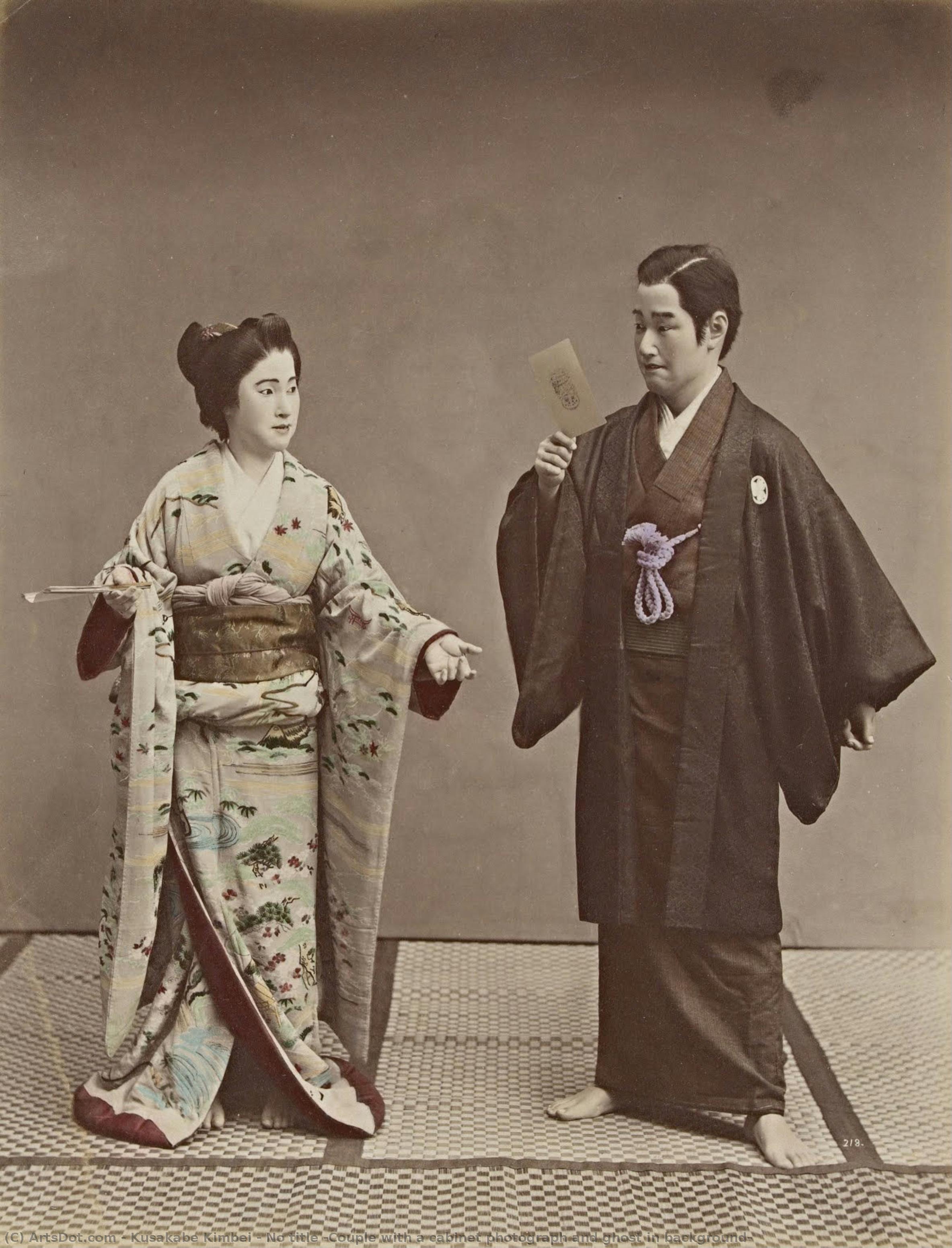
No title (Couple with a cabinet photograph and ghost in background)
 Acrylic On Canvas
- WallArt
- Ukiyo-e Inspired
 1880
1880 26.0 x 20.0 cm
 国立ギャラリー・オブ・ビクトリア
 詳細を見る
詳細を見る
オンラインプレビューをはるかに凌ぐ、高解像度で鮮明なデジタル画像をご購入いただけます。
各ファイルは、社内の専門家が高度なツールと熟練した手作業によるレタッチを用いて、細心の注意を払って準備されています。すべての画像において、卓越した鮮明度、正確な色彩再現性、そして繊細なディテールを保証いたします。
最終ファイルは、プロフェッショナルな編集・印刷環境ですぐにご利用いただけるよう最適化された状態で、72時間以内にメールにてお届けいたします。これは、一流のデザインスタジオ、出版社、ギャラリーから信頼されているものと同等の品質です。
デジタル画像のご注文に付随する特典
高品質なデジタル画像配信を、確かな品質で。
ArtsDot.com を選ぶことは、単に画像を手に入れることではありません。それは、プロの手によって精密に仕上げられ、満足保証が付いた高品質なデジタルアートワークを受け取ることを意味します。ご注文いただいた際に自動的に付随する内容は、以下の通りです:

メールですぐにお届け
ご注文から72時間以内に、高解像度のデジタル画像ファイルがメールでお手元に届きます。すぐにそのままご利用いただけます。

AI技術で最適化されたデジタルファイル
お客様の作品は、高度なAIツールと専門家による手作業の編集を組み合わせてプロフェッショナルに最適化されており、細部のディテール、鮮明さ、そして正確な色再現性を最大限に引き出しています。

一生涯無料の再送サービス
ファイルを誤って削除したり、紛失してしまったりしましたか?ご安心ください。いつでも無料で再送いたします。

輸入手数料は一切かかりません
関税や手数料、配送料を気にすることなく、お気に入りのアートワークをすぐにお楽しみいただけます。デジタルダウンロードは常に免税です。

色彩再現の保証
プロ仕様のツールとカラーマネジメント技術を用いることで、デジタル画像が元の色を最大限に忠実に再現することを保証いたします。

60日間満足保証
ご購入いただいたデジタル画像にご満足いただけない場合は、60日以内であれば、修正または100%の返金(理由を問う必要はありません)をさせていただきます。

100% 返金保証
ご満足いただけない場合は、デジタルファイルを受け取ってから60日以内であれば、理由を問わず全額返金いたします。

まとめ買い割引
3枚購入で10%OFF - 5枚購入で15%OFF - 10枚以上購入で20%OFF。クリエイティブなプロジェクト、ギャラリー、エージェンシーに最適です。
Kusakabe Kimbei’s “No Title” – A Ghostly Echo of Edo Japan
The photograph captures two Japanese individuals posed formally against a backdrop of a richly patterned rug and a subtle hint of architectural detail—likely a cabinet photograph. Taken by Kusakabe Kimbei in 1880, this image transcends mere documentation; it embodies the spirit of Shinrei shashin – “ghost photographs”—a genre that emerged during Japan’s late Edo period and reflects a fascinating intersection between artistic convention and burgeoning Western influence. Kimbei's masterful technique—albumen printing—produces a tonal richness that lends itself to capturing the nuances of light and texture, creating an atmosphere both serene and imbued with unspoken emotion.- Subject Matter: The portrait depicts a man and woman dressed in traditional kimono attire, symbolizing social status and adherence to established customs. Their gestures convey formality and poise, typical of depictions intended for discerning audiences during the era.
- Style & Technique: Kimbei’s approach aligns closely with the Bijinga tradition—Japanese art depicting beautiful women—drawing inspiration from the aesthetic principles prevalent in ukiyo-e prints. Albumen printing, a photographic process popularized by Europeans like Felice Beato and Baron Raimund von Stillfried, ensures exceptional detail and tonal gradation, preserving subtle nuances of color and texture.
- Historical Context: Japan’s opening to Western trade in 1854 dramatically altered its cultural landscape. Photographers like Kimbei capitalized on this newfound openness, documenting scenes of daily life—particularly those showcasing Japanese traditions—for the burgeoning tourist market. Notably, these images rarely portrayed the pervasive modernization sweeping across society at the time.
- Symbolism: The inclusion of a ghost – or “shinrei” – is significant. Shinrei shashin wasn’t merely about capturing an image; it was about attempting to capture something beyond the visible realm—a spiritual essence, a lingering presence. This stylistic choice speaks to anxieties surrounding Western encroachment and a desire to preserve Japanese identity amidst rapid change.
- Emotional Impact: The photograph evokes a sense of quiet dignity and contemplation. Its muted sepia tones contribute to an atmosphere of nostalgia for a bygone era, inviting viewers to consider the complexities of cultural exchange and the enduring power of visual storytelling.
Kimbei’s Influence & Artistic Legacy
Kusakabe Kimbei's collaboration with Felice Beato and Baron Raimund von Stillfried established him as a pivotal figure in Japanese photography, demonstrating his ability to adapt European techniques while retaining distinctly Japanese artistic sensibilities. His studio’s output remains invaluable for historians studying the visual culture of late Edo Japan and its subsequent transformation into modern Japan. The photograph's enduring appeal lies not only in its technical excellence but also in its capacity to transport us back to a moment frozen in time—a testament to Kimbei’s artistry and the captivating allure of Shinrei shashin.Dimensions & Reproduction Considerations
This original albumen print measures 26 x 20 cm (approximately 10 x 8 inches). High-quality reproductions offer a remarkable opportunity to appreciate the photograph's subtle tonal variations and textural richness, preserving its evocative atmosphere for contemporary audiences. Careful archival printing ensures longevity and maintains the integrity of Kimbei’s artistic vision.関連作品
作家の略歴
early life and career
kusakabe kimbei, a renowned japanese photographer, was born in 1841. he adopted the given name kimbei for his clientele, comprising mostly non-japanese-speaking foreign residents and visitors, who found it easier to pronounce than his family name. kimbei's photographic journey began with his work alongside felice beato, a british photographer of italian descent, and baron raimund von stillfried, an austrian photographer. in 1881, kimbei established his own workshop in yokohama, japan, which later relocated to the honmachi quarter in 1889.photographic style and notable works
kimbei's photography style was characterized by its traditional bijinga approach, often featuring japanese women. he hired geisha to pose for his photographs, which were popular among tourists at the time. many of his albums are mounted in an accordion fashion. some notable works by kimbei can be found in the collection of the national gallery of victoria (melbourne, australia), including a photograph titled no title (couple with a cabinet photograph and ghost in background). this piece is a testament to kimbei's unique blend of traditional japanese aesthetics and early photographic techniques.legacy and influence
kimbei acquired the negatives of felice beato, baron raimund von stillfried, and uchida kuichi. he also obtained some of ueno hikoma's negatives of nagasaki. kimbei's retirement as a photographer in 1914 marked the end of an era in japanese photography.- view kusakabe kimbei's works on ArtsDot
- learn more about felice beato on wikipedia
- explore the fujikawa galleries (japan), a hidden gem for art lovers, featuring works from various periods and styles: fujikawa galleries (japan) - a hidden gem for art lovers
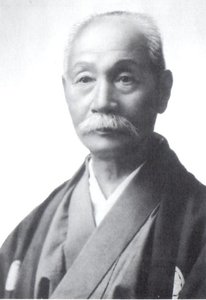
Kusakabe Kimbei
1841 - 1934 , Japan
プロフィール概要
- Artistic Movement Or Style: Bijinga photography; Accordion albums
- Artists Or Movements Influenced By This Artist: ['Ukiyo-e']
- Artists Who Influenced This Artist:
- Felice Beato
- Baron Raimund von Stillfried
- Date Of Birth: November 24, 1841
- Date Of Death: April 19, 1934
- Full Name: Kusakabe Kimbei
- Nationality: Japanese
- Notable Artworks:
- No title (Couple with a cabinet photograph and ghost in background)
- Yumoto lake at Nikkō
- Place Of Birth: Kofu, Yamanashi Prefecture, Japan

