

 プレビュー
プレビュー
 シェアする
シェアする シェアする
シェアする
 詳細を見る
詳細を見る

 ダウンロード
 似ている作品
 X線調査
X線調査 スライドショー
 統計情報
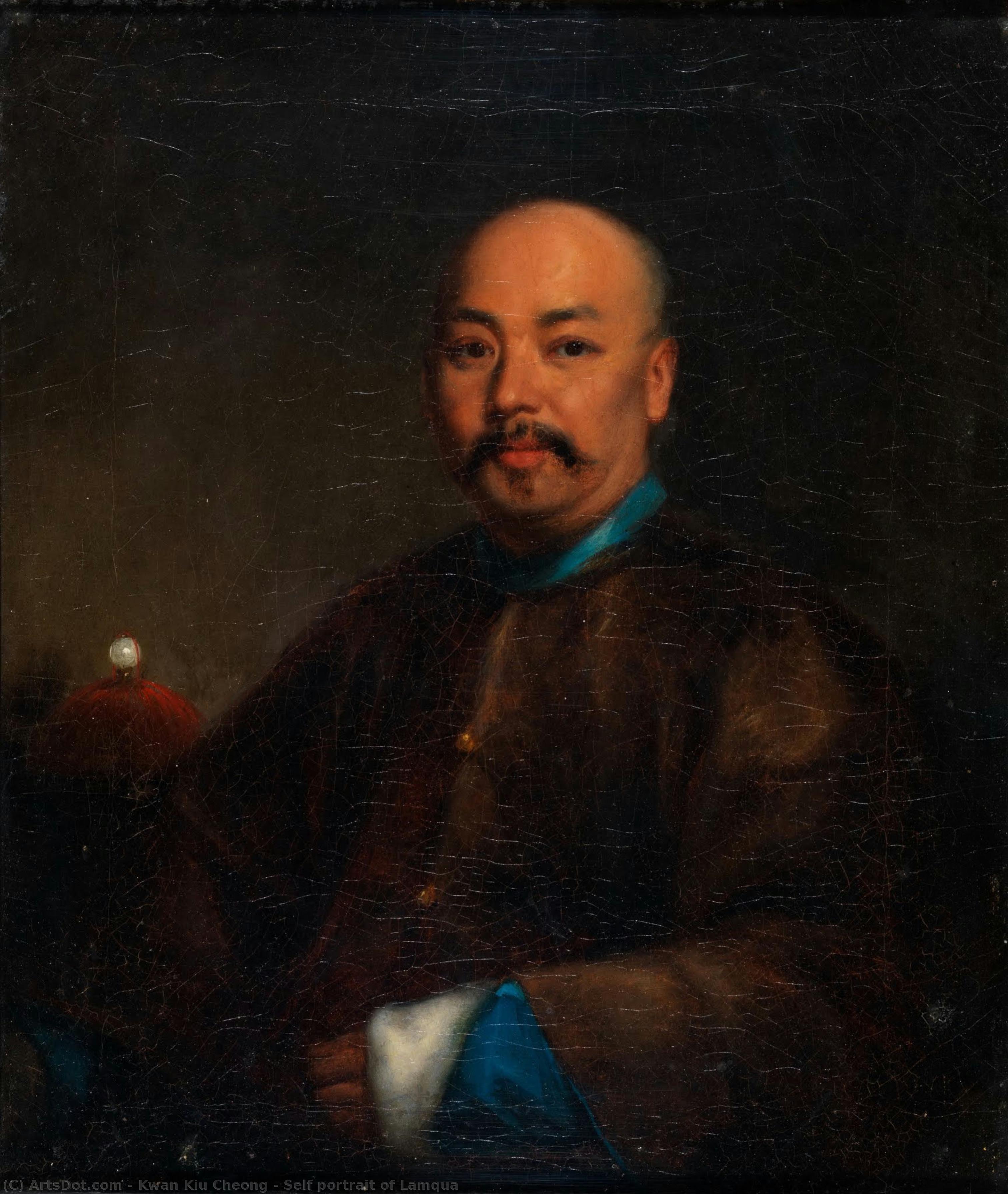
統計情報Self portrait of Lamqua
 Watercolor
- WallArt
- Western Portraiture
 19th Century
 24.0 x 30.0 cm
 香港藝術館
香港藝術館
 詳細を見る
詳細を見る
オンラインプレビューをはるかに凌ぐ、高解像度で鮮明なデジタル画像をご購入いただけます。
各ファイルは、社内の専門家が高度なツールと熟練した手作業によるレタッチを用いて、細心の注意を払って準備されています。すべての画像において、卓越した鮮明度、正確な色彩再現性、そして繊細なディテールを保証いたします。
最終ファイルは、プロフェッショナルな編集・印刷環境ですぐにご利用いただけるよう最適化された状態で、72時間以内にメールにてお届けいたします。これは、一流のデザインスタジオ、出版社、ギャラリーから信頼されているものと同等の品質です。
デジタルアート
個人での鑑賞、印刷、クリエイティブなプロジェクト用に、高解像度ファイルをダウンロードできます。 ( プリント版に切り替え 手描きの絵画を購入)
デジタル画像のご注文に付随する特典
高品質なデジタル画像配信を、確かな品質で。
ArtsDot.com を選ぶことは、単に画像を手に入れることではありません。それは、プロの手によって精密に仕上げられ、満足保証が付いた高品質なデジタルアートワークを受け取ることを意味します。ご注文いただいた際に自動的に付随する内容は、以下の通りです:

メールですぐにお届け
ご注文から72時間以内に、高解像度のデジタル画像ファイルがメールでお手元に届きます。すぐにそのままご利用いただけます。

AI技術で最適化されたデジタルファイル
お客様の作品は、高度なAIツールと専門家による手作業の編集を組み合わせてプロフェッショナルに最適化されており、細部のディテール、鮮明さ、そして正確な色再現性を最大限に引き出しています。

一生涯無料の再送サービス
ファイルを誤って削除したり、紛失してしまったりしましたか?ご安心ください。いつでも無料で再送いたします。

輸入手数料は一切かかりません
関税や手数料、配送料を気にすることなく、お気に入りのアートワークをすぐにお楽しみいただけます。デジタルダウンロードは常に免税です。

色彩再現の保証
プロ仕様のツールとカラーマネジメント技術を用いることで、デジタル画像が元の色を最大限に忠実に再現することを保証いたします。

100日間満足保証
ご購入いただいたデジタル画像にご満足いただけない場合は、100日以内であれば、理由を問わず修正または100%の返金対応をさせていただきます。

100% 返金保証
ご満足いただけない場合は、デジタルファイルを受け取ってから100日以内であれば、理由を問わず全額返金いたします。

まとめ買い割引
3枚購入で10%OFF - 5枚購入で15%OFF - 10枚以上購入で20%OFF。クリエイティブなプロジェクト、ギャラリー、エージェンシーに最適です。
A Mirror of Two Worlds: The Visionary Self-Portrait of Lam Qua
In the quiet, dimly lit interiors of mid-19th century Canton, a profound artistic metamorphosis was taking place, captured forever in the gaze of Kwan Kiu Cheong. Known to history as Lam Qua, this pioneering figure stands as a bridge between the venerable traditions of the East and the emerging realism of the West. His self-portrait is not merely a likeness of a man; it is a breathtaking testament to a cultural intersection. Through the masterful use of light and shadow, Lam Qua invites us into a moment of deep introspection, where the artist’s identity is forged in the delicate tension between his Chinese heritage and the Western techniques he so brilliantly adopted.
The composition of this remarkable work reveals a man of immense presence. Clad in a rich blue robe, Lam Qua sits with a dignified composure that commands the viewer's attention. The meticulous rendering of his textured attire—from the heavy folds of the fabric to the subtle sheen of a satin cuff—demonstrates an extraordinary command over materiality. His facial hair, rendered with fine, individual strokes, lends a rugged yet refined character to his visage, while his eyes, fixed directly upon the observer, create an intimate, almost haunting connection that transcends the decades separating us from his era.
The Alchemy of Technique and Tradition
What makes this self-portrait a masterpiece of technical fusion is Lam Qua’s sophisticated application of tonal gradation. Influenced by the British painter George Chinnery, the artist moved away from the flat, linear traditions of classical Chinese ink painting toward a more volumetric approach. By layering thin, translucent washes of pigment, he achieved a luminous quality that mimics the natural play of light across skin and silk. This technique allows for a soft, atmospheric depth that breathes life into the scene, making the subject feel tangible and present.
The artist likely utilized a mirror to achieve such exacting precision, a method that allowed him to observe the subtle nuances of his own features with scientific accuracy. This dedication to realism was not just an aesthetic choice but a professional hallmark, as Lam Qua would later become renowned for his precise medical illustrations. In this self-portrait, we see the seeds of that precision blossoming into high art, where every shadow cast in the background and every highlight on the face serves to build a three-dimensional reality within a two-dimensional plane.
A Window into the Qing Dynasty Social Fabric
Beyond the individual, the painting serves as a poignant historical document of Qing Dynasty society. The presence of secondary figures flanking the central subject and the inclusion of a simple bowl suggest a scene of quiet social ritual—perhaps a moment of hospitality or intellectual exchange. These elements hint at the importance of communal connection and the contemplative lifestyle of the educated class in Hong Kong and Canton during this period. The dimly lit setting evokes a sense of privacy and scholarly focus, characteristic of an era where art and medicine were deeply intertwined with the observation of the natural world.
For the discerning collector or interior designer, this reproduction offers more than just visual beauty; it provides a conversation piece steeped in historical significance. It is a work that brings a sense of intellectual gravity and timeless elegance to any space. Whether placed in a study, a gallery, or a sophisticated living area, the Self-portrait of Lam Qua acts as an anchor of culture, reminding all who view it of the enduring power of human creativity to bridge even the widest of cultural divides.
関連作品
作家の略歴
Kwan Kiu Cheong (Lam Qua): A Pioneer of Western Portraiture in China
Kwan Kiu Cheong, more commonly known as Lam Qua, was a remarkable Chinese painter who flourished during the Qing Dynasty (1801-1860). Originating from the Canton province, he distinguished himself through his exceptional ability to create portraits in a Western style, catering primarily to foreign clientele residing in China. His groundbreaking achievement of being the first Chinese artist exhibited in the West solidified his place in art history and significantly impacted the development of medical portraiture.
Early Life, Training & Influences
Born in 1801 in Canton province, Kwan Kiu Cheong’s early life remains somewhat shrouded in mystery. While definitive proof is lacking, it's widely believed he studied under George Chinnery, a British painter who was among the first Western artists to establish himself in China. Chinnery himself denied this direct mentorship; however, Lam Qua’s portraiture style bears striking resemblances to Chinnery’s work, suggesting a strong influence, whether formal or informal.
Medical Portraiture & Collaboration with Peter Parker
A Defining Partnership: A pivotal aspect of Kwan Kiu Cheong's career was his extensive collaboration with Peter Parker, an American medical missionary. From 1836 to 1855, Lam Qua meticulously produced a series of medical portraits depicting patients undergoing treatment under Parker’s care. These paintings form the core of the Peter Parker Collection, housed at Yale University within the Harvey Cushing/John Hay Whitney Medical Library. Additional examples can be found in the Gordon Museum at Guy's Hospital, London.
- Historical Significance: The Peter Parker collection provides invaluable insights into 19th-century medical practices and patient demographics in China. Lam Qua’s portraits are not merely artistic representations; they serve as historical documents, capturing the physical characteristics and conditions of individuals during a crucial period.
- Artistic Documentation: The meticulous detail in each portrait offers a glimpse into the medical understanding of the time, showcasing both advancements and limitations in diagnosis and treatment.
Style, Achievements & Historical Significance
Lam Qua’s artistic style was characterized by a unique fusion of Eastern and Western techniques. He skillfully blended Chinese painting traditions with Western portraiture conventions, resulting in works that were both aesthetically pleasing and culturally significant.
- Blending Techniques: While adopting the Western approach to portraiture – focusing on realistic representation and individual likeness – Lam Qua retained elements of traditional Chinese art, such as a subtle use of color and an emphasis on capturing the essence or spirit of the subject.
- Major Achievements: His most significant achievement was undoubtedly his pioneering role in introducing Western-style portraiture to China. He successfully catered to the demand for portraits among foreign residents, establishing himself as a sought-after artist.
- Historical Significance: Lam Qua’s work holds immense historical significance as it provides valuable insights into 19th-century Chinese society and its interactions with the West. His portraits serve as visual records of individuals who played important roles in shaping this era.
Kwan Kiu Cheong (Lam Qua) remains a testament to artistic innovation and cross-cultural exchange, leaving behind a legacy that continues to inspire and inform art historians and enthusiasts alike. His ability to bridge Eastern and Western traditions solidified his place as a pioneer in Chinese art history.
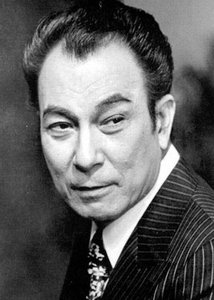
kwan kiu cheong
1801 - 1860 , China
プロフィール概要
- Artistic Movement Or Style: Western-style portraiture
- Artists Or Movements Influenced By This Artist: ['Medical portraiture']
- Artists Who Influenced This Artist: ['George Chinnery']
- Date Of Birth: 1801
- Date Of Death: 1860
- Full Name: Kwan Kiu Cheong (Lam Qua)
- Nationality: Chinese
- Notable Artworks: ['Self Portrait of Lamqua']
- Place Of Birth: Guangzhou, China