

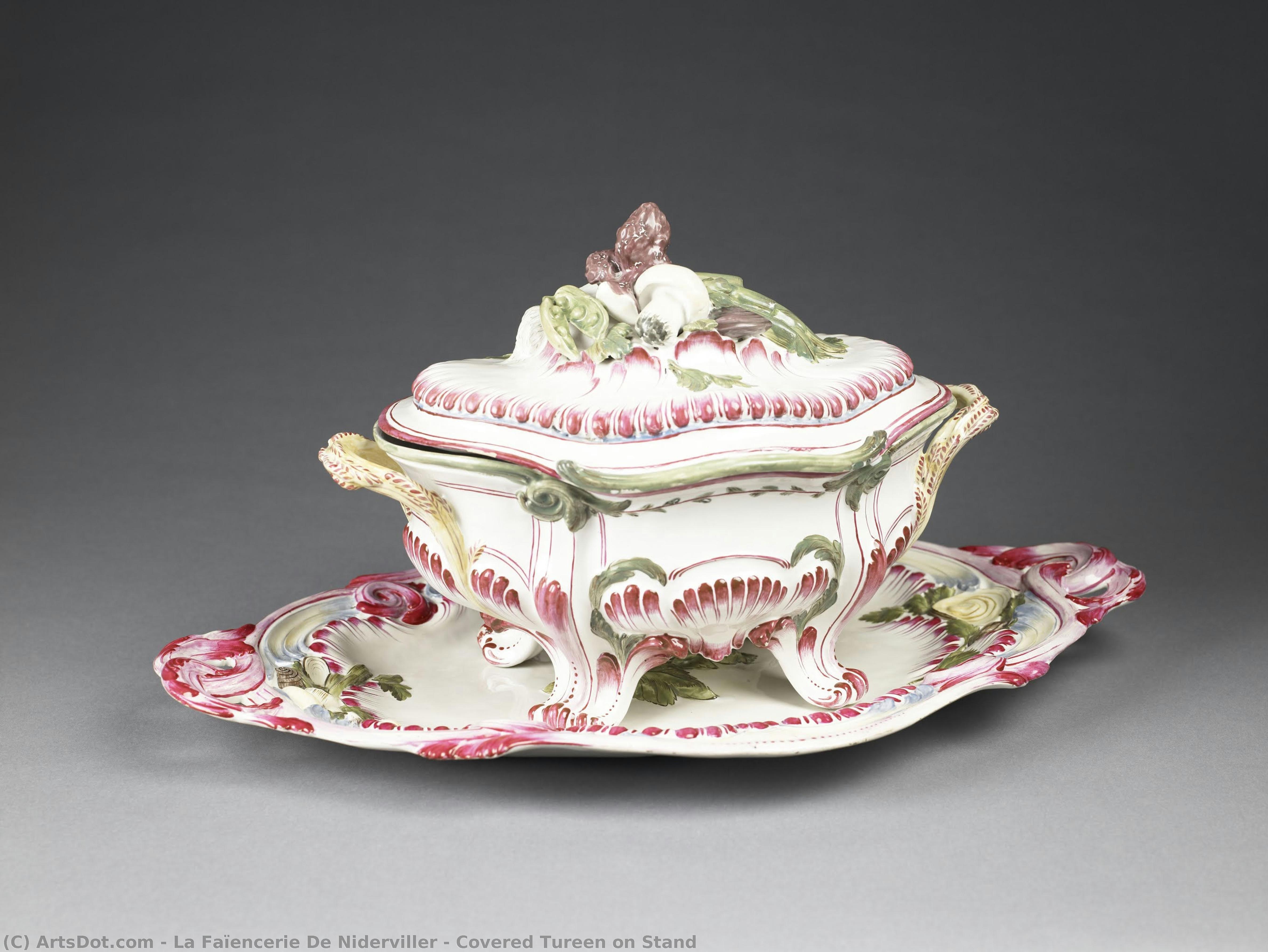
 プレビュー
プレビュー
 シェアする
シェアする シェアする
シェアする
 詳細を見る
詳細を見る

 ダウンロード
 似ている作品
 X線調査
X線調査 スライドショー
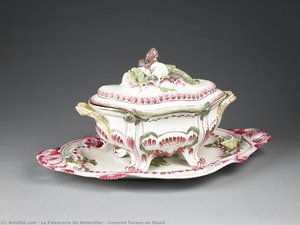
Covered Tureen on Stand

 詳細を見る
詳細を見る
ジークレー/アートプリント
迅速な制作と多彩な仕上げオプションを備えた、ミュージアムクオリティのジークレーまたはキャンバスプリント。 ( 手描きの絵画を購入 画像を購入)




































作品のオリジナル比率に合わせた、当店の規定サイズからお選びください。

特定のフレームやスペースに合わせて、ご自身でサイズを指定することも可能です。選択されたサイズが元の画像の比率と一致しない場合、作品をトリミングするか、鏡面反射または単色での塗りつぶしによって画像を拡張いたします。制作を開始する前に、ご確認用のデジタルモックアップをお送りいたします。
画面上のプレビューには、実際のトリミングや拡張は反映されませんのでご注意ください。最終的な構図を正確に確認できるのは、モックアップのみとなります。
カスタムサイズも承っておりますが、元の比率を維持するためには、あらかじめ用意されたリストからサイズを選択することをお勧めいたします。


 ガラスオプションは、110cm未満のサイズでのみご利用いただけます。

Covered Tureen on Stand
ジークレー/アートプリント
複製画のサイズ
-


合計金額
$ 62






アーティストの略歴
A Legacy Forged in Lorraine: The Enduring Artistry of la faïencerie de Niderviller
Founded in 1735 in the charming village of Niedervillers, France, la faïencerie de niderviller stands as a remarkable testament to the enduring power of artistic tradition. More than just a factory, it represents one of the oldest and most historically significant faience manufacturers in Lorraine, remarkably surviving among the thirty that blossomed during the 18th century. Its story is one of adaptation, innovation, and a dedication to exquisite craftsmanship that continues to resonate today. Notably, Niderviller holds the distinction of being the second porcelain manufacturer in France, but uniquely, it pioneered “porcelain marchande”—porcelain produced for open market sale—a pivotal step in democratizing access to this luxurious art form.
The Embrace of Tradition and Innovation
Niderviller’s success was not born in isolation. Strategically positioned near Germany, the factory astutely absorbed technical expertise – particularly from Meissen, renowned for its porcelain mastery. This willingness to learn and adapt formed a crucial foundation for their early development. However, Niderviller didn't simply imitate; it skillfully blended these influences with the prevailing artistic currents of France, most notably drawing inspiration from the delicate Rococo style championed by artists like Antoine Watteau. The result was a distinctive aesthetic characterized by remarkable finesse and an elegance that often rivaled the prestigious manufacture de Sèvres. The factory’s early productions focused on tableware and decorative objects, quickly gaining recognition for their refined forms and meticulous detailing.
Pink Porcelain: A Signature Style
While Niderviller produced a diverse range of faience and porcelain, it became particularly celebrated for its distinctive pink hues. This signature color, achieved through careful experimentation with enamel recipes, set Niderviller apart from its contemporaries. The soft, romantic tones were often employed in the creation of elaborate tea services, decorative plates adorned with floral motifs, and charming figurines. The factory’s English-style earthenware also gained popularity, reflecting a broader European taste for more informal and picturesque designs. This ability to cater to evolving consumer preferences was key to their longevity.
Baron Beyerlé and the Golden Age
The 19th century witnessed a period of significant growth under the stewardship of Baron Beyerlé. He revitalized the factory, introducing new techniques and expanding its artistic repertoire. Beyerlé’s vision led to the production of increasingly elaborate and ambitious pieces, including large-scale decorative panels, intricate vases, and finely detailed sculptures. This era is often considered Niderviller's “golden age,” marked by a renewed commitment to artistic excellence and a growing international reputation. The factory participated in numerous exhibitions, showcasing its work to a wider audience and solidifying its position as a leading manufacturer of fine porcelain.
Challenges and Enduring Legacy
Despite its long history of success, la faïencerie de niderviller faced challenges in recent years. The parent group, Les Jolies Céramiques Sans Kaolin, declared bankruptcy in 2022. However, the factory itself continues to operate, carrying forward a centuries-old tradition of craftsmanship and artistry. Today, Niderviller remains a vital part of Lorraine’s cultural heritage, offering a unique glimpse into the world of 18th and 19th-century decorative arts. Its legacy is not merely one of beautiful objects; it's a story of resilience, adaptation, and an unwavering commitment to preserving the art of porcelain making for generations to come.
la faïencerie de niderviller
1735 - , France
基本情報
- Artistic Movement Or Style: Faience, Porcelain
- Artists Or Movements Influenced By This Artist: ['Sèvres']
- Artists Who Influenced This Artist:
- Antoine Watteau
- Meissen
- Date Of Birth: 1735
- Full Name: la faïencerie de niderviller
- Nationality: French
- Place Of Birth: Niedervillers, France