

 プレビュー
プレビュー
 シェアする
シェアする シェアする
シェアする
 詳細を見る
詳細を見る

 ダウンロード
 似ている作品
 X線調査
X線調査 スライドショー
 Stats
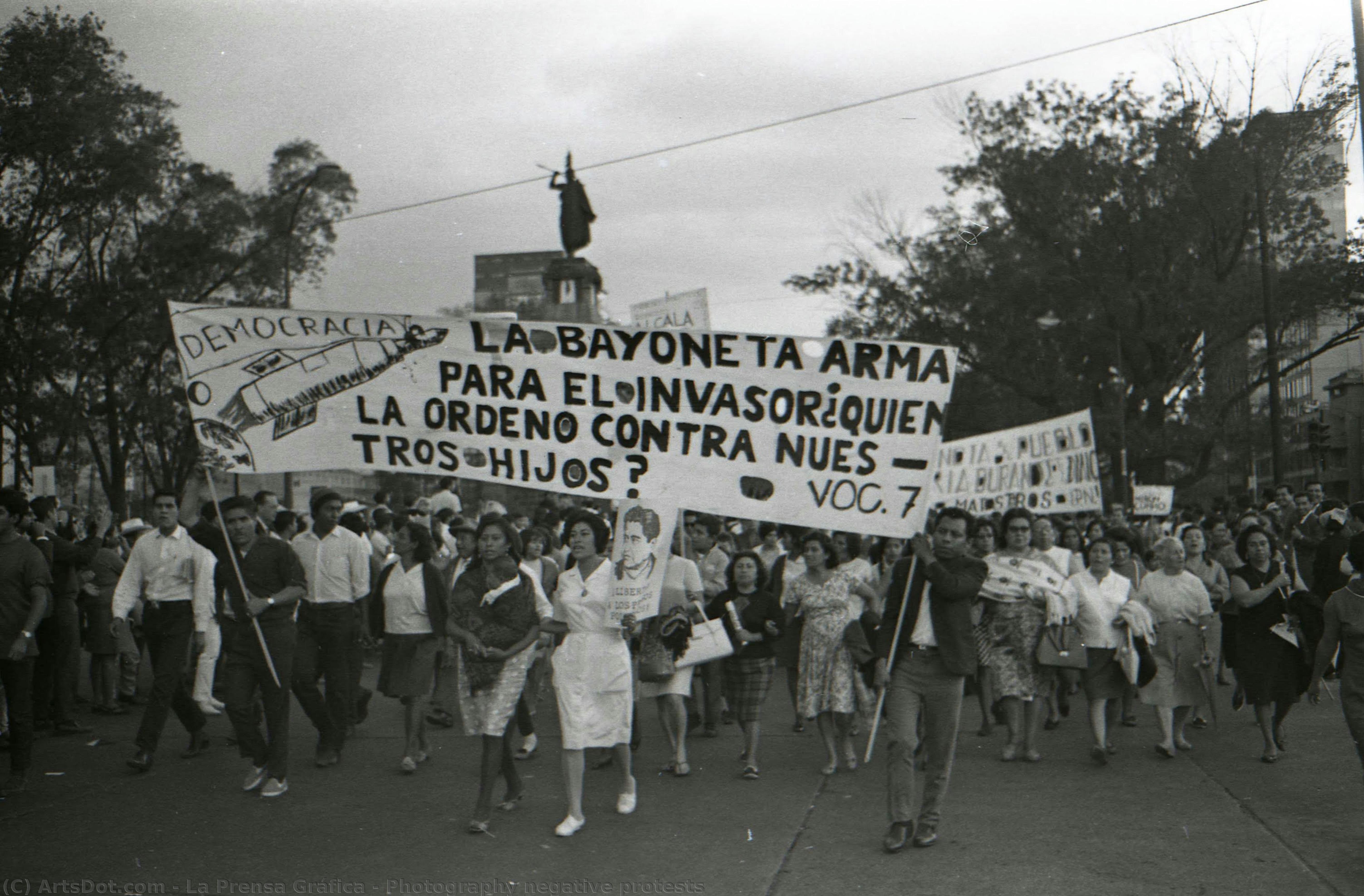
StatsPhotography negative protests
 詳細を見る
詳細を見る
手描き油彩複製画
当社のアーティストが、お客様のご希望のサイズと額縁に合わせて、キャンバスに手描きで制作する油彩画です。 ( Switch to Print Switch to Digital Image)




































作品のオリジナル比率に合わせた、当店の規定サイズからお選びください。

特定のフレームやスペースに合わせて、ご希望のサイズをご入力いただけます。選択されたサイズが元の画像の比率と異なる場合、アートワークをトリミングするか、手描きで要素を追加して絵画を拡張いたします。デジタルモックアップ を制作し、制作開始前にご確認(承認)をいただきます。
画面上のプレビューは、実際のトリミングや拡張を正確に反映しているものではありません。最終的な構図は、モックアップによってのみ正確にご確認いただけます。
カスタムサイズもご利用いただけますが、元の比率を維持するためには、あらかじめ用意されたリストからサイズを選択することをお勧めいたします。
ご注文後、ArtsDot.com チームより詳細な指示をお送りするとともに、仕上がりイメージ(モックアップ)をご提供いたします。


 ガラスオプションは、110cm未満のサイズでのみご利用いただけます。

Photography negative protests
複製技法
複製画のサイズ
-


合計金額
$ 488
関連作品









アーティストの略歴
The Enduring Voice: A Biography of La Prensa Gráfica
Born amidst the burgeoning press of early 20th-century Central America, La Prensa Gráfica stands as a monumental testament to journalistic perseverance and the vital role of a free press in shaping national identity. Established in El Salvador on May 10, 1915, by the Dutriz brothers – Antonio and José – it wasn’t merely a newspaper; it was an audacious declaration against the prevailing currents of censorship and political control. From its humble beginnings as a four-page broadsheet, La Prensa quickly evolved into a cornerstone of Salvadoran public discourse, chronicling the nation's triumphs, struggles, and ultimately, its turbulent journey through revolution and dictatorship.
The early years were marked by a commitment to objective reporting and investigative journalism – a rarity in an era dominated by partisan propaganda. Antonio Dutriz, initially at the helm, instilled a sense of integrity that would become a defining characteristic of the publication. However, it was José Dutriz’s continued leadership, spanning decades, who solidified La Prensa's position as a respected voice within El Salvador. His astute management navigated periods of intense political upheaval, including the repressive regime of General Maximiliano Hernández Martínez, where journalists faced imprisonment and persecution for their reporting. This period underscored the newspaper’s commitment to truth-telling, even in the face of overwhelming pressure.
A Chronicle of Revolution and Resilience
The mid-20th century witnessed La Prensa Gráfica playing a pivotal role in documenting the rise of leftist movements and the subsequent civil war (1960-1979). The newspaper became a crucial platform for disseminating information about guerrilla activities, government repression, and the plight of refugees. Its coverage was often courageous, exposing human rights abuses and challenging the official narrative. During this era, journalists within La Prensa risked their lives to bring the realities of the conflict to light, earning them both admiration and animosity from various factions.
Following the end of the civil war, La Prensa Gráfica continued to operate under increasingly restrictive conditions. The military junta that seized power in 1980 imposed strict censorship, limiting press freedom and targeting journalists critical of the regime. Despite these challenges, the newspaper persisted, adapting its strategies while maintaining its commitment to independent reporting. The appointment of José Quetglas as director in 1939 marked a significant moment, ushering in an era of renewed editorial independence and a focus on investigative journalism.
Color and Controversy: A Technological Leap
A defining achievement in La Prensa Gráfica’s history was its pioneering adoption of color printing in Central America – a feat accomplished in 1916. This bold move not only distinguished the newspaper from its monochrome competitors but also symbolized a commitment to visual storytelling and a more engaging reading experience. The use of color became synonymous with La Prensa, instantly recognizable and deeply ingrained in the public consciousness. However, this innovation also attracted criticism from conservative elements who viewed it as frivolous and unnecessary.
Legacy and Contemporary Challenges
Throughout its long history, La Prensa Gráfica has weathered numerous storms – economic downturns, political instability, and periods of intense censorship. Despite these challenges, the newspaper has remained a vital source of news and information for Salvadorans. However, in recent years, La Prensa has faced significant financial difficulties, leading to staff reductions and operational adjustments. The rise of digital media and the changing landscape of journalism pose ongoing threats to traditional print publications like La Prensa Gráfica. Nevertheless, its legacy as a champion of press freedom and a chronicler of El Salvador’s history endures, reminding us of the crucial role that independent journalism plays in a democratic society.
Notable Figures
- José Dutriz: Founder and driving force behind La Prensa's establishment.
- José Quetglas: Director who oversaw the merger with El Gráfico and navigated challenging political times.
- Rodolfo Dutriz: Continued leadership during a period of significant change and adaptation.
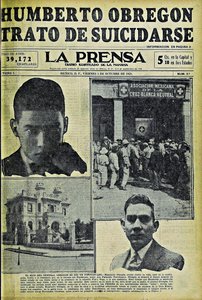
la prensa gráfica
El Salvador
基本情報
- Artistic Movement Or Style: Newspaper
- Artists Or Movements Influenced By This Artist: ['Grupo Dutriz']
- Artists Who Influenced This Artist:
- Antonio Dutriz
- José Dutriz
- Date Of Birth: May 10, 1915
- Full Name: La Prensa Gráfica
- Nationality: Salvadoran
- Notable Artworks: ['Various daily editions']
- Place Of Birth: El Salvador