

 プレビュー
プレビュー
 シェアする
シェアする シェアする
シェアする
 詳細を見る
詳細を見る

 ダウンロード
 似ている作品
 X線調査
X線調査 スライドショー
 Stats
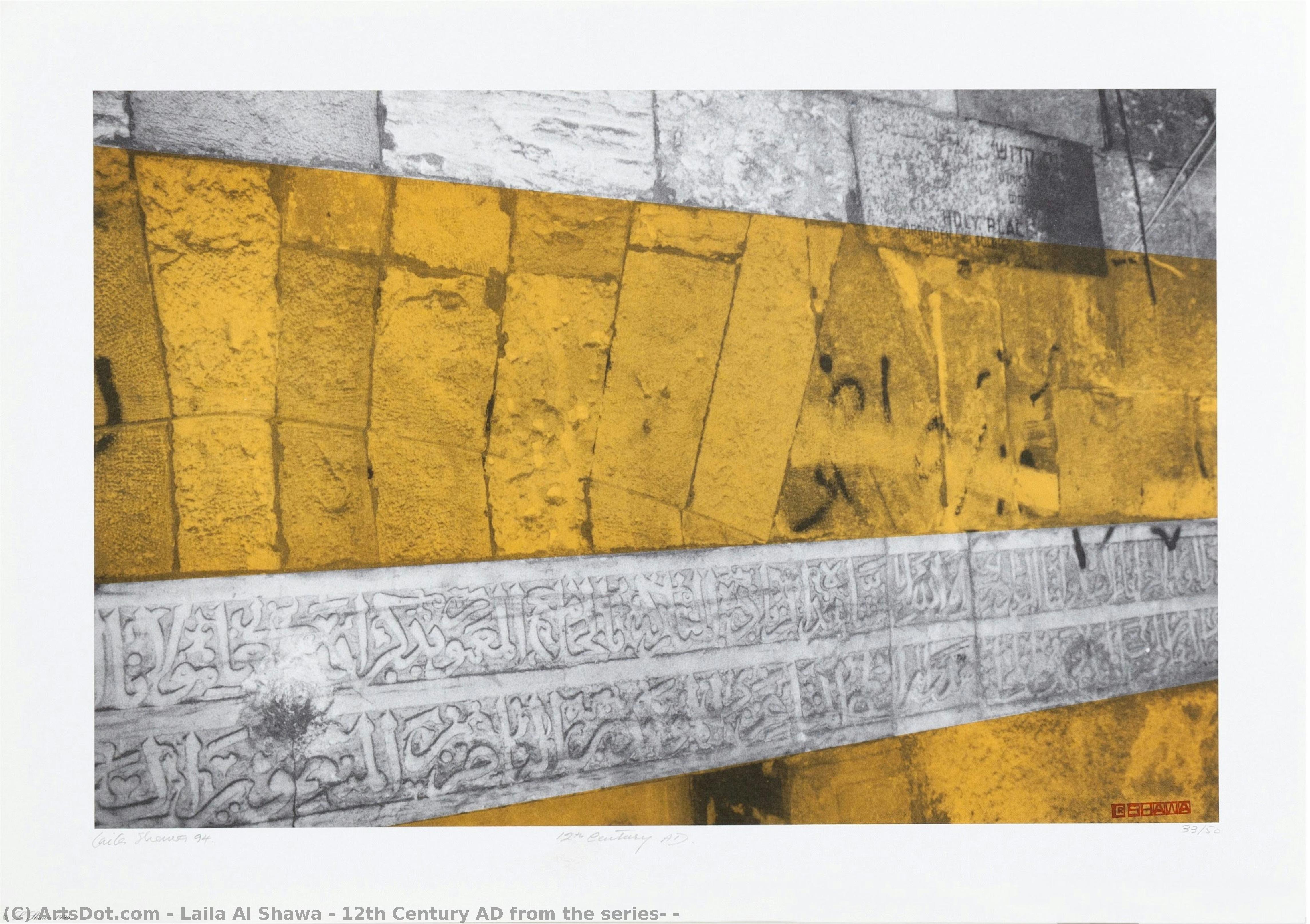
Stats12th Century AD from the series,
 Silkscreen
- Contemporary Art
 1994
1994- Contemporary
 48.0 x 70.0 cm
 Contemporary Art Platform
 詳細を見る
詳細を見る
手描き油彩複製画
当社のアーティストが、お客様のご希望のサイズと額縁に合わせて、キャンバスに手描きで制作する油彩画です。 ( Switch to Print Switch to Digital Image)




P118B $10

P118H $10

P118W $10

P438Z $10

P508JH $12

P508YH $12

P805H $10

P805Z $10

P919BZ $10

P919G $10

P919XJ $10

P959ZH $10

P968JZ $12

W106C $8

W218G $10

W218JH $8

W218Y $10

W307PJ $10

W316G $10

W316PJ $8

W316Y $10

W398PJ $8

W4111J $10

W500HY $15

W500JH $15

W692G $12

W849H $8

W940BG $15

W953PJ $8




作品のオリジナル比率に合わせた、当店の規定サイズからお選びください。

特定のフレームやスペースに合わせて、ご希望のサイズをご入力いただけます。選択されたサイズが元の画像の比率と異なる場合、アートワークをトリミングするか、手描きで要素を追加して絵画を拡張いたします。デジタルモックアップ を制作し、制作開始前にご確認(承認)をいただきます。
画面上のプレビューは、実際のトリミングや拡張を正確に反映しているものではありません。最終的な構図は、モックアップによってのみ正確にご確認いただけます。
カスタムサイズもご利用いただけますが、元の比率を維持するためには、あらかじめ用意されたリストからサイズを選択することをお勧めいたします。
ご注文後、ArtsDot.com チームより詳細な指示をお送りするとともに、仕上がりイメージ(モックアップ)をご提供いたします。


 ガラスオプションは、110cm未満のサイズでのみご利用いただけます。

12th Century AD from the series,
複製技法
複製画のサイズ
-


合計金額
$ 263
A Whisper from the Past: The Textural Legacy of Laila Al Shawa
In the evocative piece 12th Century AD, the late Palestinian master Laila Al Shawa invites us into a profound dialogue between the permanence of stone and the fleeting nature of human expression. This work, part of a larger series, functions as a visual meditation on time itself. At first glance, the viewer is confronted by a rugged, weathered surface—a wall that feels as though it has endured centuries of sun, wind, and conflict. The artist utilizes a striking monochromatic foundation to establish a sense of antiquity, where the interplay of light and shadow breathes life into the cracks and crevices of the stone or brickwork. This textured landscape serves not merely as a backdrop but as a silent witness to the passage of eras.
The true soul of the composition lies in the delicate, rhythmic dance of Arabic script etched across this ancient surface. While the photograph captures the piece in a stark black and white, the underlying essence of Al Shawa’s technique suggests a vibrant tension between the monochromatic masonry and the intentionality of the writing. The calligraphy acts as a layer of human consciousness superimposed upon the inanimate earth. There is a haunting beauty in how the script clings to the uneven topography of the wall, suggesting that even when civilizations fade, their voices, their prayers, and their histories remain inscribed in the very fabric of their environment.
Technique and the Art of Visual Narrative
Laila Al Shawa was renowned for her ability to merge contemporary political urgency with traditional artistic mediums. In 12th Century AD, we see a masterful application of texture that borders on the sculptural. Her approach often involved complex layering, where the grit of the medium mirrors the grit of the subject matter. The precision of the script against the coarse, detailed patterns of the wall demonstrates a sophisticated control over contrast. This juxtaposition creates a sensory experience for the viewer; one can almost feel the roughness of the stone beneath their fingertips while tracing the fluid, elegant curves of the ancient characters.
For the discerning collector or interior designer, this piece offers a unique opportunity to introduce a sense of historical weight and cultural depth into a contemporary space. The artwork does not merely decorate a room; it anchors it. Its presence evokes a contemplative atmosphere, making it an ideal centerpiece for galleries, libraries, or sophisticated residential studies where themes of heritage and resilience are celebrated. As a high-quality reproduction, the intricate details of the masonry and the delicate nuances of the calligraphy are preserved, allowing the emotional gravity of Al Shawa’s vision to resonate within any modern architectural setting.
Symbolism and Emotional Resonance
Beyond its aesthetic allure, 12th Century AD carries a heavy symbolic burden. The choice of an ancient wall as a canvas speaks to the concept of memory—how we build upon the ruins of the past and how our identities are inextricably linked to the landscapes we inhabit. The Arabic script serves as a bridge between the contemporary struggle for identity and a glorious, storied history. It is a testament to endurance; despite the weathering of time and the scars of history, the written word remains legible, a persistent heartbeat within the stone.
To gaze upon this work is to experience a profound sense of nostalgia and reverence. It stirs an emotional response that is both melancholic and empowering. There is a quiet strength in the way the artwork presents its subject, reminding us that beauty often resides in the weathered, the broken, and the ancient. For those seeking art that transcends mere decoration to offer a window into the human spirit, Al Shawa’s work provides an unparalleled journey through the layers of time and culture.
関連作品
アーティストの略歴
early life and artistic beginnings
laila al shawa, a prominent palestinian visual artist, was born in 1940 in gaza city. her father, rashad al-shawa, an activist and former mayor of gaza city, instilled in her a strong sense of political awareness from a young age. this foundation would later influence her artistic style, which often reflected the politics of her country and the injustices she witnessed.artistic style and techniques
al shawa's artwork, encompassing paintings, sculptures, and installations, frequently incorporated photographs as the base for silkscreen printing. this unique approach allowed her to convey the complexities of her experiences and the plight of her people. her use of bold colors and evocative imagery created a visual narrative that resonated with audiences worldwide.- untitled (1970), a collection of photographs, showcases al shawa's early experimentation with silkscreen printing.
- a journey through the intifada (1985), a series of paintings, captures the essence of her people's struggle for freedom and justice.
international recognition and exhibitions
al shawa's work has been internationally exhibited and is displayed in many public and private collections, including the british museum. her contributions to the arabic revolutionary contemporary art scene have solidified her position as one of the most prolific artists of her time. notable exhibitions:**- "a journey through art history with ArtsDot’s extensive collection"
- laila al shawa's artworks at ArtsDot.com
legacy and impact
through her art, laila al shawa has left an indelible mark on the world. her passing in 2022 has not diminished the significance of her work, which continues to inspire new generations of artists and activists alike. explore more of laila al shawa's artwork and its significance:**- the museum private collection nimes, france
- discover the stories behind her art at ArtsDot.com
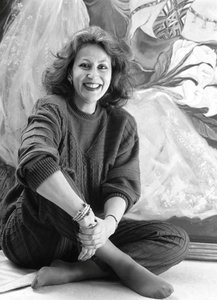
laila al shawa
1940 - 2022 , Palestine
基本情報
- Artistic Movement Or Style: Expressionism, Cubism, Surrealism
- Artists Or Movements Influenced By This Artist: ['Bauhaus']
- Artists Who Influenced This Artist: ['Wassily Kandinsky']
- Date Of Birth: 1879-12-18
- Date Of Death: 1940-06-29
- Full Name: Paul Klee
- Nationality: Swiss, German
- Notable Artworks:
- Ships in the Dark
- Autumn
- Klee Notebooks
- Place Of Birth: Bern, Switzerland
関連記事
Transforming Spaces: A Comprehensive Exploration of Wall Decor Through Art History & Contemporary Practice
Explore the art of transforming spaces with our comprehensive guide to wall decor. From historical movements to contemporary trends, discover how to curate impactful interiors and commission bespoke artwork for a truly personalized aesthetic.
高級デザインにおけるフレスコ画の隆盛:壁画芸術の再興と新たな表現
ホテルデザインを格上げするフレスコ画の魅力とは?古代から現代までの歴史、技法、デザインプロセスを解説。ArtsDot.comでカスタムオーダーも可能です。空間を彩る壁画芸術の世界をご体験ください。
Stone & Canvas: 10 Masterpieces of Timeless Art |
Explore 10 iconic paintings dominated by 'stone' tones – from Caravaggio’s drama to Rembrandt’s depth. Discover art history, techniques & find museum-quality reproductions for your home at .
The Magic of Collage: How to Layer Texture and Story into Your Home Decor
Elevate your interiors with the magic of collage. Discover expert tips on layering texture, 3D elements, and personal narratives through mixed media art to create a soulful, sophisticated home decor experience.
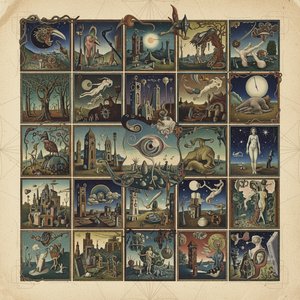
マックス・エルンスト傑作25選:シュルレアリスムの深淵と装飾への誘い
マックス・エルンストの傑作25選。シュルレアリスムを代表する画家、その夢と無意識の世界を描いた絵画や版画を紐解きます。リビングやオフィスに飾るモダンアート、インテリアに最適な作品を見つけませんか?ArtsDot.comで全コレクションをオンラインで探す。