

 プレビュー
プレビュー
 シェアする
シェアする シェアする
シェアする
 詳細を見る
詳細を見る

 ダウンロード
 似ている作品
 X線調査
X線調査 スライドショー
 統計情報
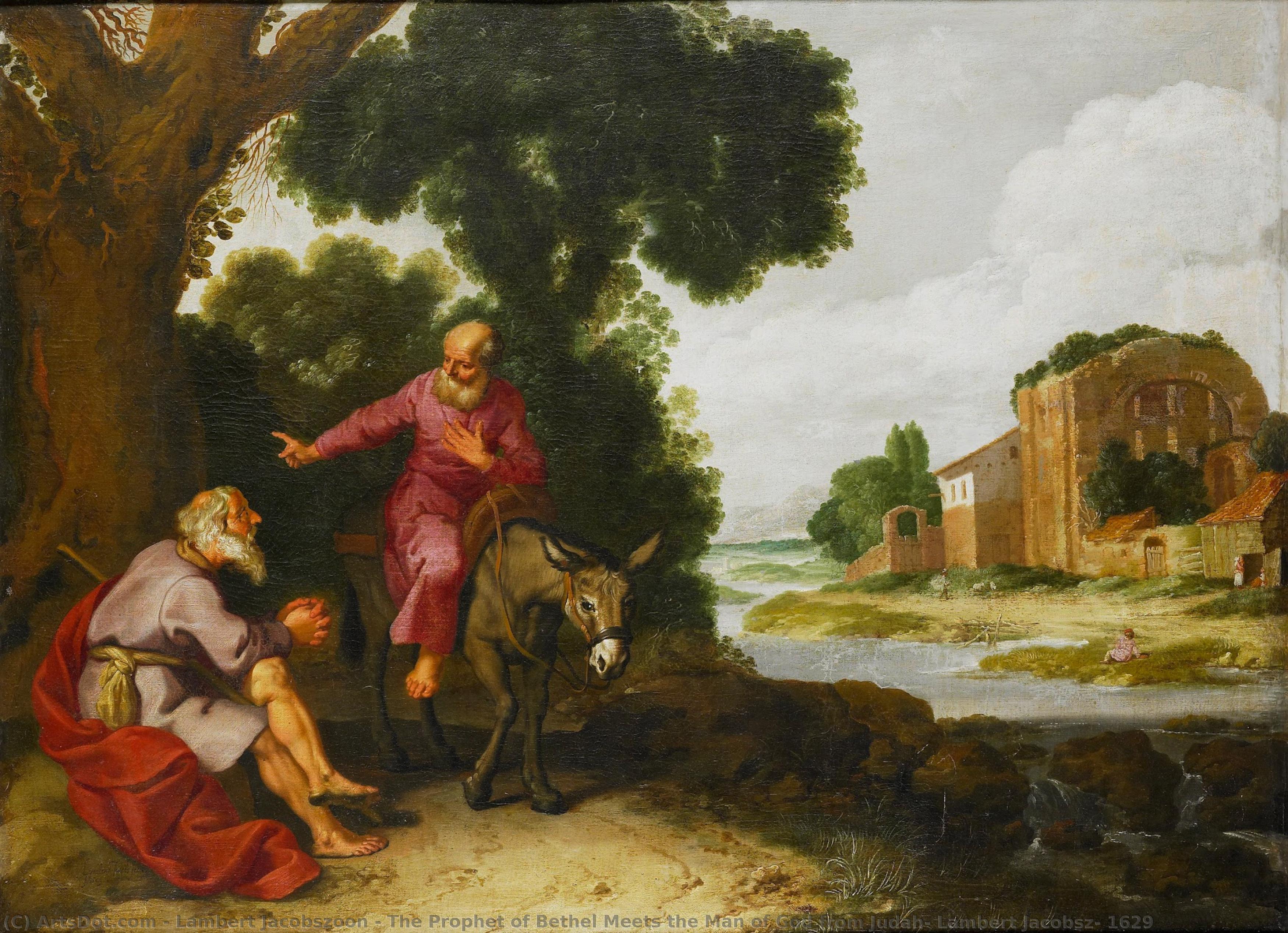
統計情報The Prophet of Bethel Meets the Man of God from Judah, Lambert Jacobsz, 1629
 1629
1629 83.0 x 111.0 cm
 詳細を見る
詳細を見る
オンラインプレビューをはるかに凌ぐ、高解像度で鮮明なデジタル画像をご購入いただけます。
各ファイルは、社内の専門家が高度なツールと熟練した手作業によるレタッチを用いて、細心の注意を払って準備されています。すべての画像において、卓越した鮮明度、正確な色彩再現性、そして繊細なディテールを保証いたします。
最終ファイルは、プロフェッショナルな編集・印刷環境ですぐにご利用いただけるよう最適化された状態で、72時間以内にメールにてお届けいたします。これは、一流のデザインスタジオ、出版社、ギャラリーから信頼されているものと同等の品質です。
デジタルアート
個人での鑑賞、印刷、クリエイティブなプロジェクト用に、高解像度ファイルをダウンロードできます。 ( プリント版に切り替え 手描きの絵画を購入)
デジタル画像のご注文に付随する特典
高品質なデジタル画像配信を、確かな品質で。
ArtsDot.com を選ぶことは、単に画像を手に入れることではありません。それは、プロの手によって精密に仕上げられ、満足保証が付いた高品質なデジタルアートワークを受け取ることを意味します。ご注文いただいた際に自動的に付随する内容は、以下の通りです:

メールですぐにお届け
ご注文から72時間以内に、高解像度のデジタル画像ファイルがメールでお手元に届きます。すぐにそのままご利用いただけます。

AI技術で最適化されたデジタルファイル
お客様の作品は、高度なAIツールと専門家による手作業の編集を組み合わせてプロフェッショナルに最適化されており、細部のディテール、鮮明さ、そして正確な色再現性を最大限に引き出しています。

一生涯無料の再送サービス
ファイルを誤って削除したり、紛失してしまったりしましたか?ご安心ください。いつでも無料で再送いたします。

輸入手数料は一切かかりません
関税や手数料、配送料を気にすることなく、お気に入りのアートワークをすぐにお楽しみいただけます。デジタルダウンロードは常に免税です。

色彩再現の保証
プロ仕様のツールとカラーマネジメント技術を用いることで、デジタル画像が元の色を最大限に忠実に再現することを保証いたします。

100日間満足保証
ご購入いただいたデジタル画像にご満足いただけない場合は、100日以内であれば、理由を問わず修正または100%の返金対応をさせていただきます。

100% 返金保証
ご満足いただけない場合は、デジタルファイルを受け取ってから100日以内であれば、理由を問わず全額返金いたします。

まとめ買い割引
3枚購入で10%OFF - 5枚購入で15%OFF - 10枚以上購入で20%OFF。クリエイティブなプロジェクト、ギャラリー、エージェンシーに最適です。
関連作品








作家の略歴
A Life Defined by Faith and the Golden Age
Born around 1598 in the bustling, maritime atmosphere of Amsterdam, Lambert Jacobszon lived a life that was as much defined by spiritual devotion as it was by artistic pursuit. Growing up within the vibrant tapestry of the Dutch Mennonite community, his early years were shaped by the profound religious shifts of the Protestant Reformation. This dual identity—as both a painter and a preacher—infused his work with a unique gravity, where every brushstroke served to illuminate the sacred narratives of the Old Testament. His existence was a delicate balance between the earthly pursuit of aesthetic mastery and an unwavering commitment to the tenets of his faith, a tension that would eventually manifest in the dramatic emotional depth of his canvases.
The trajectory of Jacobszon’s career was marked by significant connections to some of the most influential figures of the Dutch Golden Age. His formative training under Jan Pynas provided him with a foundation in the humanist ideals and Renaissance spirit that were sweeping through the Netherlands. However, it was his role as a mentor and contemporary to rising stars like Govaert Flinck and Jacob Adriaensz Backer that cemented his place within the artistic lineage of his era. These relationships were not merely professional; they represented a shared movement toward a more expressive, character-driven style of painting that would come to define the century.
The Shadow of Rembrandt and the Mastery of Light
To understand the soul of Jacobszon’s technique, one must look toward the towering presence of Rembrandt Harmenszoon van Rijn. While their relationship was complex—alternating between that of mentor and rival—the influence of Rembrandt is unmistakable within Jacobszon’s oeuvre. The master’s use of chiaroscuro, that breathtaking interplay of profound shadow and piercing light, became a cornerstone of Jacobszon’s visual language. He adopted this method not merely as a technical trick, but as an emotional tool to heighten the drama of his biblical subjects, allowing light to act as a divine messenger within the darkness of his compositions.
His ability to manipulate texture and atmosphere allowed him to breathe life into historical figures, transforming static religious icons into palpable, breathing entities. In works such as “The Prophet of Bethel Meets the Man of God from Judah,” Jacobszon demonstrates a remarkable command over narrative tension. He captures the precise moment of deception and vulnerability, using the landscape and the positioning of his protagonists to guide the viewer’s eye through a story of disobedience and consequence. His style was characterized by this very dynamism—a refusal to let the sacred remain distant, choosing instead to bring the weight of scripture into the immediate, visceral reality of the viewer.
Legacy and the End of an Era
The later years of Jacobszon’s life took him to Leeuwarden, a city that would become both a sanctuary for his remaining works and the site of his untimely passing. In 1636, during a devastating outbreak of the plague, the artist’s life was cut short, leaving behind a legacy that was deeply intertwined with the local community he served as a preacher. Though his life ended abruptly, his influence rippled through the next generation of Dutch masters, most notably through his son, Abraham Lambertsz van den Tempel, who would carry forward the traditions of the Golden Age.
Today, the historical significance of Lambert Jacobszon lies in his ability to bridge the gap between the spiritual and the theatrical. His paintings remain vital testaments to a period when art was used to explore the deepest recesses of human morality and divine intervention. Through his meticulous attention to detail and his mastery of light, he ensured that the stories of the past would continue to resonate with a haunting, eternal beauty, preserving the flickering candlelight of the Dutch Golden Age for all time.
lambert jacobszoon
1598 - 1636
プロフィール概要
- Artistic Movement Or Style: Dutch Golden Age
- Artists Or Movements Influenced By This Artist: ['Rembrandt']
- Artists Who Influenced This Artist: ['Jan Pynas']
- Date Of Birth: ca. 1598
- Full Name: Lambert Jacobsz.
- Nationality: Dutch
- Notable Artworks:
- The Prophet of Bethel Meets the Man of God from Judah
- Joseph's Brothers On The Road From Egypt
- Place Of Birth: Amsterdam, Netherlands