

 プレビュー
プレビュー
 プリントを購入
 シェアする
シェアする シェアする
シェアする
 詳細を見る
詳細を見る

 ダウンロード
 似ている作品
 X線調査
X線調査 スライドショー
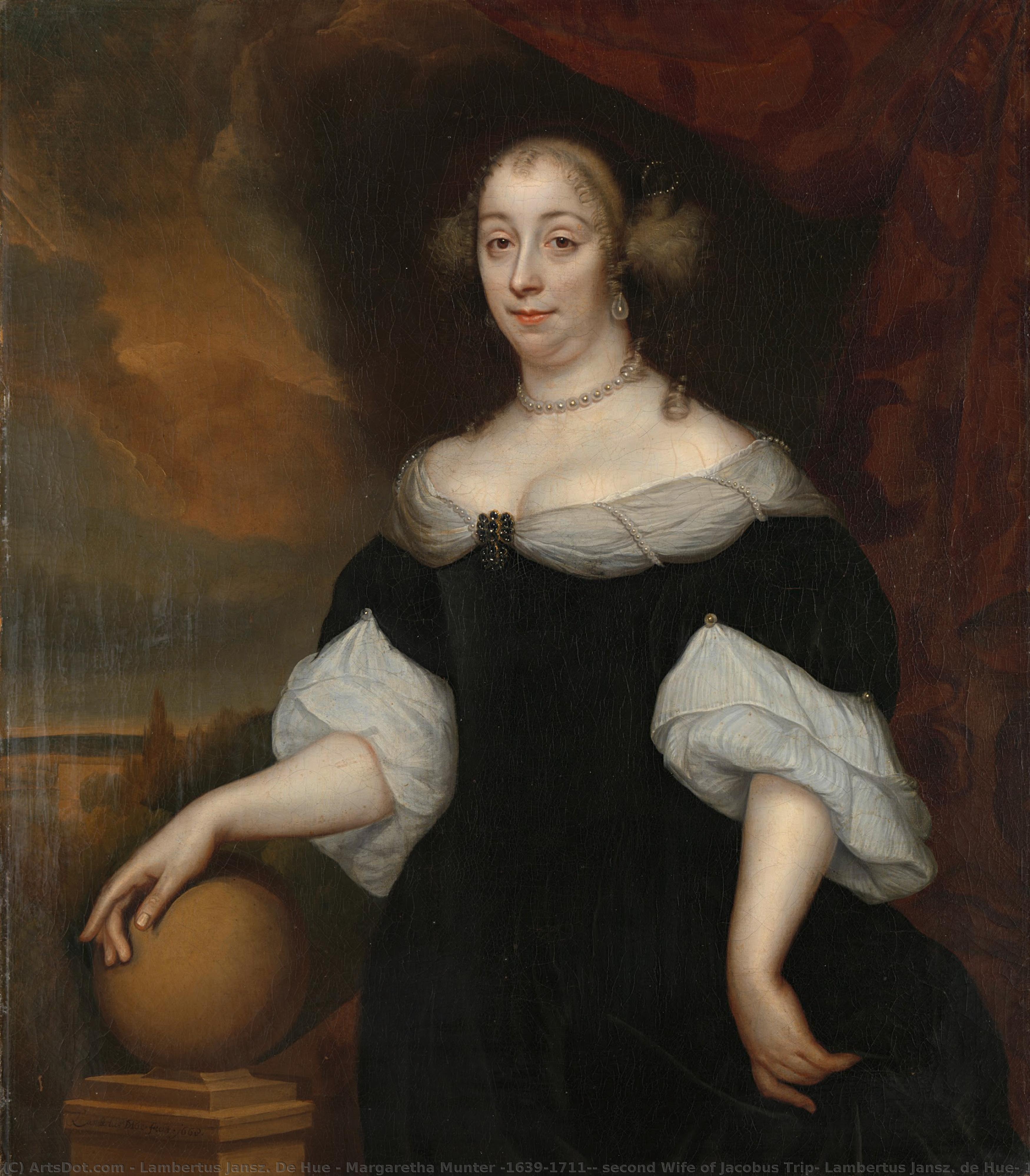
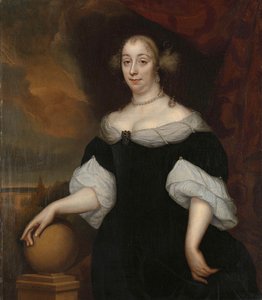
Margaretha Munter (1639-1711), second Wife of Jacobus Trip, Lambertus Jansz. de Hue, 1668
 1668
1668 111.0 x 97.0 cm
 詳細を見る
詳細を見る
オンラインプレビューをはるかに凌ぐ、高解像度で鮮明なデジタル画像をご購入いただけます。
各ファイルは、社内の専門家が高度なツールと熟練した手作業によるレタッチを用いて、細心の注意を払って準備されています。すべての画像において、卓越した鮮明度、正確な色彩再現性、そして繊細なディテールを保証いたします。
最終ファイルは、プロフェッショナルな編集・印刷環境ですぐにご利用いただけるよう最適化された状態で、72時間以内にメールにてお届けいたします。これは、一流のデザインスタジオ、出版社、ギャラリーから信頼されているものと同等の品質です。
デジタル画像のご注文に付随する特典
高品質なデジタル画像配信を、確かな品質で。
ArtsDot.com を選ぶことは、単に画像を手に入れることではありません。それは、プロの手によって精密に仕上げられ、満足保証が付いた高品質なデジタルアートワークを受け取ることを意味します。ご注文いただいた際に自動的に付随する内容は、以下の通りです:

メールですぐにお届け
ご注文から72時間以内に、高解像度のデジタル画像ファイルがメールでお手元に届きます。すぐにそのままご利用いただけます。

AI技術で最適化されたデジタルファイル
お客様の作品は、高度なAIツールと専門家による手作業の編集を組み合わせてプロフェッショナルに最適化されており、細部のディテール、鮮明さ、そして正確な色再現性を最大限に引き出しています。

一生涯無料の再送サービス
ファイルを誤って削除したり、紛失してしまったりしましたか?ご安心ください。いつでも無料で再送いたします。

輸入手数料は一切かかりません
関税や手数料、配送料を気にすることなく、お気に入りのアートワークをすぐにお楽しみいただけます。デジタルダウンロードは常に免税です。

色彩再現の保証
プロ仕様のツールとカラーマネジメント技術を用いることで、デジタル画像が元の色を最大限に忠実に再現することを保証いたします。

60日間満足保証
ご購入いただいたデジタル画像にご満足いただけない場合は、60日以内であれば、修正または100%の返金(理由を問う必要はありません)をさせていただきます。

100% 返金保証
ご満足いただけない場合は、デジタルファイルを受け取ってから60日以内であれば、理由を問わず全額返金いたします。

まとめ買い割引
3枚購入で10%OFF - 5枚購入で15%OFF - 10枚以上購入で20%OFF。クリエイティブなプロジェクト、ギャラリー、エージェンシーに最適です。
関連作品






作家の略歴
Lambertus Jansz. de Hue: A Master of Dutch Portraiture
Born in Finspång, Sweden, in 1619 – a date often debated and shrouded in some uncertainty – Lambertus Jansz. de Hue’s life was one of constant movement and artistic evolution. He initially trained under his father, Jan Gerritszoon de Hue, a painter known for his landscapes and genre scenes. However, it was the vibrant artistic atmosphere of Amsterdam that truly shaped de Hue's career, drawing him to the Dutch Golden Age’s epicenter of art production. He arrived in the city around 1640, quickly establishing himself as a portraitist, though his style evolved significantly over time, reflecting the changing tastes and techniques of the era.
Early works, reminiscent of the Flemish masters, display a meticulous attention to detail and a fondness for rich colors. Portraits from this period – such as those of members of the Trip family (including Margaretha Munter, his second wife) – are characterized by their formal compositions, carefully rendered fabrics, and an almost photographic realism. De Hue skillfully captured the likenesses of his subjects, imbuing them with a sense of dignity and status. However, this early style gradually shifted as he absorbed influences from contemporary Dutch painters like Frans Hals and Jan Steen. The influence of Hals’s looser brushwork and dynamic poses is particularly evident in portraits painted later in his career.
A Shifting Style: From Flemish Roots to Dutch Dynamism
De Hue's artistic journey is marked by a fascinating transformation. Initially rooted in the traditions of the Netherlands, he moved toward a more expressive and engaging style. His mid-career works demonstrate a growing interest in capturing not just physical likeness but also personality and emotion. This shift is powerfully illustrated in portraits like “The Painter’s Family” (1657), where the subjects are depicted in a lively domestic setting, engaged in conversation and activity. The composition is less rigidly formal than his earlier work, and the brushstrokes are looser, conveying a sense of immediacy and spontaneity.
This evolution wasn't simply stylistic; it reflected broader changes within Dutch society. The rise of the merchant class and their increasing wealth fueled demand for portraits that showcased their status and achievements. De Hue skillfully catered to this market, adapting his style to meet the evolving needs of his patrons. He embraced new techniques – such as the use of light and shadow to create dramatic effects – and experimented with different compositional arrangements. His later portraits often feature a theatrical quality, employing diagonal lines and asymmetrical groupings to draw the viewer’s eye and heighten the sense of drama.
Influences and Artistic Connections
De Hue's artistic development was undoubtedly shaped by his exposure to the diverse artistic currents circulating in Amsterdam. He maintained close relationships with other prominent painters of his time, including Jacob van Ruisdael (a landscape painter) and Jan Steen (known for his humorous and often satirical scenes). The influence of Steen is particularly noticeable in de Hue’s later portraits, which occasionally incorporate elements of humor and caricature. Furthermore, the work of Frans Hals, with its emphasis on capturing movement and vitality, clearly resonated with de Hue's evolving style.
Interestingly, De Hue also spent a period working in Prague, where he was commissioned to paint portraits for the Bohemian nobility. This experience exposed him to different artistic traditions and further broadened his stylistic repertoire. The influence of Czech portraiture – characterized by its emphasis on detail and opulent attire – can be seen in some of his later works.
Legacy and Historical Significance
Lambertus Jansz. de Hue died in Amsterdam in 1681, leaving behind a substantial body of work that reflects the dynamism and diversity of Dutch Golden Age painting. While he may not have achieved the same level of fame as some of his contemporaries – such as Rembrandt or Hals – his portraits are highly valued for their technical skill, psychological insight, and historical significance. His paintings offer a valuable glimpse into the lives and aspirations of 17th-century Dutch society, capturing the elegance, wealth, and social complexities of the era.
De Hue’s legacy extends beyond his individual works; he represents a pivotal figure in the transition from Flemish to Dutch artistic traditions. His willingness to experiment with new techniques and styles paved the way for subsequent generations of portraitists, solidifying his place as a significant contributor to the rich tapestry of Dutch art history. His paintings continue to be exhibited and studied today, reminding us of the enduring power of portraiture to capture both likeness and essence.
lambertus jansz. de hue
1619 - 1681 , Sweden
プロフィール概要
- Artistic Movement Or Style: Figurative art
- Artists Or Movements Influenced By This Artist: ['Golden Age Painting']
- Artists Who Influenced This Artist:
- Jacobus Trip
- margaretha munter
- Date Of Birth: 1619/1620
- Date Of Death: 1681-02-14
- Full Name: Lambertus Jansz de Hue
- Nationality: Dutch
- Notable Artworks:
- Margaretha Munter (1639-1711)
- Jacobus Trip
- Place Of Birth: Finspång, Sweden

