

 プレビュー
プレビュー
 プリントを購入
 シェアする
シェアする シェアする
シェアする
 詳細を見る
詳細を見る

 ダウンロード
 似ている作品
 X線調査
X線調査 スライドショー
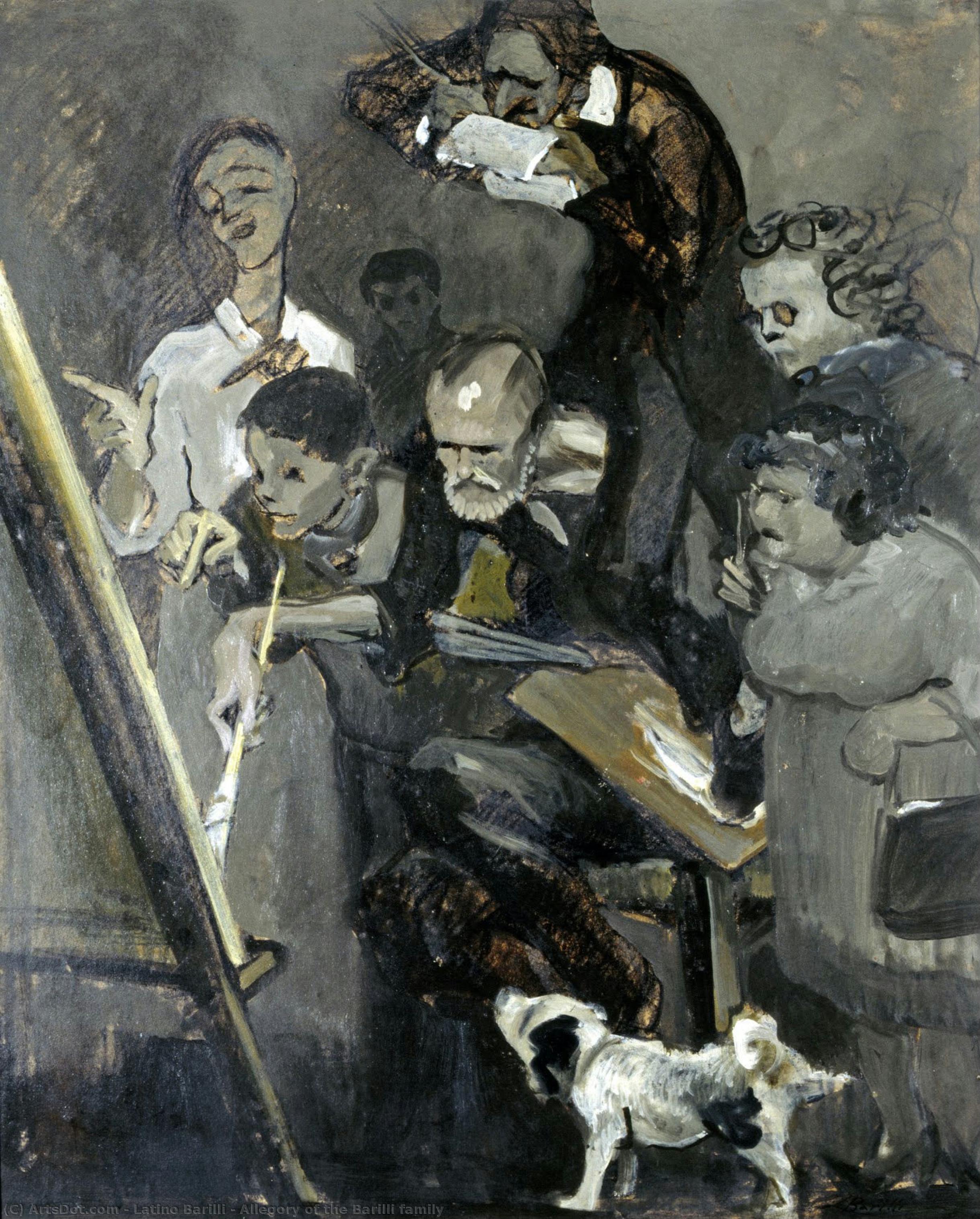
Allegory of the Barilli family

 詳細を見る
詳細を見る




































作品のオリジナル比率に合わせた、当店の規定サイズからお選びください。

特定のフレームやスペースに合わせて、ご希望のサイズをご入力いただけます。選択されたサイズが元の画像の比率と異なる場合、アートワークをトリミングするか、手描きで要素を追加して絵画を拡張いたします。デジタルモックアップ を制作し、制作開始前にご確認(承認)をいただきます。
画面上のプレビューは、実際のトリミングや拡張を正確に反映しているものではありません。最終的な構図は、モックアップによってのみ正確にご確認いただけます。
カスタムサイズもご利用いただけますが、元の比率を維持するためには、あらかじめ用意されたリストからサイズを選択することをお勧めいたします。
ご注文後、ArtsDot.com チームより詳細な指示をお送りするとともに、仕上がりイメージ(モックアップ)をご提供いたします。


 ガラスオプションは、110cm未満のサイズでのみご利用いただけます。

Allegory of the Barilli family
複製技法
複製画のサイズ
-


合計金額
$ 263
関連作品








アーティストの略歴
Latino Barilli: A Parma Legacy of Portraiture and Family
Latino Barilli, born in Parma, Italy, in 1883, was a painter deeply rooted in a family legacy of artistic achievement. His life’s work is inextricably linked to his father, Cecrope Barilli – a celebrated figure himself, director of the Parmesan Academy of Fine Arts – and his brother, Bruno Barilli, an actor and composer. While often overshadowed by his more prominent relatives, Latino developed a distinctive style characterized by meticulous detail, psychological depth, and a subtle use of color, primarily focused on portraiture. His retrospective exhibition at the Galleria Nazionale di Parma in 1963 served as a crucial recognition of his contributions to Italian art, solidifying his place within the Barilli family’s artistic lineage. Barilli's work reflects not only his technical skill but also an intimate understanding of human character and emotion – qualities he skillfully translated onto canvas.Early Life and Artistic Influences
Latino’s upbringing in Parma provided him with a rich artistic environment. His father, Cecrope Barilli, profoundly influenced his early development, introducing him to the techniques and traditions of Italian painting. Cecrope's own work, particularly his frescoes for the Municipal Palace of Parma, demonstrated a mastery of historical and narrative scenes, while also embracing a naturalistic approach. Furthermore, Latino’s exposure to the Macchiaioli movement in Florence – known for their emphasis on capturing fleeting moments of light and color – undoubtedly shaped his artistic sensibilities. The influence of Gustave Doré, whom his father frequented in Paris, is also evident in Barilli's detailed rendering of textures and surfaces. The family’s connection to the arts extended beyond painting; Bruno Barilli’s career as an actor and composer added another layer of cultural richness to their lives, fostering a creative atmosphere that nurtured Latino’s artistic growth.Key Works and Artistic Style
Barilli's most notable works often explore themes of familial relationships and individual identity. “Allegory of the Barilli Family,” a significant piece reflecting his family history, stands as a testament to his ability to capture complex emotions within a single portrait. His meticulous attention to detail is particularly evident in "The Portrait of Giovanni Sanvitale," a striking depiction of a stern figure rendered against a simple green background – a masterful demonstration of his control over light and shadow. Throughout his career, Barilli favored oil on canvas, utilizing a restrained palette and employing subtle gradations of tone to create a sense of realism and psychological depth. His portraits are not merely representations of likeness; they are carefully constructed narratives that reveal the inner lives of his subjects. He was known for his ability to capture a subject’s personality through subtle gestures, expressions, and the arrangement of their clothing.Family Connections and Artistic Legacy
Latino Barilli's family history is interwoven with a remarkable succession of artistic talent. His brother, Bruno Barilli, pursued a career as an actor and composer, while his uncle, Milena Pavlović-Barili, became one of the most significant female artists of Serbian modernism. This lineage underscores the importance of art within the Barilli family, creating a continuous thread of creative expression across generations. The influence of Cecrope Barilli’s position as director of the Parmesan Academy of Fine Arts undoubtedly provided Latino with access to artistic resources and opportunities for training. The legacy of his father's dedication to fostering artistic talent ensured that the Barilli name remained synonymous with excellence in the art world of Parma.Later Life and Recognition
Latino Barilli continued to paint throughout his life, refining his technique and exploring new subjects. His retrospective exhibition in 1963 marked a significant moment of recognition for his work, bringing attention to his contributions within the broader context of Italian painting. He passed away in 1961, leaving behind a body of work that reflects both his family’s artistic heritage and his own unique vision. His paintings continue to be studied and appreciated for their technical skill, psychological insight, and enduring beauty. The Barilli name remains a symbol of artistic dedication and familial pride within the art community of Parma and beyond.
latino barilli
1883 - 1961 , Italy
基本情報
- Artistic Movement Or Style: Italian Painting
- Artists Or Movements Influenced By This Artist: ['Barilli family art']
- Artists Who Influenced This Artist: ['Cecrope Barilli']
- Date Of Birth: January 30, 1883
- Date Of Death: 1961
- Full Name: Latino Barilli
- Nationality: Italian
- Notable Artworks:
- Allegory of the Barilli Family
- The Portrait of Giovanni Sanvitale
- Place Of Birth: Parma, Italy

