

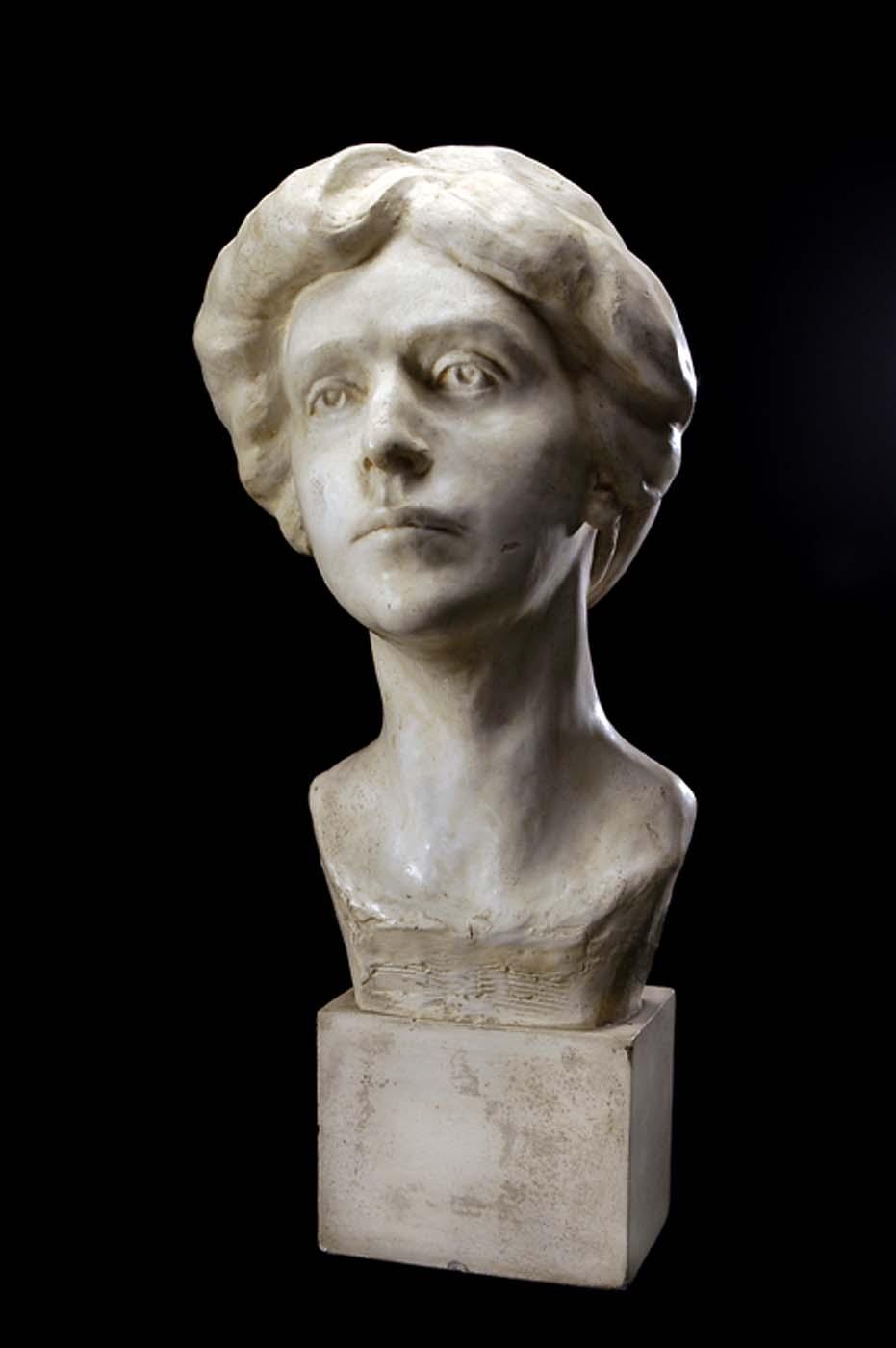
 プレビュー
プレビュー
 シェアする
シェアする シェアする
シェアする
 詳細を見る
詳細を見る

 ダウンロード
 似ている作品
 X線調査
X線調査 スライドショー
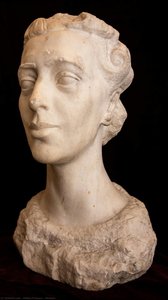
Head of Natalie Clifford Barney

 詳細を見る
詳細を見る
ジークレー/アートプリント
迅速な制作と多彩な仕上げオプションを備えた、ミュージアムクオリティのジークレーまたはキャンバスプリント。 ( 手描きの絵画を購入 画像を購入)




































作品のオリジナル比率に合わせた、当店の規定サイズからお選びください。

特定のフレームやスペースに合わせて、ご自身でサイズを指定することも可能です。選択されたサイズが元の画像の比率と一致しない場合、作品をトリミングするか、鏡面反射または単色での塗りつぶしによって画像を拡張いたします。制作を開始する前に、ご確認用のデジタルモックアップをお送りいたします。
画面上のプレビューには、実際のトリミングや拡張は反映されませんのでご注意ください。最終的な構図を正確に確認できるのは、モックアップのみとなります。
カスタムサイズも承っておりますが、元の比率を維持するためには、あらかじめ用意されたリストからサイズを選択することをお勧めいたします。


 ガラスオプションは、110cm未満のサイズでのみご利用いただけます。

Head of Natalie Clifford Barney
ジークレー/アートプリント
複製画のサイズ
-


合計金額
$ 62
関連作品






アーティストの略歴
Laura Dreyfus Barney: A Portraitist of Souls
The early twentieth century witnessed a quiet revolution in portraiture, one driven by a desire to capture not just likeness but the very essence of a subject’s being. Within this movement emerged Laura Dreyfus Barney (née Laura Clifford Barney), an American artist whose work stands apart through its profound empathy and strikingly intimate depictions of women – particularly those who defied societal expectations. Born in Cincinnati in 1879, into a family steeped in both artistic and industrial heritage, Barney’s life was one of intellectual curiosity, international travel, and unwavering devotion to the Baháʼí Faith, all of which profoundly shaped her unique artistic vision.
Barney's upbringing provided an unusual foundation for an artist. Her mother, Alice Pike Barney, a celebrated poet, artist, and socialite, fostered a vibrant intellectual environment within their Washington D.C. home. This exposure to the arts, combined with a rigorous private education that included studies in France – including time at Les Ruches, a progressive boarding school founded by Marie Souvestre – instilled in her a deep appreciation for both artistic technique and humanist ideals. Her father, Albert Clifford Barney, was a successful railway car manufacturer, grounding her family’s wealth while simultaneously exposing her to the realities of American industry. This duality informed her perspective, allowing her to observe and portray individuals from diverse social strata with nuanced understanding.
The Rise of a Baháʼí Artist
Barney's life took an unexpected turn when she encountered the Baháʼí Faith in Paris around 1900. Her conversion was not merely a religious shift but a profound personal transformation, leading her to embrace a philosophy centered on unity, social justice, and spiritual growth. This commitment became inextricably linked with her artistic practice. She traveled extensively alongside her husband, Hippolyte Dreyfus-Barney, documenting the spread of the Baháʼí Faith across Persia, the Caucasus, and Russia – experiences that deeply influenced her style and subject matter.
Perhaps Barney’s most significant contribution to the Baháʼí community was her compilation of *Some Answered Questions*, a collection of dialogues she conducted with ‘Abdu’l-Bahá during her visit to Akka between 1904 and 1906. This meticulously transcribed record, translated and edited by Dreyfus-Barney, offered invaluable insights into the Baháʼí teachings and remains a cornerstone of early Baháʼí literature. Her role as an intimate confidante and translator for ‘Abdu’l-Bahá cemented her place within the nascent global Baháʼí community.
A Style Defined by Intimacy
Barney's portraits are characterized by a remarkable ability to convey inner life through subtle gestures, expressions of quiet contemplation, and carefully observed details. Unlike the formal, often stiff poses prevalent in many Victorian-era portraits, her subjects appear remarkably relaxed and engaged – as if sharing a private moment with the viewer. She employed a soft, diffused light, reminiscent of Impressionist painters like Renoir and Monet, to create an atmosphere of intimacy and warmth. Her brushwork is delicate yet confident, capturing not just physical likeness but also the fleeting emotions that flicker across her subjects’ faces.
Her choice of subject matter was equally deliberate. Barney frequently depicted women who were considered unconventional for their time – intellectuals, artists, social reformers, and, most notably, members of the Baháʼí community. Figures like Natalie Clifford Barney (her sister), Alice James, and ‘Abdu’l-Bahá herself are testament to her willingness to challenge conventional notions of beauty and representation. She wasn't interested in simply recording appearances; she sought to reveal the inner spirit of each individual.
Legacy and Historical Significance
Laura Dreyfus Barney’s artistic legacy extends beyond her captivating portraits. Her dedication to the Baháʼí Faith, her tireless efforts to disseminate its teachings, and her commitment to social justice established her as a pioneering figure within both the art world and the burgeoning global movement. Her work serves as a powerful reminder of the intersection between spirituality, creativity, and human connection.
Today, Barney’s portraits reside primarily in the Cambridge Art Collection and the Smithsonian American Art Museum, offering viewers a rare glimpse into the lives and minds of women who shaped the early 20th century. Her influence continues to resonate through her evocative depictions of the human spirit – a testament to an artist who dared to look beyond surface appearances and capture the essence of her subjects’ souls.
laura dreyfus barney
1879 - 1974
基本情報
- Artistic Movement Or Style: Portraiture, Impressionism
- Artists Or Movements Influenced By This Artist: ['Natalie Clifford Barney']
- Artists Who Influenced This Artist: ['Alice Pike Barney']
- Date Of Birth: November 30, 1879
- Date Of Death: August 18, 1974
- Full Name: Laura Clifford Barney
- Nationality: American
- Notable Artworks:
- Medusa
- Bust Portrait
- Head of Natalie
- Place Of Birth: Cincinnati, Ohio

