

 プレビュー
プレビュー
 シェアする
シェアする シェアする
シェアする
 詳細を見る
詳細を見る

 ダウンロード
 似ている作品
 X線調査
X線調査 スライドショー
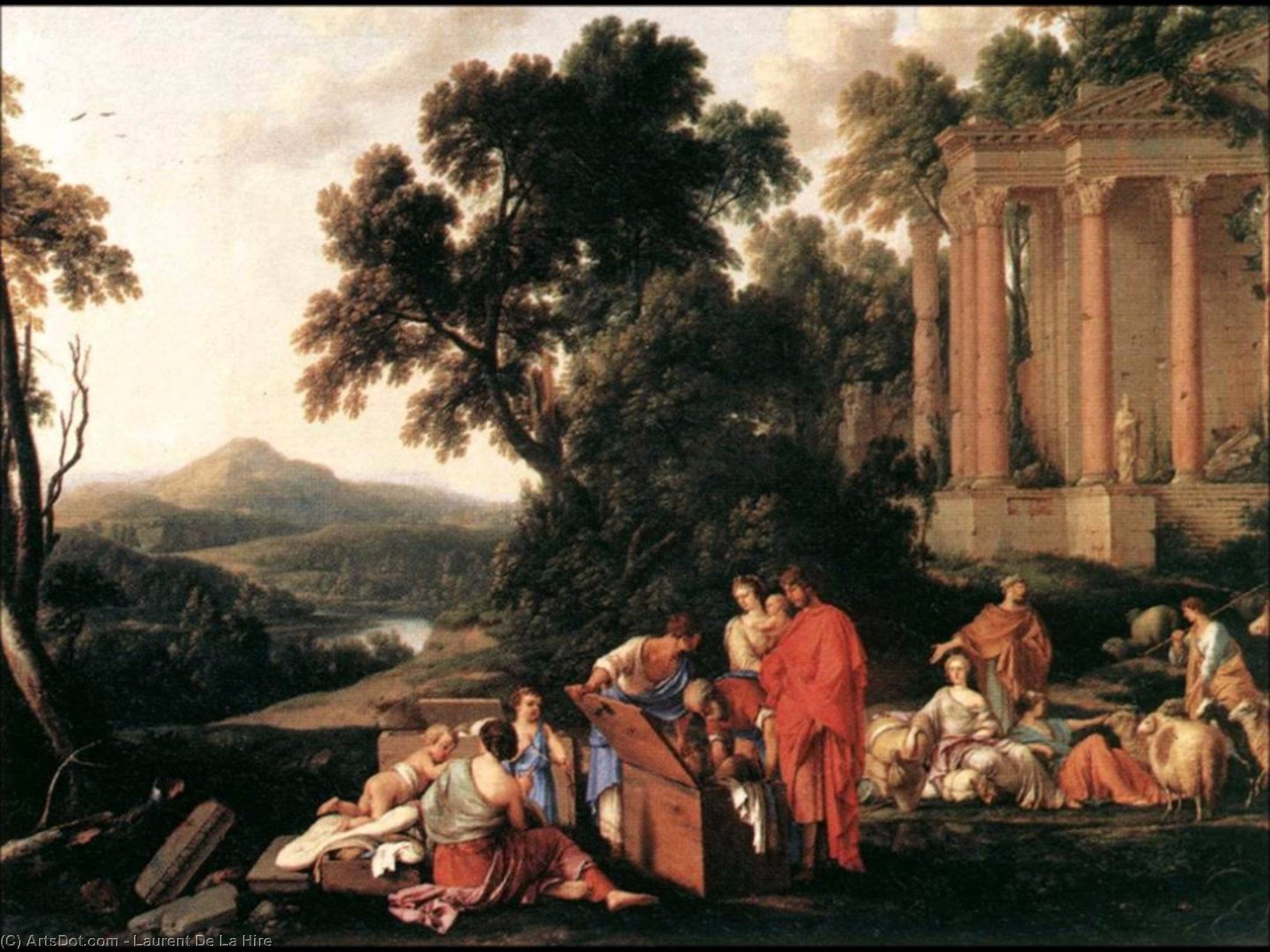
Laban Searching Jacob's Bagagge for the Stolen Idols
 Acrylic On Canvas
- WallArt
- Baroque
 1647
1647 95.0 x 133.0 cm
 ルーブル美術館
 詳細を見る
詳細を見る
ジークレー/アートプリント
迅速な制作と多彩な仕上げオプションを備えた、ミュージアムクオリティのジークレーまたはキャンバスプリント。 ( 手描きの絵画を購入 画像を購入)




P118B $10

P118H $10

P118W $10

P438Z $10

P508JH $12

P508YH $12

P805H $10

P805Z $10

P919BZ $10

P919G $10

P919XJ $10

P959ZH $10

P968JZ $12

W106C $8

W218G $10

W218JH $8

W218Y $10

W307PJ $10

W316G $10

W316PJ $8

W316Y $10

W398PJ $8

W4111J $10

W500HY $15

W500JH $15

W692G $12

W849H $8

W940BG $15

W953PJ $8




作品のオリジナル比率に合わせた、当店の規定サイズからお選びください。

特定のフレームやスペースに合わせて、ご自身でサイズを指定することも可能です。選択されたサイズが元の画像の比率と一致しない場合、作品をトリミングするか、鏡面反射または単色での塗りつぶしによって画像を拡張いたします。制作を開始する前に、ご確認用のデジタルモックアップをお送りいたします。
画面上のプレビューには、実際のトリミングや拡張は反映されませんのでご注意ください。最終的な構図を正確に確認できるのは、モックアップのみとなります。
カスタムサイズも承っておりますが、元の比率を維持するためには、あらかじめ用意されたリストからサイズを選択することをお勧めいたします。


 ガラスオプションは、110cm未満のサイズでのみご利用いただけます。

Laban Searching Jacob's Bagagge for the Stolen Idols
ジークレー/アートプリント
複製画のサイズ
-


合計金額
$ 62
The Weight of Suspicion: Laurent de la Hyre’s Dramatic Depiction
Laurent de la Hyre’s “Laban Searching Jacob’s Bagagge for the Stolen Idols” (1647) isn't merely a biblical scene rendered in oil on canvas; it’s a meticulously constructed tableau of suspicion, anxiety, and the precarious nature of trust. The painting captures a pivotal moment from Genesis – Laban’s frantic search through Jacob’s belongings after discovering Rachel’s theft of his sacred figurines. Yet, de la Hyre elevates this familiar narrative into a profoundly unsettling exploration of human interaction, rendered with an almost palpable sense of unease.
The composition immediately draws the eye to Laban, positioned centrally and dominating the right side of the canvas. His posture is one of intense concentration, his face etched with suspicion as he rummages through the scattered possessions. The light, a cool, diffused glow, emphasizes the shadows clinging to his form, suggesting not just physical labor but also the darkness of doubt and accusation. Jacob, on the left, appears almost resigned, a quiet figure amidst the chaos, embodying a weary acceptance of circumstance. The sheer number of sheep – a symbol of wealth and prosperity in this context – only amplifies the tension; they are witnesses to the unfolding drama, silent participants in a story of deception and retribution.
A Masterclass in Baroque Detail: Technique and Composition
De la Hyre’s skill lies not just in his narrative depiction but also in his masterful execution. The painting is executed with the hallmarks of the French Baroque style, particularly evident in the dramatic use of chiaroscuro – the stark contrast between light and shadow. This technique isn't simply for aesthetic effect; it serves to heighten the emotional impact, creating a sense of claustrophobia and emphasizing the key figures within the scene. The artist’s attention to detail is remarkable: from the folds of Jacob’s clothing to the texture of the sheep’s wool, every element contributes to the overall realism and immediacy of the image.
The composition itself is carefully orchestrated. The diagonal lines created by Laban's movement and the arrangement of objects lead the viewer’s eye through the scene, mirroring the relentless pursuit of truth. The use of perspective subtly guides our gaze, reinforcing the sense of depth and immersing us in this moment of high drama. Notice how de la Hyre uses color to further enhance the mood – muted browns and grays dominate the palette, punctuated by the brighter hues of Jacob’s garments, creating a visual hierarchy that directs our attention.
Historical Context: Faith, Deception, and Royal Patronage
“Laban Searching Jacob’s Bagagge for the Stolen Idols” was created during a period of significant religious and political upheaval in France. The painting reflects the anxieties surrounding faith, loyalty, and the shifting power dynamics within the court. De la Hyre, a prominent artist working under the patronage of Louis XIV, skillfully navigated the complex demands of royal commissions while maintaining his own artistic vision. His work often explored themes of morality, justice, and the consequences of human actions – subjects that resonated deeply with the concerns of the era.
The biblical story itself holds profound significance within this context. It’s a tale of deception, betrayal, and ultimately, reconciliation. Laban's theft represents a violation of trust, while Jacob’s quiet acceptance speaks to the enduring burden of past wrongs. The painting serves as a visual meditation on these themes, prompting viewers to consider the complexities of human relationships and the lasting impact of our choices.
Symbolism and Emotional Resonance: A Portrait of Human Vulnerability
Beyond its narrative content, “Laban Searching Jacob’s Bagagge for the Stolen Idols” is rich in symbolism. The stolen figurines represent not just material possessions but also the loss of faith and the erosion of trust – fundamental values within the biblical story. The sheep symbolize prosperity and wealth, yet their presence here underscores the precariousness of these blessings when built on a foundation of deceit. Most powerfully, the painting captures a moment of profound vulnerability—both for Jacob, who is caught in a web of deception, and for Laban, consumed by suspicion and regret.
The overall emotional impact is one of quiet tension and lingering unease. De la Hyre doesn’t offer easy answers or comforting resolutions; instead, he presents us with a complex and ambiguous scene that invites contemplation and reflection. It's a testament to the artist's ability to transform a familiar biblical narrative into a timeless exploration of human nature.
関連作品
アーティストの略歴
レンブラント:光と影の巨匠
レンブラント・ハルメンスゾーン・ファン・ライーンは、1606年7月15日にオランダのライデンで生まれた人物であり、西洋美術において最も影響力のある芸術家の一人として今なお輝きを放っています。彼の遺産は、息をのむほど写実的な肖像画や劇的な聖書の場面に留まりません。彼は、光、感情、そして人間経験の本質そのものに対する芸術家のアプローチを根本から再構築したのです。レンブラントの人生は、芸術的な輝き、経済的な苦闘、個人的な喪失、そして揺るぎない職人への献身という糸が織りなす複雑なタペストリーでした。彼は1669年10月4日にアムステルダムで世を去り、その手に残された膨大で深く感動的な作品群は、何世紀にもわたって鑑賞者を魅了し続けています。初期の生活と芸術的基盤
レンブラントの幼少期は、製粉業者である父を持つという現実的な側面によって彩られていました。父親が基本的なラテン語教育を受けさせることはしてくれましたが、レンブラントの真の情熱は芸術にありました。彼は当初、地元の画家であったヤコブ・ファン・スワネンブルフのもとで徒弟をこなし、油絵やデッサンにおける基礎技術を習得します。しかし、決定的な転機となったのは、ライデン大学での短い学びの経験でした。それは学問的な追求によるものではなく、むしろ彼自身の芸術的自立への触媒となったのです。大学生活の硬直した構造に幻滅した彼は、すぐに学業を捨て、アムステルダムでピーター・ラストマンのもとで働くことで経験を積む道を選びました。この初期の、より確立され技術的に要求度の高いスタイルへの露出は、レンブラントの後の発展の基礎を築きましたが、最終的には彼自身の独特な個性を打ち立てることになります。重要なことに、同時代の多くの芸術家が古典美術を学ぶためにイタリアへ旅立ったのに対し、レンブラントはオランダの生活の豊かさと多様性こそが十分なインスピレーションを与えてくれると信じていたのです。巨匠の台頭:アムステルダムと初期の成功
1631年頃、レンブラントは商業と芸術的革新が息づく活気ある中心地、アムステルダムへと移住します。この転機は彼のキャリアを劇的に変えました。アムステルダムに勃興する商人階級は、肖像画や歴史的な場面の制作を熱望する裕福な顧客層を提供しました。これは、彼がライデンで知っていた小規模な地方市場とは比べ物にならないほど儲かる環境でした。彼はすぐに求められる芸術家としての地位を確立し、ファン・ルイテンブルフやド・プロエグといった著名な家系から依頼を獲得します。彼の初期の作品は、しばしばその緻密なディテールと日常生活の写実的な描写が特徴であり、大きな注目を集め始めました。しかし、レンブラントの野心は単なる肖像画を超えていました。彼は劇的な物語や複雑な心理描写に惹かれ、それは後の傑作群を予感させていたのです。様式の発展:光、感情、そして自画像
レンブラントの芸術様式は、キャリアを通じて目覚ましい進化を遂げました。当初はラストマンの技術的な正確さの影響を受けていましたが、徐々に独自のアプローチを発展させます。それは、劇的な効果を生み出し力強い感情を呼び起こすために、光と影――すなわちキアロスクーロ――を強烈に用いるという特徴でした。彼は単に場面を照らしていたのではなく、被写体の内面生活を探求し、その気分や脆さを比類なき感受性をもって捉えていたのです。この変化は、「夜警」(1642年)のような作品で特に顕著であり、光と闇の相互作用がダイナミックでほとんど演劇的な雰囲気を生み出しています。さらに、レンブラントの数多くの自画像は、彼の進化する個性と芸術的プロセスへの並外れた窓を提供してくれます。これらの絵画は、単に彼の外見だけでなく、彼の思考、感情、さらには老いや死に対する葛藤さえも明らかにしているのです。晩年の作品と永続的な遺産
年を重ねるにつれて、レンブラントの様式はますます表現豊かで内省的になっていきました。晩年の作品は、しばしばより自由な筆致、感情的な強さへの重点、そして型にはまらない構図を試みる意欲によって特徴づけられています。晩年、浪費癖による金銭的な困難に直面しながらも、レンブラントは「放蕩息子の帰還」(1669年)や「シモンの母」など、最も深遠で感動的な絵画を生み出し続けました。これらの作品には、深い思いやりと精神的な洞察が満ちています。レンブラントが後世の芸術家に与えた影響は計り知れません。彼は、光が知覚を形作る力、人間の感情の複雑さを探求すること、そしてその強さと美しさにおいて比類なきほど個人的で表現豊かな様式を築き上げることで、絵画に革命をもたらしました。彼の作品は今もなお、人類の状態を照らし出す芸術の永続的な力という証として、世界中で研究され、賞賛され、称えられているのです。主要作品
- 夜警 (1642年) – 構図と劇的な照明におけるレンブラントの熟練を披露した記念碑的な集団肖像画です。
- 放蕩息子の帰還 (1669年) – 許しと贖罪というテーマを深く感動的に描き出し、人間の感情に対するレンブラントの深い理解を示しています。
- 自画像 (キャリアを通じて多数の例) - 画家の人生と芸術的発展に比類なき洞察を提供します。
- ガリラヤ湖の嵐 (1633年) – 聖書の物語を劇的に描き出し、動きと混沌の感覚を生み出すための光と影の革新的な使用法を示しています。
- ベルシャザルの饗宴 (1635年) - ダニエル書からの豪華に詳細な場面であり、豊穣な設定を描写し劇的な瞬間を捉えるレンブラントの技術力を示しています。
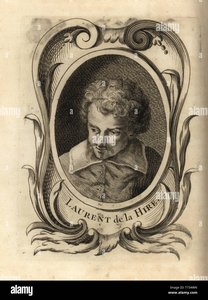
ローラン・ド・ラ・イール
1606 - 1656 , フランス
基本情報
- Artistic Movement Or Style: バロック
- Artists Or Movements Influenced By This Artist:
- ルーベンス
- オランダ・バロック
- Artists Who Influenced This Artist: ['カラヴァッジオ']
- Date Of Birth: 1606年7月15日
- Date Of Death: 1669年10月4日
- Full Name: レンブラント・ハルメンスゾーン・ファン・ライユン
- Nationality: オランダ
- Notable Artworks:
- 夜警
- ベルシャザールの饗宴
- サスキアとの自画像
- Place Of Birth: ライデン、オランダ
関連記事
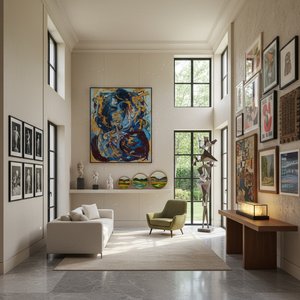
ヴェネツィア・ビエンナーレ厳選25作品:芸術と歴史が織りなす至高のコレクション | ArtsDot
ヴェネツィア・ビエンナーレの至宝25選。印象派から現代アートまで、名画の背景にある物語と芸術家の情熱を紐解きます。ArtsDotで、キャンバスアートや油絵複製をお楽しみください。今すぐコレクションをご覧ください。
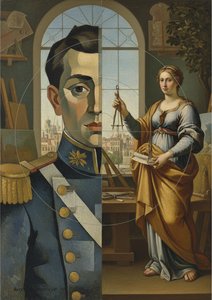
Roger de la Fresnaye: Cubism, Tradition & the Search for Order in Early 20th-Century French Painting
Explore the captivating world of Roger de la Fresnaye, a pivotal French Cubist painter. Discover his unique blend of tradition & modernity, influences, and lasting legacy with ArtsDot.
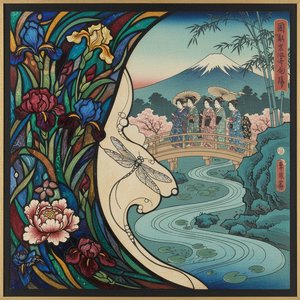
John La Farge: Pioneering American Colorism & Japonisme's Influence
Explore the groundbreaking work of John La Farge, a pioneer of American colorism and stained glass. Discover his captivating Japonisme-inspired murals & lasting legacy in 19th-century art. Expert insights for collectors.
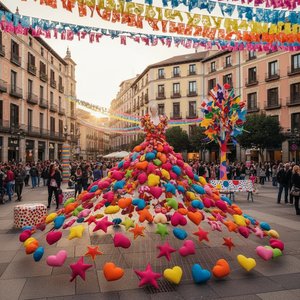
Águeda Ruiz de la Prada: A Study of Eclecticism & Emotional Resonance in Contemporary Spanish Painting
Discover the vibrant world of Ágatha Ruiz de la Prada, a leading figure in contemporary Spanish art. Explore her eclectic style, emotional depth & legacy – a must-read for discerning collectors.
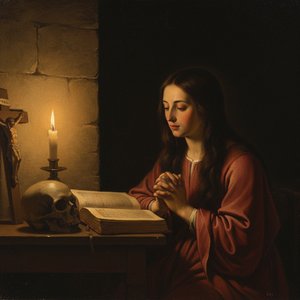
Georges de La Tour: Luminosity, Spirituality & Realism in Baroque Painting
Discover the captivating world of Georges de La Tour, a Baroque master renowned for his dramatic chiaroscuro & spiritual realism. Explore key works, influences, and his remarkable rediscovery. Learn more at ArtsDot.

