

 プレビュー
プレビュー
 プリントを購入
 シェアする
シェアする シェアする
シェアする
 詳細を見る
詳細を見る

 ダウンロード
 似ている作品
 X線調査
X線調査 スライドショー
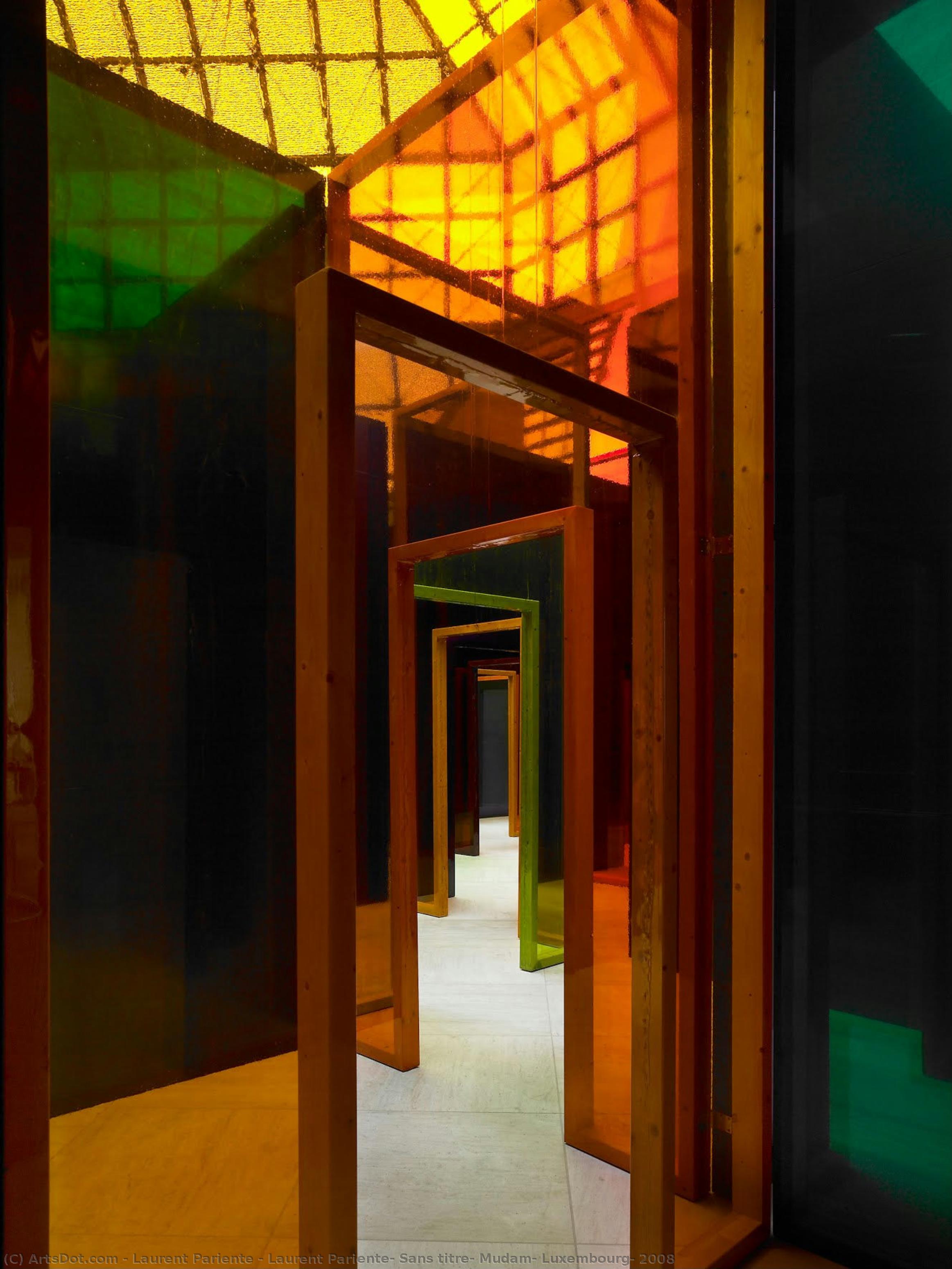
Laurent Pariente: Sans titre, Mudam, Luxembourg, 2008
 詳細を見る
詳細を見る




































作品のオリジナル比率に合わせた、当店の規定サイズからお選びください。

特定のフレームやスペースに合わせて、ご希望のサイズをご入力いただけます。選択されたサイズが元の画像の比率と異なる場合、アートワークをトリミングするか、手描きで要素を追加して絵画を拡張いたします。デジタルモックアップ を制作し、制作開始前にご確認(承認)をいただきます。
画面上のプレビューは、実際のトリミングや拡張を正確に反映しているものではありません。最終的な構図は、モックアップによってのみ正確にご確認いただけます。
カスタムサイズもご利用いただけますが、元の比率を維持するためには、あらかじめ用意されたリストからサイズを選択することをお勧めいたします。
ご注文後、ArtsDot.com チームより詳細な指示をお送りするとともに、仕上がりイメージ(モックアップ)をご提供いたします。


 ガラスオプションは、110cm未満のサイズでのみご利用いただけます。

Laurent Pariente: Sans titre, Mudam, Luxembourg, 2008
複製技法
複製画のサイズ
-


合計金額
$ 263
関連作品





アーティストの略歴
Early Life and Artistic Beginnings
Laurent Pariente was born in 1962 in Oran, Algeria, a city steeped in history and cultural confluence—a birthplace that would subtly yet profoundly shape his artistic sensibility. Growing up in the aftermath of French colonial rule, Pariente’s early life was marked by a sense of displacement and transition, themes that would later resonate deeply within his sculptural explorations of space and memory. While specific details regarding his initial artistic training remain somewhat elusive, it is known he pursued formal education in France, laying the groundwork for a career that would defy easy categorization.
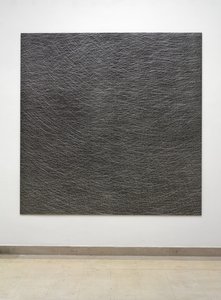
Pariente’s entry into the art world began in the mid-1980s with a focus on engraving. He quickly distinguished himself through his innovative use of metal sheets—zinc, copper, and brass—transforming these industrial materials into delicate surfaces teeming with intricate patterns. These weren't merely decorative exercises; they were foundational investigations into spatial representation, light’s behavior, and the very perception of form. He employed traditional techniques like drypoint etching, meticulously incising lines onto the metal to create a network of subtle textures that captured and reflected ambient light, giving his early works an ethereal, almost luminous quality.
The “Relation to the Wall” and Spatial Investigations
A defining moment in Pariente’s artistic development came with what he termed his “relation to the wall.” This wasn't simply a shift in medium but a conceptual breakthrough. He began to view the wall not as a passive backdrop, but as an active participant in the artwork—a surface that could be manipulated and transformed through engraving. The dense, all-over patterns of his engravings created immersive environments, challenging viewers’ conventional understanding of depth and architectural space. The works seemed to expand beyond their physical boundaries, inviting contemplation on confinement, mobility, and the interplay between interiority and exteriority.
This period saw a deliberate move away from traditional sculptural forms towards temporary constructions made of chalk powder. These ephemeral installations further amplified his exploration of spatial dynamics. By proliferating these structures within exhibition spaces, Pariente encouraged viewers to actively navigate and experience the environment anew, disrupting established pathways and prompting a heightened awareness of their own physical presence. The chalk itself—fragile and impermanent—became symbolic of the transient nature of perception and the ever-shifting boundaries between form and void.
Monumentality, Color, and Expanded Scale
Throughout the 1990s and into the new millennium, Pariente’s work steadily gained recognition, culminating in significant solo exhibitions at prestigious institutions like the Musée Antoine Bourdelle in Paris (2006) and a major installation at the Mudam Luxembourg in 2008. The latter marked a pivotal moment—his first decisive incorporation of color into his large-scale wooden and PVC structures. These weren’t simply additions to existing forms; they fundamentally altered the way light interacted with his work, creating even more immersive and dynamic environments.
The Mudam installation, spanning 200 square meters, showcased Pariente's ability to orchestrate complex spatial experiences. The structures, often described as passages or constructions, invited viewers to move through them, experiencing shifts in perspective and a heightened awareness of their surroundings. His work began to take on a monumental scale, blurring the lines between sculpture, architecture, and painting.
Influences and Historical Significance
While Pariente’s artistic vision is distinctly his own, echoes of several influential movements can be discerned in his work. The minimalist explorations of artists like Donald Judd and Sol LeWitt resonate in his emphasis on geometric forms and spatial relationships. The conceptual rigor of Dan Flavin's light installations also finds a parallel in Pariente’s manipulation of illumination and its impact on perception. However, Pariente transcends simple categorization, forging a unique path that blends these influences with a deeply personal sensibility.
His historical significance lies in his ability to redefine the boundaries of sculpture—to move beyond traditional notions of form and materiality towards immersive environments that engage the viewer’s senses and challenge their understanding of space. He is recognized for pioneering works beginning with engraved zinc panels, establishing a signature “relation to the wall,” evolving into temporary chalk-covered constructions designed to proliferate and divide exhibition spaces, encouraging viewers to experience environments anew. His work continues to inspire artists and architects alike, prompting ongoing dialogue about the interplay between form, space, light, and perception.
laurent pariente
1962 - , Algeria
基本情報
- Artistic Movement Or Style: Contemporary Sculpture
- Date Of Birth: May 4, 1962
- Full Name: Laurent Pariente
- Nationality: French
- Notable Artworks:
- Untitled (2006)
- Engraved zinc panels
- Place Of Birth: Oran, Algeria