

 プレビュー
プレビュー
 プリントを購入
 シェアする
シェアする シェアする
シェアする
 詳細を見る
詳細を見る

 ダウンロード
 似ている作品
 X線調査
X線調査 スライドショー
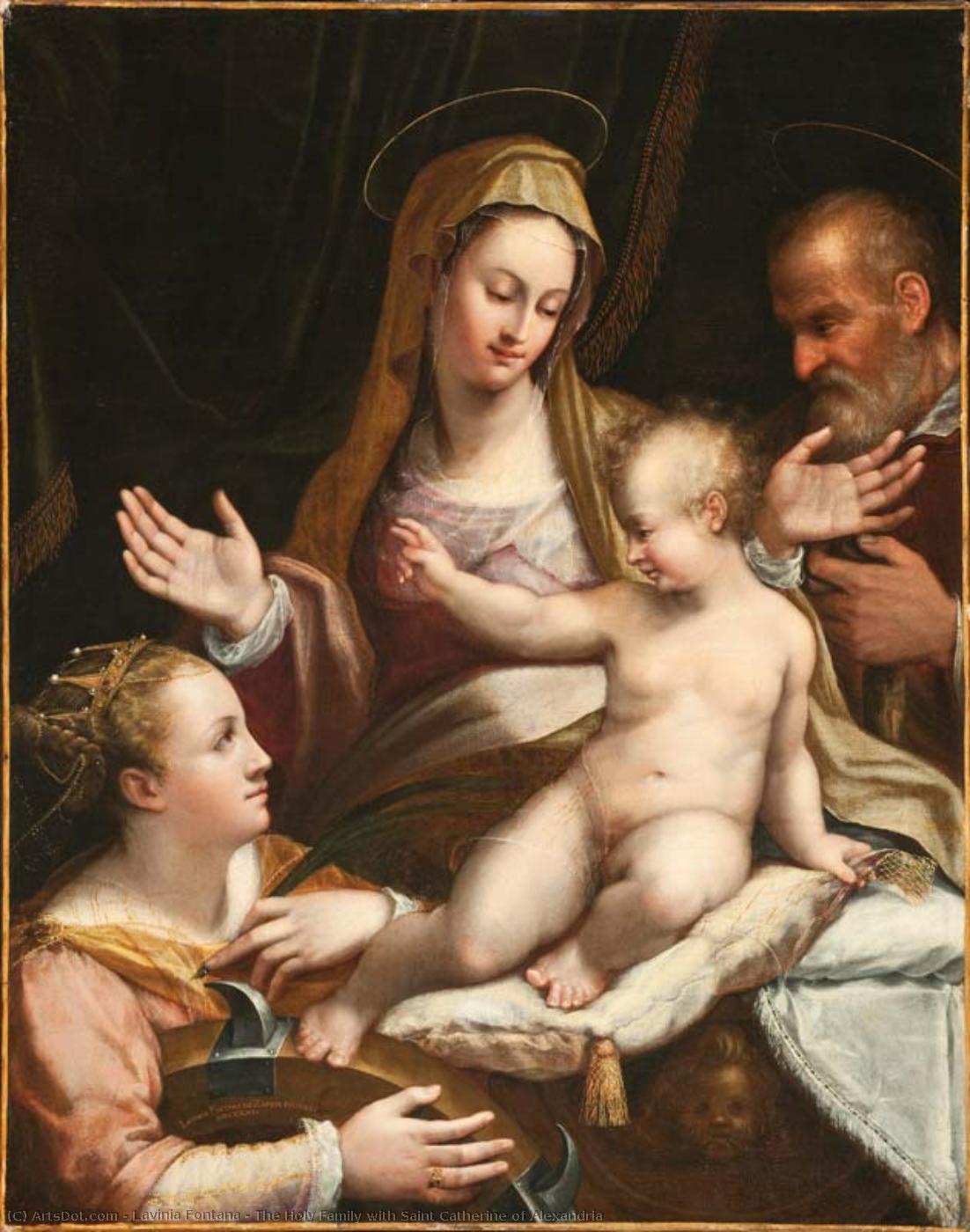
The Holy Family with Saint Catherine of Alexandria
 Oil On Canvas
- WallArt
- Venetian Renaissance
 1581
1581 130.0 x 112.0 cm
 ロサンゼルス・カウンティ・ミュージアム・オブ・アート
 詳細を見る
詳細を見る
オンラインプレビューをはるかに凌ぐ、高解像度で鮮明なデジタル画像をご購入いただけます。
各ファイルは、社内の専門家が高度なツールと熟練した手作業によるレタッチを用いて、細心の注意を払って準備されています。すべての画像において、卓越した鮮明度、正確な色彩再現性、そして繊細なディテールを保証いたします。
最終ファイルは、プロフェッショナルな編集・印刷環境ですぐにご利用いただけるよう最適化された状態で、72時間以内にメールにてお届けいたします。これは、一流のデザインスタジオ、出版社、ギャラリーから信頼されているものと同等の品質です。
デジタル画像のご注文に付随する特典
高品質なデジタル画像配信を、確かな品質で。
ArtsDot.com を選ぶことは、単に画像を手に入れることではありません。それは、プロの手によって精密に仕上げられ、満足保証が付いた高品質なデジタルアートワークを受け取ることを意味します。ご注文いただいた際に自動的に付随する内容は、以下の通りです:

メールですぐにお届け
ご注文から72時間以内に、高解像度のデジタル画像ファイルがメールでお手元に届きます。すぐにそのままご利用いただけます。

AI技術で最適化されたデジタルファイル
お客様の作品は、高度なAIツールと専門家による手作業の編集を組み合わせてプロフェッショナルに最適化されており、細部のディテール、鮮明さ、そして正確な色再現性を最大限に引き出しています。

一生涯無料の再送サービス
ファイルを誤って削除したり、紛失してしまったりしましたか?ご安心ください。いつでも無料で再送いたします。

輸入手数料は一切かかりません
関税や手数料、配送料を気にすることなく、お気に入りのアートワークをすぐにお楽しみいただけます。デジタルダウンロードは常に免税です。

色彩再現の保証
プロ仕様のツールとカラーマネジメント技術を用いることで、デジタル画像が元の色を最大限に忠実に再現することを保証いたします。

60日間満足保証
ご購入いただいたデジタル画像にご満足いただけない場合は、60日以内であれば、修正または100%の返金(理由を問う必要はありません)をさせていただきます。

100% 返金保証
ご満足いただけない場合は、デジタルファイルを受け取ってから60日以内であれば、理由を問わず全額返金いたします。

まとめ買い割引
3枚購入で10%OFF - 5枚購入で15%OFF - 10枚以上購入で20%OFF。クリエイティブなプロジェクト、ギャラリー、エージェンシーに最適です。
Lavinia Fontana’s Venetian Renaissance Masterpiece: The Holy Family with Saint Catherine of Alexandria
Within the hallowed halls of the Los Angeles County Museum of Art resides a painting that whispers tales of resilience, artistic innovation, and profound devotion – Lavinia Fontana's “The Holy Family with Saint Catherine of Alexandria,” completed in 1581. More than just a depiction of Mary, Jesus, and Joseph, this work stands as a testament to the extraordinary journey of one of Europe’s first professional female artists, a woman who defied societal constraints and carved her own path within the fiercely competitive world of Renaissance art. The painting immediately draws the eye with its rich palette – deep reds, blues, and golds—a hallmark of Venetian artistic style, where luminosity and vibrant color were prized above all else. Yet, it’s not merely a feast for the eyes; Fontana masterfully employs chiaroscuro lighting, dramatically contrasting areas of light and shadow to sculpt the figures and imbue the scene with an almost palpable sense of intimacy and serenity.
Fontana's composition is rooted in classical principles, notably the pyramidal structure—a technique borrowed from Raphael and Correggio—that lends stability and harmony to the arrangement. Mary, positioned at the apex, cradles the infant Jesus, while Joseph stands protectively beside them. The inclusion of Saint Catherine of Alexandria, a prominent early Christian martyr known for her wisdom and virtue, adds another layer of symbolic depth. Catherine’s presence elevates the scene beyond a simple domestic portrait, transforming it into a meditation on faith, family, and divine grace. The architectural setting, though somewhat flattened in perspective—a characteristic of Renaissance painting—suggests a richly decorated interior space, hinting at the sanctity and importance of the family within.
A Pioneer’s Path: Lavinia Fontana and the Counter-Reformation
Understanding “The Holy Family” requires acknowledging the remarkable circumstances surrounding its creation. Lavinia Fontana was not simply an artist; she was a trailblazer in a period when women were largely excluded from formal artistic training and professional opportunities. Born into a family of artists in Bologna, Italy, she received her initial education from her father, Prospero Fontana, a respected painter known for his Mannerist style. However, it was through her marriage to Gian Paolo Zappi, one of her father’s pupils, that Fontana secured the freedom and resources necessary to pursue her artistic career with genuine dedication. This unique arrangement—a husband who supported her work rather than hindering it—was unprecedented at the time, allowing her to establish herself as a professional artist.
Fontana's work during this period was deeply influenced by the Counter-Reformation, the Catholic Church’s response to the Protestant Reformation. Cardinal Gabriele Paleotti, a key figure in shaping artistic theory during this era, advocated for art that would inspire piety and emotional engagement. Fontana embraced these principles, striving to create images that moved viewers spiritually rather than merely depicting religious subjects with detached accuracy. Her attention to detail, particularly in rendering the expressions of the figures—a subtle hint of tenderness in Mary’s gaze, a protective warmth in Joseph's posture—reflects this commitment to conveying emotion and fostering a connection between the viewer and the sacred narrative.
Technique and Materials: A Masterful Oil Painting
The painting itself is executed with meticulous skill using oil paints on canvas – a technique that allowed for layering, glazing, and subtle tonal variations, creating an astonishingly rich and luminous surface. Fontana’s brushwork is remarkably refined, particularly in the rendering of drapery, which flows with graceful curves and folds, adding depth and texture to the scene. The smooth surfaces of the figures' faces contrast subtly with the tactile quality of the fabric, further enhancing the sense of realism. Close examination reveals a careful attention to detail—the delicate folds of Mary’s robes, the intricate patterns on the architectural elements, and the subtle nuances in the expressions of each figure.
The use of color is particularly noteworthy. Fontana employs a vibrant palette of reds, blues, and golds, creating a sense of warmth and opulence that reflects the Venetian artistic tradition. The lighting—a dramatic chiaroscuro effect—casts strong shadows, highlighting the forms of the figures and adding depth to the composition. This masterful manipulation of light and shadow not only enhances the visual impact of the painting but also contributes to its emotional resonance.
A Legacy of Innovation: Beyond the Canvas
Lavinia Fontana’s “The Holy Family with Saint Catherine of Alexandria” is more than just a beautiful artwork; it's a symbol of artistic courage and perseverance. It represents the triumph of talent over adversity, the breaking down of societal barriers, and the assertion of a woman’s right to pursue her creative passions. Her story continues to inspire artists and art lovers alike, reminding us that innovation often emerges from unexpected places and that true artistry knows no gender.
関連作品
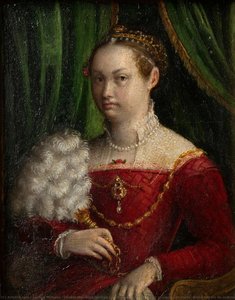
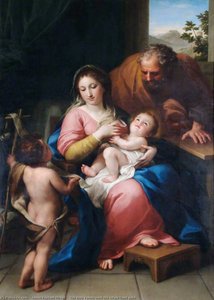
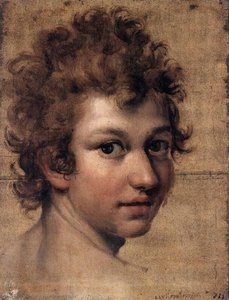
作家の略歴
ボローニャの先駆者:ラヴィニア・フォンタナの生涯と芸術
1552年にボローニャで生まれたラヴィニア・フォンタナは、偉大な男性画家たちが主役として称えられるルネサンス期において、極めて稀有な存在としてその名を刻みました。しかし、彼女は単なる成功した芸術家にとどまりませんでした。フォンタナは自らの道を切り拓き、社会的な規範に挑戦し、美術界における女性の役割を再定義した先駆者だったのです。彼女の物語は、芸術家一家の中で育まれた才能、技法への献身、そして歴史的に男性が支配していた分野において、揺るぎない力で認められていった軌跡そのものです。尊敬を集める画家であった父プロスペロ・フォンタレンは、娘の天賦の才を見出し、初期の修行を施しました。女性に対する正式な美術教育が事実上存在しなかった時代において、この家族という基盤があったからこそ、ラヴィニアはキャリアを始めるために不可欠な技術と人脈を手に入れることができたのです。現在は失われてしまったものの、「猿の子供」(1575年)といった初期作品は、彼女の類まれな才能の兆しを示しており、その後すぐに「受難の象徴を携えたキリスト」(1576年)に見られるような、技法と構図における成熟した習熟度を誇る作品群へと繋がっていきました。優雅、革新、そしてボローニャ様式
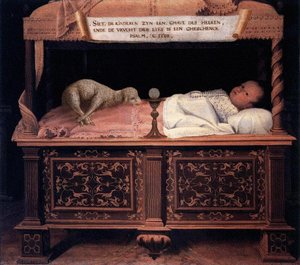
フォンタナの芸術様式は、当初はボローニャ派の伝統に深く根ざした父のスタイルを反映していました。しかし、彼女はやがて他の著名な画家たち、特にボローニャにおける芸術革新の拠点であったデニス・カルヴァエルトの影響を吸収し始めます。この刺激的な出会いが彼女の作品を進化させ、劇的な構図と鮮やかな色彩を特徴とするカラッチャ派的な要素や、絵画に深みと輝きをもたらすヴェネツィア風の豊潤さを取り入れることとなりました。彼女は瞬く間に肖像画の大家として名を馳せ、特にボローモニャの上流階級の女性たちを描いた作品で知られるようになりました。それらは単なる似顔絵ではありませんでした。富と地位、そして女性らしい優雅さを讃える祝祭そのものだったのです。フォンタニアは、モデルの外見的な特徴だけでなく、その内面的な性格までも捉える卓越した能力を備えており、多くの女性クライアントと非常に温かな信頼関係を築いていました。彼女の肖察画は、ドレスに施された緻密な刺繍、首元を飾る真珠の煌めき、肌の上で戯れる繊細な光の動きなど、驚くべき写実性をもって細部まで描き込まれている点が特筆されます。サラゴサ美術館に収蔵されている「二人の結婚の肖像」(別名「ラヴィニア・フォンタナの自画像」)などの傑作は、彼女の技術と洗練を象徴しており、16世紀社会の優雅な一端を私たちに見せてくれます。また、象徴的な美しさに満ちたバロック様式の肖像画「ヴィーナスとキューピッド」(1592年)や、母性的な慈しみと家庭生活を情感豊かに描いた「ゆりかごの中の新生児」(1583年)も、彼女の重要な作品群です。障壁を打ち破る:逆境の中で築かれたキャリア
ラヴィニア・フォンタナの功績は、単なる芸術的スキルに留まりません。彼女は、宮廷や修道院という閉ざされた環境の外で、確立された美術界において独立して活動した最初の女性芸術家の一人と広く見なされています。女性が職業的な生活から大きく排除されていた時代において、これは極めて並外れた偉業でした。彼女の成功は才能によるものだけではなく、鋭いビジネスセンスと、エージェントとして彼女を支え、共に11人の子供を育て上げた夫パオロ・ザッピの存在によってもたらされたものです。二人の結婚契約そのものも、ラヴィエニの稼ぐ力を認め、伝統的な持参金を不要とするという、当時としては型破りなものでした。彼女の高まる名声は、やがて教皇グレゴリウス13世とその家族を含む有力なパトロンたちの注目を集め、著名人の肖像画の依頼へと繋がっていきました。こうした庇護によって彼女のキャリアは新たな高みへと押し上げられ、1604年にはローマへと移住。そこで教皇庁における需要の高い肖像画家としての地位を確立しました。1611年には、フェリーチェ・アントニオ・カゾーニによるブロンズの肖像メダリオン制作という形でさらなる評価を受け、当時の女性芸術家には極めて稀な名誉であるサン・ルカ・アカデミーへの入会を果たしたのです。不朽の遺産:伝統への挑戦と次世代へのインスピレーション
ラヴィニア・フォンタナが残した遺産は、今日においても響き渡り、芸術家や美術愛好家たちにインスピレーションを与え続けています。彼女の作品は世界中の美術館やコレクションに見出され、その不朽の才能と歴史的重要性を物語る証となっています。彼女は女性であっても男性と同等の芸術的卓越性に到達できることを証明しただけでなく、社会的な制約を受けることなく情熱を追求しようとする後世の女性芸術家たちの道を切り拓きました。「ホロフェルネスの首を持つユディト」(1600年)に見られるように、彼女が真に最初期のヌード画家の一人であったかどうかについては美術史家の間で議論が続いていますが、神話や宗教的テーマを含む幅広い主題を探求しようとするその姿勢は、多才で革新的な芸術家としての地位をより強固なものにしました。旺盛な芸術活動と、11人の子供を育てる母親としての責務――過酷な制作スケジュールを維持しながらの育児――を両立させたフォンタナの力は、彼女の回復力、献身、そして技法に対する揺るぎないコミットメントの証です。彼女の物語は、才能に性別は関係なく、忍耐強さはいかなる困難をも克服できるということを、私たちに力強く思い出させてくれます。ラヴィニ・フォンタナの影響は、彼女の描いた絵画を超えて広がっています。彼女は今もなお、美術界における女性のエンパワーメントの象徴なのです。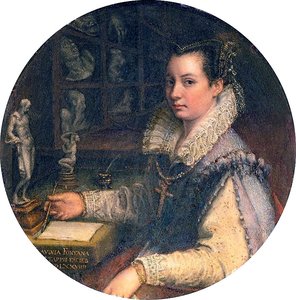
ラヴィニア・フォンタナ
1552 - 1614
プロフィール概要
- Artistic Movement Or Style: マニエリスム、バロック
- Artists Who Influenced This Artist:
- プロスペロ・フォンタナ
- デニス・カルヴェールト
- Date Of Birth: 1552年8月24日
- Date Of Death: 1614年
- Full Name: ラヴィニア・フォンタナ
- Nationality: イタリア
- Notable Artworks:
- 二人の結婚の肖像
- ヴィーナスとキューピッド
- ゆりかごの中の新生児
- ホロフェルネスの首を持つユディト
- Place Of Birth: イタリア、ボローニャ

