

 プレビュー
プレビュー
 シェアする
シェアする シェアする
シェアする
 詳細を見る
詳細を見る

 ダウンロード
 似ている作品
 X線調査
X線調査 スライドショー
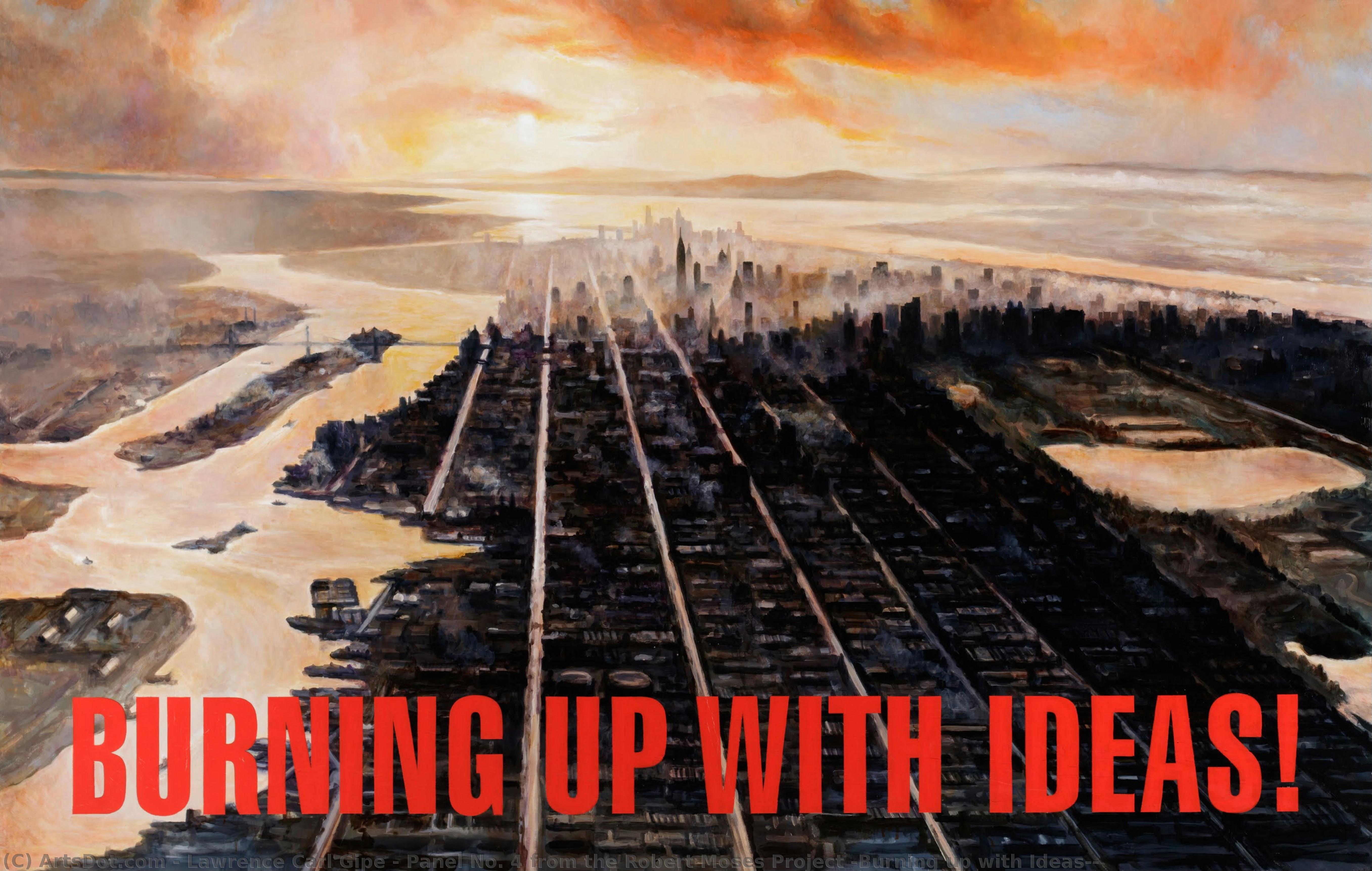
Panel No. 4 from the Robert Moses Project (Burning up with Ideas!)


 詳細を見る
詳細を見る
ジークレー/アートプリント
迅速な制作と多彩な仕上げオプションを備えた、ミュージアムクオリティのジークレーまたはキャンバスプリント。 ( 手描きの絵画を購入 画像を購入)




P118B $10

P118H $10

P118W $10

P438Z $10

P508JH $12

P508YH $12

P805H $10

P805Z $10

P919BZ $10

P919G $10

P919XJ $10

P959ZH $10

P968JZ $12

W106C $8

W218G $10

W218JH $8

W218Y $10

W307PJ $10

W316G $10

W316PJ $8

W316Y $10

W398PJ $8

W4111J $10

W500HY $15

W500JH $15

W692G $12

W849H $8

W940BG $15

W953PJ $8




作品のオリジナル比率に合わせた、当店の規定サイズからお選びください。

特定のフレームやスペースに合わせて、ご自身でサイズを指定することも可能です。選択されたサイズが元の画像の比率と一致しない場合、作品をトリミングするか、鏡面反射または単色での塗りつぶしによって画像を拡張いたします。制作を開始する前に、ご確認用のデジタルモックアップをお送りいたします。
画面上のプレビューには、実際のトリミングや拡張は反映されませんのでご注意ください。最終的な構図を正確に確認できるのは、モックアップのみとなります。
カスタムサイズも承っておりますが、元の比率を維持するためには、あらかじめ用意されたリストからサイズを選択することをお勧めいたします。


 ガラスオプションは、110cm未満のサイズでのみご利用いただけます。

Panel No. 4 from the Robert Moses Project (Burning up with Ideas!)
ジークレー/アートプリント
複製画のサイズ
-


合計金額
$ 62
アーティストの略歴
Early Life and Artistic Foundations
Lawrence Carl Gipe, born in Baltimore, Maryland in 1962, embarked on a path that would see him become a compelling chronicler of the visual language of power and propaganda. His formative years were steeped in an environment that subtly fostered his later fascination with imagery as a tool for shaping perception. He received his Bachelor of Fine Arts degree from Virginia Commonwealth University in 1984, laying the groundwork for his technical skills and conceptual exploration. This was followed by an MFA from the Otis/Parsons Institute of Art and Design in Los Angeles in 1986, where he honed his artistic voice and began to develop the distinctive style that would come to define his work. The California art scene, with its diverse influences and critical discourse, proved pivotal in shaping Gipe’s early direction.The Museum of the 20th Century: A Project of Reclamation
Gipe is perhaps best known for his ongoing series, “Museum of the 20th Century.” This ambitious project isn't a physical institution but rather a continually expanding body of paintings that functions as a critical archive—a visual repository of images sourced from an eclectic collection of materials. He meticulously excavates photographs from forgotten magazines, propaganda treatises, and officially sanctioned art approved by politically motivated bodies. These are not grand historical narratives he seeks to depict, but the often-overlooked fragments – the seemingly innocuous advertisements, the carefully constructed depictions of labor and leisure, the idealized portraits that mask underlying ideologies. Gipe doesn’t simply reproduce these images; he transforms them. Small black-and-white photographs are scaled up dramatically, saturated with vibrant color, becoming monumental works that demand attention and reevaluation.Technique and Symbolism: Unsettling Familiarity
The power of Gipe's work lies in its masterful technique and subtle subversion. His paintings possess a remarkable realism, often evoking the aesthetic qualities of film noir or vintage advertising. This technical proficiency is not merely stylistic; it’s integral to his project. By rendering these images with such precision, he draws viewers in, creating an initial sense of familiarity and even nostalgia. However, this comfort is quickly disrupted by the scale of the works and the unsettling context they hint at. The vibrant colors, while visually appealing, feel somehow *off*, lending a disturbing quality to otherwise mundane scenes. He forces us to confront the underlying messages embedded within these images—the subtle manipulations, the unspoken power dynamics, the ideological agendas that shaped their creation.Influences and Critical Engagement
Gipe’s artistic lineage is complex and multifaceted. His work resonates with the traditions of Social Realism, particularly in its focus on depicting everyday life and labor. However, he diverges from traditional Socialist approaches by not offering a clear political agenda or utopian vision. Instead, he presents a more nuanced critique—an exploration of how images are used to construct reality and control narratives. The influence of propaganda art is also readily apparent, but Gipe doesn’t simply condemn it; he dissects its mechanisms, revealing the subtle ways in which it operates on a psychological level. He has cited an interest in the work of artists who engaged with mass media and consumer culture, such as Richard Hamilton and Ed Ruscha, whose explorations of pop imagery paved the way for his own investigations.Recognition and Legacy
Lawrence Gipe’s contributions to contemporary art have been widely recognized. He is a recipient of two National Endowment for the Arts Individual Fellowship Grants (in Painting in 1989 and Works on Paper in 1996), affirming the significance of his artistic vision. A mid-career survey, “3 Five-Year Plans: Lawrence Gipe, 1990-2005,” organized by Marilyn Zeitlin at Arizona State University Art Museum in 2006, solidified his reputation as a major figure in contemporary painting. Currently an Associate Professor of Studio Art at the University of Arizona, he continues to inspire and mentor emerging artists. His work is held in numerous prestigious collections, including the Los Angeles County Museum of Art, the Brooklyn Museum of Art, and Yale University, ensuring its continued accessibility and influence for generations to come. Gipe’s legacy lies not only in his stunning paintings but also in his ability to provoke critical thinking about the power of images and their role in shaping our understanding of the world. He reminds us that even seemingly innocuous pictures can carry profound ideological weight, demanding careful scrutiny and a questioning gaze.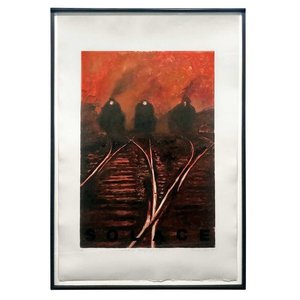
lawrence carl gipe
1962 - , United States of America
基本情報
- Artistic Movement Or Style: Contemporary Painting
- Date Of Birth: 1962
- Full Name: Lawrence Carl Gipe
- Nationality: American
- Notable Artworks:
- Panel No. 4 from the Robert Moses Project
- Rosemont Copper Girl
- Panel No. 5 of Amerika
- Place Of Birth: Baltimore, USA
関連記事
Concrete Narratives: Exploring Urban Life in Modern & Contemporary Art
Explore the evolution of cityscape painting with ArtsDot. Discover key artists from Realism to contemporary movements & invest in timeless urban visions. Expert guidance, museum-quality reproductions.
Concrete Visions: Exploring the Urban Landscape in Painting – From Realism to Contemporary Art
Explore the evolution of cityscape painting from Realism to contemporary art with ArtsDot. Discover key artists & invest in timeless urban visions. Expert guidance, museum-quality reproductions.
Urban Visions: A Historical & Artistic Exploration of the Cityscape in Painting
Explore the evolution of cityscape painting from historical maps to Impressionist masterpieces. Discover artists like Caillebotte & Utrillo. Find museum-quality reproductions at ArtsDot.

幾何学的抽象絵画を定義した傑作10選|アート、アーティスト、インテリア装飾
モンドリアン、マレーヴィチ…幾何学的抽象絵画を代表する傑作10選。各作品の背景や色彩構成、アーティストの情熱に迫ります。美術館品質の複製画はArtsDot.comで。オンラインでアートコレクションをご覧ください。
Concrete Visions: Exploring Representations of Urban Life in Modern & Contemporary Art
Explore the evolution of cityscape painting from Realism to contemporary art. Discover key artists & invest in timeless urban visions with ArtsDot's expert guidance and museum-quality reproductions.