

 プレビュー
プレビュー
 シェアする
シェアする シェアする
シェアする
 詳細を見る
詳細を見る

 ダウンロード
 似ている作品
 X線調査
X線調査 スライドショー
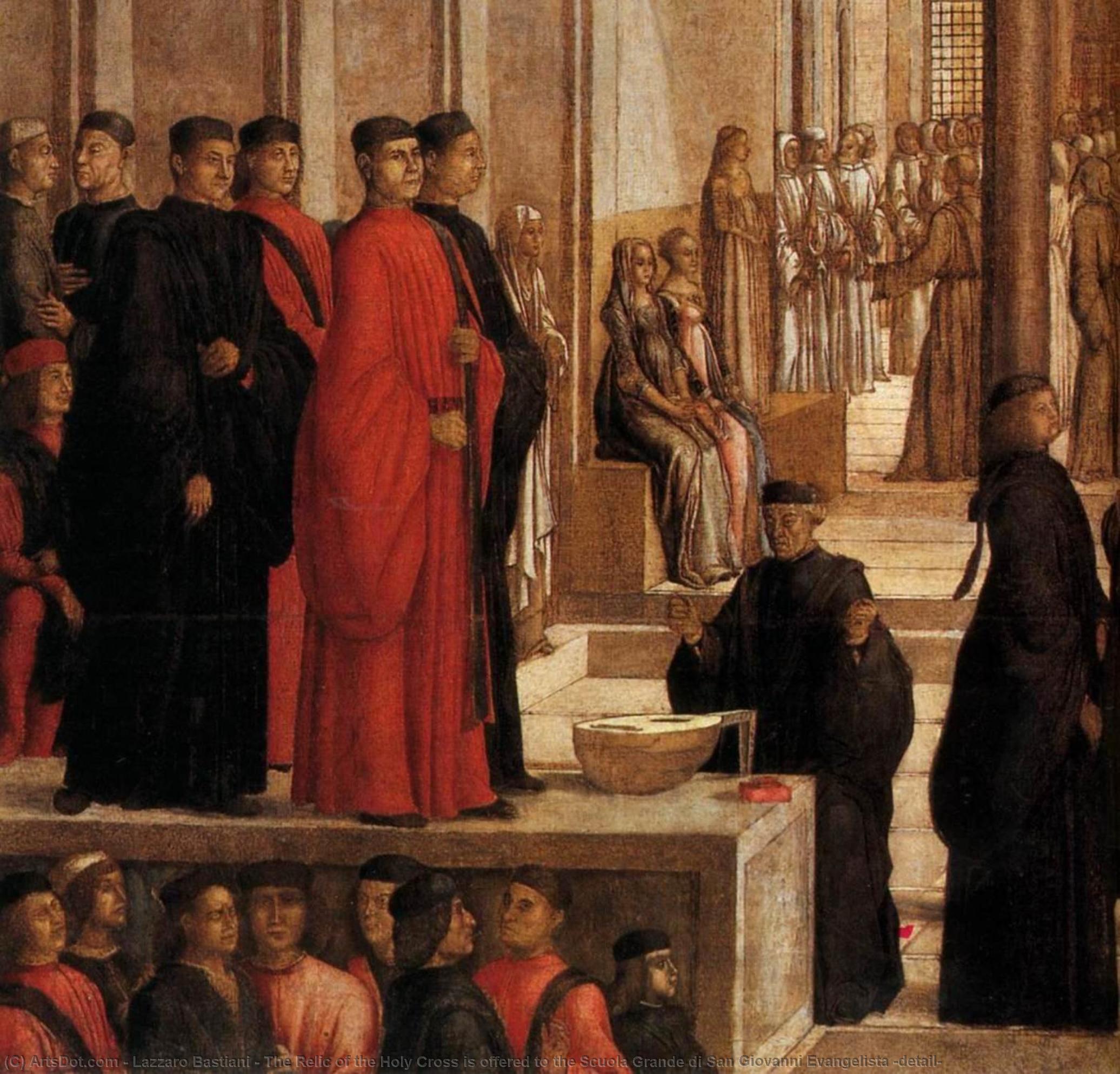
The Relic of the Holy Cross is offered to the Scuola Grande di San Giovanni Evangelista (detail)


 詳細を見る
詳細を見る
ジークレー/アートプリント
迅速な制作と多彩な仕上げオプションを備えた、ミュージアムクオリティのジークレーまたはキャンバスプリント。 ( 手描きの絵画を購入 画像を購入)




P118B $10

P118H $10

P118W $10

P438Z $10

P508JH $12

P508YH $12

P805H $10

P805Z $10

P919BZ $10

P919G $10

P919XJ $10

P959ZH $10

P968JZ $12

W106C $8

W218G $10

W218JH $8

W218Y $10

W307PJ $10

W316G $10

W316PJ $8

W316Y $10

W398PJ $8

W4111J $10

W500HY $15

W500JH $15

W692G $12

W849H $8

W940BG $15

W953PJ $8




作品のオリジナル比率に合わせた、当店の規定サイズからお選びください。

特定のフレームやスペースに合わせて、ご自身でサイズを指定することも可能です。選択されたサイズが元の画像の比率と一致しない場合、作品をトリミングするか、鏡面反射または単色での塗りつぶしによって画像を拡張いたします。制作を開始する前に、ご確認用のデジタルモックアップをお送りいたします。
画面上のプレビューには、実際のトリミングや拡張は反映されませんのでご注意ください。最終的な構図を正確に確認できるのは、モックアップのみとなります。
カスタムサイズも承っておりますが、元の比率を維持するためには、あらかじめ用意されたリストからサイズを選択することをお勧めいたします。


 ガラスオプションは、110cm未満のサイズでのみご利用いただけます。

The Relic of the Holy Cross is offered to the Scuola Grande di San Giovanni Evangelista (detail)
ジークレー/アートプリント
複製画のサイズ
-


合計金額
$ 62
Lazzaro Bastiani’s “The Relic of the Holy Cross is Offered to the Scuola Grande di San Giovanni Evangelista (detail)”
Lazzaro Bastiani’s “The Relic of the Holy Cross is Offered to the Scuola Grande di San Giovanni Evangelista,” painted in 1494, stands as a testament to Venetian Renaissance artistic fervor—a moment captured on canvas that embodies both meticulous observation and profound symbolic resonance. Commissioned by the Scuola Grande di San Marco, one of Venice’s most influential confraternities dedicated to safeguarding relics of Christ, this detailed panel exemplifies Bastiani's mastery of tempera paint on canvas, a technique favored for its luminosity and durability.
- Subject Matter: The scene depicts the ceremonial presentation of the Holy Cross relic by Philippe de Méziéres—Chancellor of Cyprus—to the Scuola Grande’s brethren. It captures not merely an event but the palpable atmosphere of Venetian civic pride during a period defined by burgeoning humanist ideals and artistic innovation.
- Style: Bastiani's style aligns closely with that of Giovanni Bellini, his mentor, demonstrating a restrained elegance characterized by balanced compositions and subtle tonal gradations. However, unlike Bellini’s more lyrical approach, Bastiani prioritizes clarity and precision—a stylistic choice reflecting the humanist emphasis on rational observation.
- Technique: Employing tempera paint—mixed with egg yolk—Bastiani achieved remarkable detail through layering thin glazes of pigment onto a prepared gesso ground. This meticulous process ensured that every brushstroke conveyed nuance and depth, resulting in an image imbued with atmospheric perspective and luminous color.
Historical Context: The Scuola Grande’s veneration for the Holy Cross relic underscored Venice's role as a center of religious pilgrimage and artistic patronage. Bastiani’s painting reflects the broader cultural landscape of the time—a fascination with biblical narratives and an aspiration to represent sacred subjects with intellectual rigor.
Symbolism: The composition is laden with symbolic significance. The figures are arranged in a hierarchical manner, reflecting the importance of ecclesiastical authority. Furthermore, the depiction of the basilica itself symbolizes faith and spiritual contemplation—a visual reminder of Venice’s enduring devotion to Christian traditions. Bastiani's careful attention to architectural detail underscores this overarching theme.
Emotional Impact: “The Relic of the Holy Cross is Offered to the Scuola Grande di San Giovanni Evangelista” transcends mere representation; it evokes a sense of solemn grandeur and spiritual reverence. The artist’s skillful rendering captures not only the visual splendor of the scene but also its emotional core—a testament to Bastiani's ability to communicate profound ideas through evocative imagery.
- Notable Features: Observe the meticulous depiction of the basilica’s interior, highlighting the polygonal apse and towering windows. The figures are rendered with understated realism, conveying dignity and solemnity.
- Color Palette: Bastiani utilizes a restrained color palette—primarily muted blues and golds—creating an atmosphere of contemplative serenity. These colors harmonize seamlessly to reinforce the painting’s overarching mood of piety and reverence.
Ultimately, Lazzaro Bastiani's “The Relic of the Holy Cross is Offered to the Scuola Grande di San Giovanni Evangelista” remains a captivating exemplar of Venetian Renaissance art—a masterpiece that continues to inspire admiration for its technical virtuosity and profound symbolic depth.
関連作品




関連記事

家族の遺産を壁画で彩る:伝統技法が紡ぐ、時を超越する美と記憶
古代から現代までの壁画の歴史と技法を解説。日本の壁画文化やカスタムオーダーによる家族の遺産表現、保存・修復技術まで網羅。専門家が時を超越する美と記憶を紡ぐ芸術的価値をご案内します。
Vittore Carpaccio: Venetian Renaissance Narrative & the Poetics of Detail
Explore the captivating world of Vittore Carpaccio, a master storyteller of the Venetian Renaissance. Discover his intricate details, narrative cycles like 'The Legend of St. Ursula,' and unique artistic style.

The Enduring Legacy of Fresco: Technique, History & Artistic Expression Across Cultures
Explore the rich history & enduring legacy of fresco painting! Discover ancient techniques, Giotto's masterpieces, and modern applications. Expert insights for art lovers & professionals.

The Enduring Legacy of Fresco Painting: Techniques, History & Contemporary Relevance
Explore the rich history & enduring artistry of fresco painting – from Giotto to Michelangelo! Discover techniques, conservation efforts, & modern applications. Learn how ArtsDot brings this timeless art form to your home.

Art That Lives With You: The Emotional Power of a Custom Interior Fresco
Discover the emotional power & timeless beauty of custom interior frescoes. Explore history, design tips & expert guidance from – creating lasting legacies.

