

 プレビュー
プレビュー
 シェアする
シェアする シェアする
シェアする
 詳細を見る
詳細を見る

 ダウンロード
 似ている作品
 X線調査
X線調査 スライドショー
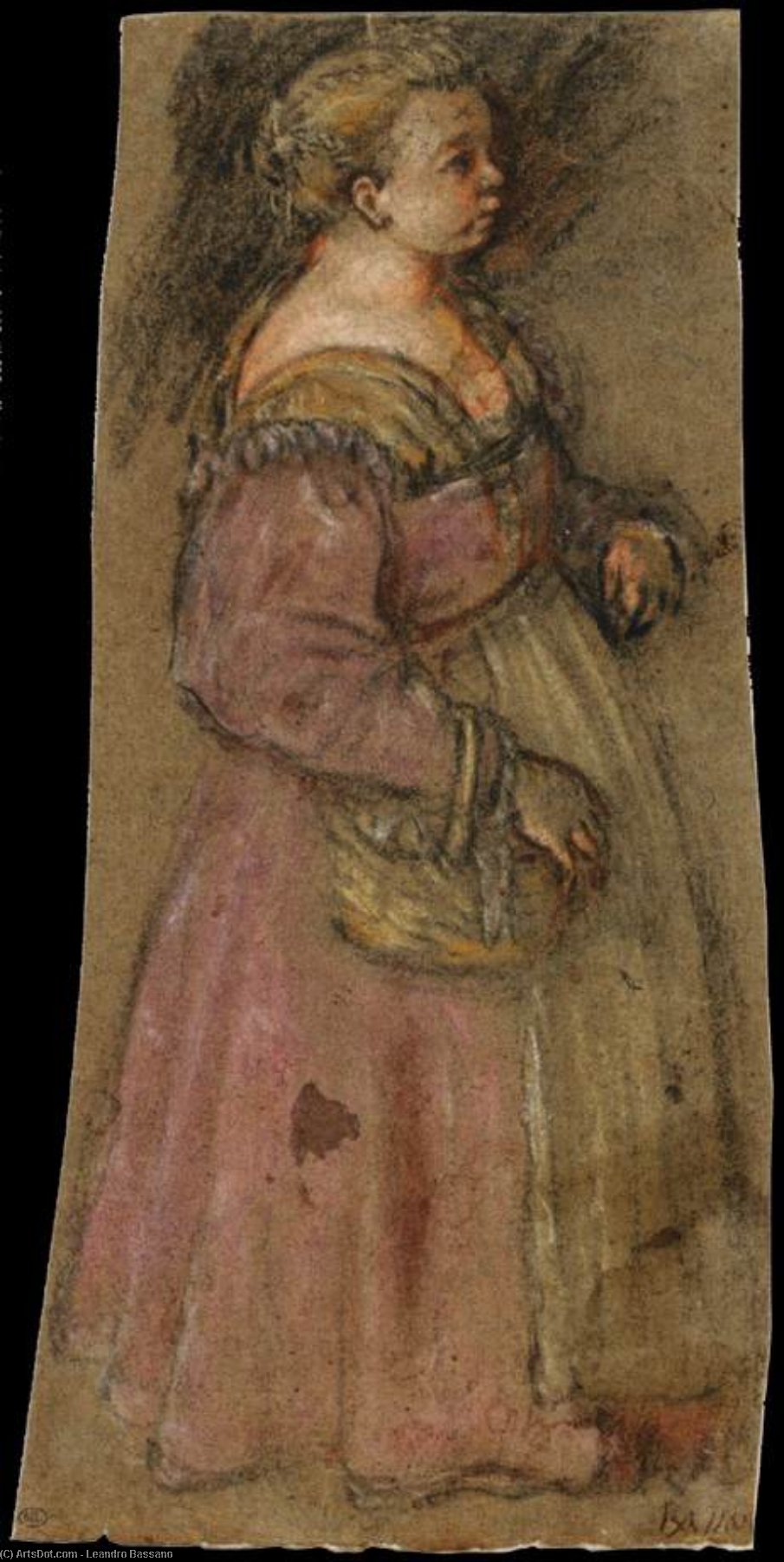
Little Girl Carrying a Basket
 Oil On Canvas
- WallArt
- Renaissance
 1594
1594 304.0 x 130.0 cm
 ルーブル美術館
 詳細を見る
詳細を見る
ジークレー/アートプリント
迅速な制作と多彩な仕上げオプションを備えた、ミュージアムクオリティのジークレーまたはキャンバスプリント。 ( 手描きの絵画を購入 画像を購入)




P118B $10

P118H $10

P118W $10

P438Z $10

P508JH $12

P508YH $12

P805H $10

P805Z $10

P919BZ $10

P919G $10

P919XJ $10

P959ZH $10

P968JZ $12

W106C $8

W218G $10

W218JH $8

W218Y $10

W307PJ $10

W316G $10

W316PJ $8

W316Y $10

W398PJ $8

W4111J $10

W500HY $15

W500JH $15

W692G $12

W849H $8

W940BG $15

W953PJ $8




作品のオリジナル比率に合わせた、当店の規定サイズからお選びください。

特定のフレームやスペースに合わせて、ご自身でサイズを指定することも可能です。選択されたサイズが元の画像の比率と一致しない場合、作品をトリミングするか、鏡面反射または単色での塗りつぶしによって画像を拡張いたします。制作を開始する前に、ご確認用のデジタルモックアップをお送りいたします。
画面上のプレビューには、実際のトリミングや拡張は反映されませんのでご注意ください。最終的な構図を正確に確認できるのは、モックアップのみとなります。
カスタムサイズも承っておりますが、元の比率を維持するためには、あらかじめ用意されたリストからサイズを選択することをお勧めいたします。


 ガラスオプションは、110cm未満のサイズでのみご利用いただけます。

Little Girl Carrying a Basket
ジークレー/アートプリント
複製画のサイズ
-


合計金額
$ 62
A Moment Frozen in Time: Exploring “Little Girl Carrying a Basket”
Leandro Bassano’s “Little Girl Carrying a Basket,” painted in 1594, isn't merely a depiction of a young girl and her burden; it’s a carefully constructed tableau brimming with Renaissance charm, subtle symbolism, and the delicate beauty of pastel technique. This painting, currently residing within the hallowed halls of the Louvre Museum in Paris, offers a captivating glimpse into 16th-century Italian life – a world where everyday moments held profound artistic significance. Bassano masterfully captures a fleeting scene, imbuing it with an almost dreamlike quality that continues to resonate centuries later.
The painting’s subject is deceptively simple: a young girl, dressed in the fashionable pink and white attire of her era, carrying a woven basket on her head. However, Bassano elevates this commonplace image through his masterful use of light and color. The pastel medium itself—a relatively new technique at the time—allows for an unparalleled luminosity and translucency, creating a sense of ethereal softness that envelops the scene. Notice how the light seems to emanate from within the girl’s dress, casting delicate shadows and highlighting the folds of her fabric. This isn't just a portrait; it’s a study in atmospheric perspective and the artful manipulation of color.
The Language of Light: Technique and Composition
Bassano’s command of light is truly remarkable. He doesn’t simply illuminate the subject; he uses light to sculpt form, define space, and evoke emotion. Observe how the light gently falls across the girl's face, creating a sense of warmth and innocence. The background, deliberately minimalistic, serves only to accentuate the figure in the foreground – a testament to Bassano’s focus on capturing the essence of his subject. The composition is carefully balanced, drawing the viewer’s eye directly to the girl and her basket, while simultaneously suggesting a broader narrative about childhood, domesticity, and perhaps even the transient nature of beauty.
Furthermore, the artist's attention to detail is evident in every aspect of the painting. From the intricate folds of the girl’s dress to the texture of the basket, Bassano demonstrates an extraordinary level of skill and observation. The subtle variations in color and tone create a sense of depth and realism that belies the painting’s delicate appearance. The signature “Leandro Bassano” nestled in the lower right corner is a quiet confirmation of this artistic mastery.
Symbolism and Context: A Renaissance Portrait
“Little Girl Carrying a Basket” isn't simply a pretty picture; it’s imbued with layers of symbolic meaning. The basket itself, a common object in everyday life, becomes a symbol of responsibility, perhaps even the girl’s future role within her family and community. The act of carrying—a task typically associated with women—underscores the importance of domesticity and nurturing within Renaissance society. Moreover, the painting reflects the broader artistic trends of the period, particularly the rise of Mannerism – a style characterized by elongated figures, distorted perspectives, and an emphasis on emotional expression. Bassano’s work exemplifies these characteristics while retaining a distinctly humanist sensibility.
Painted in 1594, during a time of significant artistic innovation, this piece stands as a bridge between the High Renaissance and the emerging Mannerist style. It's a poignant reminder that even the most ordinary scenes can be transformed into works of art through the skill and vision of a master artist. Today, reproductions of “Little Girl Carrying a Basket” are available through platforms like ArtsDot.com, allowing art lovers to bring this timeless masterpiece into their homes.
関連作品

アーティストの略歴
ジャコポ・ダ・ポントルモ:フィレンツェ美術の革命児
ジャコポ・カルッチ、より一般にジャコポ・ポントルモとして知られる彼は、美術史において深遠で、しばしば謎めいた魅力を放つ存在であり続けています。1494年にトスカーナの小さな町エンポリ近郊のポントルメで生まれた彼の人生は、従来の芸術的な育成を辿る運命ではありませんでした。幼くして孤児となり、レオナルド・ダ・ヴィンチ、マリオット・アルベルティネリ、ピエロ・ディ・コジモといった様々なフィレンツェの工房を渡り歩き、最終的にアンドレア・デル・サルトのもとで居場所を見つけるまで、彼の初期の訓練は盛期ルネサンスの厳格な規律によって特徴づけられていました。しかし、これらの名工たちから透視図法、解剖学、古典的な構図の原理を吸収しながらも、ポントルモは最終的に完全に自分自身の道を切り開きました。彼はマニエリスムへの移行期における極めて重要な人物となり、後世の芸術家たちに深い影響を与えたのです。
彼の初期の作品、例えば『聖母とエリザベスの訪問』(紀元1514年~1516年頃)は、先人たちからの明確な負債を示しています。人物像はバランスが取れ、調和的であり、注意深く構築された建築的な設定の中に丹念に描かれています。これらはルネサンス絵画の典型的な特徴です。しかし、これらの初期の作品の中ですら、ポントルモ特有の様式の微かな兆しが見え隠れしています。それは、引き伸ばされたフォルム、高められた感情の感覚、そして彼が後に受け入れることになる急進的な逸脱を予感させる不安な曖昧さなのです。
マニエリスムの種
ポントルモの芸術的進化は、彼の旅路と北ヨーロッパ美術との出会いと切り離すことはできませんでした。当時イタリアで広く流通していたアルブレヒト・デューラーやルーカス・ファン・レイデンといった芸術家の版画や木版画に触発され、彼は構図とフォルムに対して、より自由で表現豊かなアプローチを試み始めます。この影響は、彼の後期の作品において特に顕著であり、そこでは人物たちが重力や透視図法の制約から解き放たれたかのように、不定形の空間に漂っているかのようです。彼の様式を特徴づける渦巻く、蛇のような線描は、ルネサンス美術の静的な安定感とは鋭い対比をなし、ダイナミズムと動きの感覚を生み出しています。
決定的に重要なのは、ポントルモがこの時期フィレンツェ絵画の多くを支配していた古典的な理想への厳格な固執を拒否した点です。彼は解剖学的な正確さよりも感情の強度を、現実的な描写よりも心理的な深さを優先しました。この転換は盛期ルネサンスからの決定的な決別を意味し、彼をマニエリスム発展における主要人物の一人として確固たるものにしました。マニエリスムとは、優雅さ、人工性、そして主観的な表現を重視する芸術運動なのです。
心理的深みを持つ肖像画家
宗教画で名高い一方で、ポントルモは非常に熟練した肖像画家でもありました。特にメディチ家から依頼された彼の肖像画は、その心理的な洞察力とキャラクターの微妙なニュアンスにおいて注目に値します。ルネサンスの肖像画によく見られる理想化された表現とは異なり、ポントルモのモデルたちは稀有な威厳と脆さを持ち合わせており、人間の感情に対するより深い理解を反映しています。彼は、被写体の社会的地位、政治的権力、あるいは個人的な関心事といった参照物を用いて象徴主義を巧みに用い、自らの肖像画に物語的な質を高めていました。
例えば、メディチ家のメンバーを描いた作品は特に印象的です。これらは単なる似顔絵ではありません。それらは権力、富、そして血筋についての注意深く構築された声明であり、壮大さと憂鬱さの両方の感覚を帯びています。フィレンツェのサンタ・フェリチタ教会のために依頼された『埋葬(十字架からの降ろされ)』は、このアプローチを体現しており、宗教的な図像学と心理的なドラマ、そして明確にマニエリスム的な美学が見事に融合しています。
晩年と遺産
ポントルモの晩年は、ますます深まる孤立と芸術的な動揺によって特徴づけられました。彼は活気あふれるフィレンツェの芸術シーンから身を引き、ますます引きこもり、苦悩を抱えるようになりました。個人的な苦闘にもかかわらず、彼は1557年の死まで絵を描き続け、進化する様式と深い不安感を反映した感情的に満ちた作品群を生み出しました。フィレンツェのサン・ロレンツォ教会のために着手した未完成のフレスコ画は、彼の芸術的発展の最終段階を痛切に垣間見せてくれます。
生前における彼の作品を取り巻く論争にもかかわらず――多くの批評家がその様式を混沌として不安定だと一蹴しましたが――後世の芸術家たちに対するポントルモの影響は否定できません。引き伸ばされた人物像、曖昧な透視図法、そして表現豊かな色彩の使用という彼の先駆的な試みはバロック時代への道を開き、西洋美術の流れを深く形作りました。彼はルネサンスからマニエリスムへの移行期に起こった複雑で変革的な発展を理解する上で不可欠な人物であり続け、その革命的な精神と不朽の芸術的ビジョンを証明しているのです。

レアンドロ・バッサーノ
1557 - 1622 , イタリア
基本情報
- Artistic Movement Or Style: マニエリスム
- Artists Or Movements Influenced By This Artist:
- コレッジョ
- ミケランジェロ
- Artists Who Influenced This Artist:
- レオナルド・ダ・ヴィンチ
- アンドレア・デル・サルト
- Date Of Birth: 1494年5月24日
- Date Of Death: 1557年1月2日
- Full Name: ジャコポ・カルッチ・ポントルモ
- Nationality: イタリア人
- Notable Artworks:
- 聖母の訪問
- 埋葬(降架)
- Place Of Birth: ポントルメ、イタリア
関連記事

The Subtleties of Pastel: A Comprehensive Exploration of Technique, History & Emotional Resonance
Explore the captivating world of pastel art! Discover its rich history, Impressionistic masters like Degas, emotional power & unique techniques. Find museum-quality reproductions at ArtsDot.

Jacopo Bassano: A Venetian Master of Color, Family & the Renaissance Landscape
Explore the life & art of Jacopo Bassano, a Venetian master renowned for his vibrant colorism and innovative religious scenes. Discover his family legacy & enduring influence on Renaissance painting with ArtsDot.

The Subdued Radiance of Pastel: Exploring Nuance & Emotion in Art
Explore the nuanced world of pastel art! Discover its history, techniques & emotional power with expert insights from ArtsDot.com. Find museum-quality reproductions and learn about collecting this delicate medium.
The Subdued Radiance of Pastel Palettes: Exploring Emotional Resonance in Art History
Explore the emotional power of pastel palettes in art history! Discover Impressionism, Post-Impressionism & color psychology insights. Find museum-quality reproductions at ArtsDot.
The Subdued Radiance of Pastel Palettes: Exploring Emotional Resonance in Art History
Explore the emotional power of pastel palettes in art history! Discover Impressionism, Post-Impressionism & color psychology insights. Find museum-quality reproductions at ArtsDot.

